




Introduction: Dinosaur Tracks and Caves — an Educational Family Circuit in Sardinia
Sardinia, a Mediterranean island of dramatic landscapes, offers far more than sun-drenched beaches: it hides spectacular caves and fossil traces that spark kids’ scientific curiosity. This guide is laid out as a practical, immersive family circuit designed for those who want to combine underground exploration with a dive into the world of dinosaurs. The route focuses on visitable sites, local museums, interactive trails and teaching tips to turn every stop into a living natural history lesson.
Kids learn best by touching, observing and taking part. The circuit I propose around Sardinia blends: guided visits of limestone caves where geology becomes a visual story of deposits and stalactites; workshops and interactive panels in local paleontology museums; and, where possible, visits to fossil tracksites or educational reconstructions. At each stop I give exact addresses, typical opening times, indicative prices in euros, immersive descriptions to fire children’s imagination, plus local tips — what to pack, where to eat, and how to keep visits safe and fun.
This guide is meant to be flexible: it can be followed over 2 to 5 days depending on your base (Alghero, Dorgali, Nuoro or Cagliari) and how far families want to travel. Car journeys are great opportunities to explain cave formation and fossilization, and many stops include outdoor spaces where children can run around. Explanations are aimed at 5–12 year olds but the teaching suggestions can be adapted for teens.
I also include practical information: recommended visit times, length of the approach walk for each cave, accessibility levels (strollers, all-terrain buggies, stairs), and weather recommendations — some caves and beach sites close during heavy seas or heavy rain. Finally, I remind readers of conservation rules: do not touch speleothems, do not collect fossils in situ without permission, take photos without flash where requested, and prefer local guides for faithful interpretation of the heritage.
Before you set off, here are a few general tips: equip each child with a lightweight headlamp, a pair of closed, non-slip shoes, a jacket even in summer (caves are cool), and a water bottle. Bring neutral snacks, discovery notebooks for drawing and noting observations, a compact pair of binoculars for cliff watching and a small first aid kit. Always check opening hours and seasonal closures: in Sardinia many sites adjust their hours according to the tourist season.
1) Grotta di Nettuno (Neptune) — Alghero: a spectacular visit over the sea
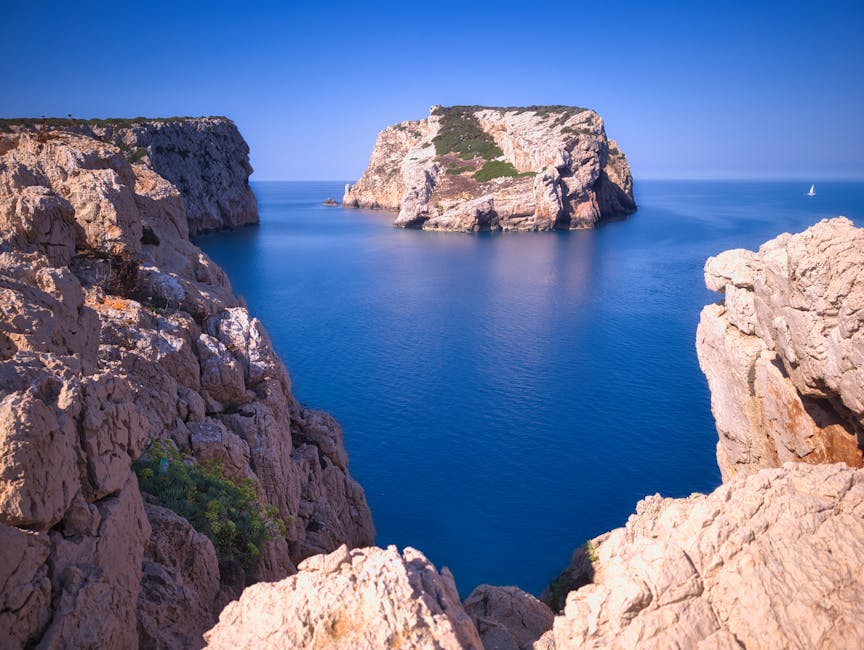
The Grotta di Nettuno, known in English as Neptune’s Cave, is one of Sardinia’s most famous caverns. Perched on the Capo Caccia headland above the sea, this marine cave displays impressive formations and a large underground chamber accessible either by stairs or by boat, making it a memorable adventure for kids who love the ocean and easy caving.
Full name: Grotta di Nettuno (Neptune’s Cave), Capo Caccia, 07041 Alghero SS, Italy.
Exact road access: Capo Caccia, Strada Provinciale 55, 07041 Alghero SS, Italy (parking near the lookout).
Indicative price: adult ticket around €11.00; child (6–12 years) around €6.00; free for under-6s (rates may vary seasonally).
Opening times: usually open April to October, hours vary by season (e.g. 09:00–18:00 in high season); guided visits from the viewpoint or boat excursions from the port of Alghero are recommended (departures in morning and afternoon). Always check the official schedule before you go.
Immersive description: the approach from the Capo Caccia viewpoint offers panoramic views over emerald waters and dramatic cliffs. Kids will feel like little explorers descending the 654 steps (the Escala del Cabirol) down to the sea entrance, or boarding a boat to land directly in the main chamber. Inside, the cave reveals stalactites and stalagmites carved by thousands of years of water, curtain-like formations and an inner lake with mysterious reflections. Guides explain how marine caves form, how saltwater erosion plays a role, and adapt their talks for children using light shows and simple analogies.
Local tips: try visiting in the morning to avoid crowds and bring a windbreaker for the kids — it can be chilly near the water. For families with strollers, the stairs are not recommended: take the boat option if available. Bring binoculars to watch the cliffs from the viewpoint and spot seabird colonies. Buy tickets at the viewpoint kiosk or reserve via Alghero tourist offices to secure your spot in high season.
2) Grotta di Ispinigoli — Dorgali: the tallest column and a geology primer
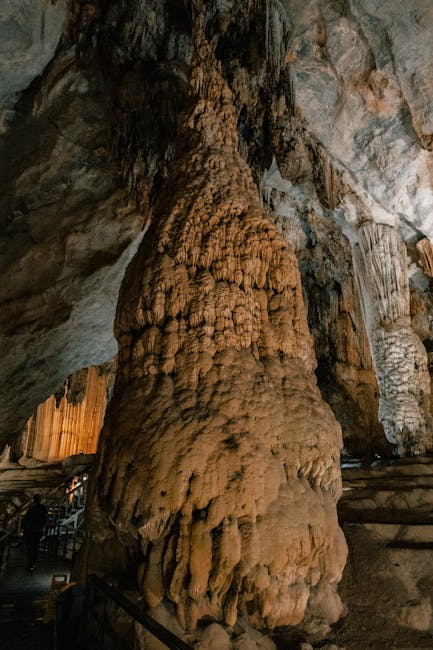
The Grotta di Ispinigoli is a remarkable cavity near Dorgali in the province of Nuoro. Famous for its central column — one of the tallest in Europe, known as the « Colonna di Ispinigoli » — this cave is ideal for introducing children to calcite deposition processes and the concept of geological time with visuals and kid-friendly numbers.
Full name: Grotta di Ispinigoli, Località Ispinigoli, 08022 Dorgali NU, Italy.
Exact address: Loc. Ispinigoli, Strada Provinciale 38, 08022 Dorgali NU, Italy (site signposted from central Dorgali).
Indicative price: adult around €8.00; child (6–12) €5.00; free for under-6s (indicative rates).
Opening times: usually open year-round except public holidays, guided tours in Italian and sometimes English; typical hours 09:00–13:00 and 15:00–18:00 (seasonal — check before traveling).
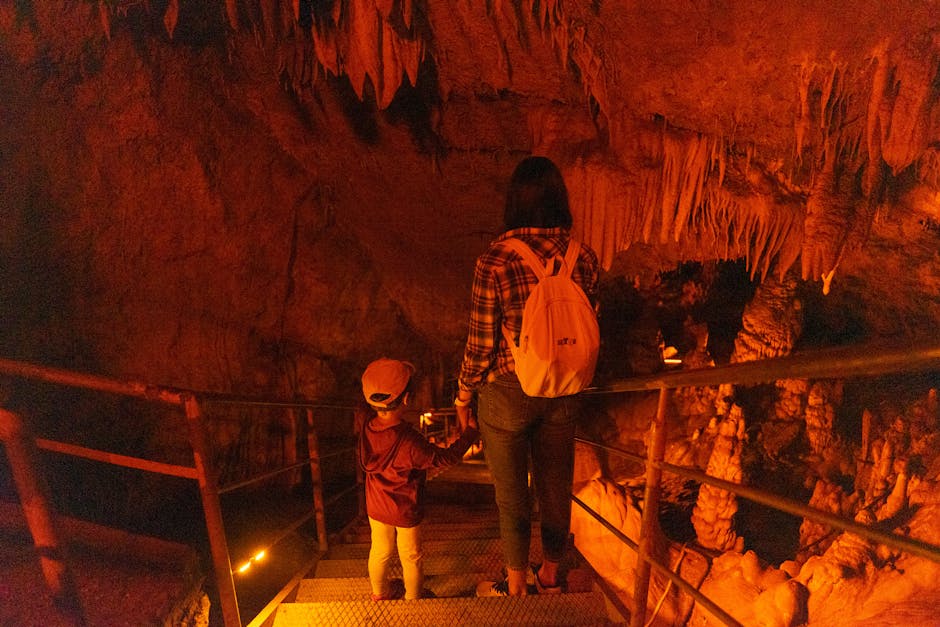
Immersive description: the visit starts with a short trail through Mediterranean vegetation with interpretive panels. At the entrance, children notice the cool, fresh air. Inside the cave the light gradually reveals thin hanging stalactites, calcite organ-like formations and the monumental central column over 38 meters high that immediately impresses younger visitors. Guides use comparisons (for example, « this column grew like a drip of candle wax ») to make formation processes relatable. They also explain the difference between underground water, slow mineral deposition and any fossils that might be found in the region.
Local tips: bring warm clothing for children (12–14 °C inside) and closed shoes. The access path can be rocky — a great chance for a short safety lesson on natural terrain. Combine the visit with a stroll through Dorgali and a stop at the Museo del Marmo (local museum) to round out the rocks-and-minerals theme. If your kids like to draw, give them a notebook to sketch the column and explore textures.
3) Paleontology museums and trails: local museums and educational sites for fossil tracks
To discover dinosaur tracks or local reconstructions, it’s essential to include paleontology museums and workshops in the circuit. Sardinia has several institutions and interpretation points that preserve fossil footprints, skeletons, casts and interactive panels tailored to children. Museums complement caves by giving a temporal narrative about the presence of ancient vertebrates in the region and how scientists work.
Examples of places (addresses and practical info):
- Museo del Territorio di Dorgali (Museo Paleontologico di Dorgali)
Address: Via Vittorio Emanuele, 08022 Dorgali NU, Italy (town centre).
Indicative prices: adult €5.00; child €3.00; guided visits possible on reservation (rates vary).
Opening times: often open 09:00–13:00 and 16:00–19:00; closed on Mondays (hours to be confirmed by season).
Description: exhibitions dedicated to local paleontology, footprint casts, explanatory panels and children’s workshops on casting techniques and footprint identification. - Museo Archeologico Nazionale « G.A. Sanna » (Sassari – geology & paleontology section)
Address: Piazza Duomo, 07041 Sassari SS, Italy.
Prices: adult around €4.00–€6.00 depending on the exhibition; reduced rates for children and families.
Opening times: generally 09:00–19:00, closed on some holidays — check before visiting.
Description: natural history and archaeology collections with educational materials for children, maps and videos about ancient Mediterranean fauna. - Centro Studi e Documentazione (temporary paleontology exhibitions)
Address: consult the local town hall (Nuoro or Oliena) for traveling exhibitions in the Barbagia area.
Prices and hours: vary by exhibition; often free events or pay-what-you-wish.
Description: hands-on workshops, talks tailored to young audiences and guided educational trails organized by local naturalist associations.
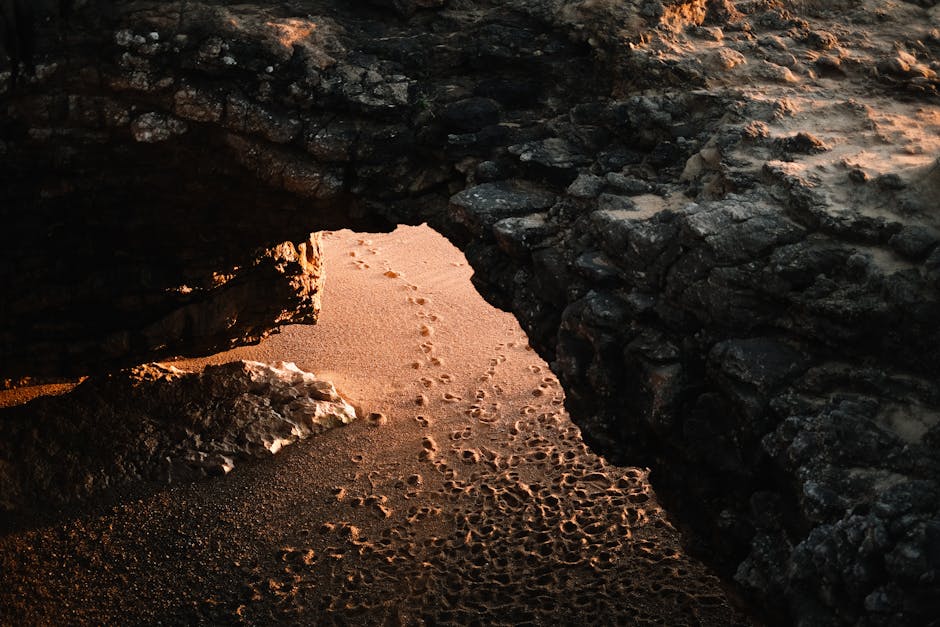
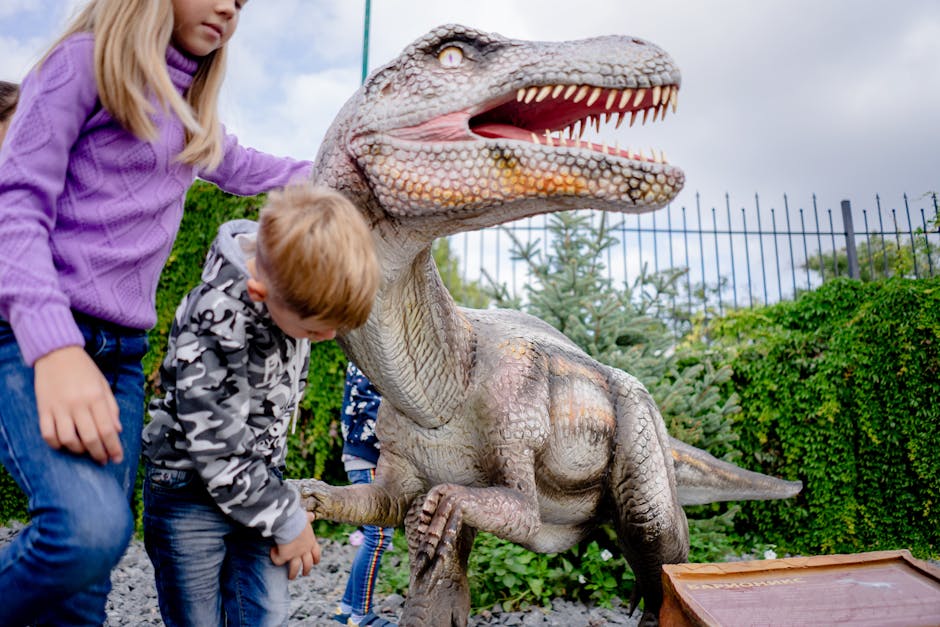
Immersive descriptions and pedagogy: museums display fossil cases, footprint casts and interactive panels that explain how animals left their marks in sediments that later hardened into rock. Children can handle casts, join simulated excavations and make a plaster cast of a footprint under staff supervision. Encourage simple questions: how does a footprint become a rock? Why don’t we always find whole bones?
Local tips: contact museums in advance to book a workshop and request an age-appropriate tour. Pair a museum visit with a short guided walk on a controlled rock outcrop (always led by a guide) to show where and how footprints are found. Bring a magnifying glass, a notebook and colored pencils: kids learn by recording observations and making drawings.
4) Fun detours and educational workshops: turning every site into a kids’ lab
Beyond standard guided tours, the educational circuit should include hands-on activities so children can own the learning process. Local workshops, interpretive trails and naturalist guides amplify sensory and cognitive experiences. Here are detailed ideas, typical venues and tips for organizing them in Sardinia.
Workshops and activities offered:
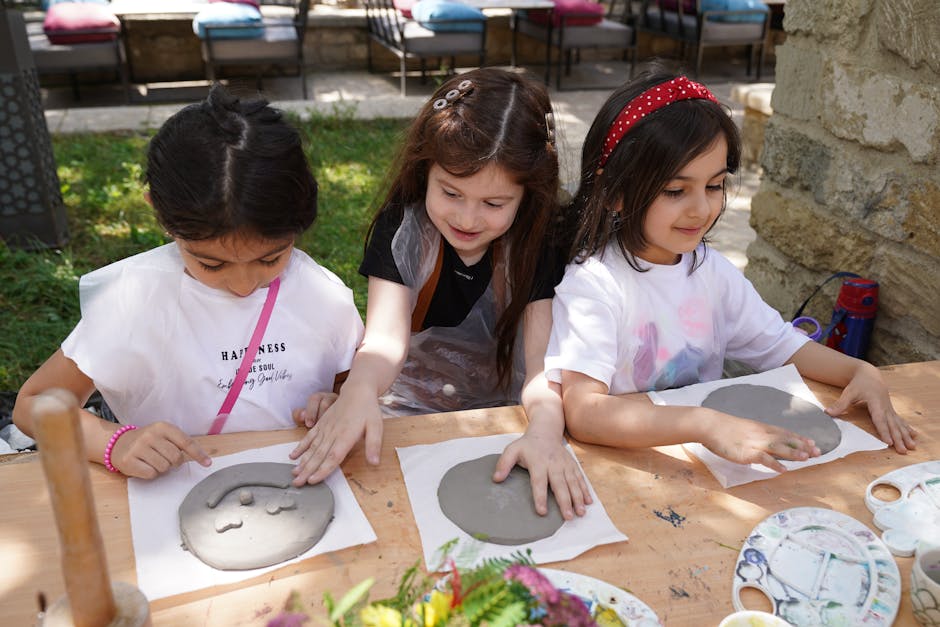
- Footprint casting workshop — often run by paleontology museums or naturalist associations: children learn to make a plaster mold of a reconstructed footprint, demold it and paint the replica. Duration: 60–90 minutes. Indicative cost: €6–€12 per child depending on materials.
- Guided geological walk — a short hike (1–3 km) on a sedimentary outcrop where a guide explains stratigraphy, rock formation and shows (if present and permitted) fossil traces. Possible locations: areas around Dorgali, Oliena and certain outcrops near Isili (check permissions). Duration: 2–3 hours. Guide fee: €80–€120 per group (shareable).
- Adapted evening visit — some operators offer late-afternoon visits to see a cave at dusk, paired with a short story about « imaginary dinosaurs » for kids. Short duration (45–60 min). Price: varies by site, €5–€15 per person.
- Scavenger hunts and treasure hunts — organized with tourist offices: maps, geological clues and mini-challenges to learn to recognize fossils, minerals and calcites. Ideal for groups of 6–12 year olds. Price depends on organizer.
Immersive experience: turn each workshop into a scenario: « you are a paleontologist who must identify a footprint, » or « you are a caver discovering a secret chamber. » Give roles (rock medic, keeper of traces, fossil illustrator) and symbolic rewards (a « Junior Explorer » certificate). Repeating observations (drawing, casting, measuring) helps cement the scientific approach in the child’s mind.
Logistics tips: book workshops several days ahead, especially in high season; ask for written confirmation of prices and materials provided; specify the children’s ages to tailor activities. For school groups or large families, negotiate a group rate. Pack a first aid kit, sunscreen and hats for outdoor activities, and avoid the hottest afternoons for hikes.
5) Sample 3-day itinerary: combining caves, museums and workshops for a family
Here’s a practical, balanced 3-day sample itinerary designed for a family based in Dorgali or Alghero. The plan favors child-friendly visit lengths, reasonable drives and educational breaks.
Day 1 — Alghero & Grotta di Nettuno
Morning: stroll the historic center of Alghero (short walk) and board a boat excursion (weather permitting) to Grotta di Nettuno. Boat/entry booking recommended.
Boat departure address: Porto di Alghero, Via Lido, 07041 Alghero SS, Italy.
Duration: 2–3 hours (transfer + visit).
Afternoon: a discovery workshop about marine life at a small local aquarium or a free visit to the Capo Caccia viewpoint.
Tip: bring a picnic or enjoy local cuisine in Alghero’s centre (pizzerias and family-friendly trattorie).
Day 2 — Dorgali & Grotta di Ispinigoli
Morning: drive to Dorgali and visit Grotta di Ispinigoli (allow 1.5 hours for the tour).
Address: Loc. Ispinigoli, Strada Provinciale 38, 08022 Dorgali NU, Italy.
Afternoon: visit the Museo del Territorio in Dorgali or join a casting workshop at the museum.
Duration: 2–3 hours; allow time for learning and a local gelato break for the kids.
Day 3 — Paleontology museum & guided geological walk
Morning: visit a local paleontology museum (e.g. Museum of the Territory in Dorgali or another regional museum).
Afternoon: short guided geological hike with simulated footprint identification exercises and outdoor drawing/casting activities.
Duration: 3–4 hours depending on the activity.
Tip: finish with a paint session for the casts made to reinforce the sensory memory of the discovery.
Indicative budget (family of 2 adults + 2 children): Cave and museum entries ≈ €40–€70, workshops ≈ €20–€50, boat trips ≈ €40–€100 depending on operator, travel and meals extra. Always check current prices and ask about family discounts or combined packages.
Conclusion: preparing the outing and extending learning at home
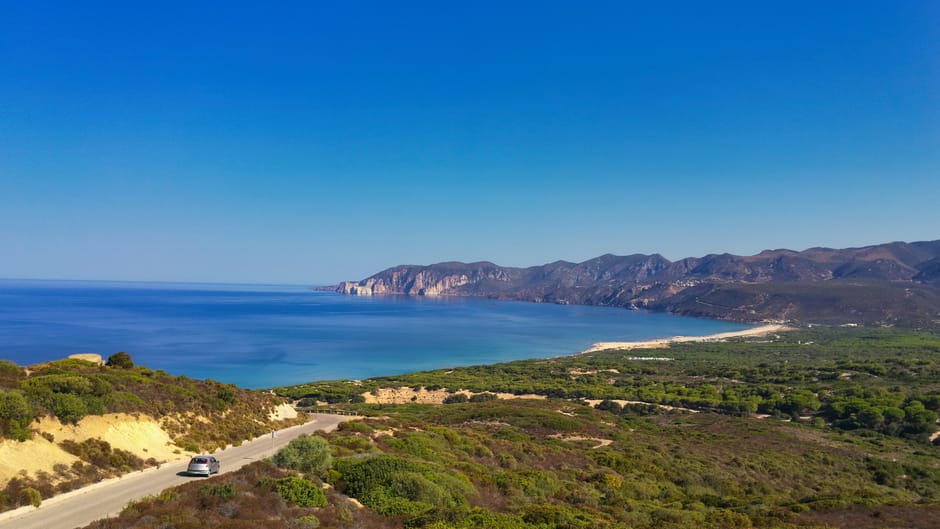
This educational circuit in Sardinia, combining spectacular caves with paleontological discovery, gives families the tools to turn a holiday into a scientific adventure. Caves like Grotta di Nettuno in Alghero and Grotta di Ispinigoli in Dorgali offer impressive underground landscapes that fascinate children, while museums and paleontology workshops translate those impressions into understanding: how speleothems form, how footprints are preserved and why Sardinia reveals so many ancient stories.
For a successful experience, plan ahead: book tours and workshops, check seasonal opening times and weather conditions, and contact local tourist offices (Alghero, Dorgali, Nuoro) about temporary activities or traveling exhibitions. Prefer guided visits for child-appropriate interpretation and bring home casts or drawings as educational souvenirs rather than removing items from sites: it’s an important conservation practice to teach the young ones.
Finally, extend the learning at home: create a small « family museum » with casts and drawings, keep a field notebook where each child records observations, organize photos taken during the visits, and read books or comics about dinosaurs and cave formation together. If your children become passionate, consider getting in touch with a paleontology association or a local caving club for regular activities — that’s a great way to turn a holiday curiosity into a lasting interest in Earth sciences.
Happy exploring! Remember: Sardinia, between sea and mountains, is an ideal playground to spark kids’ passion for Earth history — provided we respect sites and learn through play.