





Introduction
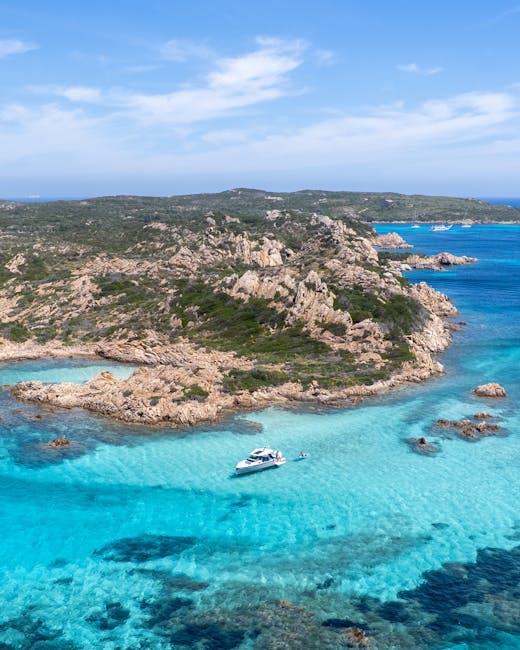
The Costa Smeralda, the « Emerald Coast » on Sardinia’s northeast shore, is one of the Mediterranean’s most legendary coastal routes. From crystal-clear coves and white-sand beaches to luxury marinas and picture-postcard villages, the drive along this stretch of coastline blends wild nature with high-end glamour. Whether you arrive by car from Olbia airport, sail in on a private yacht, or tour by motorcycle, the Costa Smeralda road is best enjoyed slowly, with regular stops to swim, take photos and sample Sardinian cuisine.
This route is more than a string of views: it tells the story of a territorial transformation started in the 1960s by Prince Karim Aga Khan, who shaped a premium tourist area while often preserving the local landscape. Modernity and tradition mingle in towns like Porto Cervo, Porto Rotondo and Baja Sardinia, where designer boutiques sit beside family-run trattorie. The Costa Smeralda is also a gateway to nearby natural treasures, such as the La Maddalena archipelago—reachable by ferry from Palau—or the granite cliffs of Capo Testa near Santa Teresa Gallura.
This complete guide gives you a detailed itinerary, essential stops, precise addresses, opening times and practical prices to plan your trip. You’ll find local driving tips, the best times to visit beaches (to avoid crowds), recommended coastal trails, and suggestions for meals and boat excursions. Whether you have a day for a quick loop or a week to explore in depth, this route lets you make the most of the Costa Smeralda while respecting the environment and island culture.
The text also includes essential practical information: exact addresses of ports and monuments, price ranges in euros for crossings, parking and certain services, and indicative schedules so you don’t miss ferries or site openings. We add visual cues to help you locate spots, recommend lesser-known beaches and offer tips to save on tolls and parking—even though Sardinia largely lacks highway tolls, tourist areas can charge high parking fees. Ready to hit the road? Follow the guide for an unforgettable crossing of the Costa Smeralda.
<img width="1024" height="768" src="https://ue.is/wp-content/uploads/sites/36/2026/04/porto-cervo-marina-sunset-yachts-1024×768.jpg" class="aligncenter" alt="Porto Cervo marina at sunset with yachts » loading= »lazy » />
Preparing the route: starting points, logistics and best time to go
Before you set off, planning the logistics is essential. The main entry point for the Costa Smeralda is Olbia Costa Smeralda Airport (Aeroporto di Olbia-Costa Smeralda, SS 125, 07026 Olbia OT). Car rental desks, petrol stations and supermarkets are easily accessible there. Useful address: Aeroporto di Olbia-Costa Smeralda, 07026 Olbia OT. Rental agency hours vary; most open between 07:00 and 23:00 in high season. Expect car hire rates around €50–€120 per day depending on vehicle and season.
Best time to go: high season runs from mid-June to mid-September. To avoid crowds while still enjoying pleasant weather, aim for late May–June or late September–October. Summer temperatures typically range from 22 °C to 30 °C. In the low season some services (restaurants, luxury shops) close, but the beaches remain beautiful and accommodation prices fall.
Fuel and driving: most coastal roads in Sardinia don’t have tolls, but fuel can be slightly more expensive than on the Italian mainland. Budget around €1.80–€2.10 per litre in summer. Costa Smeralda roads are winding and offer vertigo-inducing views; adjust your speed, especially near towns and pedestrian areas.
Ferries and crossings: if you want to visit the La Maddalena archipelago, take the ferry from Porto di Palau (Porto di Palau, Lungomare A. Segni, 07020 Palau OT). Indicative hours: 06:00–22:00, frequency varies by season. Approximate fares: foot passenger €6–€10 one way, car €20–€35 one way depending on size. Book in high season.
Budget and accommodation: the Costa Smeralda offers a wide range of places to stay—campsites, agriturismi, boutique hotels and five-star resorts. Expect steep prices in July–August. A mid-range hotel usually costs €120–€250/night; luxury hotels often exceed €400–€800 per night. Book well in advance if you travel during peak season.
Local tips: carry some cash for small shops and parking; download offline maps (Google Maps or Maps.me) as mobile coverage can be patchy; obey « Divieto di Balneazione » (no swimming) signs and avoid protected marine areas without permits. Finally, bring a small first-aid kit, a hat, sunscreen and sturdy shoes for granite trails.
Must-stop: Porto Cervo and its surroundings (Porto Cervo Marina, Piazzetta Azzurra, Chiesa Stella Maris)
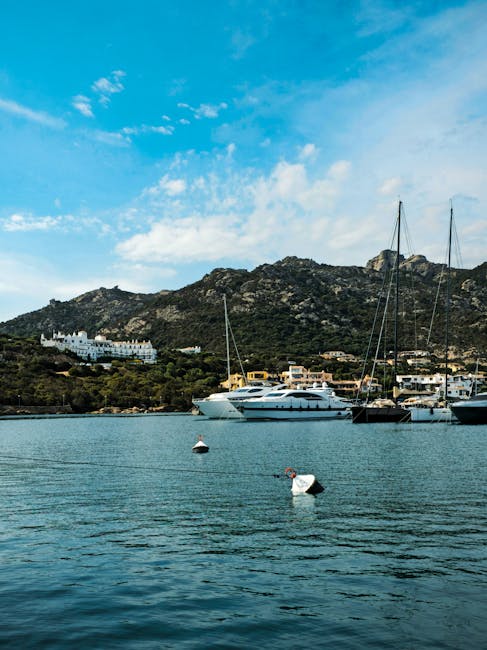
Porto Cervo is the social heart of the Costa Smeralda. The marina, Porto Cervo Marina (Piazzetta Azzurra, 07021 Porto Cervo OT), hosts magnificent yachts and is a constant display of sails and private liners. The main marina address is Piazzetta Azzurra, 07021 Porto Cervo OT. The marina is free to walk into on foot; parking nearby can be paid in high season (around €2–€4 per hour depending on the lot). A stroll along the marina at sunset is a must—the café terraces buzz and the yachts sparkle in the golden light.
Just steps away is Piazzetta Azzurra, Porto Cervo’s shopping hub, where luxury boutiques and galleries line the streets. For a quiet moment and bay views, visit Chiesa Stella Maris (Chiesa Stella Maris, Piazza Santa Maria, 07021 Porto Cervo OT). Indicative opening times: 08:00–12:00 and 16:00–19:00 (seasonal variation). Free entry, donations welcome. The white architecture and Mediterranean mosaics create a peaceful atmosphere far from the port’s bustle.
Restaurants and specialties: to taste authentic Sardinian cuisine with a refined touch, try the Trattoria « Il Pescatore » (local example: Via del Mare 2, 07021 Porto Cervo OT — hours 12:00–15:00, 19:00–23:00; dishes €12–€30). Specialties include fregola con arselle (Sardinian pasta with clams), bottarga di muggine (mullet roe) and grilled fish of the day. Book ahead for dinner.
Activities and visits: rent a kayak or paddleboard to explore nearby coves (rental about €20–€40 for a half-day) or join a short cruise along the Costa Smeralda (excursions €30–€80 depending on duration and inclusions). Architecture fans should wander the streets designed by Italian architect Luigi Vietti and admire the characteristic stone-fronted villas with evocative names.
Practical tips: arrive early to avoid crowds and find free parking outside the center, such as Parcheggio Comunale Porto Cervo (approx. SS125, 07021 Porto Cervo). If you arrive by cruise, note that access to certain areas of the marina can be restricted during private events or regattas.
Capo Testa and Santa Teresa Gallura: granite cliffs and wild beaches
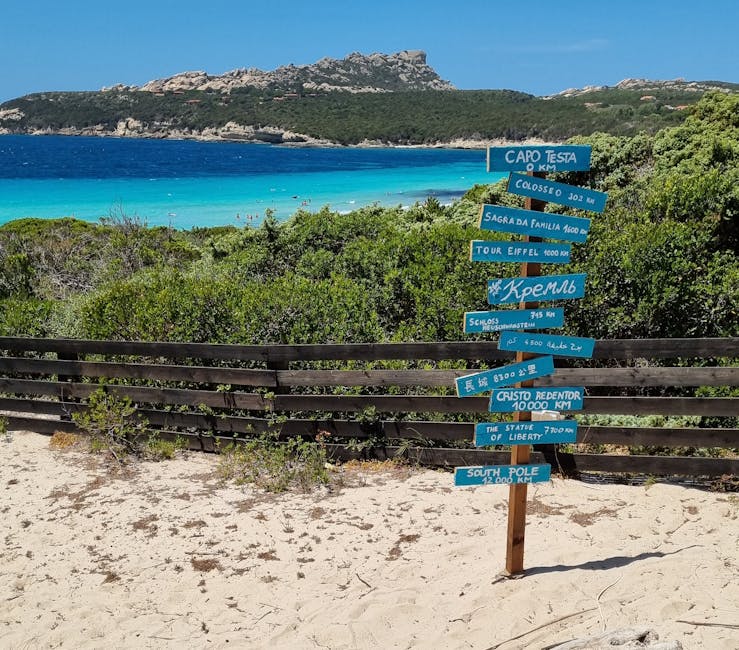
Heading northwest from the Costa Smeralda brings you to Capo Testa, near Santa Teresa Gallura. Capo Testa (Capo Testa Lighthouse, SP90, 07028 Santa Teresa Gallura SS) is famed for wind-sculpted granite formations that offer spectacular sea views and glimpses of Corsica in the distance. Lighthouse address: Capo Testa Lighthouse, SP90, 07028 Santa Teresa Gallura SS. Access is generally free; parts of the promontory are protected, so stick to marked trails.
Cala Spinosa beach and the famous « Valle della Luna » (named for its rounded rocks resembling a lunar landscape) are must-see stops. Park at the Capo Testa car park (approx. €3–€5 per day in high season) and explore the coastal trails on foot—the walks are often easy but wear closed shoes for rocky sections. The best light for photos is early morning or late afternoon, when the sun grazes the granite.
Santa Teresa Gallura (Piazza Vittorio Emanuele, 07028 Santa Teresa Gallura SS) is a charming seaside town ideal for a coffee or gelato stop. The local port offers boat connections to Corsica and excursions around the La Maddalena archipelago. Tourist office hours: in summer often 09:00–13:00 and 16:00–20:00; check locally. The viewpoint at Punta Falcone offers outstanding views of Bonifacio and the Corsican cliffs on clear days.
Recommended beaches: Rena Bianca (Spiaggia Rena Bianca, Lungomare V. Emanuele, 07028 Santa Teresa Gallura) is the town’s main beach—fine sand and shallow waters, great for families. Access and parking: public beach with paid parking nearby €2–€4 per hour. For a wilder experience, Cala Spinosa and Cala Sambuco require a short hike from Capo Testa and reveal nearly secluded turquoise waters.
Practical tips: the road to Capo Testa has tight turns and dramatic viewpoints—watch for motorbikes and cyclists. Bring plenty of water and avoid leaving valuables in plain sight inside your car. Shops in Santa Teresa sell local maps and snorkeling gear (mask + snorkel €10–€25).
La Maddalena archipelago: boat trips, islands to visit and practical info
The La Maddalena archipelago is a group of coral and granite islands of exceptional beauty and is often the highlight of a stay on the Costa Smeralda. The main access point is Palau (Porto di Palau, Lungomare A. Segni, 07020 Palau OT). Palau–La Maddalena ferries typically run from 06:00 to 22:00; approximate fares: foot passenger €6–€10 one way, car €20–€35 one way depending on vehicle size. The crossing takes about 15–20 minutes.
On the main island, La Maddalena (Piazza Ex Bar, 07024 La Maddalena OT), wander the historic center with its colorful houses, small craft shops and waterfront cafés. The main port, Porto della Maddalena, is the gateway to beaches and nearby islets. To tour the archipelago, book a boat excursion (half-day €35–€60, full day €70–€150 depending on boat type and whether lunch is included). These tours reach coves accessible only by sea, including the famed Spiaggia Rosa (Palau/Isola Budelli protected zone—landing on the beach itself is strictly regulated and often forbidden to protect the environment).
La Maddalena Archipelago National Park: parts of the islands are a national park and require respect and caution. Special permits may be needed to anchor in certain bays; local harbormasters provide the necessary information. Park offices on the island offer brochures and maps (check seasonal hours, often 09:00–13:00 / 15:00–18:00 in summer). Protected areas are monitored and fines for violations can be steep (up to several hundred euros).
Beaches not to miss: Spiaggia di Cala Coticcio (Caprera islet, emerald waters, often nicknamed « Tahiti » for its setting), Spiaggia di Spalmatore (panoramic near La Maddalena), and Cala Lunga. Access: some beaches require a short walk after disembarking—bring water, a hat and suitable shoes for the trails. Services on the islands are more limited than on the mainland: bring cash for small purchases and book accommodation well in advance if you plan to sleep on La Maddalena or Caprera.
Boating tips: if you rent a boat, check the weather and authorized anchoring areas; hiring a skipper is recommended for novices (skipper fee roughly €100–€200/day). Fuel stations for boats are located in La Maddalena and Palau; confirm refuelling times in advance.
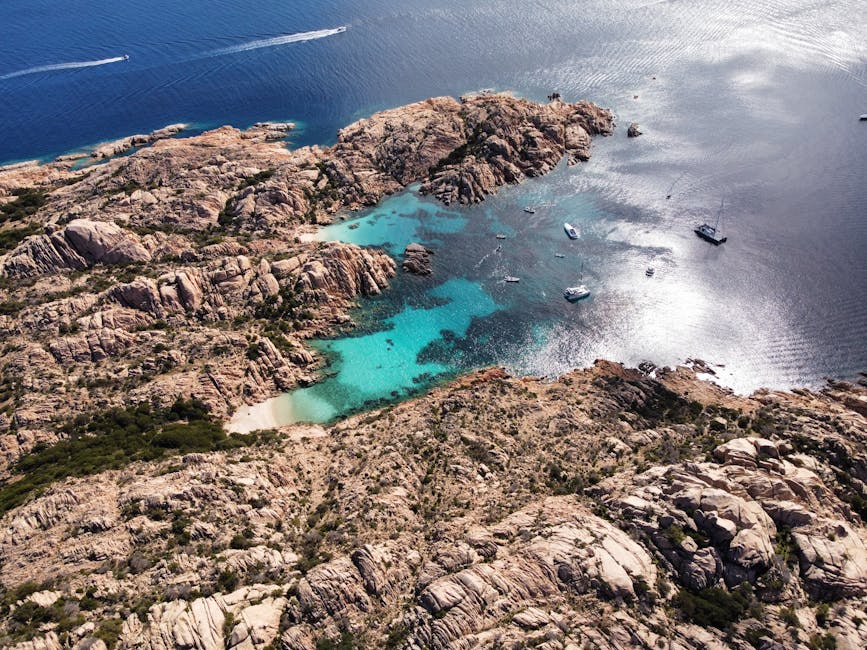
Top beaches and coves along the route (Spiaggia del Principe, Liscia Ruja, Cala di Volpe)
The Costa Smeralda is home to some of Italy’s most photographed beaches. Here’s a detailed selection with addresses, access info and tips to enjoy these spots without getting overwhelmed by crowds.
- Spiaggia del Principe — located near Porto Cervo, reachable via the SP59 and a short path from the main road. Approximate address: Località La Celvia, 07021 Porto Cervo OT. Features: fine sand, clear water, framed by rocks and pine trees. Parking: unofficial parking along SP59 (often €5–€10 per day in summer). Ideal for: snorkeling and sunrise photos.
- Liscia Ruja — one of the longest beaches on the Costa Smeralda, address: Località Liscia Ruja, 07021 Arzachena OT. Very busy in July–August, it offers dunes and calm waters. Public paid parking nearby (about €2–€4 per hour). Tip: arrive early to find shade under the pines and a quieter spot.
- Cala di Volpe — the beach beside the Hotel Cala di Volpe (Loc. Cala di Volpe, 07020 Arzachena OT). Although the beach is public, its vibe is glamorous thanks to the hotel and nearby villas. Parking is limited; aim to arrive early or late afternoon. Food & drink: beach bars nearby offer drinks and snacks (prices €5–€15).
- Spiaggia del Grande Pevero — a small emerald-water beach between Porto Cervo and Baja Sardinia. Address: Località Pevero, 07021 Arzachena OT. Perfect for families and shallow bathing. Sunbed and parasol hire: €15–€30 per day.
General beach advice: most Sardinian beaches are public; however, shore space near hotels may be occupied by paid sunbeds. If you prefer free areas, head to the ends of coves or wander a little along coastal paths. Always carry water and a bag to take your rubbish with you—collection services can be limited in remote spots.
For divers and snorkelers, many entry points have rich marine life: bring a mask, snorkel and water shoes. Gear rentals are available in main villages (rates €10–€25 per day). Also avoid using non-biodegradable sunscreens near marine protected areas to help preserve seagrass meadows.
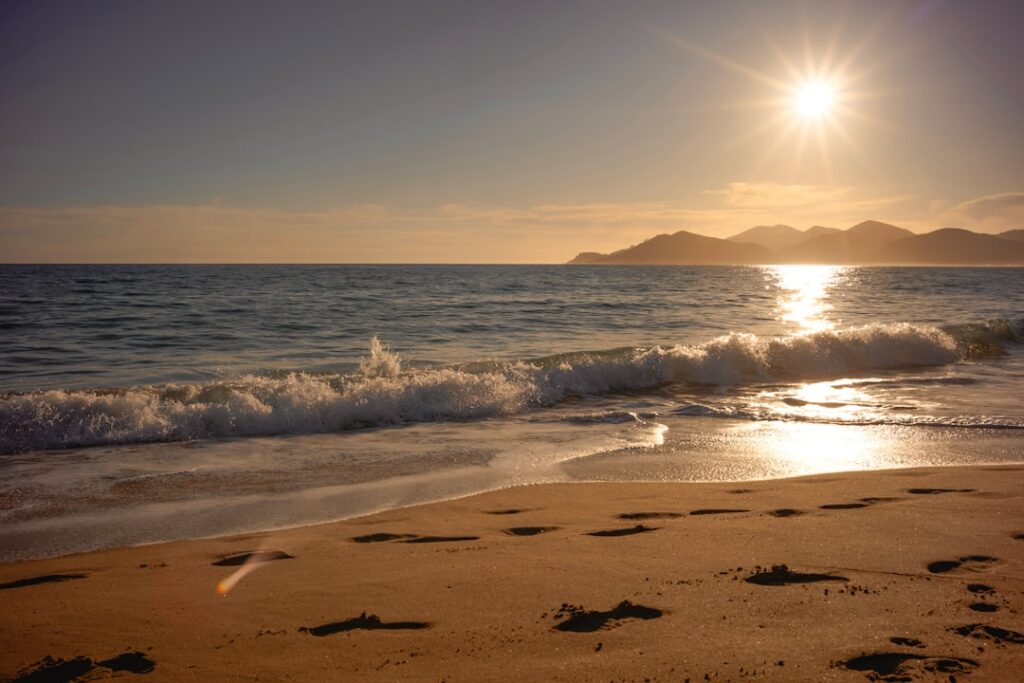
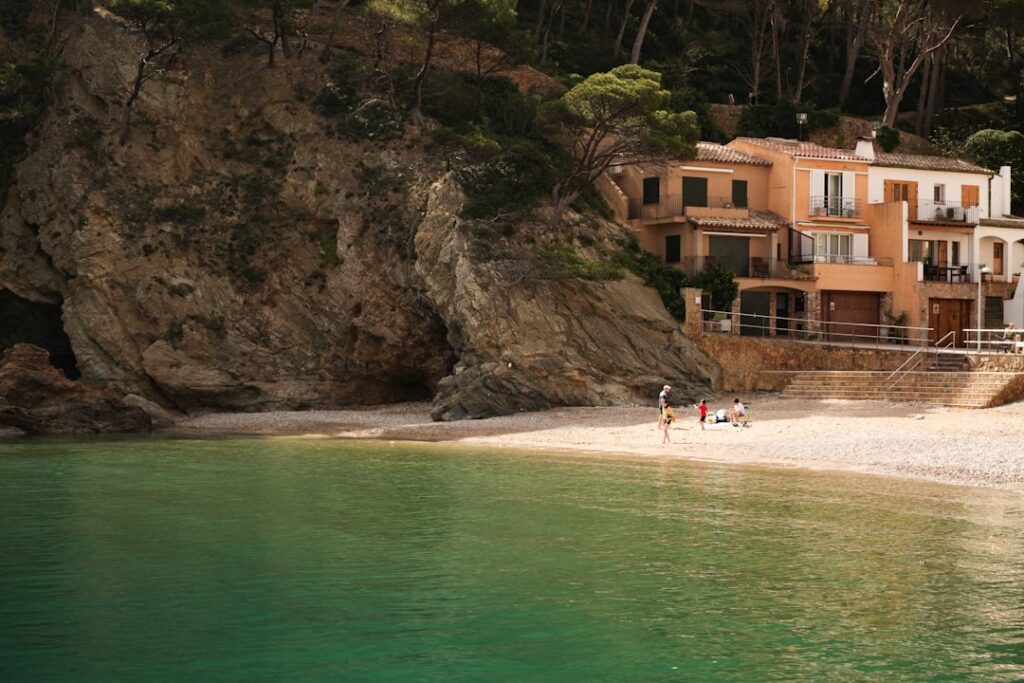
Final practical tips: safety, where to eat, budgets and recommended durations
Safety and health: the Costa Smeralda is generally safe, but take basic precautions: don’t leave valuables visible in your vehicle and obey swimming warning signs. In a medical emergency call 112. Pharmacies (Farmacia) typically open 09:00–13:00 and 16:30–20:00; on-call services are posted in the window.
Where to eat: favor local products—cheeses like pecorino sardo, cured meats (salsiccia sarda), fresh fish and regional pasta (fregola). A few recommended spots:
- Ristorante « Il Pescatore » — Via del Mare 2, 07021 Porto Cervo OT. Hours: 12:00–15:00 / 19:00–23:00. Average prices: dishes €12–€35.
- Trattoria « Da Gianni » — Piazza Vittorio Emanuele, 07028 Santa Teresa Gallura SS. Hours: 12:00–15:00 / 19:00–22:30. Prices: €10–€30 per dish.
- Bar Gelateria « La Maddalena » — Piazza Ex Bar, 07024 La Maddalena OT. Hours: 08:00–22:00. Ice creams €2–€4.
Suggested daily budget: for a comfortable trip, plan €100–€200 per person per day excluding accommodation (meals, fuel, activities). Boat excursions and equipment rentals can raise costs; expect €50–€150 per excursion depending on type.
Recommended durations: to get a satisfying taste of the Costa Smeralda, allow at least 3 days (Olbia – Porto Cervo – Palau – La Maddalena). For a relaxed and thorough exploration, 5 to 7 days lets you include Capo Testa, Santa Teresa Gallura, several beaches and a full day on La Maddalena.
Respecting the environment and local customs: Sardinia is proud of its natural heritage. Take your rubbish with you, avoid fires in summer (high wildfire risk) and respect local wildlife. Many locals speak Italian; tourism staff often speak English and in very touristy spots French is sometimes understood. Also note restaurants may close between 14:00 and 17:00 outside peak season.
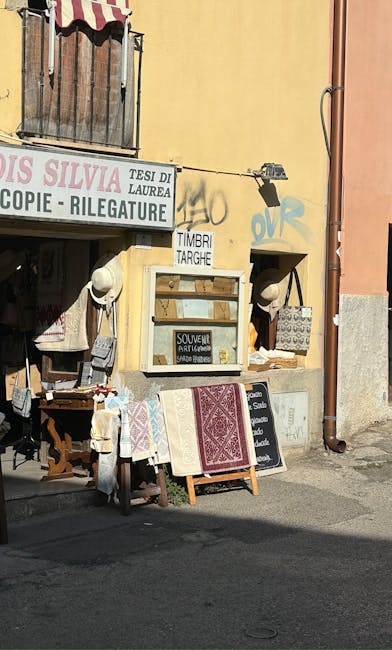
Conclusion
The Costa Smeralda coastal road is much more than a drive: it’s an invitation to slow down, discover and immerse yourself in a sun-drenched, well-preserved Sardinia. Between Porto Cervo and Santa Teresa Gallura every stop reveals a new facet—luxury marinas, deserted beaches, sculpted rocks and villages that seem suspended between land and sea. The itinerary we’ve offered combines cultural highlights, must-see beaches, maritime excursions and practical tips to deliver a complete, safe experience.
Whether you’re a photography enthusiast, a traveler seeking relaxation, a diving fan or a foodie curious about Sardinian flavors, the Costa Smeralda has something to offer. Plan your ferries to La Maddalena, book accommodation well in advance during high season, and take time to wander small lanes to discover local crafts. Respect protected areas, use biodegradable sunscreen and bring a bag for your rubbish: preserving this coastline also depends on each visitor’s behavior.
Finally, remember that the Costa Smeralda’s magic reveals itself when you take your time. Let yourself be guided by the changing light on the granite, the scent of the maquis and the gentle lap of waves on secluded shores. Follow the suggested timings to avoid crowds, explore headlands on foot and uncover secret coves reachable only on foot or by sea. With this detailed guide—addresses, hours, prices and local tips—you now have everything you need to plan a memorable trip along Sardinia’s Emerald Coast. Buon viaggio and buona navigazione—may every turn of the road reveal a new vision of the Mediterranean.