





Introduction: The Pork Sagra in Sardinia — flavors, rituals and communal spirit
The pork sagra in Sardinia is more than a string of meals: it’s a sequence of rituals, age-old techniques and communal moments where food becomes a marker of cultural identity. All over the island, villages come together to celebrate the generosity of the land and family farms through pork — whether porceddu (roast suckling pig), coppa, salsiccia, stuffed porcheddu or aged cured meats. These popular festivals, usually seasonal, let visitors experience genuine culinary practices, recipes handed down through generations, and a conviviality you rarely find on the usual tourist trail.
In Sardinia, pork plays a central role in rural economies and at festive tables. Where vineyards, olive groves and Mediterranean scrub shape the landscape, pork completes the local food chain: it turns leftovers into value, converts local grains and herbs into products that keep, and above all becomes the excuse for communal evenings where families, friends and neighbors gather around the fire. Sagre (plural of sagra) usually take place in the village square, near the town hall or in front of the church, lasting most often a full weekend with music, artisan stalls, local product markets and fixed-price menus.

In this detailed guide we’ll explore the island’s most representative sagre, signature recipes you can reproduce at home, the best spots to taste porceddu or handcrafted charcuterie, and practical tips to make the most of your visit (hours, prices, transport, lodging). You’ll also get insight into how these festivals are prepared: from selecting the pig to the traditional clay oven, through to the art of communal carving. This guide is aimed at a general audience: curious travelers, food lovers, families and tourism pros who want to understand the cultural depth of these gatherings.
Finally, we’ll touch on sustainability and ethics in the sagre: how to choose events that respect animal welfare, favor short supply chains and support small local producers. Sagre aren’t static attractions — they evolve with Sardinian society, often including vegetarian options, labeling that explains product provenance, and educational workshops for kids. Whether you’re spending a week in Sardinia or planning a trip centered on culinary traditions, this guide will help you plan meaningful, budget-smart and memorable visits.
1) Unmissable sagre: addresses, opening times and prices
Here’s a selection of pork sagre in Sardinia chosen for their authenticity, history and the quality of what’s served. For each event you’ll find the full address, typical hours, average meal price and an immersive description so you know what to expect.
-
Sagra del Porceddu – Samugheo
Location: Piazza Municipio, 1, 09086 Samugheo OR, Italy
Hours: 2nd weekend in September, Friday 19:00–23:30, Saturday 12:00–15:00 & 19:00–23:30, Sunday 11:30–15:00.
Price: full porceddu menu €18–€25 (starter + porceddu + sides + local wine). Charcuterie/plate ticket €10.Samugheo, famous for its rugs and crafts, sets up stalls on Piazza Municipio. The porceddu is spit-roasted over slow embers, scented with myrtle and rosemary. You’ll also find pane carasau and pecorino cheese. Expect a very family-oriented atmosphere, with locals bringing homemade desserts and Sardinian troubadours performing traditional songs.
-
Sagra del Maiale – Buggerru
Location: Lungomare Funtanamare, 09010 Buggerru SU, Italy (harbor and beach area)
Hours: late July, 18:30–00:30 on festival nights (three consecutive days).
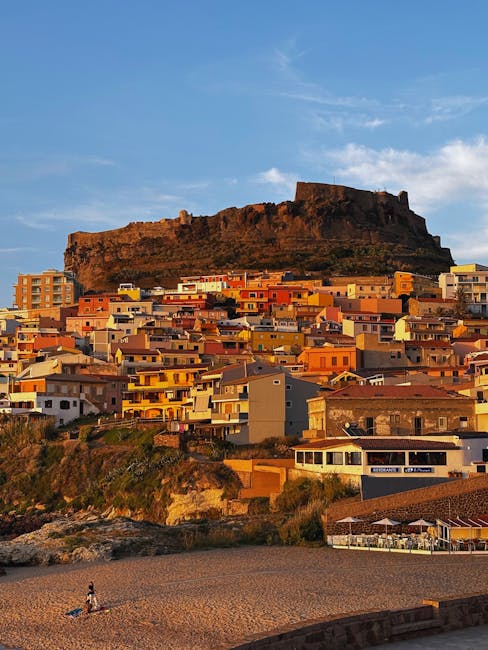
Price: à la carte portions €8–€20 (porchetta sandwich €6, mixed plate €15). Local wine €3 per glass.In Buggerru, by the sea, the sagra blends land and sea: pork skewers, fennel-flavored porchetta, and sometimes a « terra e mare » option (grilled pork + calamari). The Lungomare Funtanamare site overlooks the harbor; outdoor tables, string lights and kids playing on the beach complete the scene.
-
Sagra del Porcetto – Desulo
Location: Piazza Sa Murta, 08030 Desulo NU, Italy (historic center)
Hours: autumn (October), 11:30–15:30 and 19:00–23:00.
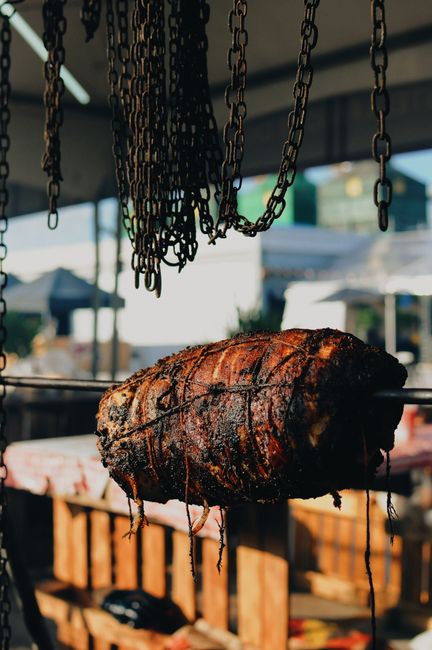
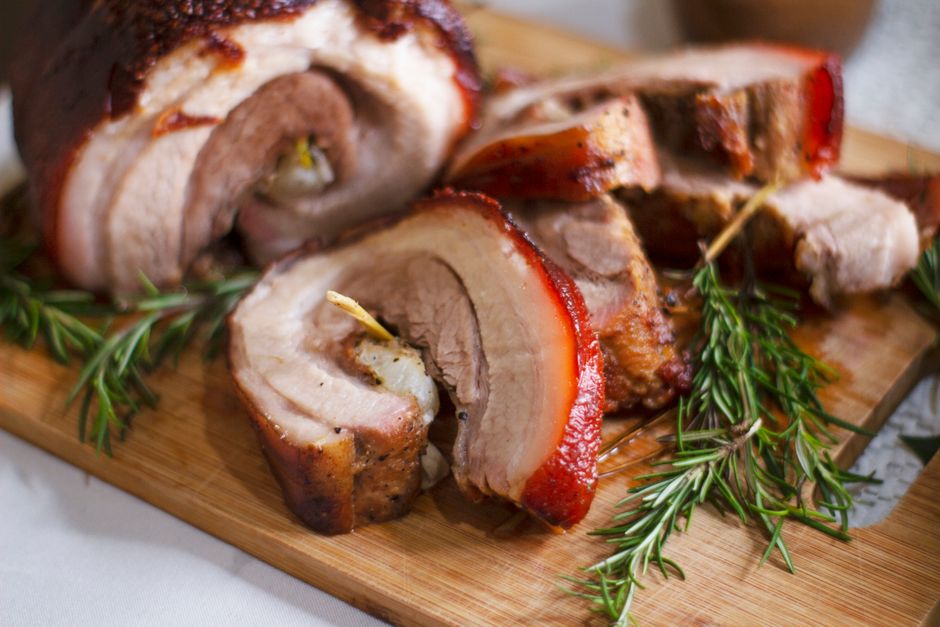
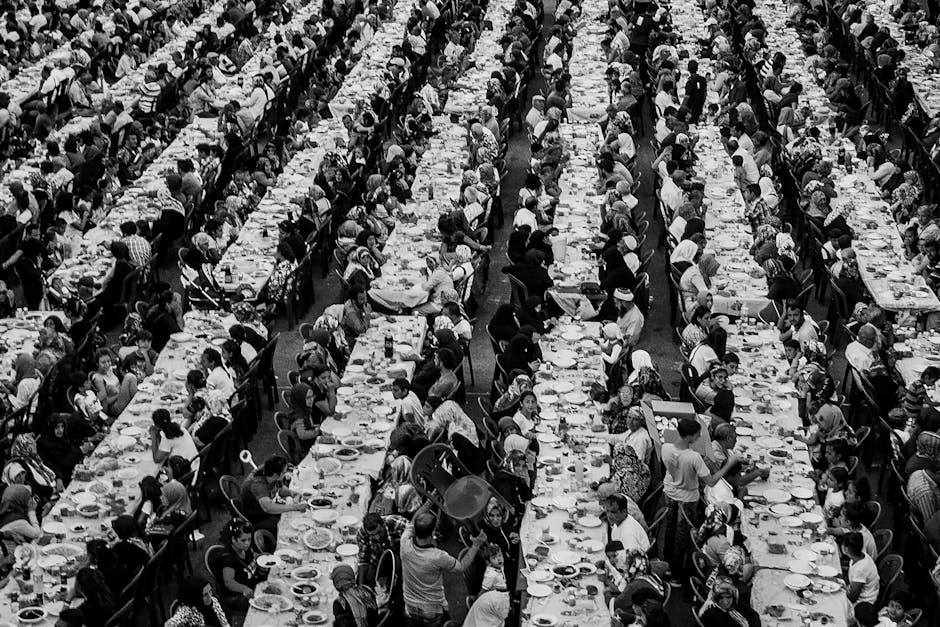
Price: porchetto menu €20 (starter + porchetto + sides + dessert), charcuterie tasting €12.Desulo, in the heart of Barbagia, is known for its pastoral traditions. The sagra takes place on Piazza Sa Murta with long wooden tables. Whole porchettos are slow-roasted and sliced thin; paired with local red wine (cannonau) and roasted root vegetables. The communal carving ritual is a highlight, often narrated by village elders.
-
Sagra del Porceddu – Orgosolo (special patronal feast)
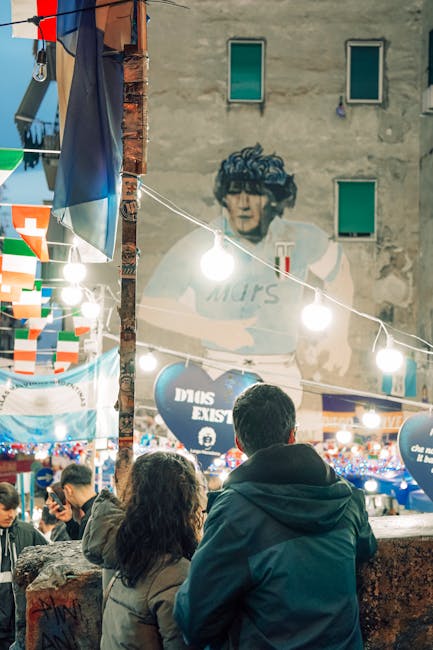
Location: Piazza Italia, 08027 Orgosolo NU, Italy (facing the famous murals)
Hours: variable depending on the patronal feast (usually August), 12:00–15:00 and 20:00–00:00.
Price: porceddu dish €15, full menu with antipasto and dessert €23.Orgosolo is better known for its murals and political history, but its porceddu sagra draws a wide crowd. Night lighting on the murals combined with smoke from wood ovens creates a near-theatrical atmosphere. Visitors relish the complex aromas — myrtle, saffron and local spices — and generous portions.
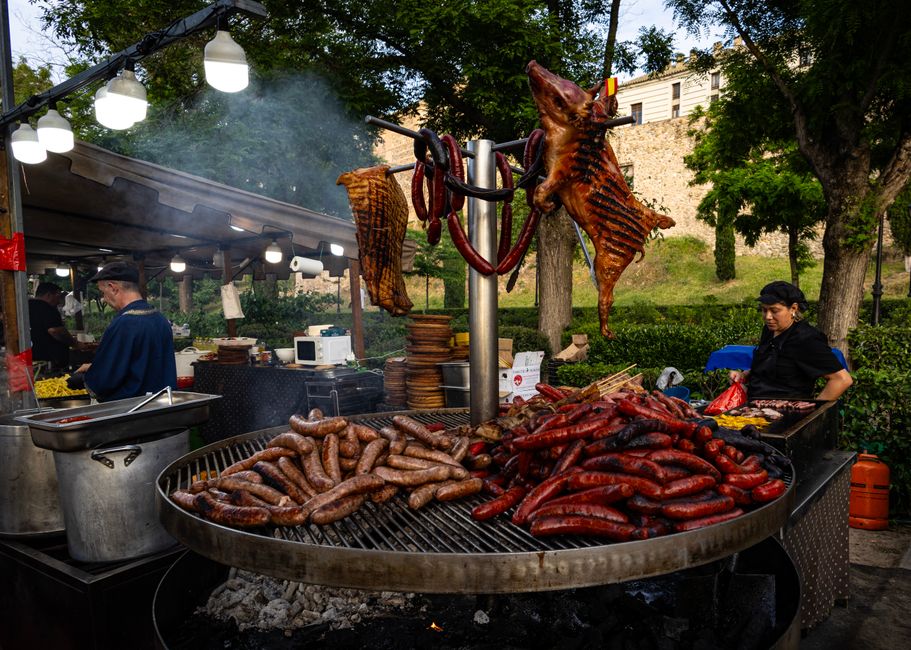
Beyond these main events, many smaller local sagre take place in hamlets like Arzana, Seui, Villagrande Strisaili and Illorai. To find exact dates, check the Regione Autonoma della Sardegna website or the town halls’ Facebook pages: sagre often follow the calendar of religious feasts and harvests (late summer, grape harvests, patronal celebrations). The prices above are averages: always carry some cash for small purchases, as some stalls don’t accept cards.
2) Traditional Sardinian pork recipes: step-by-step and local tips
Recreating a sagra dish at home means understanding the techniques: slow cooking, local aromatics and communal carving. Below are three emblematic recipes with ingredients, detailed steps and tips to keep them authentically Sardinian.
Porceddu (Sardinian roasted suckling pig)
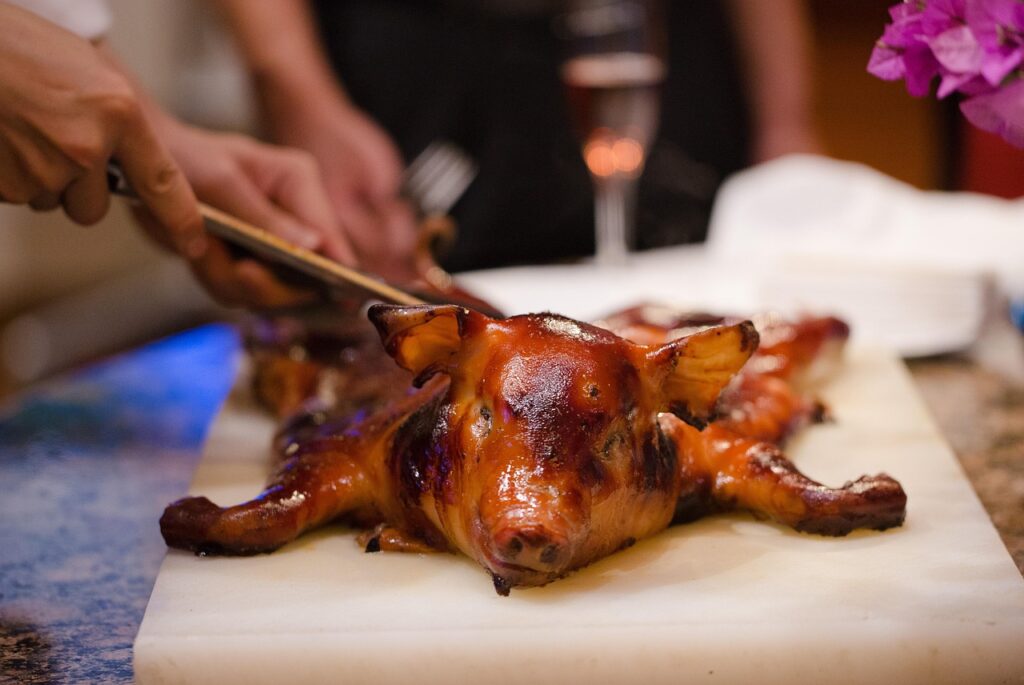
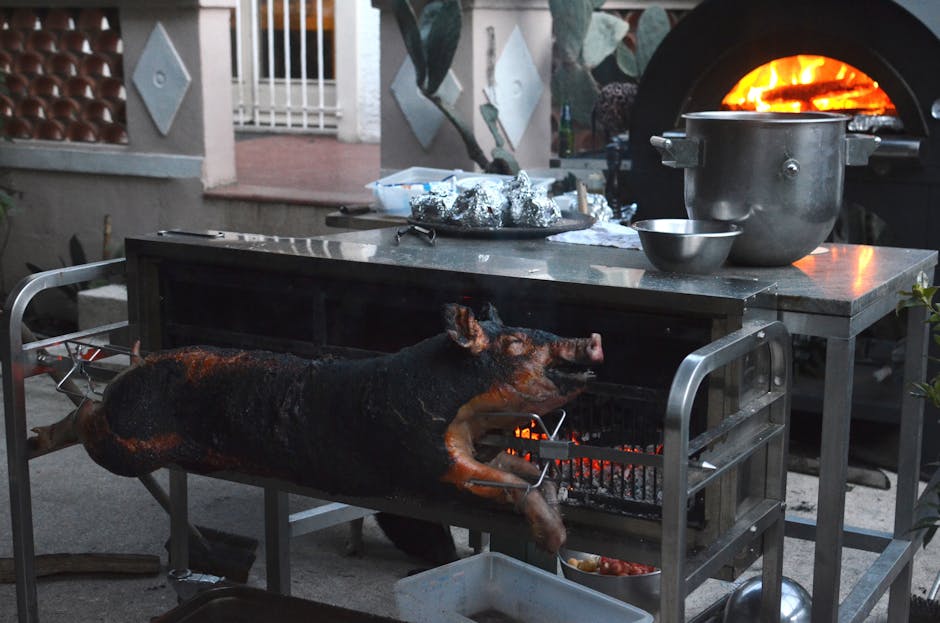
Porceddu is Sardinia’s culinary emblem. Traditionally it’s a young pig roasted whole, sometimes stuffed with local herbs and turned on a spit over a wood fire.
- Ingredients (for 6–8 people): 1 porceddu weighing 5–7 kg (if unavailable, use a milk-fed pig or half a suckling pig), 150 g fresh myrtle (or 50 g dried), 60 g sea salt, 30 g cracked black pepper, 100 ml extra virgin olive oil, 3 sprigs of rosemary, 4 garlic cloves, 200 ml dry white wine (optional).
- Preparation: clean and dry the animal. Rub the cavity with salt, crushed garlic and myrtle. Let it marinate 2–6 hours. Coat the exterior with olive oil and sprinkle salt and pepper. Mount on a spit above embers of oak or mirtu (Sardinian wood) and roast 4–6 hours over low heat, basting regularly with white wine and juices.
- Local tips: Sardinians often use a « fornaceddhu » (clay oven) or myrtle wood for extra aroma. The skin should turn crackling crisp — that’s the sign of success. Plan roughly 1 hour per kilo at low temperature.
Grilled salsiccia sarda and pane carasau
Salsiccia sarda, often scented with fennel and sometimes chili, is a sagra staple. It’s served grilled alongside pane carasau, the island’s thin, crispy flatbread.
- Ingredients: 1 kg salsiccia (lean pork + fat mix), 10 g chopped wild fennel, salt, pepper, pane carasau (4–6 sheets), olive oil.
- Cooking: grill the sausages over high heat for 12–15 minutes, turning regularly. Serve with pane carasau rubbed with garlic, drizzled with olive oil and garnished with a few fresh myrtle leaves.
- Tip: for an authentic Sardinian version, ask your butcher for the traditional spice blend (fennel, black pepper). Typical sagra portion cost: €6–€9.
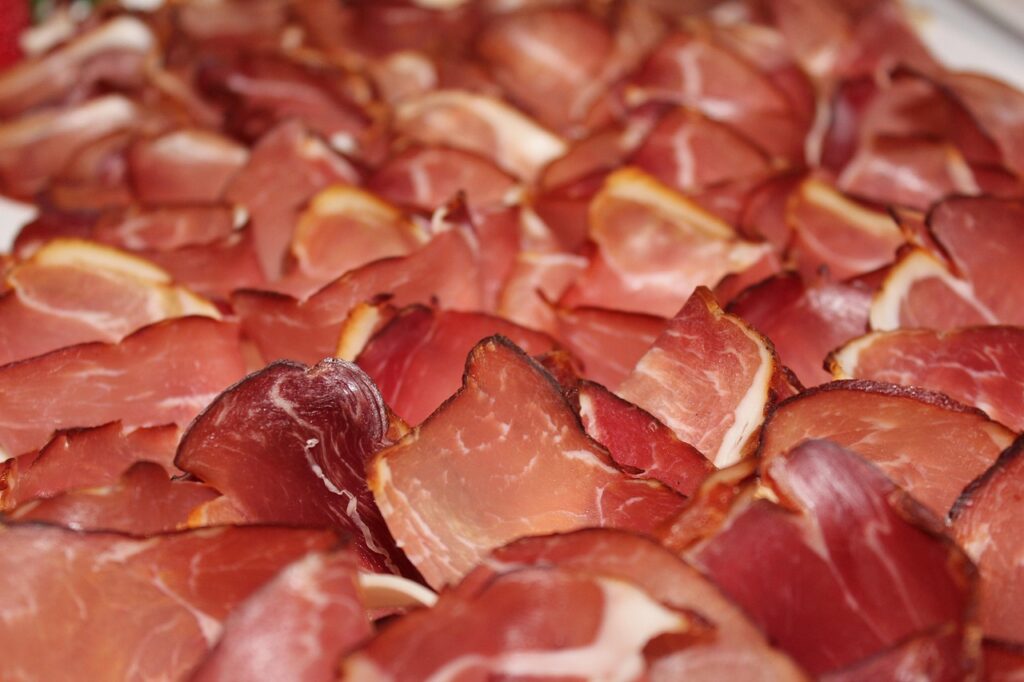
Coppa sarda (aged) and charcuterie platter
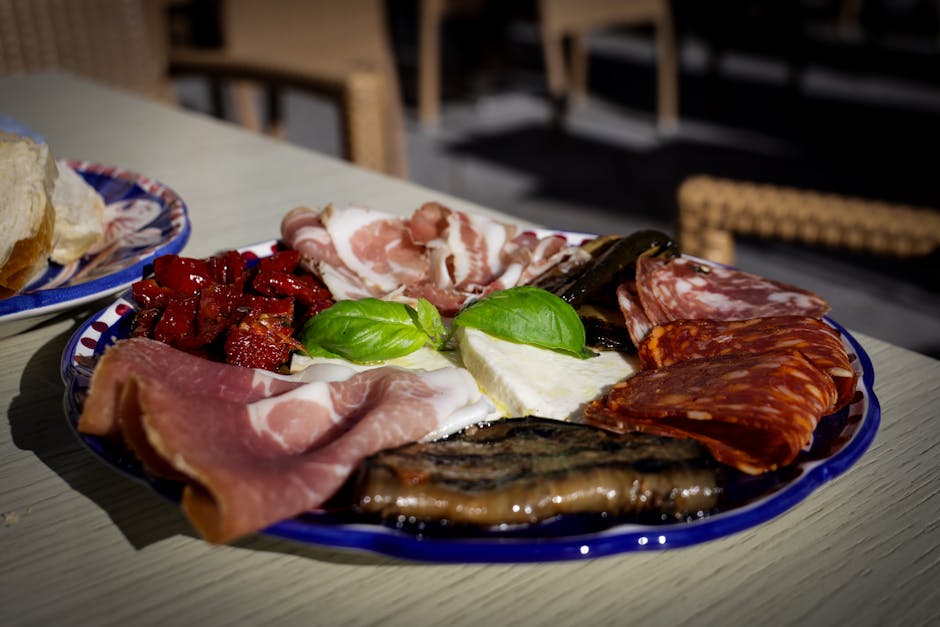
Sardinian cured meats are the result of slow aging: coppa, prosciutto sardo, pancetta and lonzu. At a sagra you’ll often find shared platters.
- Buying advice: favor local producers marked with a « Prodotto Tipico » sign and ask about origin (farm or small abattoir). At the sagra, a tasting plate usually costs between €8 and €12.
- To start: serve with local onion jam, corbezzolo (arbutus) honey and young or aged pecorino cheese.
Scale quantities to your guest list. At a sagra portions are generous, and the spirit of sharing means you’ll want to try everything: arrive hungry, but ready to share the feast.
3) Conviviality and customs: how a sagra unfolds and how to take part respectfully
Attending a sagra means entering a socially coded space: there are unwritten rules — arrive early, be prepared to share tables, greet the organizers and respect food traditions. Here’s a practical guide to blending in without missteps.
- Arrive early: sagre often have lines right at opening. For Samugheo’s Sagra del Porceddu, for example, tables fill from 19:00. Arriving between 18:30 and 19:00 will usually secure a spot without a long wait.
- Reservations and tickets: some sagre (especially in smaller villages) hand out tickets in advance at the town hall (Comune). Example: in Desulo, the local Pro Loco sells tickets at the Centro Polifunzionale, Via Roma 5, 08030 Desulo NU, Italy — morning sales 09:00–12:00, tickets €20 for the full meal.
- Dress and conduct: casual clothing is fine, but avoid beachwear for town center evenings. Respect quiet hours after midnight in small villages.
- Sharing: carving the porceddu is often a communal act led by a local « maestro. » Let them take the lead, offer help serving plates or carrying trays.
- Tips: not usually expected but appreciated. A few euro for the kitchen team or Pro Loco is always welcome.
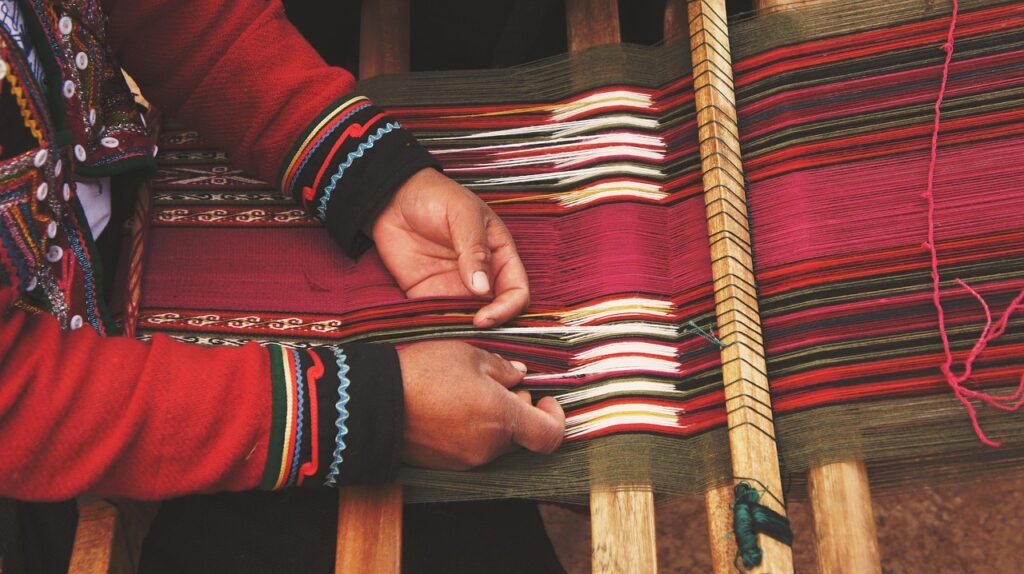
Sagre are also marketplaces of exchange: local artisans sell textiles, ceramics and regional products. In Samugheo, weaving workshops open their doors (via Garibaldi, 12 — workshops open 09:00–13:00 / 16:00–19:00 during the sagra); hand-made rug prices range €50–€300 depending on size. Take the chance to bring home authentic souvenirs and connect directly with producers.
Finally, respect the environment: don’t leave litter and favor reusable cups. Many sagre now set up recycling points; if there aren’t any, ask the organizers where to dispose of packaging.
4) Practical logistics: getting to the sagre, where to stay and budget tips
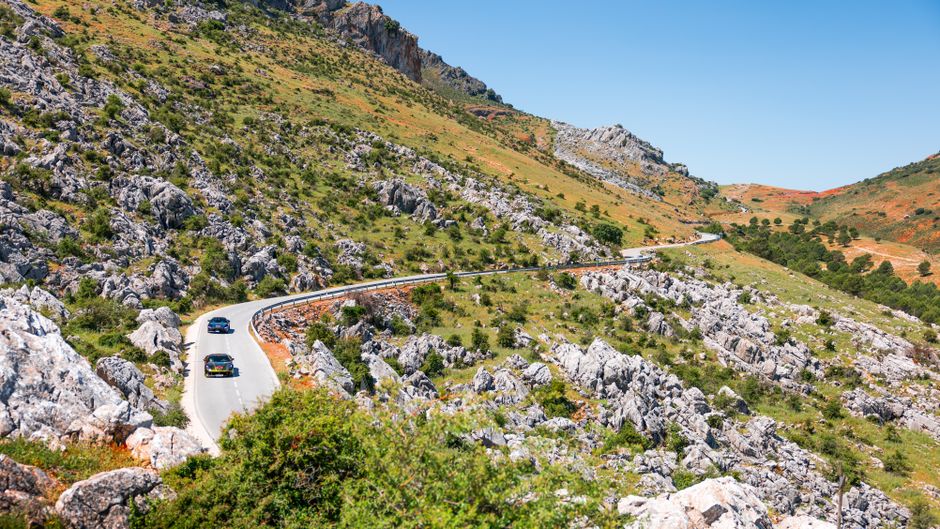
Planning travel in Sardinia takes some thought: some sagre occur in rural areas with limited public transport. Here are concrete recommendations — lodging addresses, transport options and a sample budget.
Transport
- Car: the most flexible option. Rent at Olbia Costa Smeralda Airport (Aeroporto Olbia Costa Smeralda, Località Aeroporto, 07026 Olbia OT). International agencies present (Hertz, Europcar, Avis). Economy rentals roughly €40–€60/day off-season, €80+ in high season.
- Buses and shuttles: ARST (Azienda Regionale Sarda Trasporti) lines serve Samugheo and Orgosolo. Check timetables at www.arst.sardegna.it (schedules vary; some routes run only morning/evening).
- Taxis and private transfers: to reach Desulo from Nuoro expect about €50–€80 for the trip (~50 km); book ahead during festival periods.
Recommended lodging
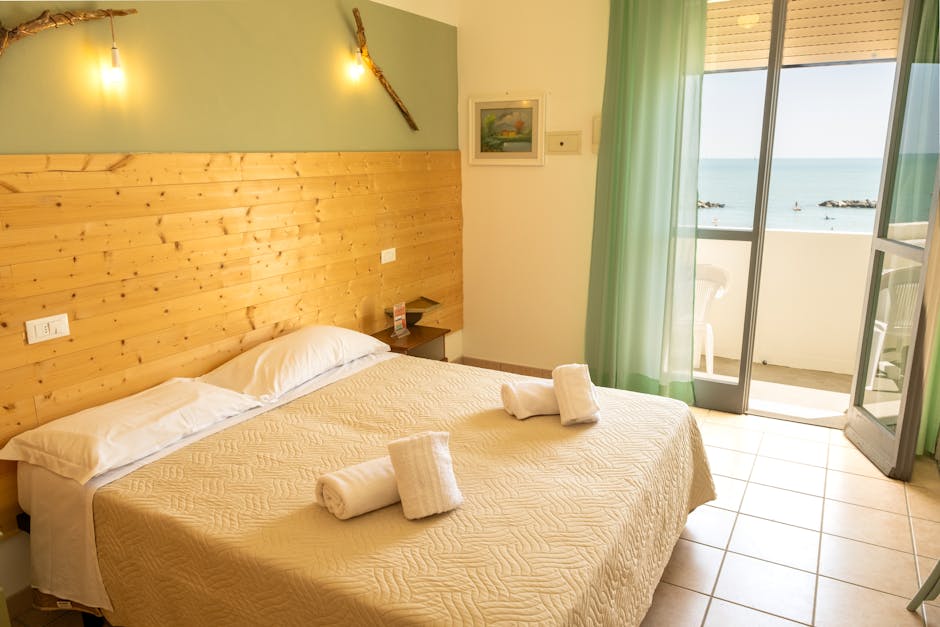
- Hotel Regina Margherita — Via Regina Margherita 1, 07026 Olbia OT, Italy. Double rooms €70–€130/night depending on season. 24-hour reception, breakfast included 07:30–10:00. Good base for northern sagre and Costa Smeralda excursions.
- Agriturismo Su Barraccu — Località Su Barraccu, 09086 Samugheo OR, Italy. Double room + dinner €60–€90/night. Farmstay offering local products and traditional dishes — ideal for those seeking an immersive experience near the Sagra del Porceddu.
- B&B Sa Murta — Via Sa Murta 3, 08030 Desulo NU, Italy. Double room €50–€70/night. Family-run welcome, breakfast with local products (honey, pane carasau, cheeses).
Estimated budget
- Meals at a sagra: €8–€25 per person depending on the menu.
- Event entry or performances: often free, sometimes €5–€10 for organized concerts.
- Handmade souvenirs: €10–€150 depending on the item (small baskets vs traditional rugs).
- Local transport (bus): €2–€10 per trip, car rental €40–€100/day.
Book accommodation early in high season and around patronal feasts (August–September). Many Sardinians living abroad also return in summer, pushing prices up and reducing availability. If you’re traveling in a group, coordinate carpooling to cut costs and ease travel between villages.
Conclusion: living tradition and shared pleasure
The pork sagra in Sardinia is far more than a tasting: it’s the intersection of rural history, culinary know-how and deeply rooted sociability. Wood-roasted porceddus, platters of aged charcuterie and long shared tables reflect both the islanders’ love of good food and their generosity. Whether set on Samugheo’s Piazza Municipio, Buggerru’s Lungomare or Desulo’s Piazza Sa Murta, these festivals offer a sensory spectacle — smoky aromas, crackling textures, songs and conversations — that leaves a lasting impression.
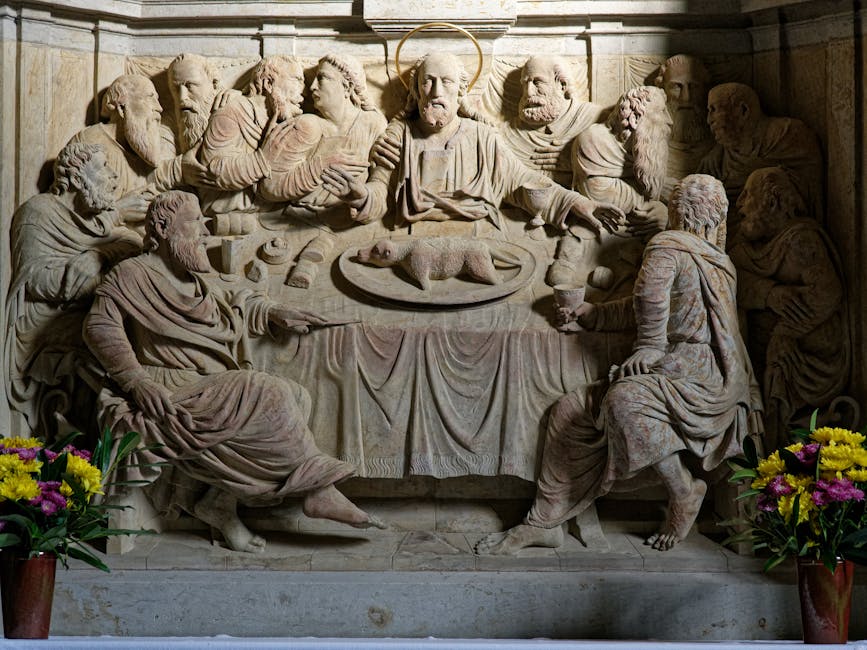
For visitors, the experience requires a bit of preparation: know the dates, book lodging, arrange transport and set a budget. The payoff is significant: access to intact recipes handed down through generations and the chance to share simple, authentic moments with locals proud of their heritage. Respect local norms — arrive on time, join in the sharing, avoid waste — and you’ll be welcomed into these rituals with warmth and admiration.
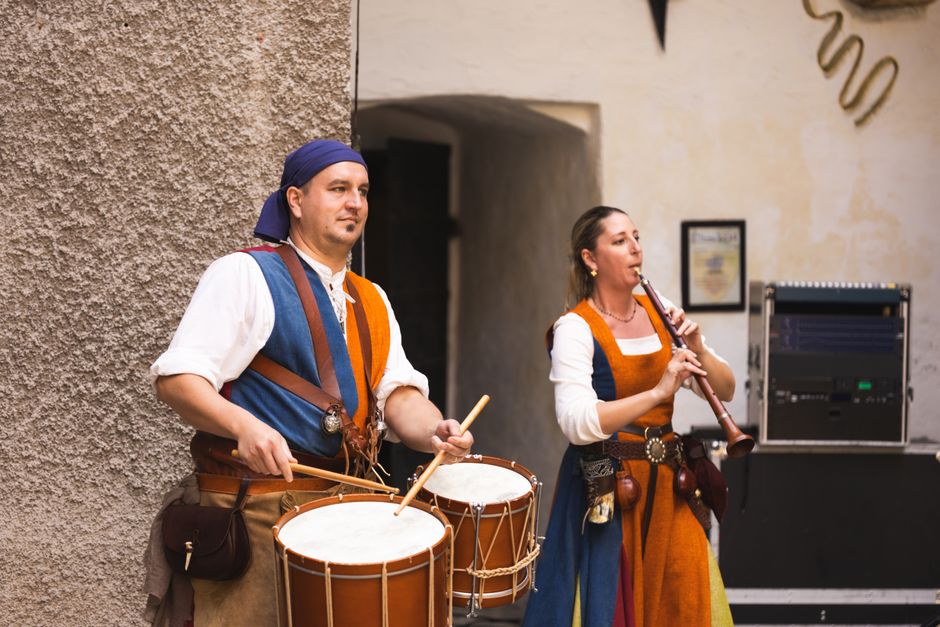
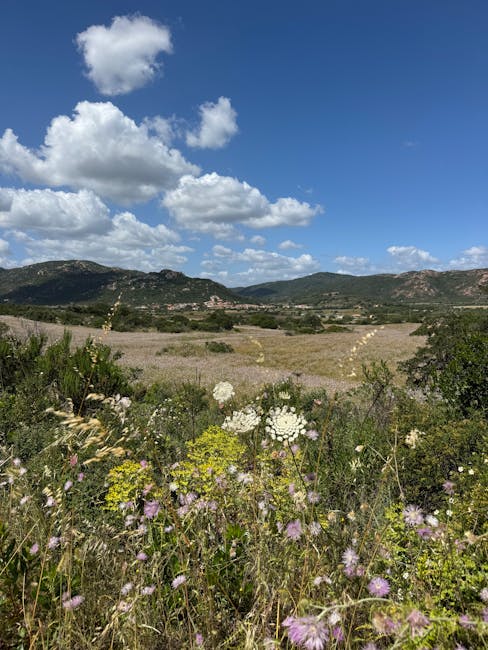
Lastly, the pork sagra invites further discovery: visit Samugheo’s craft workshops, taste cannonau and vermentino wines that pair beautifully with these dishes, and enjoy the landscapes — mountains, plains and coasts — that give Sardinian cuisine its singular character. Whether you’re a demanding foodie, a photographer chasing dramatic shots, or a family after a memorable evening, Sardinia’s sagre offer a window onto a living, generous and welcoming culture. Note the addresses and times in this guide, but stay flexible: the beauty of sagre often lies in the unexpected — the chance encounters and the surprises. Happy gastronomic travels in Sardinia — Buon appetito e bona festa!