





Introduction — Understanding Sardinian appellations to spot a great cru
Sardinia is an island of contrasts: sun-drenched coasts, rugged inland mountains, stone villages and—most importantly—wines with bold personalities. Spotting a true Sardinian great cru takes more than just taste: you need to understand the appellations, know the terroirs, visit the cellars and be able to read a label. This practical guide drops you into the heart of Sardinia’s appellation system, covering viticultural practices, the key places to taste and compare, and the tools to sharpen your palate.
On the island, the appellation (commonly DOC — Denominazione di Origine Controllata — and in some regions DOCG) signals origin and quality. But a label alone isn’t enough: the producer’s know-how, vineyard altitude, microclimate and grape varieties (cannonau, vermentino, carignano, etc.) all shape a wine’s pedigree. Our approach is hands-on and local: we list concrete addresses, opening hours, price ranges and give clear tips to evaluate wines in situ.
This guide isn’t just a directory of wineries. It explains how to read terms like “Riserva,” “Superiore,” “Vecchio” or “Classico,” how to spot exceptional terroirs (coastal sands vs. mountain limestone), and where to do comparative tastings to detect the finesse of a great cru. You’ll also find practical recommendations—what glassware to ask for, ideal serving temperatures, and pairing tips with local staples like pecorino cheese, pane carasau and Sardinian black pork.
Whether you’re a curious traveler, a seasoned wine lover or a wine professional, this guide will help you recognize the signatures of Sardinia’s top producers. We include exact addresses of wineries and tasting venues, their hours, tasting and bottle price ranges, and visiting advice. Through the sections you’ll learn how to combine vineyard visits, technical tastings and culinary discovery to confidently identify a Sardinian great cru.
1. Key Sardinian appellations and what they mean
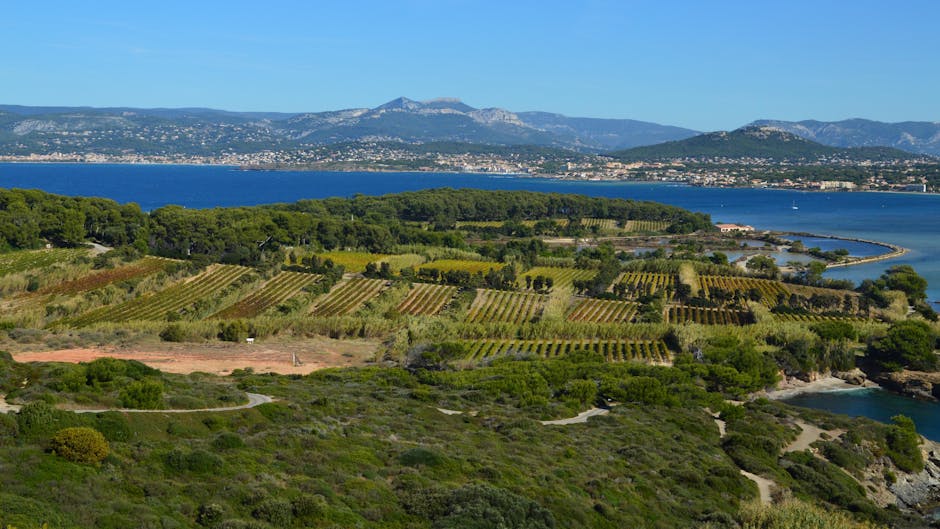
Several appellations organize Sardinia’s wine production. The best-known include Vermentino di Sardegna DOC, Vermentino di Gallura DOCG, Cannonau di Sardegna DOC, Malvasia di Bosa DOC and Carignano del Sulcis DOC. Each comes with regulatory rules (authorized grapes, yields, ripening periods) that directly affect quality.
The DOCG Vermentino di Gallura (one of the island’s few DOCGs) is often linked to the most structured, age-worthy wines. It covers the northeast, notably around Olbia and Tempio Pausania. Vermentino di Gallura DOCG wines must meet strict yield and maturation rules, usually ensuring greater aromatic concentration.
The Cannonau di Sardegna DOC is the main red appellation. Cannonau (the local name for grenache) can produce light, fruity wines or—when coming from old, well-exposed vines—powerful, tannic wines capable of aging. Look for labels stating “Riserva” (generally longer aging) or vineyard-specific mentions (“cru,” “vigneto”) to spot exceptional bottles.
Carignano del Sulcis DOC, in the southwest near Carloforte and Calasetta, yields robust reds on sandy-clay soils blown by the sea breeze. Salty soils and intense sunshine concentrate flavors and create dense, saline wines—a good sign of a great cru when alcohol-acid balance is kept in check.
Finally, Malvasia di Bosa DOC and other white and sweet wine appellations illustrate the island’s diversity. To recognize a great cru, watch for: 1) precise origin indications (municipality, cru), 2) the words “Riserva” or “Selezione” and 3) the producer’s reputation (offers guided visits, price positioning). Sensory-wise, a great cru stands out by persistent aromatic intensity, seamless oak integration, lively acidity and a notable finish.
2. Visiting estates: addresses, opening times and must-do tastings
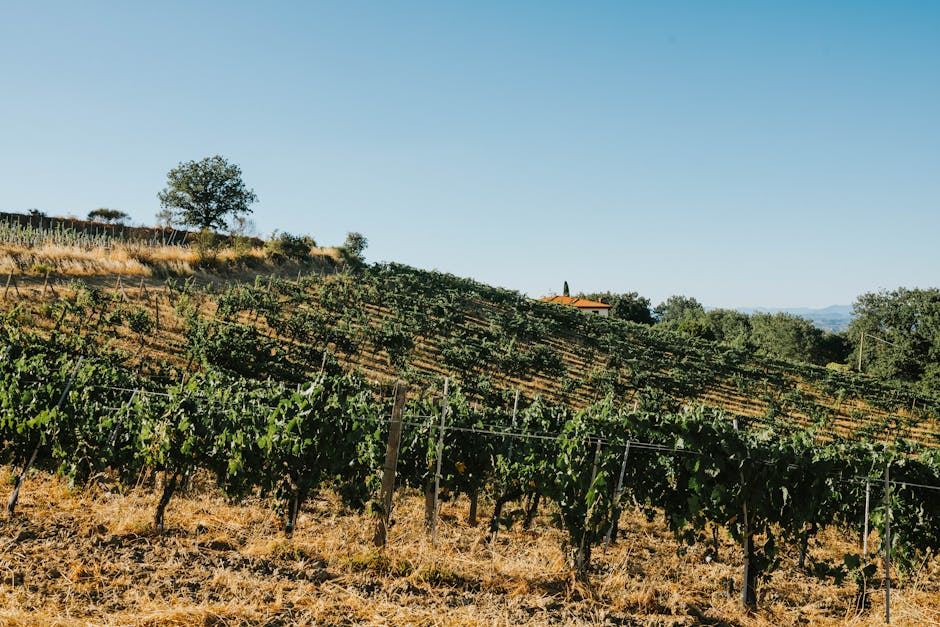
Nothing beats being on site to judge a great cru. Here are a few wineries and cellars where the experience is thorough: warm welcomes, vineyard tours and technical tastings with transparent labelling.
- Cantina Argiolas — Via Municipio 1, 09040 Serdiana CA. Hours: Mon–Fri 09:00–18:00, Sat 10:00–16:00 (closed Sun). Guided tasting: €20–35 per person. Full visit (vineyards + cellar + 4 wines): €40–60 per person. Argiolas offers vermentino, cannonau and age-worthy wines; book at +39 070 719 040 or email [email protected].
- Sella & Mosca — Località Sella & Mosca, 07041 Alghero SS. Tasting room hours: daily 09:30–18:30. Standard tasting: €15 (3 wines), premium tasting €30 (6 wines). Tours of the estate’s history and historic vineyards are available. Back-office and shop address: Via Sella, 07041 Alghero SS.
- Cantina di Dolianova — Strada Statale 387, Km 1, 09041 Dolianova CA. Hours: Mon–Fri 09:00–17:00, Sat 10:00–14:00. Tastings: €10–25. Specialties: cannonau- and monica-based red wines.
Use these addresses as starting points: when you visit, always ask for a vertical tasting (the same cuvée across several vintages) to appreciate bottle evolution—that’s one of the best tests for a great cru. Typical bottle price ranges: €8–20 for entry-level wines, €20–50 for higher-tier cuvées, and beyond €50–100 for collector’s cuvées and Riserva bottlings.
Local tip: arrive early (between 09:30 and 11:30) to see vineyards in morning light, and plan tastings in the late afternoon for food-pairing sessions. Ask for a plate of local products—fresh pecorino, aged cheeses, cured meats and pane carasau—to better understand the terroir-wine synergy.
3. How to taste and evaluate a Sardinian great cru: method and criteria
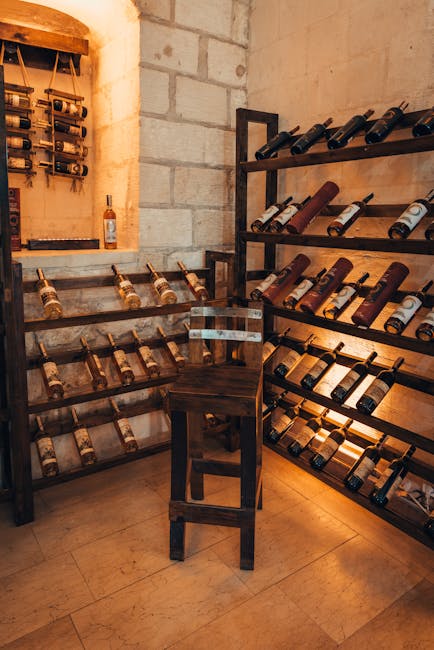
Distinguishing a great cru calls for a structured method. Start with the visual: color, intensity and viscosity. A Sardinian great cru can show deep color without opacity; hue gives clues about age and grape ripeness. Move to the nose: primary aromas (fruit), secondary (fermentation, lees) and tertiary (oak, bottle aging).
On the palate evaluate: 1) acidity—vital for freshness and aging potential; 2) tannins—for reds, texture and tannin finesse often separate high-quality wines; 3) alcohol-sugar-acidity balance; 4) aromatic complexity and length (measured in seconds). A great cru delivers a long aromatic persistence, often with a blend of spices, ripe fruit, saline minerality (especially in coastal wines) and an elegant woody note when oak is well managed.
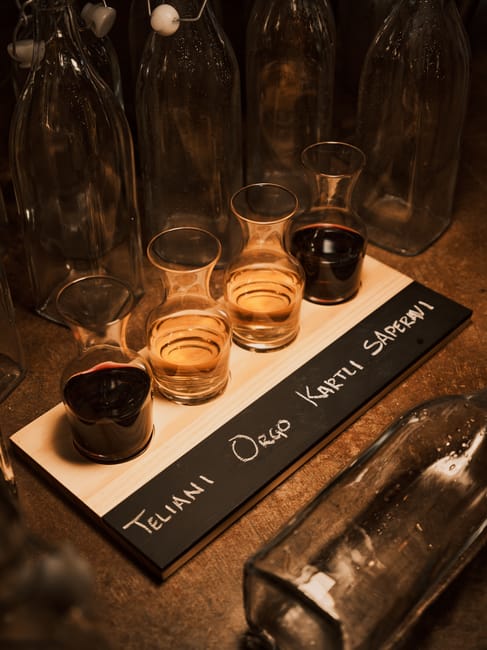
Practical tips: use a clear tulip-shaped glass (INAO style) and serve whites at 8–12 °C (Vermentino 10–12 °C), reds at 14–18 °C (lighter Cannonau 14–16 °C, more structured cuvées 16–18 °C). Take structured tasting notes: appearance, nose (intensity, range), palate (attack, mid-palate, finish), overall impressions. Learn to compare several cuvées side by side within the same appellation—that’s the best way to spot a producer’s or a terroir’s signature.
Local advice: ask whether the winery uses natural fermentations, amphora aging or barrels. Amphorae can highlight fruit purity and minerality—common in some Sardinian producers—whereas well-managed oak brings integrated vanilla or spice tones. Finally, consider value for money: a Sardinian great cru can be surprisingly affordable compared to other regions, but true value lies in complexity and aging ability.
4. Recommended wine routes and oenotourism experiences in Sardinia
To build your own Sardinian great-cru itinerary, combine winery visits, restaurants and walks through the terroirs. Here are practical routes and concrete experiences to plan, with addresses and hours to help you organize.
- Northeastern route — Vermentino di Gallura: base yourself in Olbia (Piazza Matteotti, 07026 Olbia OT). Visit Tenute Olbios (Via Tempio Pausania, Località Monti, 07026 Olbia OT): tastings by reservation, €20–45. Continue to Vigne di Tempio (Via Gallura 12, 07029 Tempio Pausania SS), cellar open by appointment, tastings €15–40, and finish with lunch at Ristorante Il Pescatore — Lungomare Dante, 07026 Olbia OT — for seafood-and-vermentino pairings (dishes €12–30).
- Southwestern route — Carignano del Sulcis: base in Carbonia (Piazza Marmilla, 09013 Carbonia CI). Visit Cantina Santadi — Località Santadi, 09010 Santadi SU (Hours: Mon–Fri 09:00–17:00; tastings €15–35). Lunch suggestion: Trattoria da Peppino, Via Roma 5, 09010 Santadi SU (dishes €10–22).
- Central-south route — Cannonau and traditions: base in Nuoro (Piazza Sebastiano Satta, 08100 Nuoro NU). Taste at the Consorzio Vini di Nuoro (Via Grazia Deledda 42, 08100 Nuoro NU): collective tastings and workshops (€10–25). Explore small producers around Orgosolo and the Barbagia mountains for powerful wines and pastoral landscapes.
Practical: always book tastings 24–48 hours in advance, especially in high season (June–September). Opening hours for restaurants and wineries vary—many close between 13:30–16:00 for the lunch break and reopen in the evening around 19:30. In winter, many places reduce hours. Rely on local tourist offices (e.g. Ufficio Turistico Olbia, Via Dante Alighieri 9, 07026 Olbia OT, open 09:00–13:00 and 16:00–19:00) to confirm hours and availability.
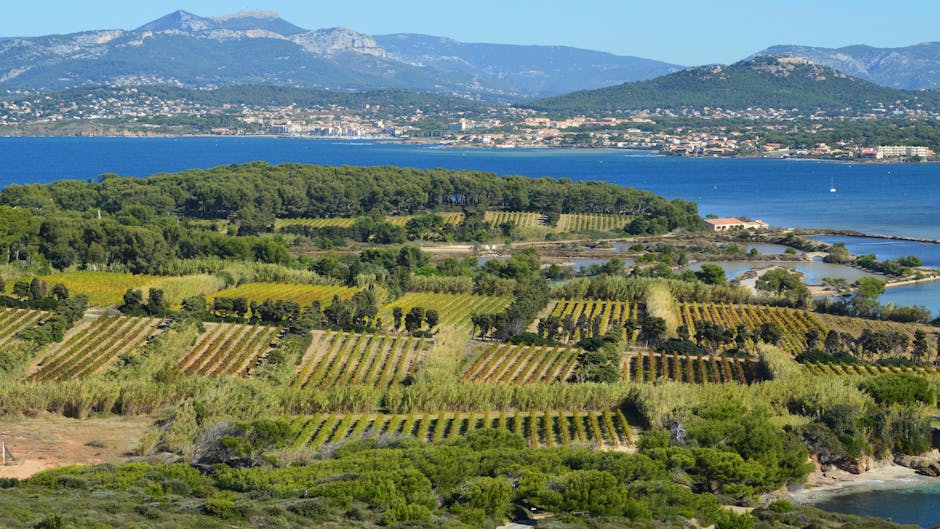
Also combine tastings with cultural experiences: visit nuraghi, the beaches of Porto Cervo or Alghero, and local markets where you can buy artisan products to pair with wines. Leave some flexibility in your schedule: the time spent chatting with a winemaker often reveals more than any technical sheet.
Quick local tips
- Transport: rent a car—wineries are often outside urban centers.
- Booking: call or write 48 hours ahead; summer weekends get busy.
- Payment: bring cash and cards; some tastings accept cash only.
- Purchases: €10–25 for everyday buys, €30–100 for special cuvées—always ask about shipping if you’re traveling.
Conclusion — Knowing how to recognize and enjoy a Sardinian great cru
Recognizing a great cru in Sardinia combines technical knowledge, sensory experience and human encounters. Appellations and legal mentions give a first clue, but true assessment comes from visiting terroirs, listening to winemakers and tasting comparatively. A fine grasp of appellations—Vermentino di Gallura DOCG, Cannonau di Sardegna DOC, Carignano del Sulcis DOC, etc.—will help you target origins and styles with great potential.
On your wine-travel adventures, prioritize vertical tastings and guided tours that open up the winemaking process. Keep the addresses and hours in this guide handy for efficient stops: Cantina Argiolas in Serdiana, Sella & Mosca in Alghero, Santadi in the Sulcis, and many small producers in Barbagia and Gallura. The price ranges listed (tastings €10–60, bottles €8–100 and up for collector’s cuvées) are benchmarks, but quality should always trump price tags.
Above all, stay curious and patient: talk with producers, taste multiple vintages, test local pairings and take notes. A Sardinian great cru is as much about prolonged aromatic persistence as it is about a wine’s ability to tell a story—of a terroir, a climate, a winemaker. With repeated recognition you’ll start to pick out signatures: a marine salinity, a distinctive tannic structure, an altitude-driven vermentino freshness. That repeated recognition turns tastings into expertise.
Whether you’re sipping on a terrace overlooking the sea in Alghero or in a cool cellar under the hills of Gallura, Sardinia offers unparalleled opportunities to discover authentic, powerful wines. Use this guide to better understand appellations, plan your visits and—most importantly—enjoy finding and savoring Sardinia’s great crus.