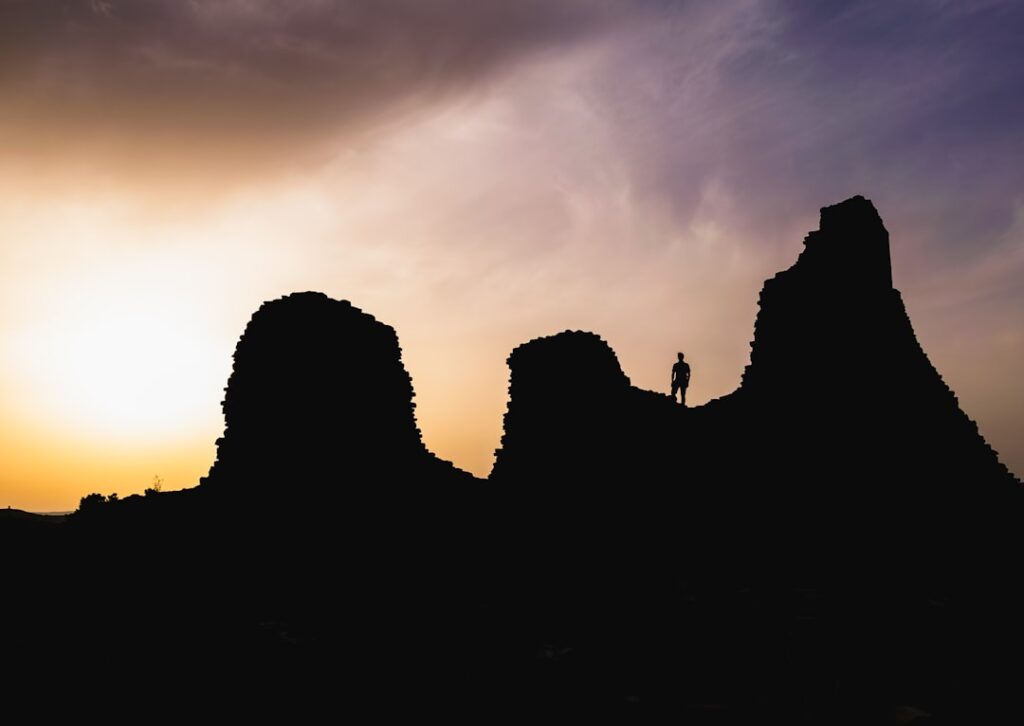
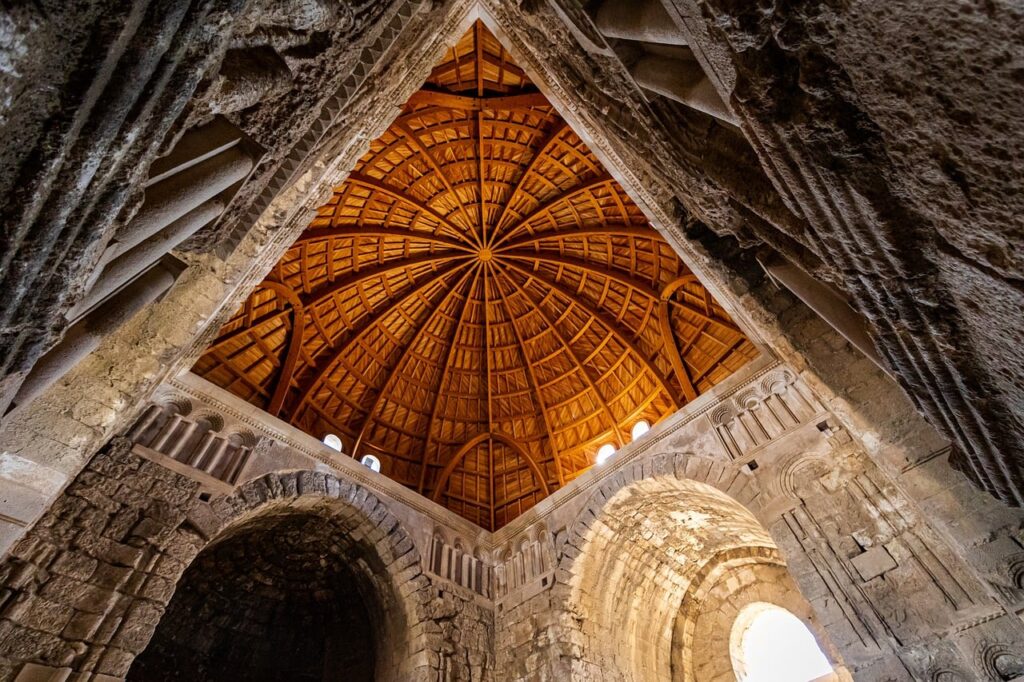
Introduction — The Nuragic Route: Scenic Views and Ancient History Across Sardinia
Sardinia is an island where the stone itself tells the story. Everywhere you look towers rise, fortified villages and enclosures attest to a unique civilization: the Nuragic civilization. The “Nuragic Route” isn’t a single, centrally signposted itinerary but rather a network of possible routes linking major archaeological complexes, museums and viewpoints that together offer a continuous panorama across 3,000 years of history. Whether you start from Oristano, Cagliari, Alghero or the east coast, the route takes shape through the visits you choose, coffee stops and coastal lookouts.
This guide suggests a general itinerary, mixing historical descriptions, practical information (exact addresses, opening hours, indicative prices in euros) and local tips to help you make the most of each site. The aim is to help you plan anything from a half-day excursion to a week-long road trip, with highlights such as Su Nuraxi di Barumini, Nuraghe Losa, Santu Antine, the Tiscali site and several museums and viewpoints that trace the island’s changing lifeways. Each stop includes visual cues to help you locate places and picture the views before you go.
The Nuragic Route is more than an archaeological trail: it’s a sensory immersion. Sunlight plays over limestone and basalt, changing their colors; the maquis perfumes the valleys; and the sea adds flashes of blue to panoramas seen from the ramparts. Visitors will find picnic spots, modern museums that contextualize artifacts, local guides who explain how the towers were used, and sometimes narrow country roads requiring care and respect for the landscape. This guide gives precise addresses (including postal codes), typical opening hours, entrance fees and practical tips to avoid tourist pitfalls — for example, how to reserve guided tours of Su Nuraxi, where to park near Nuraghe Losa, or which route lets you see both Santu Antine and the troglodyte site at Tiscali.
Before diving into the stage-by-stage details, a few general recommendations: bring water and a hat in summer, wear good shoes for walking on stone, and always check seasonal opening times (many sites close or have reduced hours off-season). Favor visits early in the morning or late afternoon for better light and cooler temperatures. Finally, respect restricted areas and follow guides’ instructions to help preserve these millennia-old sites. Now, follow me along the Nuragic Route for a step-by-step panorama and history.
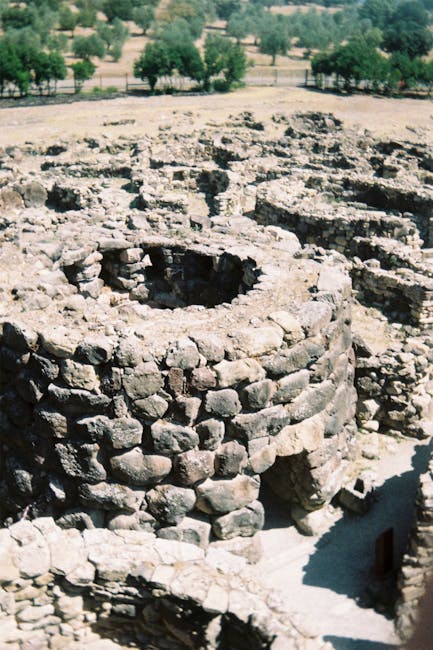
Su Nuraxi di Barumini — The Nuragic Heart and Its Museum
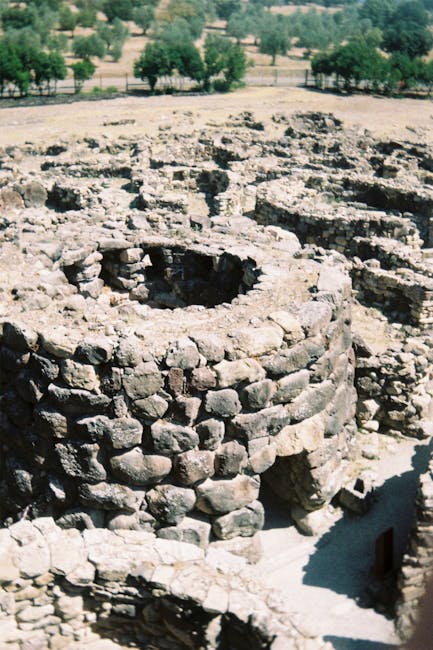
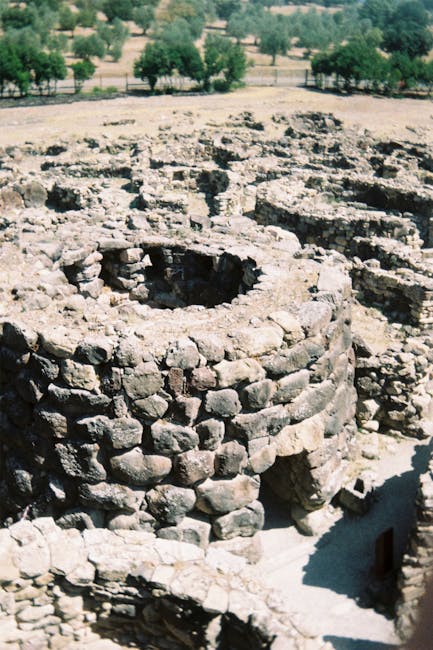
Su Nuraxi di Barumini is one of Sardinia’s most emblematic sites and a UNESCO World Heritage site. Exact address: Piazza Roma 1, 09021 Barumini SU, Italy. The large complex features a central tower surrounded by a circular village of stone huts and defensive works. The site’s spatial layout reveals the social and technical complexity of the Nuragic period (roughly 1800–500 BCE). Visits are typically guided by an official guide to help protect the structures.
Indicative opening hours: open daily from April to October, 09:00–19:00; November to March, 09:00–17:00 (possible closures on 25 December and 1 January). Fees (indicative): adult ticket €15.00 (guided tour included), reduced €10.00 (students, seniors), free for children under 6. It is strongly recommended to book the guided tour in advance on the official site or by phone (+39 070 938 9936 for the Infopoint / Museo Casa Zapata).
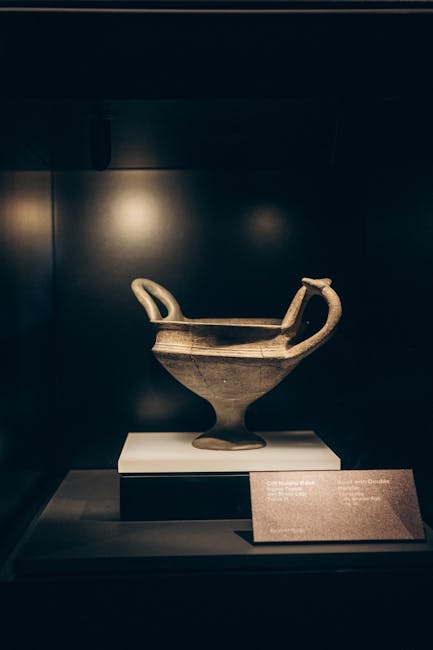
The accompanying museum, Museo Casa Zapata (Via Antonio Gramsci 14, 09021 Barumini SU), displays objects, models and explanatory panels in Italian and English. Museum address: Via Antonio Gramsci 14, 09021 Barumini SU, Italy. Museum hours: generally 09:00–18:00, following the same seasonal schedule as the site. Museum ticket price: often included in the site ticket or €6.00 separately. The modern building provides the essential introduction to the chronology and function of nuraghes: dwellings, metalworking areas, ossuaries and rituals.
Local tips: arrive right at opening to enjoy soft light and a less hurried guide. The park has a paid car park located at Piazza Sardegna, 09021 Barumini (small local fee, around €2.00–3.00 per day depending on season). Allow 1.5–2 hours for the complete visit including the museum. For food, Bar Caffè Su Nuraxi (Via San Gavino 2, 09021 Barumini) serves Sardinian specialties and panini (dishes starting from €6.00). Remember to respect cordoned areas and avoid climbing on fragile parts of the monument.
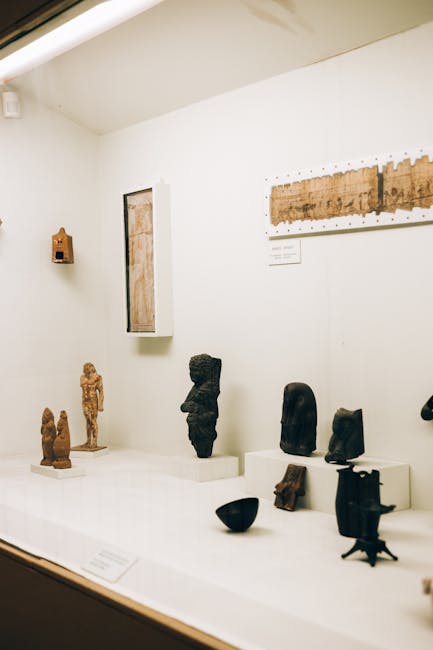
Nuraghe Losa and the Abbey of Santa Giusta — Rural Antiquity and Agricultural Vistas
Nuraghe Losa, one of the few well-preserved trilobed nuraghes, stands in the commune of Abbasanta. Address: Strada Provinciale 10, 09071 Abbasanta OR, Italy (GPS coordinates often useful: 40.0046° N, 8.8148° E). The site is surrounded by farmland and rolling hills, offering highly photogenic panoramas at dawn and dusk. Losa is notable for its thick walls and interconnected chambers, revealing both domestic and defensive uses.
Hours and prices: Nuraghe Losa is accessible daily from 09:00–19:00 in high season; off-season hours may be reduced. Entry is free or visitors are asked to leave a suggested contribution of about €3.00–5.00, depending on local management by the Soprintendenza. Check with the Ufficio Turistico di Abbasanta (Via Roma 1, 09071 Abbasanta OR) for guided tours (tel. +39 0783 75212).
Nearby is the parish church of Santa Giusta (Piazza Santa Giusta, 09070 Santa Giusta OR, Italy), less than a kilometer from Nuraghe Losa depending on the route. Although not Nuragic, the juxtaposition of medieval and prehistoric architecture gives perspective on continuous human occupation. For agrotourism fans, the area offers farms and local products: cheeses, pane carasau and Sardinian wines.
Practical tips: parking is possible right next to the nuraghe, but use designated areas to avoid damaging tracks. Bring binoculars to observe the structure from the top without climbing the stones. Nearby trails are suitable for family walks and also lead to viewpoints over the Campidano plain. For lunch, Trattoria Sa Losa (Via Ruga 12, 09071 Abbasanta OR) serves traditional dishes (antipasto €8.00, main courses €12.00–18.00).
Nuraghe Santu Antine, Tiscali and the Interior Sites — From Fortress to Troglodyte Refuges
The large Nuraghe Santu Antine, near the commune of Torralba, is a major example of a complex nuraghe. Address: Strada Provinciale 6, 07048 Torralba SS, Italy (site near the SS131 bis). Santu Antine is often described as a “fortress” with multiple towers, concentric walls and an associated village. Archaeologists believe the site played a central role in controlling the inland territory.
Hours and fees: generally accessible Tuesday to Sunday from 09:00–18:00 in high season; adult entry around €6.00–8.00, reduced rates for students and groups. For guided visits contact the Ufficio Turistico di Torralba (Via Mannu 5, 07048 Torralba SS, tel. +39 079 970 204). A guided tour explains the function of internal staircases and defensive structures.
Nearby is the unusual Tiscali site (Località Tiscali, 08020 Dorgali NU), a troglodyte Nuragic village hidden inside a karst sinkhole on Monte Tiscali. Orientation address: parcheggio Località Su Gologone, 08022 Dorgali NU, Italy (from there, a hike of about 1.5 hours round trip). Hours: the natural site is accessible year-round, but access depends on weather; it’s recommended to start early and carry water and appropriate footwear. There is no entrance ticket, but local guides offer guided hikes (roughly €20.00–40.00 per person depending on duration).
Local tips: for Santu Antine, prefer a guided visit which often includes access to upper parts and interior rooms. For Tiscali, book an excursion with a local agency in Dorgali (e.g. Escursioni Su Gologone, Via Su Gologone 1, 08022 Dorgali NU, tel. +39 0784 811 234) for information on difficulty level and weather. Carry a small first-aid kit, sunscreen and energy snacks. These sites also offer superb views over the Gennargentu range and the Nuoro plain.
Museums, Suggested Routes and Logistics for the Route
To fully understand nuraghes in context, complement on-site visits with museum and interpretation centers. Recommended museums include the Museo Archeologico Nazionale di Cagliari (Via Sant’Ignazio da Laconi 1, 09124 Cagliari CA, Italy), where prehistoric collections from across the island are displayed. Opening hours: Tuesday–Sunday 09:00–19:00; adult ticket €8.00, reduced €4.00; free on the first Sunday of the month (subject to national regulations). Another key stop is the Museo Archeologico di Nuoro (Via Sebastiano Satta 27, 08100 Nuoro NU), useful for collections from the central-eastern part of the island.
Suggested itineraries: for a 3–5 day road trip, structure your route like this: Day 1 — Cagliari to Barumini (Su Nuraxi), overnight in Barumini or Oristano; Day 2 — Nuraghe Losa and the Abbasanta plain, overnight in Oristano; Day 3 — Torralba (Santu Antine) then head up toward Dorgali for Tiscali, overnight in Dorgali; Day 4 — east coast (great panoramas and beaches) or return toward Alghero/Oristano. This plan mixes archaeological visits, museums and gastronomic breaks.
Practical logistics: renting a car is almost essential to explore scattered nuraghes. Roads can be narrow and winding: choose a compact but sturdy vehicle. Fuel stations and services are scarcer inland; fill up in towns. Accommodations: agriturismi (farm stays) and bed & breakfasts often provide a more personal welcome and route advice. Indicative prices: double room in an agriturismo €60.00–100.00 per night off-season; in high season expect €100.00–180.00.
Additional tips: follow the Soprintendenza archeologica’s rules — you’ll often find explanatory panels and marked paths that must be respected to avoid damage. Carry a paper map or download offline maps because network coverage can be patchy. For photography enthusiasts, golden hours (sunrise/sunset) deliver striking contrasts on the stone, but some areas can be crowded at midday; plan accordingly.
Conclusion — Between Panorama and Heritage, the Route as an Experience
The Nuragic Route in Sardinia is more than a tourist itinerary: it’s an invitation to slow down, read the landscape and understand a long, often understated history. From Su Nuraxi di Barumini, the emblematic and well-organized site, to Nuraghe Losa in the countryside, through the power of Santu Antine and the strange troglodyte world of Tiscali, each stop reveals a different facet of Nuragic culture. Museums complete these visits by providing material context, while villages and local farmers testify to continuous human presence on these lands.
Practically speaking, this guide has given you precise addresses (Piazza Roma 1, 09021 Barumini SU; Strada Provinciale 10, 09071 Abbasanta OR; Strada Provinciale 6, 07048 Torralba SS), access tips, typical hours and indicative fees (e.g. Su Nuraxi adult ticket approx. €15.00, Cagliari museum approx. €8.00). Check this information before you travel as hours and fees may change seasonally or by administrative decision. Book especially for Su Nuraxi and consider a guided visit for Santu Antine and Tiscali if you want deeper insight.
Finally, the Nuragic Route is a sensory and emotional journey: warm stone, panoramas of sea and mountains, and local food that extends the story to the table. Respect the sites, support local tourist offices, and favor guides and accommodations committed to conservation. In doing so, you help preserve this unique heritage for future generations. Safe travels along the Nuragic Route — may every tower you visit bring you closer to the ancient soul of Sardinia.