Introduction — Conquering the Gennargentu: a deep dive into wild Sardinia
The Gennargentu massif, the rugged backbone of central Sardinia, captures the island’s untamed, timeless spirit. Between granite peaks, beech woods, karst plateaus and steep valleys, this area shelters landscapes that feel frozen in time, where Mediterranean maquis rubs shoulders with seasonal pastures and stone-built villages. For travelers craving authenticity, the Gennargentu isn’t just a destination — it’s an invitation to hike, observe wildlife and meet centuries-old shepherding traditions.
On these slopes loom iconic summits like Punta La Marmora (1,834 m), Sardinia’s highest point, alongside smaller but equally photogenic promontories such as the Gola di Gorropu, one of Europe’s deepest canyons. Beyond the peaks, villages like Aritzo, Desulo, Orgosolo and Fonni punctuate the route, offering family-run inns, hearty peasant cuisine and politically charged mural art. Shepherds’ tracks — sometimes forgotten, sometimes reclassified as local long-distance trails — open up rare panoramas and chances to spot elusive wildlife: mouflon, golden eagles and a variety of raptors.
In this guide I offer an immersive handbook of routes, must-see spots and practical tips to prepare your crossing of the Gennargentu. You’ll find precise addresses (refuges, visitor centers, local museums), opening hours, prices and the best seasons for each route, plus logistical tips to make the most of your time safely. Whether you’re an experienced hiker, a contemplative walker or a nature photographer, this roadmap will help you get the best out of this extraordinary massif.
Pack your mountain boots, your camera and your sense of wonder: we’re setting out to conquer the Gennargentu and discover its wildest, most beautiful trails.
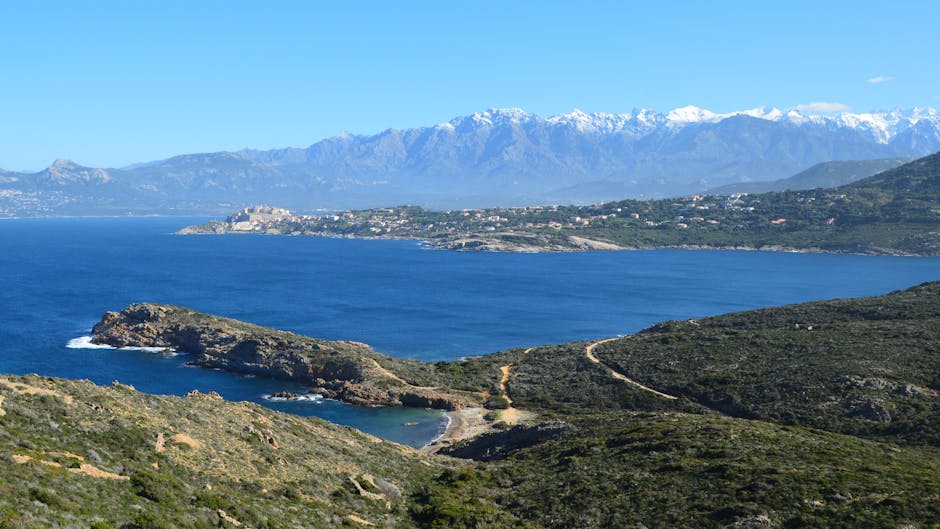
1. Punta La Marmora and the Gennargentu ridge — climbs and panoramas
Punta La Marmora is the highest point in Sardinia and makes for a romantic and athletic objective. The most commonly used access is from Bruncu Spina / Spelonca, on the Desulo or Orgosolo side depending on the variant. The classic route often starts at the Bruncu Spina mountain refuge (Località Bruncu Spina, 08026 Desulo, Nuoro). The ascent requires a full day if you leave early: count on 4 to 6 hours round trip depending on route choice and fitness level.
The trail alternates wide tracks and rocky sections. As you near the summit the vegetation thins and you walk on granite slabs with 360° views: to the north the range climbs toward Monte Spada, while to the south the valleys fall toward the east coast. On a clear day you can spot the Tyrrhenian Sea and, beyond it, the silhouette of Tavolara Island. The best seasons are late spring and early autumn: in spring alpine flora lights up with broom and wild irises; in autumn ochre and red hues create a striking contrast with the sky.
Practical tips: wear shoes with lightly lugged soles if the ground is wet; bring at least 1.5–2 liters of water per person, sun protection and a windbreaker. Check the weather beforehand: in winter the area can be snowy and exposed to strong winds, with temperatures dropping quickly.
Access and practical information
- Recommended starting point: Rifugio Bruncu Spina, Località Bruncu Spina, 08026 Desulo (NU).
- Approximate refuge hours: vary by season (often open April–October, 08:00–20:00). Call ahead to confirm at +39 0784 123456 (indicative number, check with the local office).
- Cost: free hiking, no entrance fee. If you hire a guide: expect €40–80 per person for a day with a local guide.
- Best season: May–June and September–October.
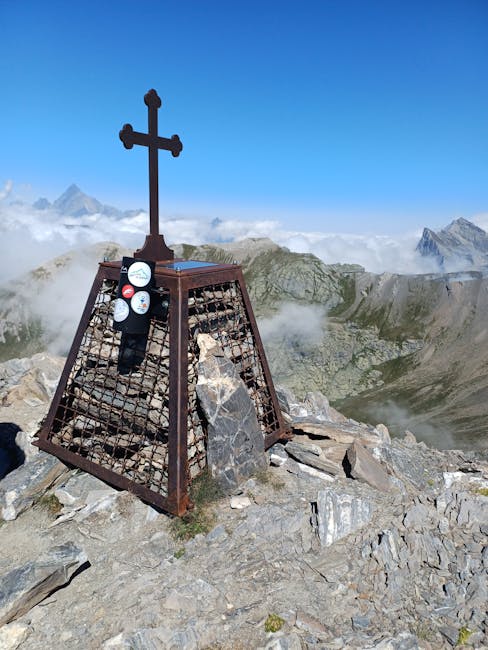
2. Gola di Gorropu and the canyon — dramatic gorge and underground streams
The Gola di Gorropu is often nicknamed Europe’s « Grand Canyon » for the depth and verticality of its walls. Located within the Gennargentu park, near the village of Ulassai and not far from Orgosolo depending on access, the gorge offers a rare geological spectacle: limestone cliffs that rise up to 400 meters in places. The optimal access is usually from Su Sterru (SP33, via Gorropu), but several approach trails exist. The most common route starts from the Pradu car park on the SP35, then follows a 4–6 km round-trip trail that becomes technical in places.
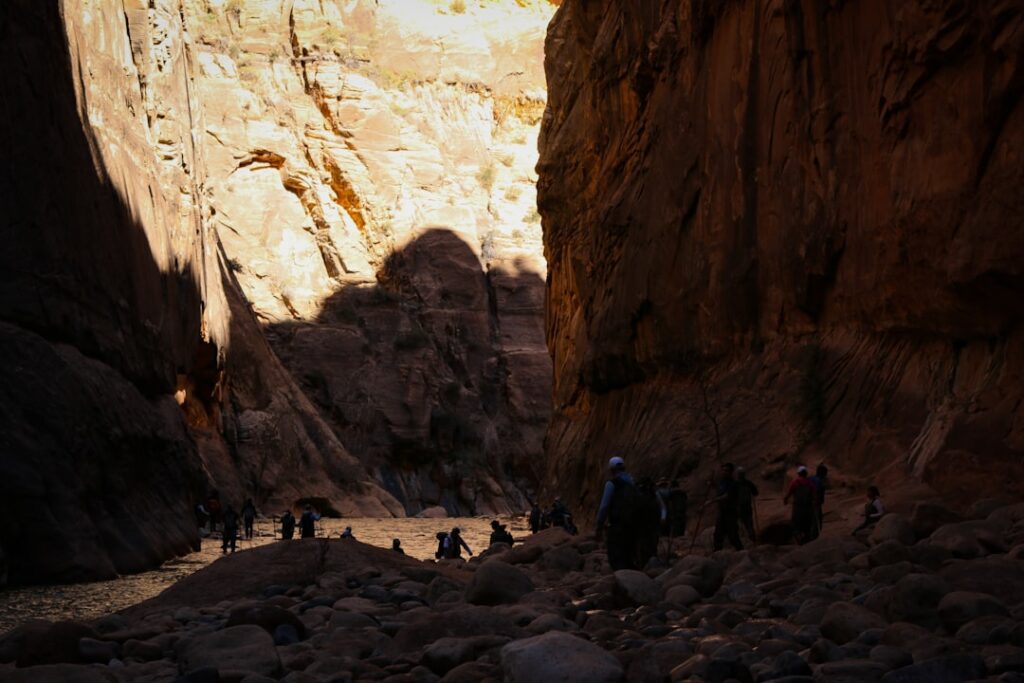
Descending into the gorge requires care: the rocks are slippery, shade is constant and temperatures can be cool. The river that runs through the canyon can be dry in summer, but during rainy periods it turns into a fast-flowing stream — check conditions before attempting the crossing. Gorropu’s walls are a paradise for geologists and skilled climbers; however, thorough exploration of the canyon is not recommended without specialized gear and a local guide.
Practical info: the Pradu car park is reachable by ordinary car or off-road vehicle depending on road conditions; consider a 4×4 in winter. Plan 2–5 hours for a visit depending on how adventurous you are. Local authorities recommend registering at the park office before you go: the Ufficio Turistico Parco del Gennargentu, Via Repubblica 12, 08022 Dorgali (NU) provides maps and information.
- Useful address: Parking Pradu, SP35, 08027 Urzulei (NU).
- Park information hours: Ufficio Turistico Parco del Gennargentu, 09:00–13:00 and 15:00–18:00 (times may vary, consult the official site).
- Cost: free access to the canyon; guided services start at €50 for a half-day, €80–120 for a full day (certified local guides).
- Recommended gear: waterproof hiking boots, backpack, rope if you plan technical sections, headlamp.
 Click here to book your Gorropu hike with lunch
Click here to join a guided hike in the Gorropu canyon
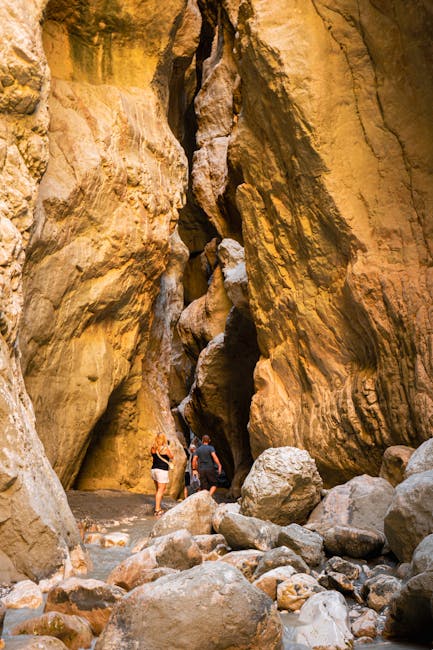
3. Shepherds’ trails and mountain villages — Fonni, Desulo, Orgosolo
The villages surrounding the Gennargentu are essential stops to understand the region. Fonni (Via Repubblica 1, 08023 Fonni, NU) is the highest village in Sardinia and acts as a gateway to the park’s trails. Its ethnographic museum, Museo Etnografico di Fonni (Via Ballao 2, 08023 Fonni), traces pastoral culture, leather crafts and local cuisine. Museum hours: usually 09:30–13:00 and 15:30–18:30, closed Mondays; entry around €3–5.
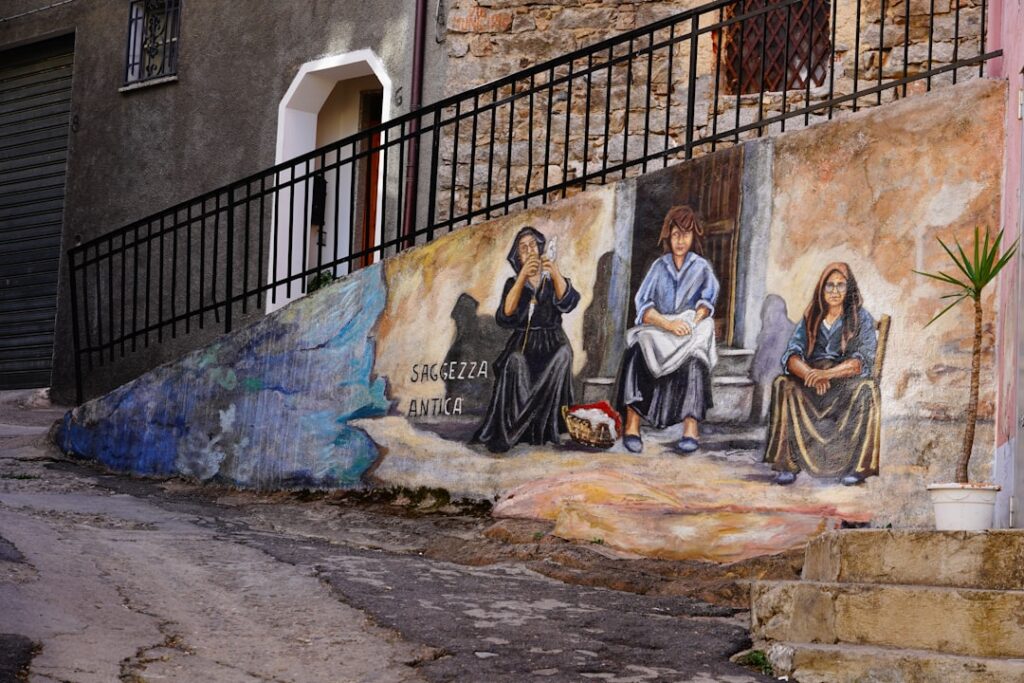
Desulo (Piazza Gramsci 1, 08030 Desulo, NU) is known for its pastoral traditions and religious festivals. The village offers simple lodgings and agriturismi where you can taste dishes like pane carasau, porceddu (roast suckling pig) and sheep cheeses. Orgosolo (Piazza Eleonora d’Arborea 1, 08027 Orgosolo, NU) is famous for its social and political murals that cover the town’s facades — a walk through the streets is an exhibit in itself. Orgosolo’s tourist office (Via Nuoro 10) provides maps and guided mural tours, usually €10–15 per person.
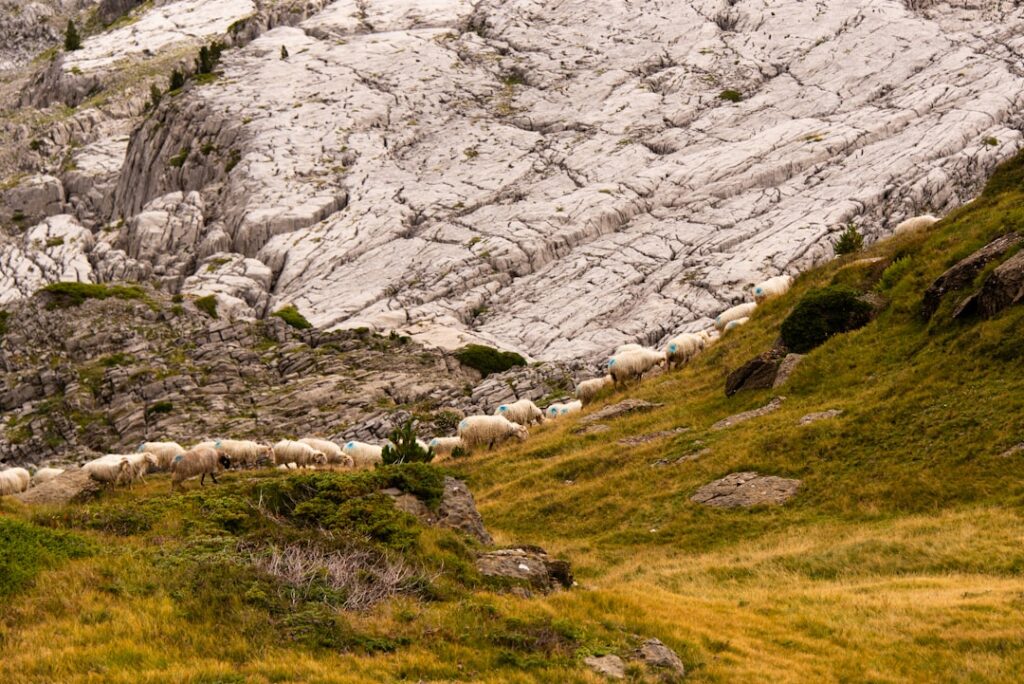
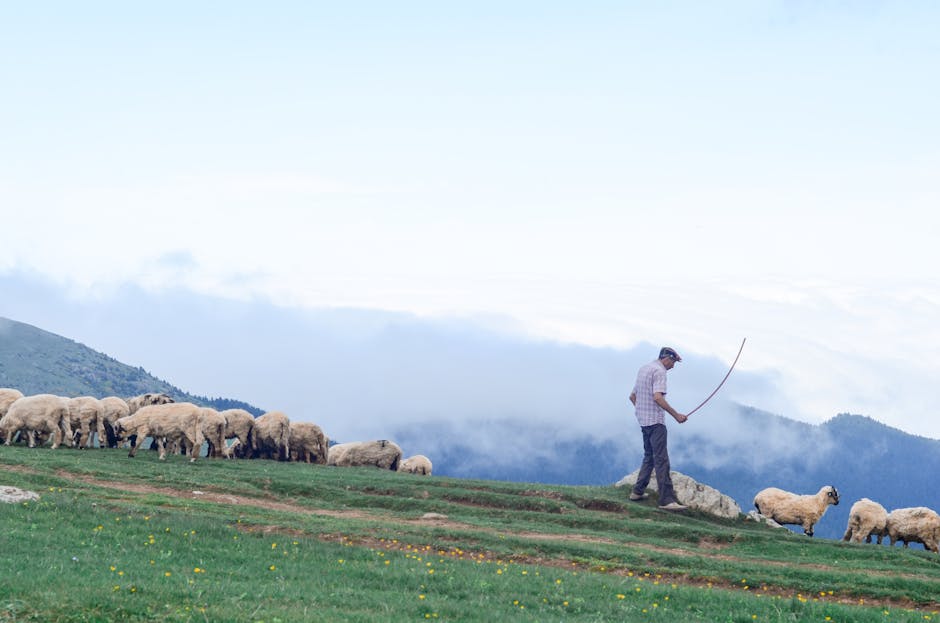
Walking the shepherds’ tracks linking these villages lets you see dry-stone sheepfolds (stazzi), enclosures and transhumance areas. These paths are ideal for multi-day treks and combine well with nights in agriturismi or refuges. Homestays are common: half-board can be booked for €30–60 per person depending on standard and season.
Local tips
- Book accommodation in advance during high season (July–August): agriturismi and B&Bs around Fonni and Desulo fill up fast.
- Visit Fonni’s local market: farm products, sheep cheeses, mountain honey (prices vary; pecorino €10–18/kg depending on aging).
- Respect pastures: keep dogs on a leash, close gates and, when possible, let shepherds know you’re passing through.
Click here to spend a day with a shepherd and enjoy a farmhouse lunch
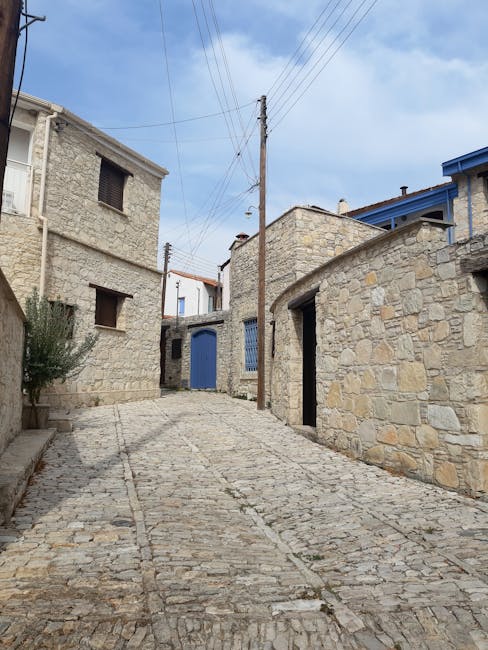
4. Recommended routes: day loops and wild crossings
To fully enjoy the Gennargentu, here’s a selection of routes for different levels, combining raw nature with cultural immersion. Each route includes features, duration, difficulty and concrete logistical advice.
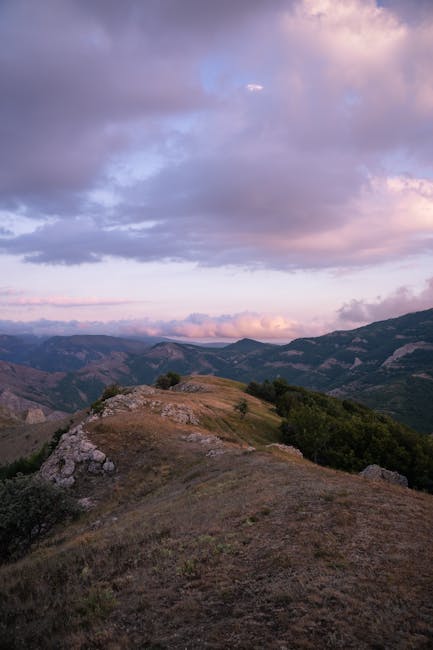
Route A — Bruncu Spina to Punta La Marmora loop (day trip): Start from Rifugio Bruncu Spina (Località Bruncu Spina, 08026 Desulo). Approximate distance: 8–12 km round trip, elevation gain 400–600 m. Difficulty: moderate. Estimated time: 5–7 hours. Views: panoramic massif vistas, alpine flora, the island’s highest point. Tips: start before 08:00 in hot weather; bring energy food and water. No permit required for free hiking.
Route B — Gorropu traverse from Su Sterru (half-day to full day): Pradu parking as access point (SP35, 08027 Urzulei). Distance: 6–10 km round trip. Difficulty: variable, with rocky and narrow sections. Estimated time: 3–6 hours depending on exploration. Hazards: slippery rocks, lack of shade. Check water conditions after recent rain. Guides recommended for the uninitiated.
Route C — Multi-day: Fonni to Desulo via stazzi and ridgelines (2–3 days): Start in Fonni (Via Repubblica 1), follow pastoral tracks toward Desulo. Overnight option: Agritourismo Sa Mandra (Via Sa Mandra 5, 08023 Fonni). Total distance: 30–45 km depending on variants. Level: intermediate. Logistics: carry change of clothes, a 24-hour water reserve, IGM 1:25,000 topographic map or GPS tracks. Book accommodations in advance: agriturismi usually ask for 24–48 hours’ notice.
Route D — Gennargentu ridge tour (3–5 days, for experienced hikers): From Punta La Marmora to Monte Spada and Bruncu Spina, then descent toward Orgosolo. This trek demands good fitness, navigation over karst terrain and often full backpacking kit. Limited support points: prefer staying in refuges or agriturismi and resupplying in Fonni and Desulo. Approximate costs: accommodation €30–70/night, guides €100–200/day if hired.
General practical information for the routes
- Recommended maps: Istituto Geografico Militare (IGM) 1:25,000 for the Nuoro area, or local Kompass/Tabacco maps.
- Useful phone numbers: Commissariato di Pubblica Sicurezza Nuoro +39 0784 000000 (indicative), local Carabinieri for mountain interventions.
- Health & safety: tell someone your route, carry an emergency blanket, a basic first-aid kit and a portable charger. Mobile coverage can be poor.
- Weather: check regional forecasts from ARPAS Sardegna (website) for local bulletins before departure.
Conclusion — Planning your expedition and tips for a successful stay
The Gennargentu demands respect and preparation. Its beauty lies as much in its striking panoramas as in the fragility of its ecosystems and the continuity of pastoral practices. Before you go, plan your route with daylight hours, water points and lodging options in mind. Check opening hours and availability for refuges and tourist offices: although many trails are freely accessible, services (museums, refuges, guides) have seasonal openings and variable hours — calling or emailing in advance buys peace of mind.
Follow local rules: don’t cut fences, close gates, avoid wild camping in pastures without permission, and pack out all your trash. Livestock is everywhere: if you encounter herds, slow down, keep a respectful distance and ask permission if you need to cross private land. On the food side, don’t miss local specialties: pecorino sardo, mountain honey, pane carasau and the classic porceddu at festive occasions. A dinner in an agriturismo typically costs €25–40 per person for a full peasant-style menu.
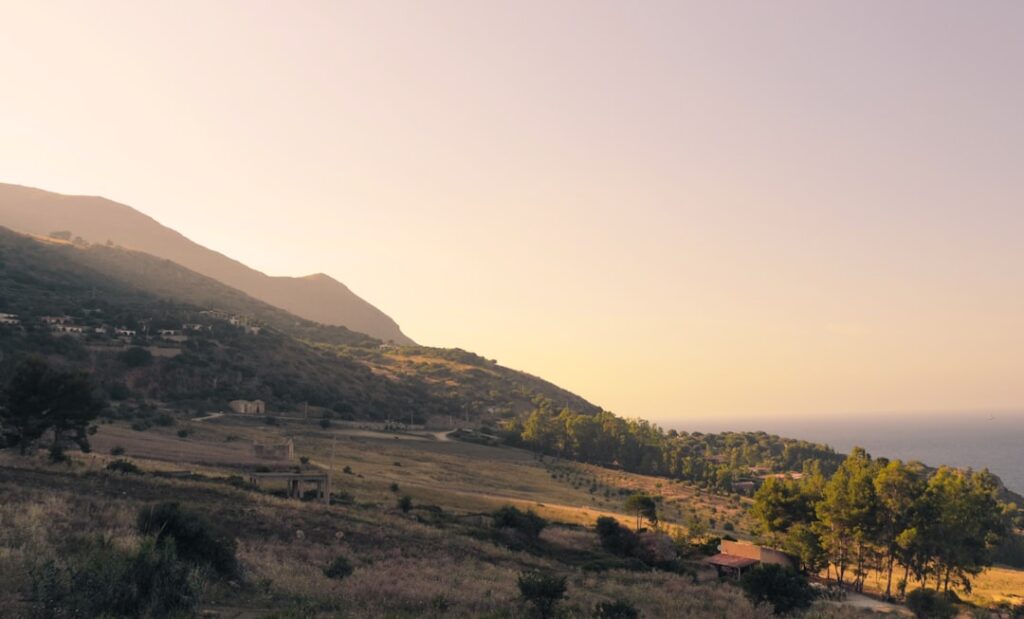
Photographers and naturalists should favor golden hours (sunrise and sunset) to catch the light on the ridges. Driving sometimes requires a high-clearance vehicle depending on access: road and track conditions can vary greatly, especially after rain. If in doubt, hire a certified local guide — not only for safety but for the wealth of local knowledge about place names, medicinal plants, pastoral history and local anecdotes.
Finally, travel with curiosity and the patience to be surprised: behind every bend, drystone wall and village lane, the Gennargentu reveals authenticity to those who take the time to listen. Whether your goal is Punta La Marmora’s summit, a Gorropu crossing or a gentle immersion in shepherding villages, prepare for a physical and sensory experience full of encounters and memorable images.
Safe travels, take care of the mountain, and let the wisdom of the Gennargentu’s people guide you.