





Introduction
The Supramonte, a wild limestone massif on Sardinia’s east coast, is a magnet for hikers, climbers and travelers chasing untouched nature. The “Supramonte Peaks Loop” isn’t a casual stroll — it’s a deep dive into dramatic karst landscapes, cork oak and juniper woodlands, deep gorges like the Gola di Gorropu, and shepherd villages clinging to steep slopes. From some summits you’ll spot turquoise inlets and sea panoramas, while endemic plants and animals give this place its distinct character. The route blends alpine-style hiking, visits to nuragic archaeological sites, plateau crossings and explorations of caves and mountain villages.
This article lays out a detailed itinerary, immersive descriptions of must-see spots and monuments, precise addresses, practical information (hours and prices) and local tips to help you prepare your crossing. Whether you’re planning a tight 3-day loop based around Cala Gonone and Urzulei, or a more ambitious 5–7 day circuit linking Monte Novo San Giovanni, Monte Corrasi and the Supramonte plateaus, you’ll find concrete markers here to plan your adventure.
Finally, remember that the Supramonte is a fragile, sometimes demanding environment: trails can be steep, water is scarce in summer, and weather can change fast. I stress responsible self-sufficiency, choosing local accommodation (agriturismi and small B&Bs), access options by car or boat from Cala Gonone, and best practices to respect the land and its people. Follow these tips to fully enjoy the wild character of the peaks while minimizing your footprint and supporting the local economy.
Overview and geography of the Supramonte
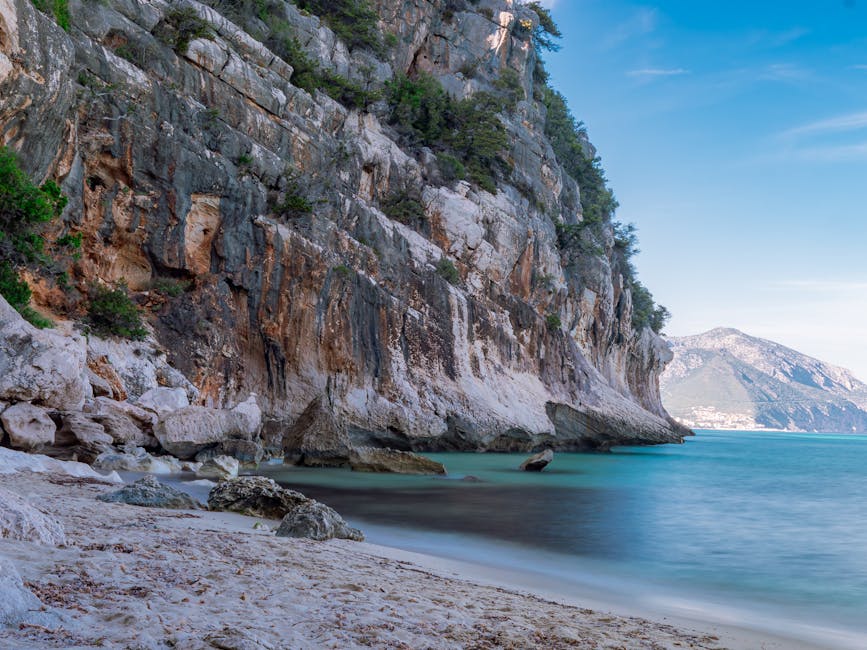
The Supramonte is a limestone massif mostly in the province of Nuoro, spanning territories around Dorgali, Orgosolo, Urzulei and Oliena. It stretches for many tens of kilometers and tops out at summits generally between 1,000 and 1,200 meters — although guides often mention Monte Corrasi, and local hiking routes frequently focus on its nearby ridges. The Supramonte plateau is cut by deep gorges — the best known being the Gola di Gorropu — and studded with sinkholes, caves and karst formations. Notable caverns include the Grotta del Bue Marino, accessible from the sea, and the Grotta di Ispinigoli near Oliena.
Geographically, the Supramonte divides into several distinct sectors:
- The Supramonte di Dorgali and the Cala Gonone coast (Marina di Cala Gonone, 08022 Dorgali NU), home to the coves of Cala Luna, Cala Mariolu and Cala Goloritzé, reachable by sea or by demanding trails.
- The interior plateau between Oliena and Orgosolo, rich in nuraghi and springs, with high routes and rural lodging options.
- The massif around Urzulei, the main access point for the Gola di Gorropu and the pastoral village of Tiscali (an archaeological site inside a sinkhole).
The contrasts are striking: to the southeast cliffs plunge into the Mediterranean with exceptional sea views; inland, plateaus and woods shelter shepherds and flocks, and nuragic ruins testify to millennia of human presence. The climate is Mediterranean along the coast, becoming more continental and cooler with altitude. In summer it can be hot in the lowlands but very pleasant above 800–1,000 m; in winter snow is rare but possible on some peaks. This setting requires appropriate preparation: sturdy boots, plenty of water, a topographic map (IGN/IGM), a GPS and, for the more technical routes, a local guide if possible.
Detailed route (recommended 3–4 days)
Here’s a tried-and-true itinerary balanced between hikes, site visits and downtime — perfect for a first loop of the Supramonte peaks in 3 to 4 days. These stages are doable independently, with options to hire guides and take boat transfers from Cala Gonone.
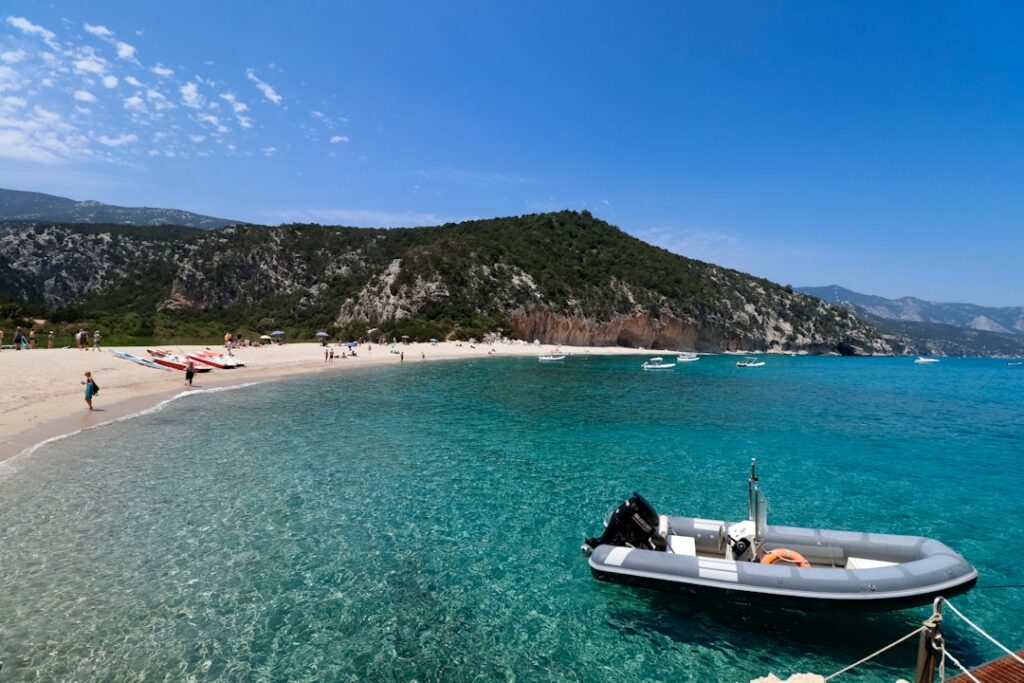
Day 1: Cala Gonone – Cala Luna – Cala Fuili (coastal hike)
– Start: Marina di Cala Gonone, Porto di Cala Gonone, Via del Porto 1, 08022 Dorgali (NU). Port hours: boarding times vary by season; excursion offices usually open roughly 08:00–19:00 in high season (June–September). Prices: boat runs to the coves typically €20–€40 depending on the service.
– Route: Follow the coastal trail toward Cala Luna (mind rocky sections and technical stretches). Alternatively, take a water taxi from the port (20–40 min). Expect 3–5 hours on foot depending on variations.
– Highlights: limestone cliffs, turquoise coves, pebble beaches. Bring water (at least 2–3 L/person), a hat and lightweight hiking shoes.
Day 2: Cala Gonone – Monte Bardia – Grotta del Bue Marino (mid-mountain)
– Start: same parking at Marina di Cala Gonone. Monte Bardia provides views over the Golfo di Orosei.
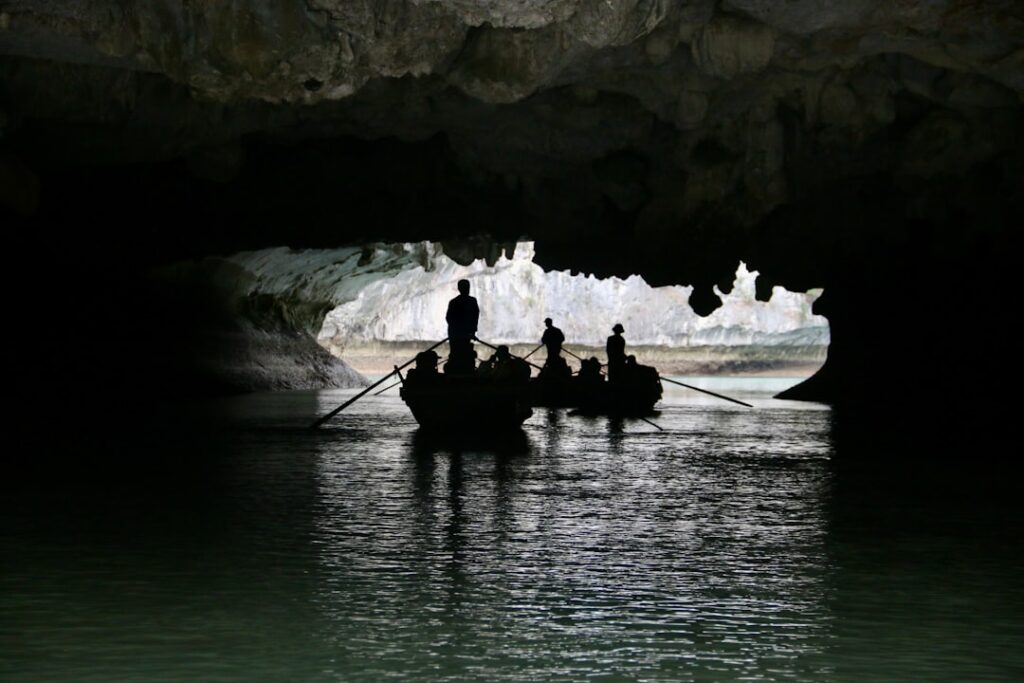
– Route: Moderate ascent to Monte Bardia, then descend toward the Grotta del Bue Marino (guided visits available). Grotta del Bue Marino, address: Grotta del Bue Marino, Cala Luas, 08022 Dorgali (NU). Hours: usually visited by boat or with a guide, seasonal times around 09:00–18:00 in summer. Price: boat excursions €15–€30; guided cave visits are often included.
– Note: the cave is increasingly protected and interior access may be restricted — check at the port.
Day 3: Transfer to Urzulei – Gola di Gorropu – Supramonte interior
– Start: Urzulei is the main gateway to the Gorropu Gorge. Local tourist office: Pro Loco Urzulei, Piazza Europa 1, 08040 Urzulei (NU). Hours: 09:00–13:00 and 15:00–18:00 in season. Price: trail access is free, but transfers and guides range €10–€50 depending on service.
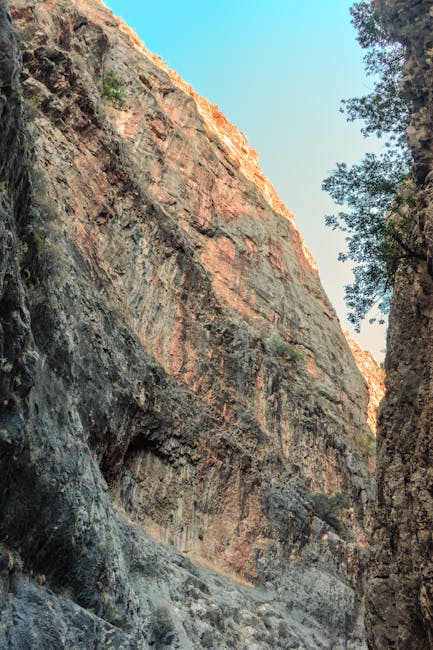
– Route: Parking is usually signposted at “Loc. Isalle” or “Punta Sos Nidos” depending on the trail (check locally for exact coordinates). Expect a 1–2 hour approach walk then a descent into the gorge: a spectacular route with boulders and dramatic light. Plan 4–6 hours in total.
– Safety: sturdy hiking gear, poles, ample water and, if possible, a satellite phone. The gorge can become hazardous in rain.
Day 4 (optional): Hike to Monte Tiscali and return toward Oliena / Orgosolo
– Site: the Tiscali site (a nuragic village inside a sinkhole). Access: from the SS389 or the Passo Genna Silana depending on the trail. Approximate address: Monte Tiscali archaeological site, locality Monte Tiscali, 08020 Dorgali/Urzulei border area (NU). Hours: the site is open countryside; guided visits are recommended. Price: the site is free but guides typically charge €10–€25.
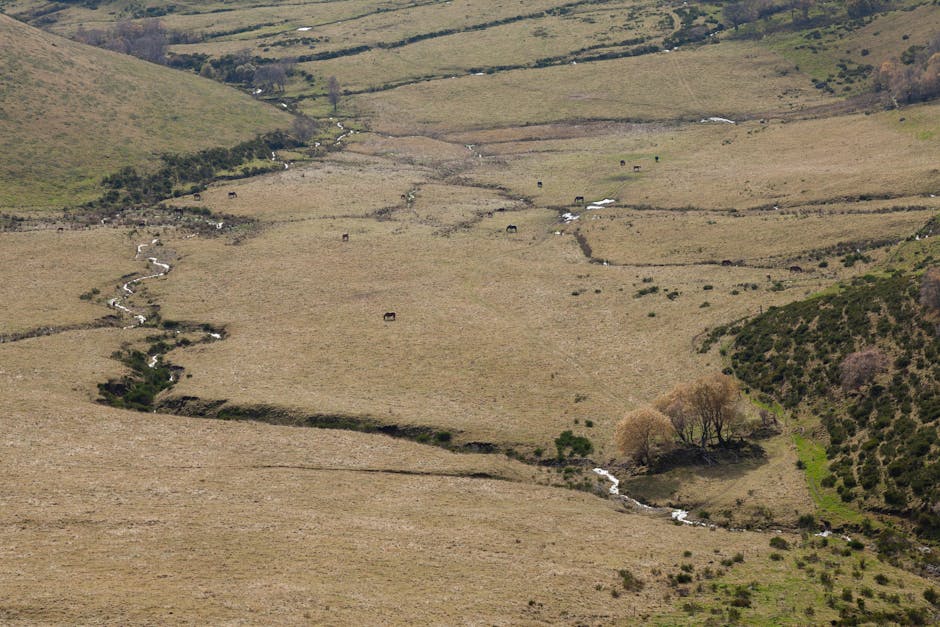
– Route: climb to the sinkhole that shelters the remains of a protohistoric village; the approach offers wide plateau views and glimpses of the coast from higher points.
You can easily extend this loop to 5–7 days by adding stops in Orgosolo (famous murals), Oliena (Monte Corrasi), or by taking a rest day in Cala Gonone to enjoy the sea. For more technical outings (via ferrata, rock climbing), hire certified local guides (search for “Guide Alpine Dorgali” or “Guide Supramonte”).
Attractions, monuments and practical addresses
The Supramonte is full of places to visit — some well-known, others off the beaten path. Here’s a curated list with approximate addresses, opening times and prices where available. Note: many natural sites don’t have formal postal addresses — I’ve indicated access points or useful tourist offices instead.
- Gola di Gorropu (Gorropu Gorge)
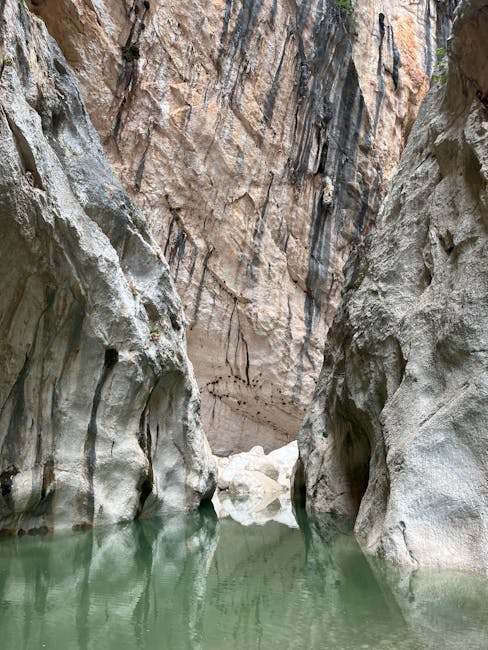
Address/access: Loc. SuprenOr / Isalle / Punta Sos Nidos — access via SP38 / SP17 toward Urzulei, 08040 Urzulei (NU). Info office: Pro Loco Urzulei, Piazza Europa 1, 08040 Urzulei (NU). Hours: trail open year-round; start early in the morning. Price: free access; guides and 4×4 transfers €10–€50 depending on distance. Description: a spectacular limestone gorge with vertical walls up to about 500 m in places, narrow corridors and shifting light — especially photogenic at sunrise or sunset, though pay attention to trail orientation. - Cala Goloritzé
Access: Parco Nazionale del Golfo di Orosei e del Gennargentu, trail from the « Punta Caroddi » / Su Campu e Muru parking, Baunei, 08040 Baunei (NU); alternative by boat from Marina di Cala Gonone, Via del Porto 1, 08022 Dorgali (NU). Hours: the Cala Goloritzé trail is regulated in summer (reservations and quotas may apply). Price: access can be subject to fees or permits depending on season (check Parco / MIPAAF info). Description: a limestone arch and iconic cliff dropping into turquoise water, a protected beach — perfect for photography and snorkeling. - Grotta di Ispinigoli
Address: Grotta di Ispinigoli, Località Ispinigoli, 08026 Dorgali (NU) / Oliena area. Hours: open in high season with guided visits typically 10:00–17:00; reduced hours off-season. Price: entry roughly €6–€12 (rates vary). Description: famous for a huge stalagmite and impressive calcite formations. A guided tour is recommended for safety and geological context. - Monte Corrasi and Oliena
Village address: Oliena, Piazza Europa 1, 08025 Oliena (NU). Access: trails from Oliena (Monte Corrasi Natural Monument areas). Tourist office hours: Ufficio Turistico Oliena 09:00–13:00 / 15:00–18:00 in season. Price: hiking is free; local museums and guided services cost €5–€30. Description: Monte Corrasi looks out over the Barbagia and sea; the area is great for wine tastings (Nùoro) and visits to small cellars and agriturismi. - Villaggio di Tiscali
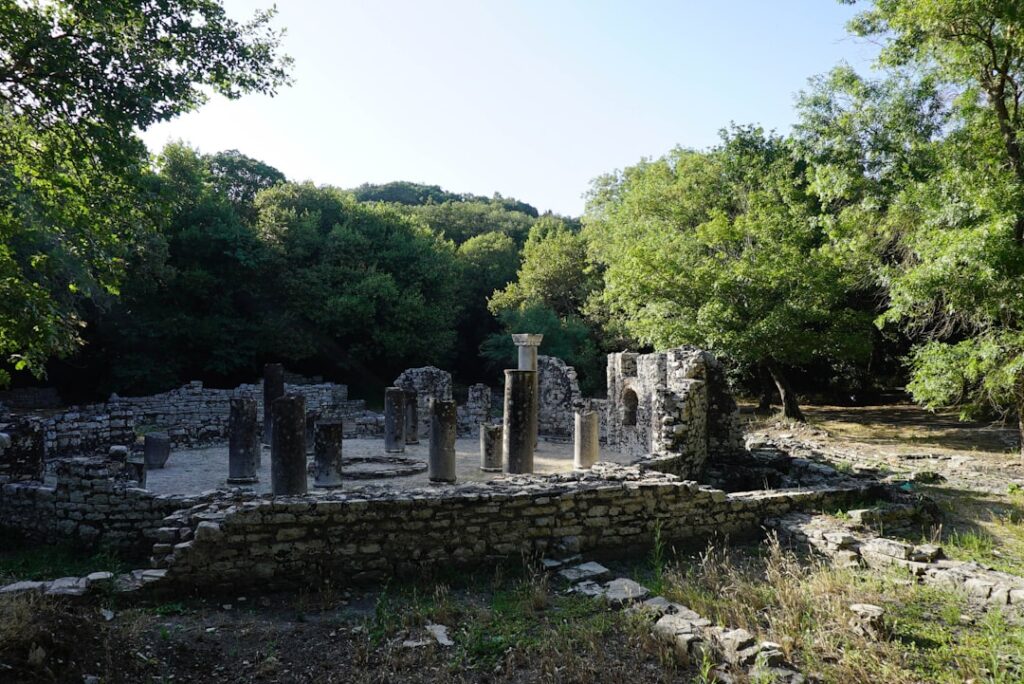
Access point: Passo Genna Silana / trail from the Dorgali-Urzulei border. Approx address: Monte Tiscali, 08040 Dorgali/Urzulei (NU). Hours: a natural site, open but guided walks are recommended. Price: free access; guides €10–€25. Description: a nuragic village hidden in a sinkhole, filled with history and perfectly integrated into the karst landscape. The climb delivers spectacular views and chances to spot pastoral wildlife.
Tip: before visiting any cave or protected area, check with local tourist offices (Dorgali, Oliena, Urzulei, Baunei) for exact opening hours, access conditions and whether a guide is required. Prices fluctuate with the season; in high season book boats and guides in advance to avoid disappointment.
Local practical tips, safety and respecting the land
Preparing for a Supramonte peaks loop needs awareness and good judgment. Here are concrete local tips to make your trip smoother while respecting the environment and communities.
Gear and preparation
– Footwear: sturdy hiking boots, light traction devices if you expect slippery limestone sections; trekking poles recommended.
– Clothing: breathable layers, a windproof, hat and sun protection. Mornings can be cool, especially in spring and autumn.
– Water: carry 2–4 liters per person depending on stage length; water sources are rare. Treatment tablets or filters can help but water quality isn’t always guaranteed.
– Maps and navigation: Sardinia IGM/IGN maps or a GPX track, a phone with spare battery and ideally a GPS. Mobile coverage can be patchy in the gorges.
Safety
– Always tell your accommodation or the tourist office your approximate route and expected return time.
– Avoid the gorge if there’s any rain alert — flash floods are a real danger.
– If hiking alone, have an emergency plan and stick to well-marked trails; for technical or exposed routes hire a local guide (guiding rates typically €50–€120 per half-day depending on group size and difficulty).
– Respect signs and fences around private grazing land.
Accommodation and food
– Accommodation: agriturismi and small B&Bs are common in the Barbagia. Examples: Agriturismo Sa Mandra (sample address: Località Sa Mandra, 08022 Dorgali) or a B&B in Oliena (Piazza Europa 1, 08025 Oliena). Prices: rooms €40–€120 depending on comfort and season.
– Food: favor local products — pecorino sardo cheese, pane carasau, roasted porceddu, Cannonau wine. Meals in a trattoria run about €12–€30 per person. Notable dining spots can be found in Dorgali (Via Roma, 08022 Dorgali), Oliena (Via Roma, 08025 Oliena) and Urzulei (Piazza Europa).
Respecting the environment and good practices
– Leave no trace: pack out your rubbish, don’t feed wildlife.
– Limit fires: wildfires are a major risk in summer — only use authorized fire spots.
– Prefer local guides and services to support the local economy: boat operators, certified guides, artisan food producers.
Conclusion
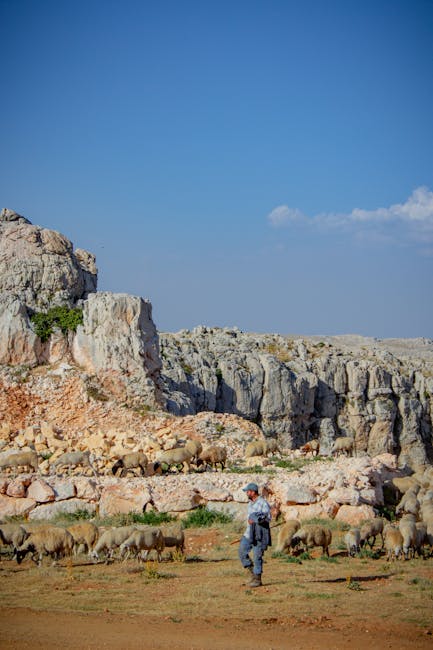
The Supramonte Peaks Loop is an experience of raw landscapes, culture and unforgettable panoramas. It reveals an interior Sardinia that many visitors miss: from the sea cliffs of Cala Goloritzé to the depths of the Gola di Gorropu, from mysterious caves to sinkholes sheltering nuragic villages — each stop tells a geological and human story. The route requires solid preparation — maps, water, appropriate gear — but rewards you with powerful emotions, exceptional light and genuine encounters with the people and shepherds of the Barbagia.
To get the most from this adventure, combine independence with local services: take a morning boat from Marina di Cala Gonone, use guides for the Gola di Gorropu or Monte Tiscali, and spend evenings in agriturismi to savor Sardinian specialties. Always check opening hours and prices for museums, caves and boats as they change with the season. Photographers should favor golden hours (sunrise and sunset) for the best light on cliffs and gorges; hikers should plan stages early in the morning to avoid summer heat.
Finally, approach the Supramonte with respect: it’s a fragile, inhabited landscape rooted in millennia of pastoral tradition. By choosing local guides and accommodations, sticking to trails and honoring the land, you help preserve this exceptional landscape for future generations. Whether you tackle a short 3–4 day loop or a longer expedition, the Supramonte rewards effort with contemplation, adventure and memories that last.