





Introduction — Secret Sardinia: The Scenic Route Through Perched Hilltop Villages
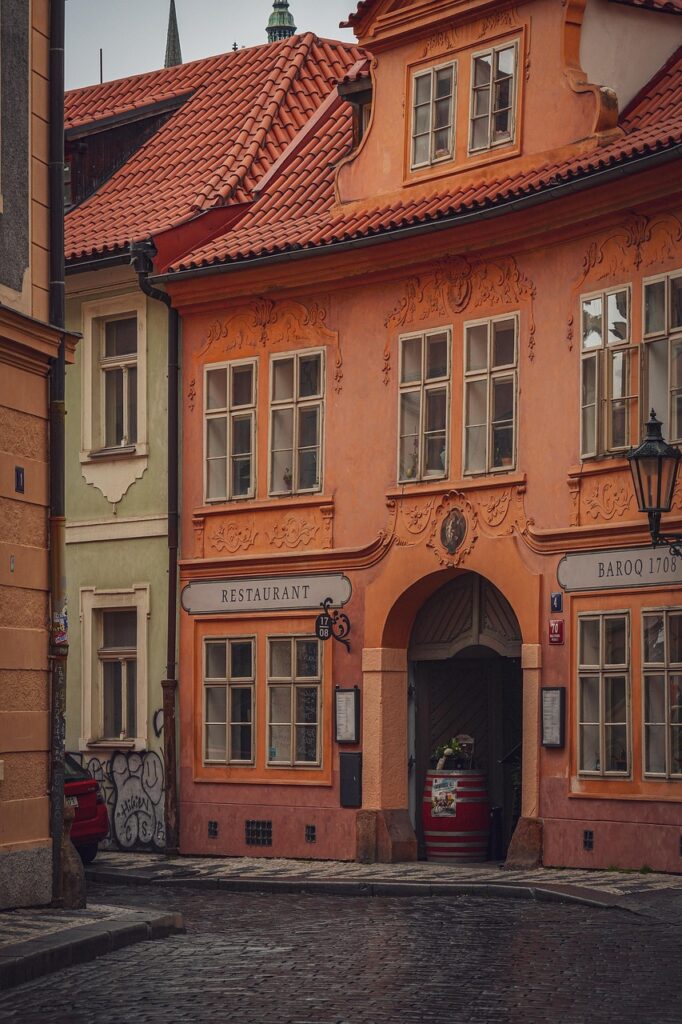
Leave the coast behind and you’ll find another Italy in Sardinia: soft mountains, cork oak forests, winding roads and hilltop villages where time seems to have paused. This off-the-beaten-path route takes you deep into Sardinia’s interior, focusing on perched villages — medieval towns and agro-pastoral hamlets that offer not only stunning views but a living heritage: local museums, craft workshops, carnival masks, family-run trattorie and quiet hiking trails. I designed this itinerary for curious travelers who love combining culture, authentic food and landscapes; it’s best done by rental car over 3 to 5 days depending on your pace.
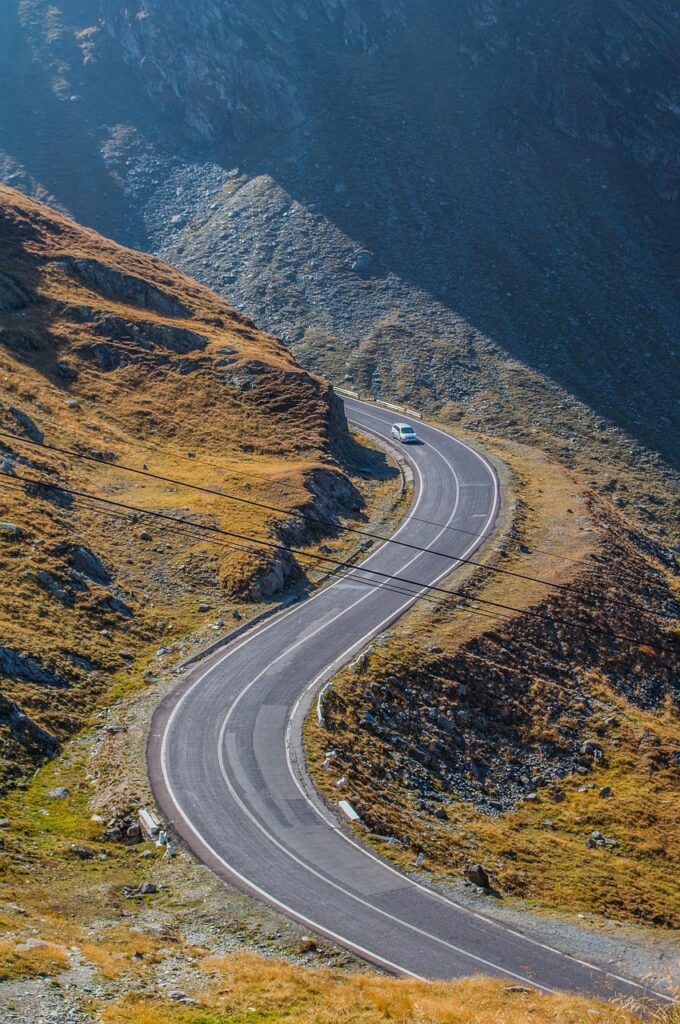
In this area each village has its own story and landmarks: cobbled squares, Romanesque churches, ochre façades, wall frescoes and roofs that overlook valleys and gorges. You’ll find practical, detailed info here: exact addresses for museums and tourist offices, opening hours, entrance fees in euros, local tips to avoid crowds and recommendations for lunch or overnight stays. The route follows a geographic logic that favors scenic secondary roads (SP and SS) and avoids main highways. Expect hairpins and narrow stretches — driving requires focus, but the views are well worth it.
This guide covers standout villages like Orgosolo, famous for its political murals; Mamoiada, the home of the maschères and the Museum of Mediterranean Masks; Orani, a hub for religious art and ceramics; Orotelli, known for pastoral traditions; plus natural stops such as the Gorropu gorge (access from Dorgali) and the interior cliffs of the Supramonte. Each section offers immersive descriptions, addresses (town halls, museums, tourist offices), prices in euros and typical opening times — check details in high season or winter as things can vary. You’ll also find local tips: where to buy aged pecorino, how to book a mask visit, or how to prepare for a pastoral track hike.
Season matters: spring (April–May) and autumn (September–October) bring ideal temperatures and either floral or warm-colored landscapes; summers can be very dry and locals sometimes close for long siestas or during the August holidays (Ferragosto). The roads leave tourist crowds behind and reveal an intimate, authentic Sardinia. Pack a notebook, your camera and sturdy shoes — the Sardinian interior invites slow exploration.
Orgosolo and Mamoiada: murals, masks and pastoral traditions
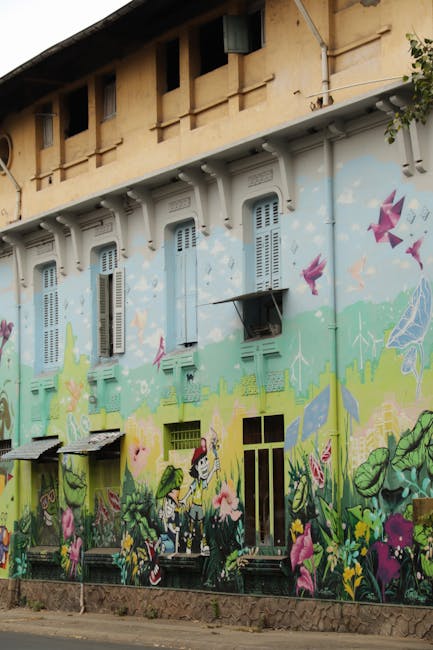
Orgosolo (Comune di Orgosolo, Piazza San Francesco 1, 08027 Orgosolo NU) should be one of your first stops inland. The village is famous for its murals painted on building façades, often politically and socially charged. A stroll through the narrow streets, from Piazza San Francesco to Via E. Musu, reveals more than a hundred open-air works. For an organised introduction visit the Ufficio Turistico Orgosolo (Piazza San Francesco 1, same address): typical opening hours 09:00–13:00 / 16:00–19:00 in high season; closed Sunday mornings off-season. Self-guided walking is free; guided tours in Italian/English are usually available from €10.00 per person (booking recommended).
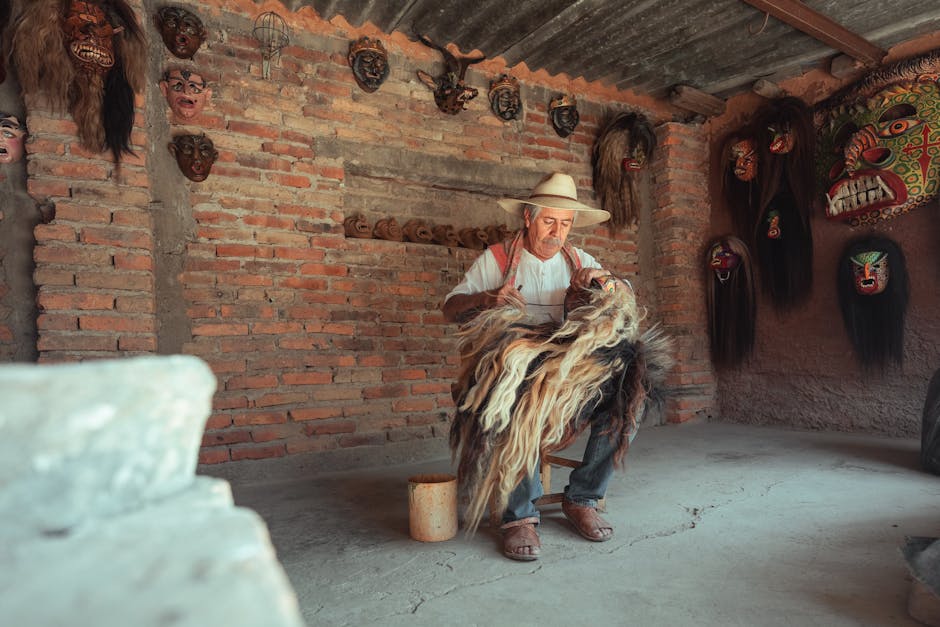
A short drive away, Mamoiada (Museo delle Maschere Mediterranee, Via Nazionale 50, 08020 Mamoiada NU) is the birthplace of the famous mamuthones and issohadores — the masked figures of Sardinian carnival. The Museum of Mediterranean Masks displays collections of masks, costumes and ethnographic documents. Address: Museo delle Maschere Mediterranee, Via Nazionale 50, 08020 Mamoiada (NU). Hours: 10:00–13:00 / 15:30–18:30 (closed Mondays off-season). Tickets: full €6.00; reduced €4.00 (students and seniors). To watch a traditional demonstration contact Pro Loco Mamoiada (Via Cerina 1, 08020 Mamoiada NU); some performances and mask-making workshops cost between €15.00 and €30.00 depending on length and whether you make a small souvenir mask.
Local tips: visit Orgosolo early in the morning to avoid tourist buses. In Mamoiada, book the museum visit the day before in high season and ask if a local artisan can demonstrate traditional mask-making (contact the Museum or the Pro Loco). For lunch, try a family-run trattoria serving porceddu (roast suckling pig) or dishes featuring pecorino — a full meal in a trattoria typically costs €18.00–€30.00 per person depending on drinks.
Orani, Orune and Orotelli: crafts, churches and pastoral trails
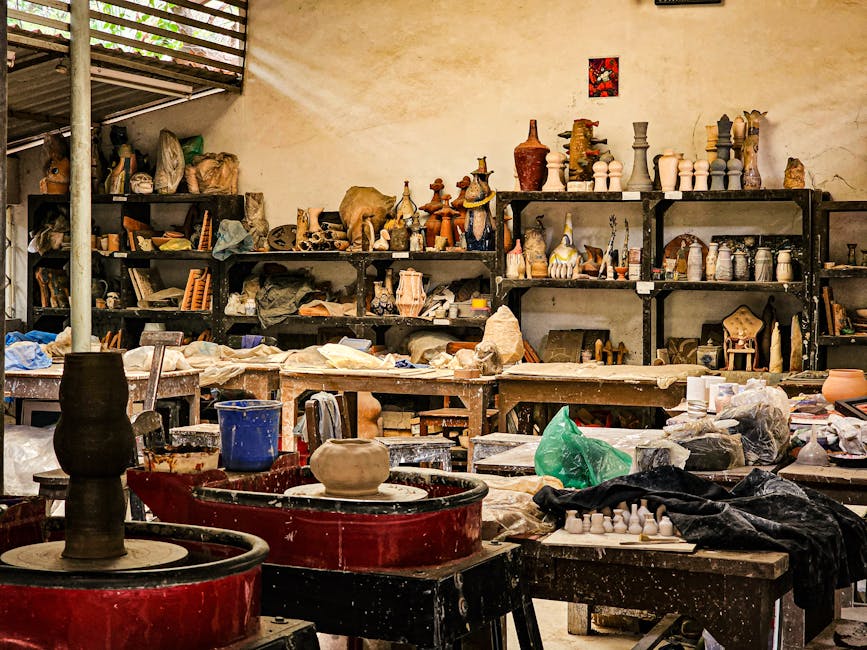
Orani (Museo dell’Arte del Cappello e Casa-Museo Costantino Nivola, Via Carmine 1, 08026 Orani NU) is an important cultural hub inland. The must-see is often the Casa-Museo Costantino Nivola (Via Nivola 12, 08026 Orani NU), dedicated to artist Costantino Nivola, with permanent and temporary exhibitions. Indicative opening hours: 09:00–13:00 / 16:00–19:00; entrance around €5.00–€8.00. Orani is also known for its ceramics and crafts along Via Roma and Corso Repubblica: workshops and shops usually open 09:00–13:00 and 16:00–19:00 (closed afternoons in low season).
Orune (Comune di Orune, Piazza Europa 1, 08020 Orune NU) is a hilltop village that serves as a gateway to megalithic and nuragic sites in the surrounding pastures. The local Tourist Office (Piazza Europa 1) provides hiking maps and information about caves and dolmens. Marked trails are aimed at intermediate hikers; bring water and hiking shoes. Most trails are free but guided cave visits may cost €8.00–€15.00 depending on duration.
Orotelli (Comune di Orotelli, Piazza San Sebastiano 1, 08020 Orotelli NU) is known for pastoral traditions and traditional costumes during festivals. The Church of San Giacomo (Piazza San Giacomo) is an example of regional religious architecture; visiting hours vary with services (contact the local parish: Parrocchia San Giacomo, Piazza San Giacomo, 08020 Orotelli, opening approx. 08:00–12:00 / 16:00–19:00). During local festivals (check exact dates with the town hall) expect shepherd parades in traditional dress and stalls selling local products.
Practical tips: bring small amounts of cash for crafts — many workshops don’t accept cards. The hours listed above may be reduced in low season; call local tourist offices to confirm before you go. If you want aged pecorino, look for local producers: prices roughly €12.00–€25.00 per kg depending on aging.
Dorgali, the Supramonte and the Gorropu gorge: wild nature and hiking
Dorgali (Comune di Dorgali, Via Nazionale 61, 08022 Dorgali NU) is the gateway to the Supramonte massif and the spectacular Gorropu gorge — one of Europe’s deepest. To organise a guided hike contact the Ufficio Turistico di Dorgali (Via Nazionale 61, 08022 Dorgali NU): hours 09:00–13:00 / 15:30–18:30; calling ahead is recommended. Access to the Gorropu gorge is via the Pradu track, about 45 minutes’ drive from Dorgali and then 2–3 hours on foot depending on your start point. Entrance is free, but if you hire a local guide expect €40.00–€80.00 for a half-day (prices vary by group size and services included).
The Supramonte offers karst landscapes, caves, dolmens and dizzying panoramas. For sites like Grotta di Ispinigoli (Località Ispinigoli, 08022 Dorgali NU), check seasonal opening times: often 09:00–13:00 / 15:00–18:00; entrance about €6.00–€8.00. Routes can be technical — ask a local agency about equipment (poles, helmets if needed). If you’re into caving several local clubs run guided outings (from €50.00–€120.00 depending on duration and gear).
Local advice: start early in summer to avoid heat and always carry water (minimum 2 liters per person), a hat, sunscreen and sturdy hiking boots. Access roads to the Supramonte can be narrow and gravelly; a car with good clearance is recommended. Inns and guesthouses in Dorgali serve menus focused on local produce: a full dinner (starter, main, dessert, wine) typically costs €25.00–€40.00 per person.
Sadali, Teti and tasty stops: waterfalls, cheeses and traditional breads
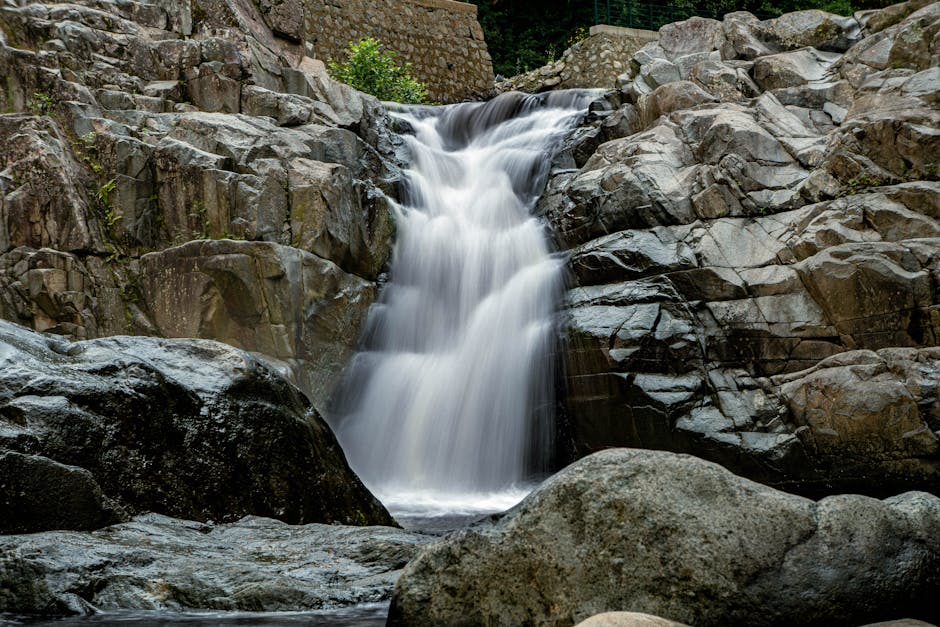
Sadali (Comune di Sadali, Piazza Municipio 1, 08030 Sadali SU) is a small hilltop village famed for its waterfalls and gorges. The Sa Spendula waterfall (follow local signs from Piazza Municipio) is a pleasant 20–30 minute walk from the village center. Access is free; paths are well marked but can be slippery after rain. For maps and info contact Pro Loco Sadali (Piazza Municipio 1): hours 09:00–12:30 / 16:00–19:00 in high season.
Teti (Comune di Teti, Via Nazionale 1, 08010 Teti NU) is lesser-known but offers an authentic glimpse of pastoral life. Look out for artisanal bakeries (Pane Tradizionale) and local cheese producers: you can often buy pecorino, ricotta sarda or even casu marzu directly from farms. Price examples: traditional loaf €2.50–€4.00; cheeses €12.00–€30.00 per kg depending on aging and quality.
Recommended food stops: a mountain trattoria will often serve zuppa gallurese (bread and cheese soup), pasta with kid goat sauce and simple desserts like seadas (cheese pastry with honey). Expect a typical village lunch to cost €15.00–€28.00 per person. Don’t forget to buy local honey, extra virgin olive oil and artisanal jams: small jars of honey usually cost €5.00–€10.00.
Practical tips: if you plan to buy farm products, bring cash. Always ask whether the product is made on-site and, if possible, taste before buying. Local markets usually run once a week (check days with town halls) and are the best spot to discover interior Sardinia’s authentic gastronomy.
Conclusion — Preparing your crossing of the hilltop villages
The route through the perched villages of Sardinia’s interior is rich and varied: from politically charged murals and carnival masks to karst landscapes and pastoral know-how, you’ll discover a Sardinia far from the popular beaches. To get the most from this circuit allow 3 to 5 days, pre-book certain museums or workshops (Museo delle Maschere Mediterranee in Mamoiada, Casa-Museo Costantino Nivola in Orani) and head out early for the best viewpoints. Recommended transport: rental car (opt for a compact with higher clearance or a light SUV); check your insurance for gravel roads and secondary tracks. In high season opening hours for offices and small shops can change (long siestas, August closures) — call the town hall or museum listed to confirm.
Budget-wise plan roughly €40.00–€80.00 per person per day for meals, entries and activities (excluding accommodation and car rental); a half-day guided visit in the Supramonte or a mask workshop generally costs €40.00–€80.00 depending on group size. For lodging, agriturismi and small guesthouses offer a more authentic stay than hotels: €50.00–€120.00 per night depending on level and season. Carry small banknotes — many tiny businesses don’t accept cards.
Finally, respect the environment and local customs: don’t pick protected plants, take all your rubbish with you and always ask before photographing people in traditional dress. That respect will often open doors to homes, workshops and family kitchens, turning your itinerary into a human as much as a visual journey. The route of perched villages in Sardinia’s interior promises encounters, flavors and vistas that stay with you long after the drive — be ready to travel slowly, listen to stories and follow the secret paths that only locals know.