





Introduction: Rural festival season in Sardinia — between sky, stone and generous tables
Sardinia is an island where time often feels measured by religious seasons, sowing and harvest cycles, evening vigils and shared feasts. During the rural festival season — around Christmas, New Year, Epiphany, and the big patron saint celebrations in summer that can stretch into autumn — Sardinian villages move to the rhythm of ancient ceremonies, communal processions and generous banquets. These moments blend Catholic faith with traces of older pastoral beliefs, producing rituals in which people sing, parade in traditional dress, break sacred loaves and share rustic dishes prepared from recipes passed down from mother to daughter.
For the traveler, diving into these rural festivals means stepping away from frantic tourism and slipping into communal customs where community comes first. Ceremonies often take place around centuries-old religious buildings — the Basilica di Saccargia in Codrongianos, the Chiesa di Nostra Signora di Bonaria in Cagliari, or the parish church of Santa Maria Assunta in Nuoro — but also in paved squares, under arcades, or at the foot of millennial nuraghi like Su Nuraxi di Barumini. Each place, through its stone and memory, gives a different tone to the rites: hushed fervor in Romanesque basilicas, robust polyphonic singing facing the sea, or wild dances amid olive groves.
Beyond liturgy, village banquets are the heart and soul of these rural festivities. Long trestle tables are set up near the town hall (Municipality) or in front of the house of the confrere hosting the meal. Typical dishes — porceddu roast suckling pig, malloreddus (semolina gnocchetti), pane carasau (crisp flatbread), seadas (cheese fritters with honey) — are served by locals themselves or by gastronomic fraternities. Pop-up markets fill with cheeses such as pecorino sardo, cured sausages, mountain honey and native wines like Vernaccia di Oristano or Cannonau di Sardegna.
Finally, these festivals are ideal for witnessing living crafts: leather and wooden masks, hand-embroidered costumes, silver filigree jewelry, and painted ceramics with geometric patterns. They also offer unique sensory experiences: crackling fires, the scent of grilled rosemary, the tolling of bells, the voice of the old master of ceremonies and children’s laughter chasing fireworks. In this article I offer an immersive guide to understanding, appreciating and taking part respectfully in these celebrations — with places, addresses, opening times, prices and practical tips to plan your trip during Sardinia’s rural festival season.
Religious traditions and processions: emblematic sites, schedules and practical details
Religious ceremonies are the heart of the rural festivals. They take place in historic sites loaded with symbolic meaning. Notable places to know include:
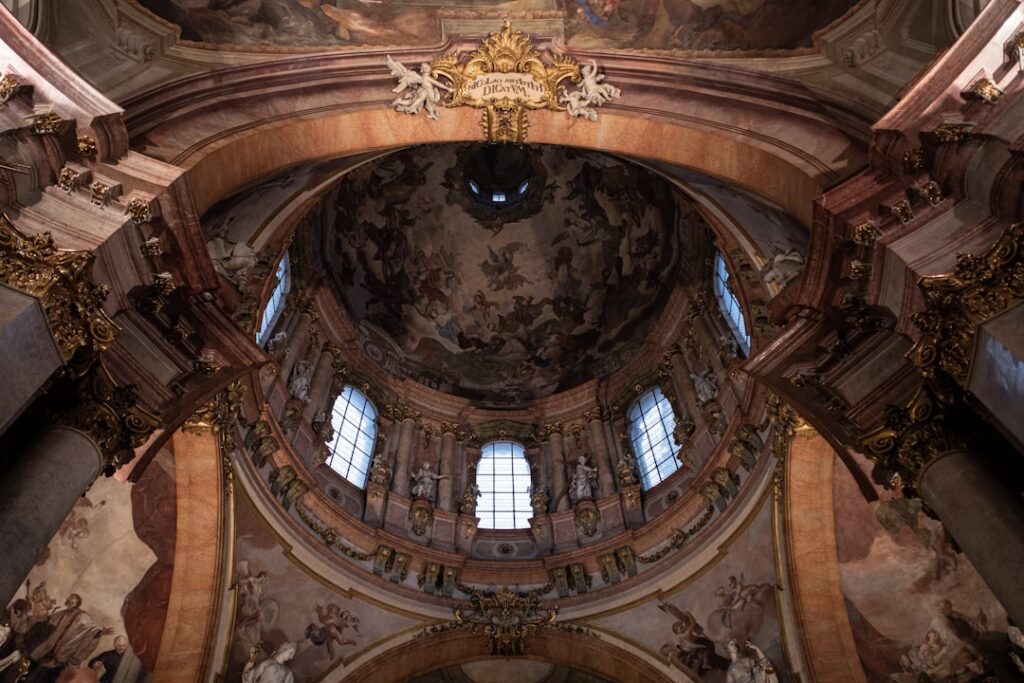
- Basilica di Saccargia – Piazza Saccargia, 07040 Codrongianos (SS). Opening hours: open daily from 09:00 to 18:00 (summer hours), Sunday mass at 10:30. Entry to the basilica is free; guided visits for the cloister and surroundings are paid through the Municipal Tourist Office (approx. €5 per person). Description: a 12th-century Pisan-Romanesque building with a striking facade in bands of basalt and limestone, a central site for Nativity processions and Madonna feasts. Practical tip: arrive 30 minutes before mass to get a seat and see confraternities preparing.
- Chiesa di Nostra Signora di Bonaria – Via Sant’Ignazio da Laconi, 09135 Cagliari (CA). Opening hours: church open 08:00–12:00 and 16:00–19:30; daily mass at 18:00. Description: an urban sanctuary of popular devotion and a gathering point for city confraternities. Price: free entry; guided tours organized by the parish on request (suggested donation €3–5). Practical tip: combine the visit with a trip to the Mercato Civico di San Benedetto (Piazza San Benedetto, 09100 Cagliari), open Monday–Saturday 07:00–14:00, to sample fresh products before or after the ceremony.
- Chiesa di Santa Maria Assunta – Piazza Sebastiano Satta 1, 08100 Nuoro (NU). Opening hours: church open 09:00–13:00 and 16:00–19:00; Sunday mass at 10:00. Description: the spiritual heart of Nuoro, a town known for its attachment to pastoral traditions and polyphonic singing. During festivals, processions wind through the medieval alleys with participants in traditional costume. Practical tip: visit the Museo del Costume (Via Sebastiano Satta 15, Nuoro) — opening 09:00–13:00 and 15:00–18:00; €8 full price, €5 reduced — to see the costumes worn during the ceremonies.
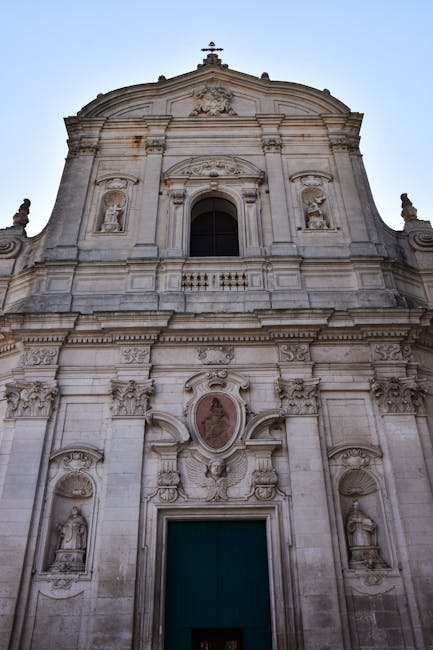
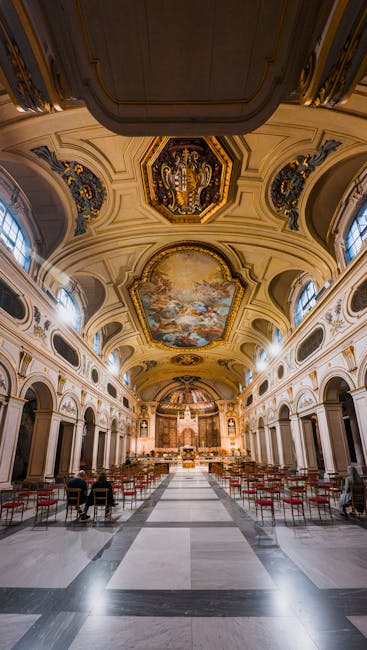
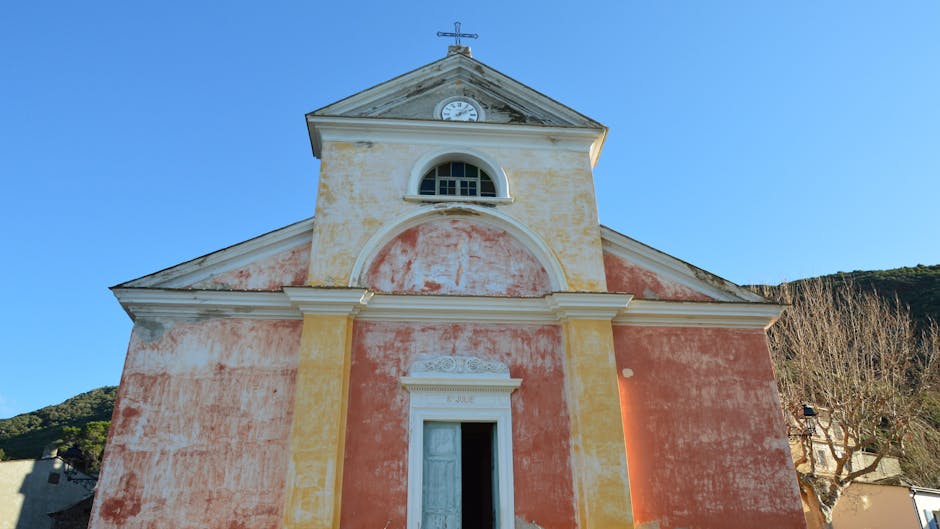
Ceremonies often follow a set calendar: Christmas celebrations (24–25 December) feature midnight masses and live nativity scenes; Epiphany (6 January) includes house blessings and the exchange of blessed bread; local patron saint festivals (for example the Festa di San Simplicio in Olbia, Piazza San Simplicio, 07026 Olbia OT, celebrated in early May) mix solemn mass with street performances. Many villages organize novenas — nine days of prayers — and processions accompanied by confraternities carrying statues and banners. Procession times are usually set by the parish and announced on municipal notice boards and the parishes’ Facebook pages.
Practical tips for attending respectfully:
- Wear modest clothing when entering churches (shoulders and knees covered).
- Arrive early to take discreet photos; always ask permission before taking portraits of locals.
- If you want to take part in a procession, speak to the parish bench or sacristy the day before to learn the rules and the route.
- Bring cash for donations; some small confraternities ask for a contribution (€1–10) to fund fireworks or the banquet.
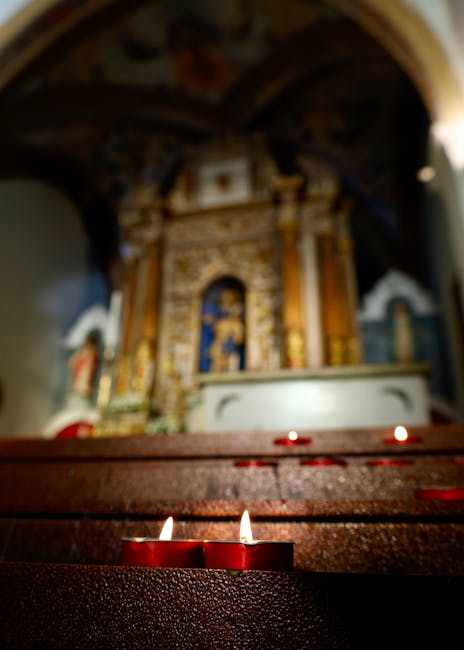
Village banquets: dishes, markets, addresses, prices and recipes to know
The village feast in Sardinia is as much a communal experience as a culinary one. Tables are where ancestral recipes are shared and local products are showcased. Here are some addresses and details to taste banquets and understand how they’re organized:
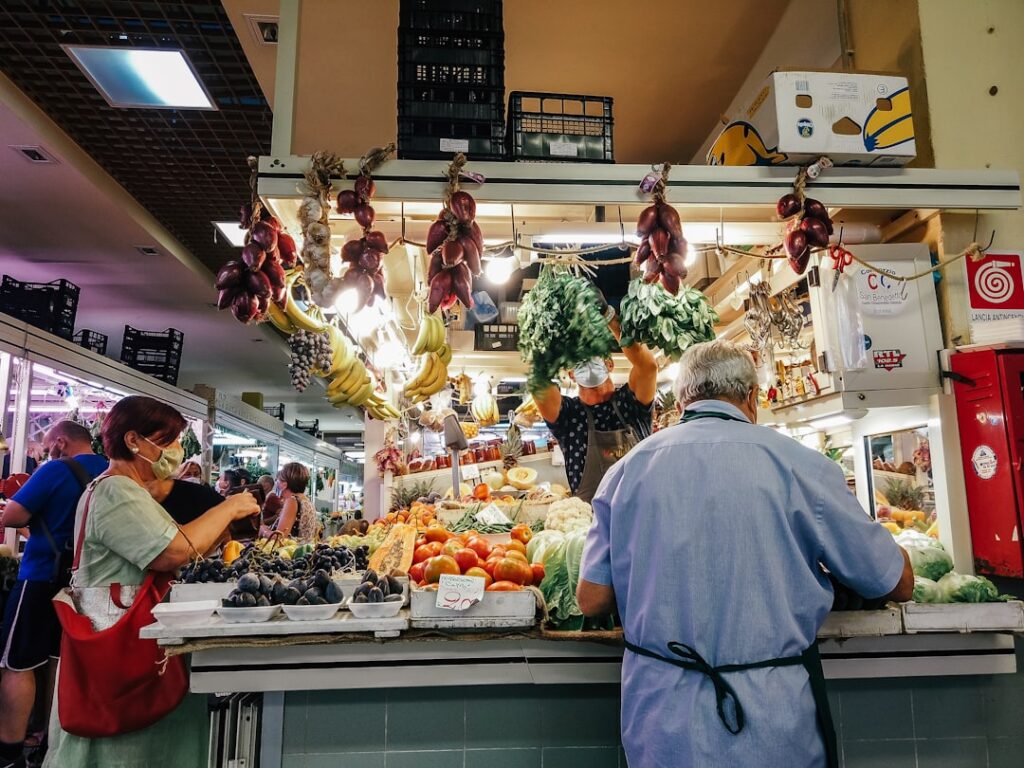
- Mercato Civico di San Benedetto – Piazza San Benedetto, 09100 Cagliari. Opening hours: open Monday–Saturday 07:00–14:00; closed Sunday. Description: Cagliari’s main market, ideal for buying fish, cheeses, vegetables and cured meats. Indicative prices: pecorino sardo €12–18/kg depending on aging; bottarga di muggine (mullet roe) €40–80/kg; fresh fish depending on catch. Tip: arrive early to get the best ingredients for a celebratory banquet.
- Antica Trattoria da Lorenzo – Via Roma 12, 07041 Alghero (SS). Opening hours: 12:30–15:00 and 19:30–23:00 (closed Wednesday). Signature dish: porceddu rosticciato (roast suckling pig) €18–22 per portion; malloreddus alla campidanese €9–12. Description: a trattoria famed for traditional Sardinian recipes, often hired for private village banquets. Reservation recommended for large groups (phone: +39 079 971XXX).
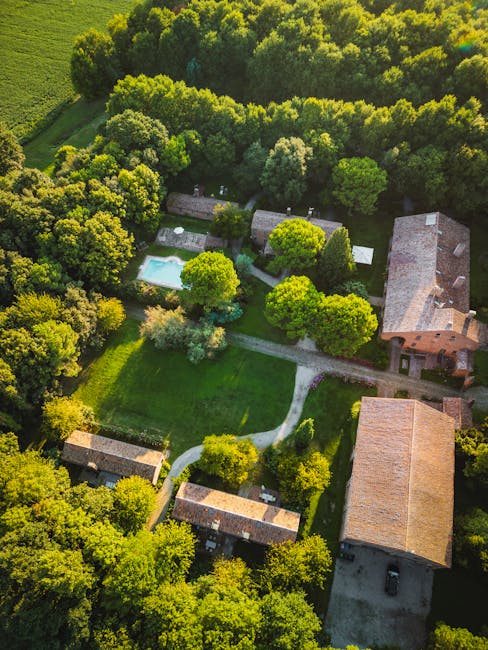
- Agriturismo Su Cantaru – Località Su Cantaru, 09016 Iglesias (CI). Opening hours: meals by reservation, usually 12:30–14:30 and 19:00–21:00. Price for a traditional banquet on-site: set menu €28–45/person (starter, main, dessert, local wine). Description: a farmhouse inn offering farm products (cheeses, porceddu, garden vegetables). Practical tip: try the local Cannonau by the pitcher (25 cl = €4–6) and book a night to join the next morning’s pane carasau bread-making session.
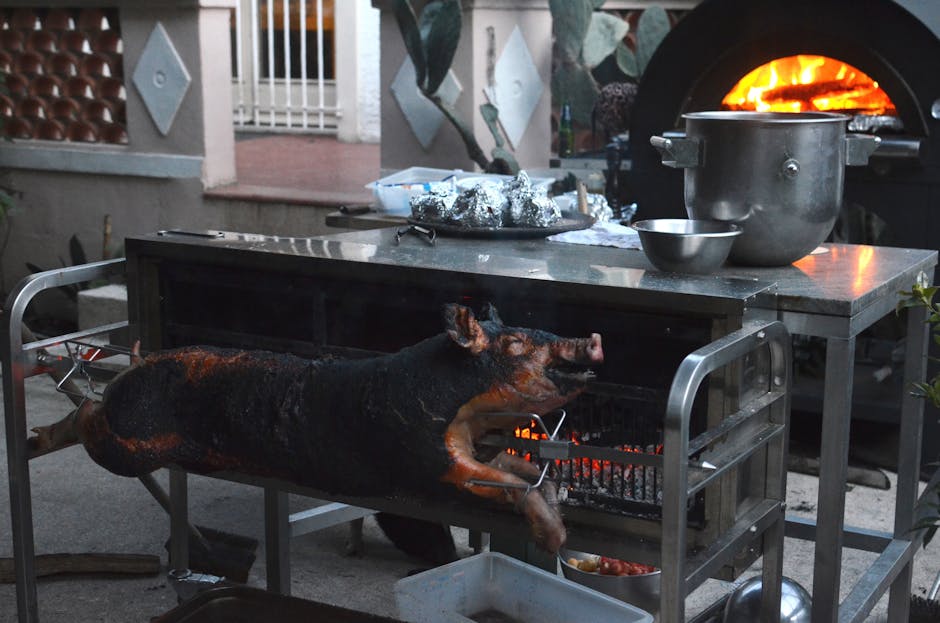
Signature dishes you’ll see at these celebrations:
- Porceddu – spit-roasted suckling pig, scented with myrtle and rosemary; banquet price: €15–25 per portion depending on size and preparation.
- Malloreddus – semolina pasta served with a sausage ragù or saffron; trattoria price: €8–12 per portion.
- Pane carasau – very thin, crisp flatbread, often served at will; artisanal bread €3–5/kg at local bakeries.
- Seadas – cheese-filled fritter drizzled with honey, the emblematic dessert; €3–6 per portion.
During festivities, it’s common for local confraternities to offer affordable menus to raise funds for charity: festive menus between €10 and €20 per person, wine included. Budget-conscious travelers should favor these sagre (village festivals) over tourist restaurants: they deliver authenticity, conviviality and transparent prices.
Preparation tips and quick recipes:
- To make a porceddu in the oven Sardinian-style: rub with salt, pepper and myrtle, place myrtle branches inside the cavity and roast slowly at 140–160 °C for 4–6 hours depending on weight. Approximate cost for 6 people: €80–120 for a 10–12 kg piglet.
- For homemade malloreddus: 400 g semolina, 200 ml hot water, a little oil; roll and shape into small shells; cook 6–8 minutes; serve with a sausage ragù (cost per dish for 4 people: €12–18).
Pagan ceremonies, masks and music: villages, musicians, addresses and recommendations
Alongside Christian rites, Sardinia preserves a rich palette of pagan and folkloric traditions, often staged during village festivals. Leather and wooden masks, folk dances and polyphonic singing create a primitive yet joyful atmosphere. Points of interest include:
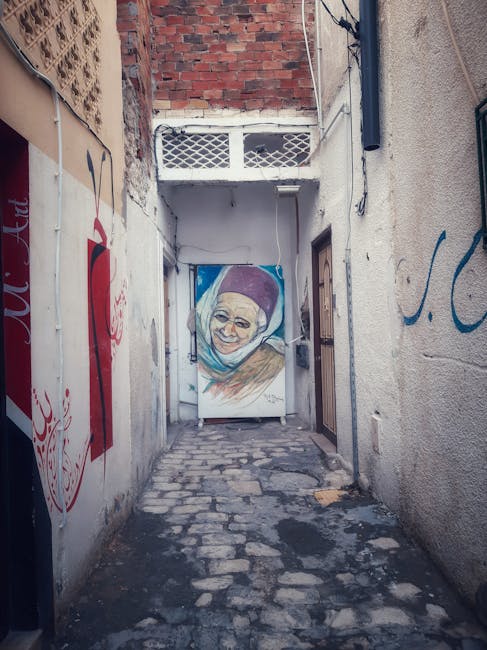
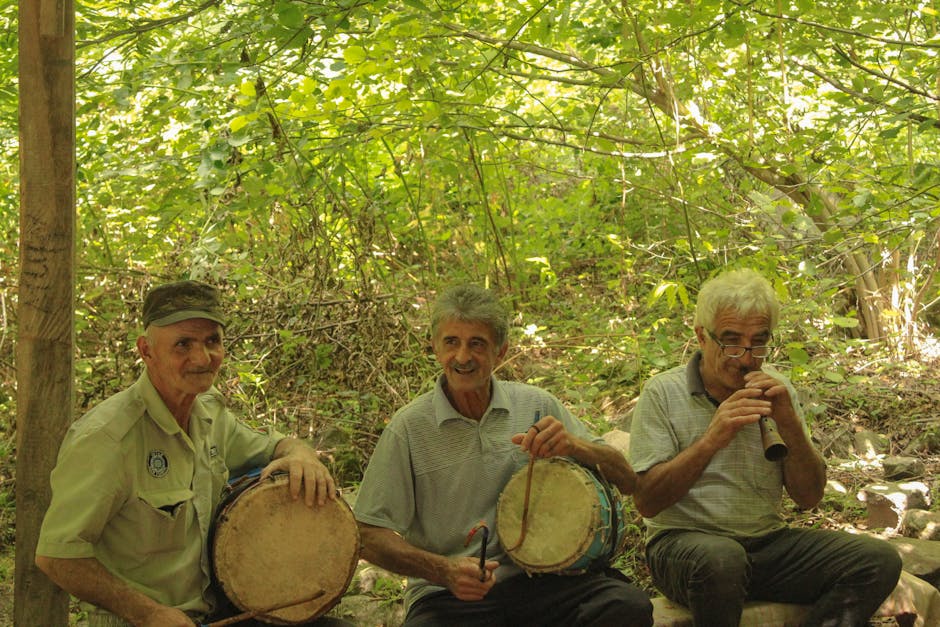
- Orgosolo (Municipality of Orgosolo) – Historic centre, 08027 Orgosolo (NU). Description: famous for its murals, Orgosolo is also a hub for pastoral songs and dances (canto a tenore). During village festivities (notably the Festa di Sant’Antonio and Christmas), groups of suonadores (musicians) parade the streets with drums and launeddas. Practical tip: the Festa di Sant’Antonio (17 January) includes animal blessings and pagan rituals; budget €0–5 for participation offerings.
- Sant’Antioco – Festa di San Antioco – Piazza Umberto I, 09017 Sant’Antioco (CI). Dates: main celebrations around 13 December. Description: a large island-wide festival blending religious processions and sea-related pagan rites; concerts and artisan markets animate the day. Price: free entry, popular meals €8–15 per portion.
- Bands and launeddas – Check concerts at the Teatro Civico di Sassari, Via Luigi Canepa 3, 07100 Sassari (SS). Schedule: varies; tickets €10–25 depending on the show. Description: the launeddas, an ancient reed instrument, accompany ritual dances; traditional music concerts are often scheduled in summer and during village festivals, sometimes with workshops to learn the rhythms.
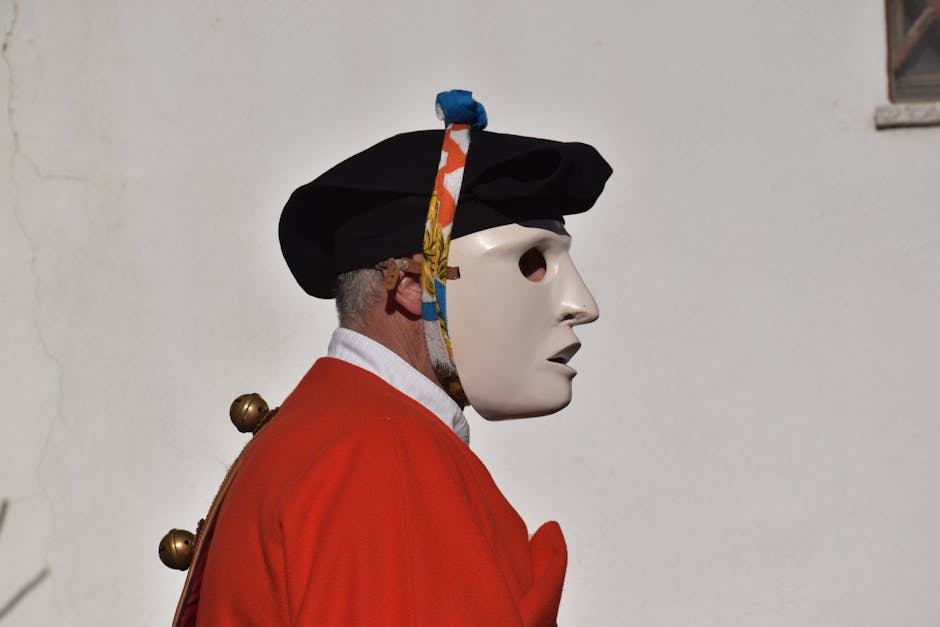
Carnival masks (like the Mamuthones of Mamoiada) are a must-see: Mamoiada (08024 Mamoiada NU) is famous for carnivals where masked groups march through the streets rattling chains and bells. Practical info:
- Museo delle Maschere Mediterranee – Via Vico 9, 08024 Mamoiada (NU). Opening hours: 10:00–13:00 and 15:00–18:00 (high season); ticket €6–10. Description: a museum dedicated to traditional masks, perfect for understanding the meaning of costumes before attending a parade.
Practical tips:
- Check carnival and festa tradizionali schedules via the local Tourist Offices (Ufficio Turistico) — often open 09:00–13:00 on weekdays. Participation in parades: sometimes free, sometimes by reservation; budget €10–20 for costumes or donations.
- Respect the symbolism of masks: don’t touch costumes without permission and photograph with discretion. Many wearers consider these objects sacred.
- If you want launeddas lessons or a cooking workshop, contact local cultural associations (Associazione Culturale) that run sessions during festivals; workshop prices €20–50 per person depending on duration.
Recommended itineraries and practical tips to fully experience the rural festivities
To get the most out of Sardinia’s rural festivals, plan an itinerary combining sacred sites, markets, museums and mountain villages. Here are two sample routes plus logistical and practical advice.
Itinerary 1: South and Cagliari (3–4 days)
- Day 1: Cagliari – Mass at the Chiesa di Nostra Signora di Bonaria (Via Sant’Ignazio da Laconi), visit the Mercato Civico di San Benedetto (Piazza San Benedetto, 07:00–14:00). Overnight at Hotel Regina Margherita, Via Roma 15, 09124 Cagliari (rooms €70–120/night depending on season).
- Day 2: Excursion to Nora (Area Archeologica di Nora, SP87, 09010 Pula CA). Archaeological site hours: 09:00–19:00 in summer; ticket €8–12. Evening: join a local sagra if the festival calendar allows (menus €10–20).
- Day 3: Sant’Antioco – attend a maritime festival or artisan market. Return to Cagliari or continue westward.
Itinerary 2: Centre and North (4–6 days)
- Day 1: Barumini – visit the Su Nuraxi nuragic complex (Piazza Europa, 09021 Barumini SU). Opening hours: 09:00–19:00 in high season; adult ticket €15, reduced €10. Reservation recommended (tel. +39 070 937XXX).
- Day 2: Orgosolo – murals and songs; overnight in Nuoro (B&B in the historic center, €50–90/night).
- Days 3–4: Mamoiada – join mask workshops and visit the Museo delle Maschere Mediterranee; partake in a sagra if scheduled.
Logistics and practical advice:
- Transport: renting a car is strongly recommended to reach rural villages (rates €30–60/day off-season). Public transport exists (ARST regional buses) but services are limited in the evenings and on Sundays.
- Accommodation: favor agriturismi and bed & breakfasts for a local immersion. Prices: agriturismo €60–120/night for a double room with breakfast; book early for festival dates (at least 4–6 weeks ahead for big events).
- Cash: carry cash for markets and small festivals (many organizers accept only cash), though most restaurants accept cards (Visa/Mastercard). ATMs are located in main towns; fees vary by bank.
- Language and etiquette: a bit of Italian or the local Sardinian dialect helps. Useful phrases: « Happy holidays » = « Buone feste », « Thank you » = « Grazie », « Excuse me » = « Permesso » (to pass through a procession).
- Health and comfort: bring comfortable shoes for cobbled streets and a warm layer for winter evenings. In case of emergency, dial 112 in Italy.
Conclusion: Immerse and celebrate with respect — last-minute guide
Sardinia’s rural festivals provide a unique window into island life: they reveal a world where religion, pastoral memory and conviviality mix through ceremonies, dances, masks and feasts. For the attentive traveler, these celebrations are opportunities to learn, taste and take part without disturbing the locals. Plan ahead, check with local tourist offices, respect the rules in places of worship, contribute to confraternity funds if you join events, and prioritize local producers for your meals. The addresses and opening times listed — Basilica di Saccargia (Piazza Saccargia, Codrongianos), Chiesa di Nostra Signora di Bonaria (Via Sant’Ignazio da Laconi, Cagliari), Su Nuraxi di Barumini (Piazza Europa, Barumini), Museo del Costume (Via Sebastiano Satta 15, Nuoro), Mercato Civico di San Benedetto (Piazza San Benedetto, Cagliari), Museo delle Maschere Mediterranee (Via Vico 9, Mamoiada) — are practical starting points to build a festival-focused itinerary.
Here’s a final checklist for travelers wanting to immerse themselves:
- Book your lodging (agriturismo or B&B) at least 4–6 weeks before the festival date.
- Rent a car if you plan to visit multiple villages; be ready for winding roads and limited parking.
- Bring cash for markets, donations and street food; expect popular menus around €8–20.
- Dress modestly for churches and bring a jacket for cool evenings.
- Photograph respectfully: ask permission for portraits and avoid disrupting sacred rituals.
- Take part in workshops (launeddas, cooking, pane carasau-making) for a genuine immersion — budget €20–50 depending on the activity.
Finally, remember that Sardinia is a living place where traditions evolve. Locals generally welcome those who come to understand and celebrate with them. By embracing local codes and showing curiosity and respect, you’ll leave not only with flavors and images but with human stories and connections — the true treasure of Sardinia’s rural festivals. Happy holidays and safe travels!