





Introduction — Virgin Mary Festivals in Sardinia: popular devotion and living heritage
Sardinia is a place where the sacred blends with everyday life, and the Virgin Mary festivals (Festa della Madonna / Festa della Vergine) take on many deeply rooted forms. Each year, from the Mediterranean coast to inland villages, communities come together to honor the Virgin Mary through pilgrimages, processions, solemn masses, vows and offerings. These religious events are not only spiritual ceremonies: they are a living expression of collective identity, where music, traditional costumes, local food and acts of devotion combine to create moments of powerful emotion.
This general guide offers an immersive overview of the main Marian festivals in Sardinia, pinpointing exact locations, addresses, typical schedules, possible costs, practical tips and detailed descriptions of rituals and atmospheres. Whether you’re a pilgrim seeking a spiritual experience, a photographer drawn to nocturnal processions, or a curious traveler wanting to understand how faith is expressed on the island, this text aims to help you prepare for your visit.
You’ll find several major sanctuaries and basilicas dedicated to the Virgin in Sardinia: during festival days they become the heart of a popular mobilization where devotion and celebration merge. Ceremony times vary by town and year — morning mass, afternoon procession, night vigil — and it’s common for long pilgrimages to end with a landing on the coast, a collective prayer or the blessing of boats.
This guide provides exact church and sanctuary addresses, practical information on fees (entrance to churches is generally free; some museums or adjacent sacred art collections may charge €3–10), and indicative schedules for celebrations. You’ll also find local tips like the best viewing spots for processions, how to behave respectfully during rites, and which regional products to sample at festival stalls. Finally, to help you plan shots and souvenirs, visual markers punctuate the article to inspire memorable photos.
Basilica of Our Lady of Bonaria (Basilica di Nostra Signora di Bonaria) — Cagliari: maritime pilgrimage and grandeur
The Basilica of Nostra Signora di Bonaria, located in the heart of Cagliari, is one of Sardinia’s most important Marian sanctuaries. Exact address: Basilica di Nostra Signora di Bonaria, Piazza Bonaria 1, 09121 Cagliari CA, Italy. During the patron feast (Giornata della Madonna di Bonaria, usually celebrated on the second Sunday of May), thousands of worshippers converge by sea and by land. Maritime processions often start from the port of Cagliari (Porto di Cagliari, Via Roma, 09124 Cagliari CA) and follow the coast to the pier near the basilica, creating a striking spectacle of boats decorated with banners and lights.
Typical schedule: Solemn mass at the basilica at 10:00, maritime blessing at 12:30 on the pier, evening procession around 20:30. The basilica is open to the public every day: 07:30–12:30 and 16:00–19:00; services and confessions vary with the liturgical calendar. Fees: entrance to the basilica is free; guided visits to the Marian museum (when available) €4–6; paid parking in nearby municipal lots (about €1.50 / 30 min).
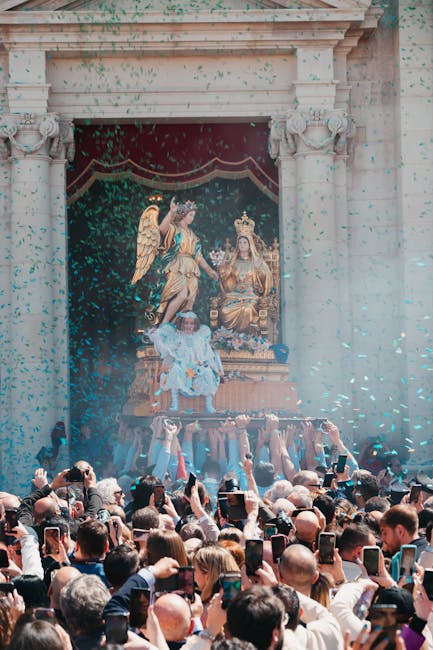
Immersive description: arriving at Bonaria on festival day means smelling candle wax and hearing the songs of local confraternities (confraternite) mingling with the sound of the waves. The baroque façade and the statue of the Virgin surrounded by garlands of flowers provide a solemn setting. Worshippers crowd to touch the reliquary, attach ex-votos and follow the procession in silence or while singing litanies in Sardinian and Italian.
Local tips: arrive early (before 09:00) to secure a good spot near the basilica, or to board one of the modest boat tours organized by small cooperatives (booking recommended: Porto di Cagliari boat tours approx. €15–25). Bring a scarf for the evening — the coastal wind can be chilly. Observe rules of silence inside the sacred precinct: photograph without flash during services.
Santuario di Nostra Signora di Tergu — Tergu and Aggius: village processions and age-old traditions
The Sanctuary of Nostra Signora di Tergu, officially Santuario di Nostra Signora di Tergu, is located near the village of Tergu in the province of Sassari; recommended address: Santuario di Nostra Signora di Tergu, Località Tergu, 07030 Tergu SS, Italia. The Virgin’s feast here is the occasion for a pilgrimage deeply rooted in the rural and pastoral traditions of the Anglona area: processions along footpaths, outdoor mass, blessing of animals and crops, and Sardinian polyphonic singing (cantu a tenore) that gives the event both secular and sacred dimensions.
Typical times: Night vigil the evening before at 21:00, solemn mass in the morning at 11:00, village procession in the afternoon around 17:00; the sanctuary is generally open 08:00–12:30 and 15:30–19:00. Fees: access to the sanctuary is free; some local festivities (communal meals, cantu performances) may request a symbolic contribution of €5–10.
Immersive description: Tergu’s narrow streets come alive: stalls sell culurgiones (Sardinian stuffed pasta), local nougat and Gallura wines. Devotees carry the statue of the Virgin on decorated platforms, accompanied by musicians playing the accordion and a tenore choir. The atmosphere is both intimate and dignified, with whole families taking part in the procession, often wearing hand-woven traditional clothing.
Local tips: to fully enjoy the experience, stay in Aggius (Hotel Sa Lossi, Via Nazionale 24, 07020 Aggius SS; indicative price €60–110 / night depending on season) and reserve a place for the parish communal meal (bookings usually on site or via the Tergu town hall: +39 079 560 123 — verify locally). Comfortable shoes are recommended: some sections of the procession follow paved alleys and countryside paths.
Santuario della Madonna del Rimedio — Alghero and the coastal procession: devotion and sea spray
The sanctuary dedicated to the Madonna del Rimedio, often celebrated in Alghero and its surroundings, is located near the old port and the historic quarters of Alghero. A useful reference address: Chiesa della Madonna del Rimedio, Via Barceloneta 8, 07041 Alghero SS, Italy (check the exact address with the local parish). Marian festivals in Alghero are known for processions that descend toward the sea, blessings for fishermen and sometimes historical reenactments in Catalan costume — a legacy of the city’s Catalan past.
Indicative schedule: morning mass at 10:00, procession between 18:00 and 20:00 with a final blessing at sunset; the sanctuary / church may be open 09:00–12:00 and 16:00–19:00. Fees: church entry is free; boat trips offered by local operators to follow the procession from the sea (approx. €20–35 per person depending on duration).
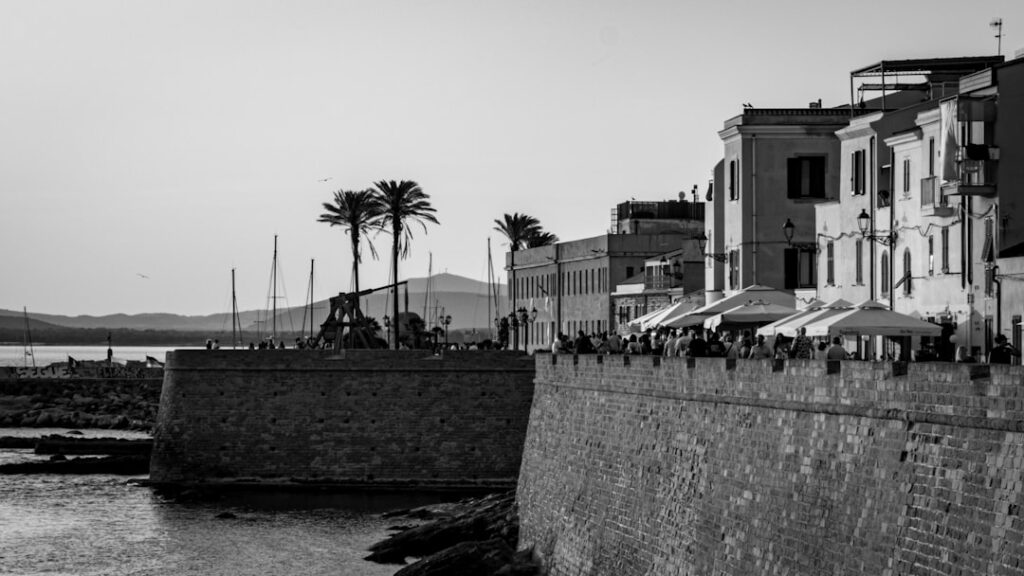
Immersive description: the evening procession along Alghero’s walls provides a striking contrast between the city’s ancient lights and the reflection of torches on the sea. Liturgical songs in the local Catalan dialect (barcelonès) blend with the voices of children and elders carrying the statue of the Virgin. Streets are draped with flags, and food stalls offer grilled lobster, seadas (cheese pastry) and a selection of wines from northwest Sardinia.
Local tips: reserve your viewing spot on the ramparts or book a boat with operators such as Alghero Boat Tours (Alghero port, Via Porticia 7; excursions €20–40). Arrive early if you want to admire the Catalan costumes and municipal officials. Watch parking: during festival season many areas near the port are reserved; prefer public parking (Porto Vecchio parking, Via Lo Quarter, rates around €1.20 / 30 min).
Local culture, practical tips and pilgrim etiquette
Attending a Virgin Mary festival in Sardinia calls for a mix of respect, curiosity and practical preparation. Here’s general information applicable to most Marian celebrations on the island, plus tips to help you fully experience the event while respecting local communities.
- Behavior and dress: inside sacred spaces, opt for modest clothing (shoulders covered, no very short shorts). Avoid using flash during ceremonies and ask permission before taking close portraits, especially of elderly people or those in prayer.
- Timings: many processions start in the late afternoon and continue late into the evening; plan for drinks, a jacket against the wind and comfortable footwear. Morning religious services generally take place between 08:00 and 11:30.
- Access and costs: most churches are free. Local transport options: ARST intercity buses (www.arst.sardegna.it) and taxi services; in high season budget €10–30 for trips between villages. For private guided visits, budget €50–120 depending on duration and language.
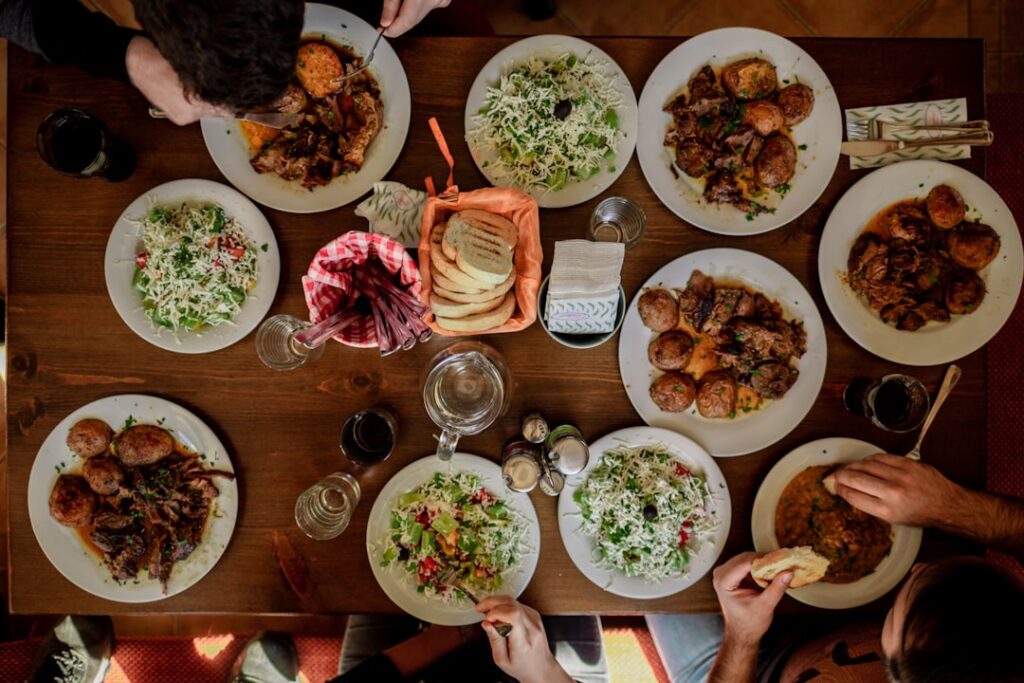
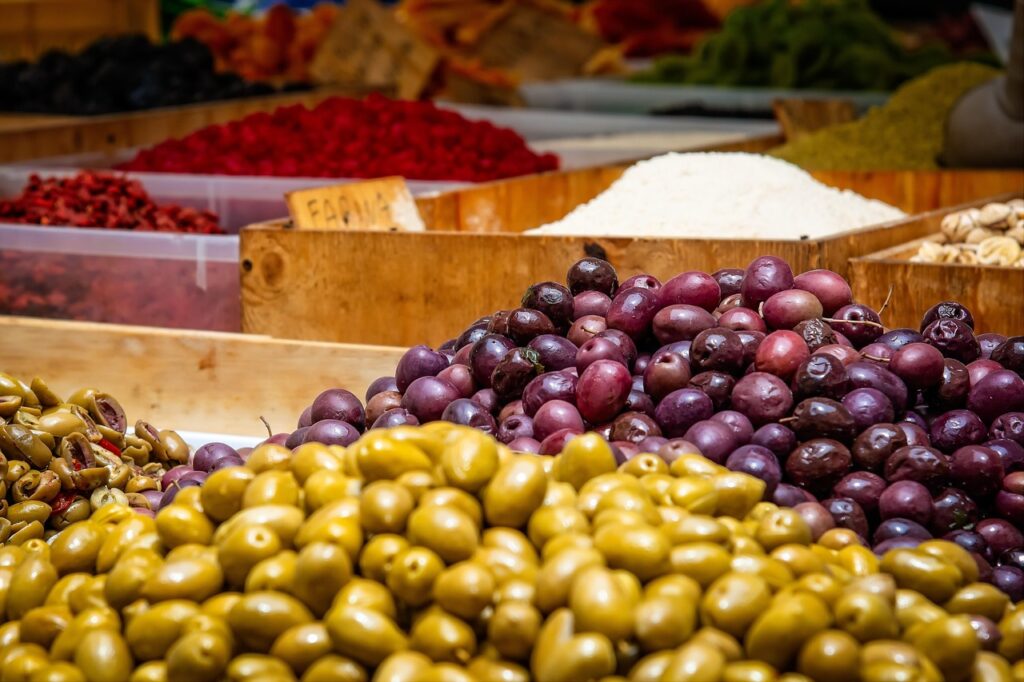
- Food and crafts: enjoy festival stalls and try culurgiones (≈€6–10 per serving), porceddu (roast suckling pig on special occasions, price varies), seadas (≈€3–5), and regional wines like Vermentino di Gallura (bottles €8–20 sold directly).
- Photography: respect the “no flash” rule during services; favor wide-aperture lenses for night scenes. Coastal procession views offer dramatic compositions — remember to protect your gear from salt and moisture.
- Supporting locals: contribute to collections and buy locally (offerings, artisan products, donations to parishes) — this is often the main funding source for confraternities and church restorations.
Other Marian sanctuaries and festivals to discover
Beyond the sites detailed above, Sardinia offers many other places of worship and Marian festivals worth visiting: the Madonna di Monserrato in Sassari (Chiesa di Nostra Signora di Monserrato, Piazza Monserrato, 07100 Sassari SS), the Madonna della Neve in Nuoro (Chiesa della Madonna della Neve, Via Roma 12, 08100 Nuoro) and the Santuario di Nostra Signora di Bonu Ighinu in Ittiri (Località Bonu Ighinu, 07044 Ittiri SS). Addresses and times vary; it’s advisable to check parish offices or official municipal websites for annual program details.
These secondary festivals often share the same traits: processions with richly dressed statues, local choirs, communal meals and agricultural rites (blessing of seeds, livestock). Visitors will find an intensity equal to that of the major sanctuaries, often with closer contact to residents and traditions that are less staged but more authentic.
When planning your trip, note that some celebrations take place on weekdays; also check opening hours for any sacred art museums that may accompany sanctuaries (usual entrance fee €3–8). For up-to-date information, contact local tourist offices: Ufficio Turistico Cagliari (Via Roma 145, 09124 Cagliari CA; +39 070 666 1234 — verify number) or the town halls of the communities involved.
Conclusion — Experiencing the Virgin Mary festivals in Sardinia: immersion and respect
Attending a Virgin Mary festival in Sardinia is not just witnessing a liturgy: it’s entering a collective ritual where memory, culture and faith answer one another. The sanctuaries of Bonaria in Cagliari, Tergu, Alghero and the many chapels across the island offer varied experiences, from grand maritime processions to intensely intimate village vigils. The addresses provided in this guide will help you locate these centers of devotion; the indicative times and costs make planning easier. Keep in mind that local schedules can change: always check parish websites or tourist offices before you travel.
Practically speaking, observe proper decorum in sacred places, arrive early for processions, book boat places if you want to follow a maritime blessing, and leave room for the unexpected: often the most memorable encounters happen unplanned — a shared polyphonic song, a helping hand through a crowded alley, or an elder telling the village’s history. Finally, support local communities by buying food, crafts and making small donations — these help confraternities keep the festivals alive, which are the beating heart of a Sardinia proud of its traditions.
Whether you are religious, a seeker of beauty, or simply a curious traveler, the Virgin Mary festivals in Sardinia deliver scenes of great visual and emotional power. By preparing carefully, respecting the locals and going with the flow of the ritual, you’ll leave not only with photos and souvenirs, but also with a deeper understanding of how Sardinian communities celebrate the sacred in everyday life.