





Introduction: Sant’Efisio — ritual and fervor in the heart of Cagliari
Sardinia, an island of deep-rooted traditions and sun-baked landscapes, comes alive every year with one of its most moving ceremonies: the Sant’Efisio procession. This popular religious festival, embedded in the collective memory of Cagliari and the surrounding southern villages, blends faith, history and cultural identity into a multi-day procession that draws tens of thousands of people. Far from a mere tourist spectacle, the Sagra di Sant’Efisio is an immersive experience where devotion is expressed through movement, costume, music and local food.
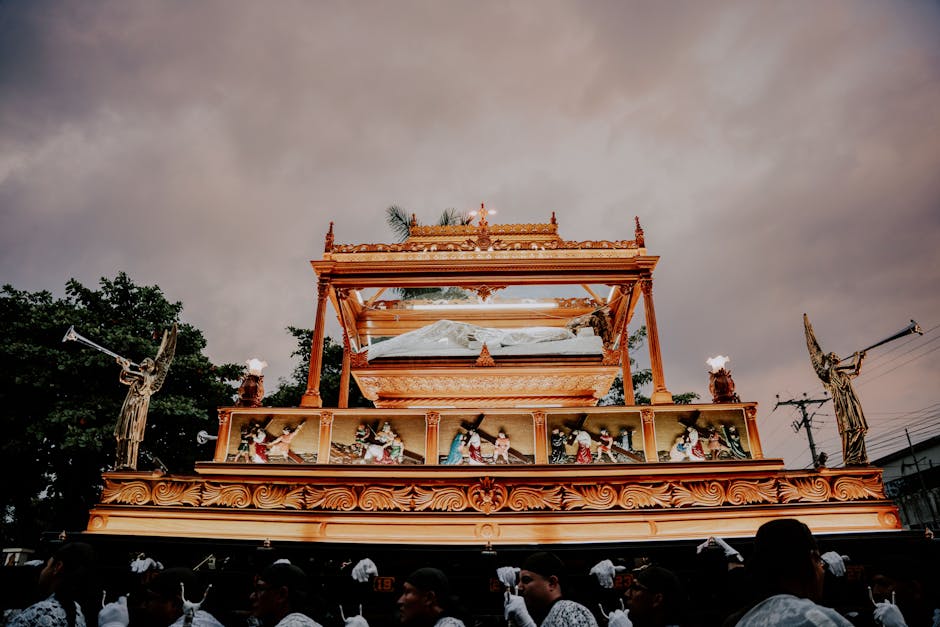
The procession honors Saint Efisio, a third-century martyr traditionally credited with protecting Cagliari from a plague in 1652. Since then the saint’s statue has been carried in a liturgical procession from the city to the sanctuary at Nora, near Pula, along a pilgrimage route spanning several dozen kilometers. The route — marked by ritual stops and stages — is as much a display of intense religious feeling as it is a showcase of Sardinian identity: village communities dressed in traditional costumes, brotherhoods carrying embroidered banners, and local bands and fanfares accompany the statue in an atmosphere that is both solemn and joyful.
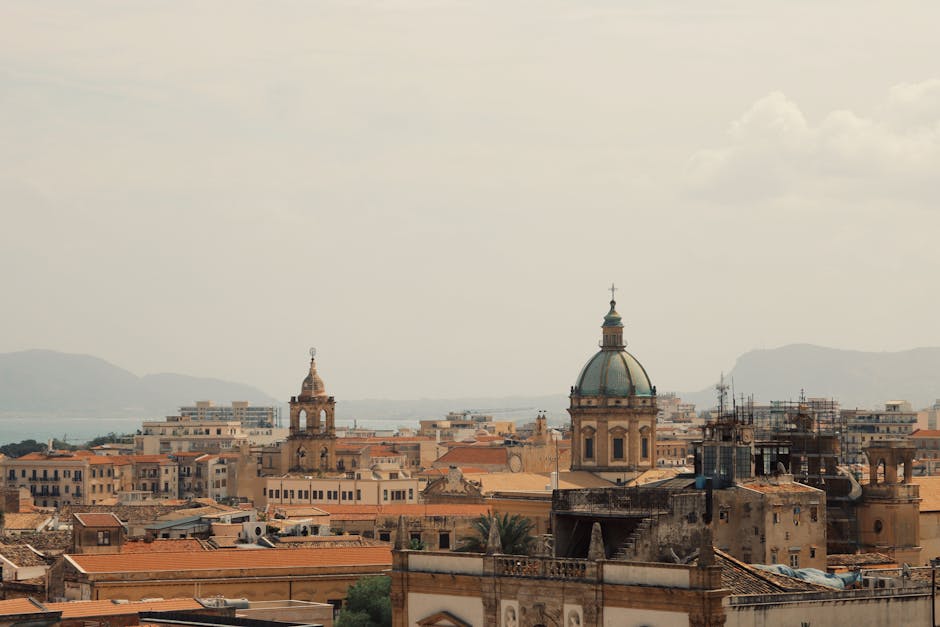
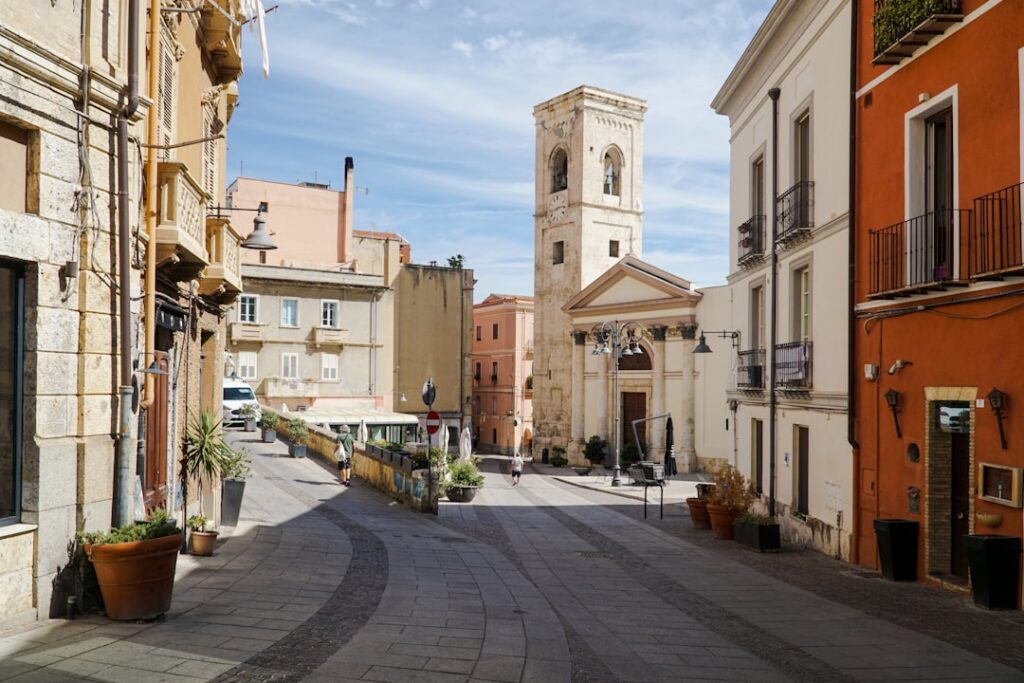
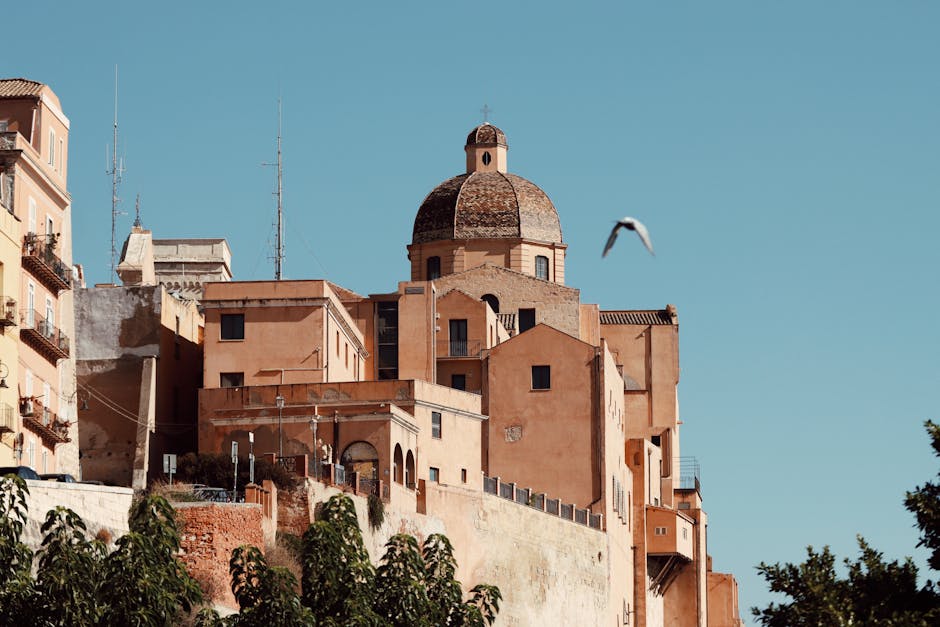
For the foreign visitor, attending Sant’Efisio means stepping into a world of symbols where every detail matters — the way the statue is borne, the colors and embroidery of the outfits, the pauses at old chapels and public sites like the Cattedrale di Santa Maria or the Bastione di Saint Remy. Cagliari itself is transformed: its historic quarters — Stampace, Castello, Villanova — become the stage for a living route that links the city’s urban topography with the sea and the surrounding countryside.
Sant’Efisio is also a festival of the senses: the sight of richly decorated costumes, the smell of freshly baked bread and street food, the sound of drums and launeddas (traditional Sardinian pipes), the dust kicked up by many footsteps on old stone, and the flash of metal and armor. Preparation takes months: musicians rehearse, costumes are restored, and hosting villages along the route organize logistics. For travelers, good planning is essential to make the most of the experience: know the key locations and schedules, book accommodations early, and show respect for local devotion.
In this guide we offer a full, immersive look at the procession’s origins and meaning, a detailed description of the route from Cagliari to Nora, an overview of costumes and symbols, and practical tips — addresses, schedules, prices and concrete recommendations — to experience Sant’Efisio as a respectful and enthusiastic witness. Whether you’re into religious history, folklore, photography or simply curious about authentic Sardinia, prepare for an experience that goes well beyond a typical sightseeing visit: Sant’Efisio is a meeting with a living memory.
History and meaning of the Sant’Efisio procession
The story of Sant’Efisio mixes faith and local legend, tracing back to the saint’s martyrdom in the third century and the strong devotion established in Cagliari. Tradition holds that the people of Cagliari made a vow to the saint in 1652 to ward off the plague. After the epidemic subsided, the city instituted an annual procession in gratitude: ever since, the statue of Sant’Efisio has been carried to Nora each year at the beginning of May. This vow — repeated and renewed through the centuries — has made the Sagra a solemn, unmissable event in the religious and social calendar of southern Sardinia.
The statue itself — often a richly decorated bust-reliquary — symbolizes the ongoing bond between the community and the saint. It is preserved and venerated in different churches along the way, notably the Cattedrale di Santa Maria (Piazza Palazzo, 1, 09124 Cagliari CA) during ceremonies in the city. Places of worship and sanctuaries along the route keep archives, frescoes and traditions that sometimes date back centuries. The phenomenon goes beyond private piety: it’s a public act that strengthens village solidarities, with each participating municipality taking responsibility for a stage and for hosting pilgrims.
Beyond its role as protection against the plague, Sant’Efisio is also a celebration of cultural identity. The traditional costumes worn by participants (both men and women) are textile masterpieces, often passed down through generations and carefully restored. Religious brotherhoods, usually linked to local parishes, preserve precise rituals: prayers, blessings of the fields and liturgical stops at rural chapels. These sacramental acts mingle with popular practices: offerings, communal snacks and feasts punctuate each stage.
Local historians and anthropologists have pointed out that Sant’Efisio functions as a kind of “performative memory”: by repeating the route and rituals, the community reactivates and renews its history. Understanding this dimension is essential for visitors who want to appreciate the procession not as a simple show, but as a meaningful collective act. On-site documents and archives, such as those at the Museo Archeologico Nazionale di Cagliari (Via Santa Croce, 1, 09124 Cagliari CA), provide archaeological and historical context for anyone wishing to dig deeper into the devotion’s origins.
Practical: to consult archives or temporary exhibitions on Cagliari’s religious history, visit the Museo Archeologico Nazionale di Cagliari (Via Santa Croce, 1). Typical opening hours: Tuesday–Sunday 09:00–19:00 (closed Monday); full ticket: around €6–8 depending on exhibitions. Admission is sometimes free on certain municipal days — check the official site before you go.
The route: from Cagliari to the Nora sanctuary (Pula) — stages, addresses and logistics
The Sant’Efisio procession is above all a living itinerary. The traditional departure takes place in Cagliari’s historic streets, crossing emblematic neighborhoods and squares before heading south toward the Nora peninsula near Pula. The official route changes little from year to year, but it follows a sequence of stages that can extend to some 60–70 kilometers round trip. Main stops in Cagliari include the Piazza Palazzo in front of the Cattedrale di Santa Maria (Piazza Palazzo, 1) and the Bastione di Saint Remy (Piazza Costituzione), two key gathering points for the crowds.
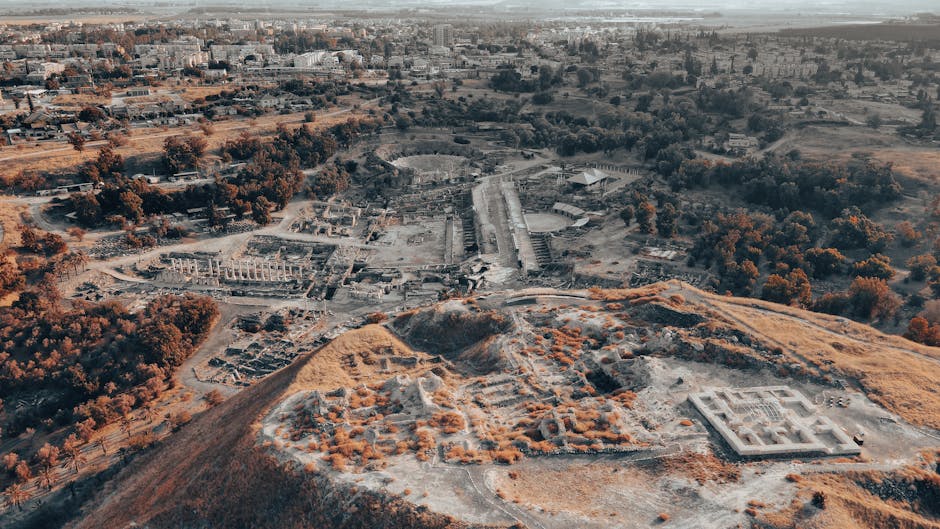
After leaving the city, the procession crosses the Stampace and Villanova neighborhoods, descends toward the waterfront and follows the port area before taking the SP71 toward Pula and Nora. Several towns and hamlets — Quartu Sant’Elena, Capoterra, Santa Margherita di Pula — welcome the procession with communal meals and accommodation for participants. The arrival at the Sant’Efisio sanctuary, close to the archaeological site of Nora, provides a setting heavy with history: Nora Archaeological Park, Strada Provinciale 71, 09010 Pula CA, is where Punic-Roman antiquity meets contemporary devotion.
Addresses and practical points:
- Cattedrale di Santa Maria, Piazza Palazzo, 1, 09124 Cagliari CA — Admission: free for basic visits (liturgical hours may restrict access). Recommended visiting times: 09:30–12:30 and 16:00–19:00 (may vary by season).
- Bastione di Saint Remy, Piazza Costituzione, 09124 Cagliari CA — Public terrace; open every day, excellent panorama at sunrise and sunset.
- Nora Archaeological Park, Strada Provinciale 71, 09010 Pula CA — Ticket: around €8 full price (reduced fares for students and seniors); seasonal hours: April–October 09:00–19:00; November–March reduced hours, check the official site before you travel.
Transport and logistics: If you want to follow the procession in part or in full, several options exist. From Cagliari, the local bus network (CTM/ARST) serves Pula and the towns along the SP71; a bus ticket typically costs between €1.30 and €3.50 depending on distance and operator. Trains don’t cover the entire route to Nora; a mix of bus and train connections may be necessary. Taxis and private transfers are quicker but pricier: expect roughly €35–70 for a Cagliari–Pula trip during daytime depending on traffic and season.
Duration and pace: The procession follows a precise but flexible timetable, pausing for religious services and meals. Daily stages are adapted to the endurance of the bearers and groups; walking times can range from a few hours to a full day between stops. Visitors should plan where to position themselves: open areas like the Bastione offer a broad overview in the city, while the narrow streets of Stampace let you feel the procession up close. Book accommodation well in advance, as places fill up quickly during the Sagra.
Costumes, music and symbols: a parade of living traditions
The costumes worn during the Sant’Efisio procession are among the most photogenic and meaningful elements. Each outfit tells the story of a community: fabrics, colors, embroidery, braids and jewelry indicate the wearer’s exact origin and sometimes their social status. Women often wear long dresses adorned with gold thread embroidery, elaborate headpieces and inherited jewelry, while men wear embroidered jackets, vests and sometimes elements recalling the region’s military or rural past.
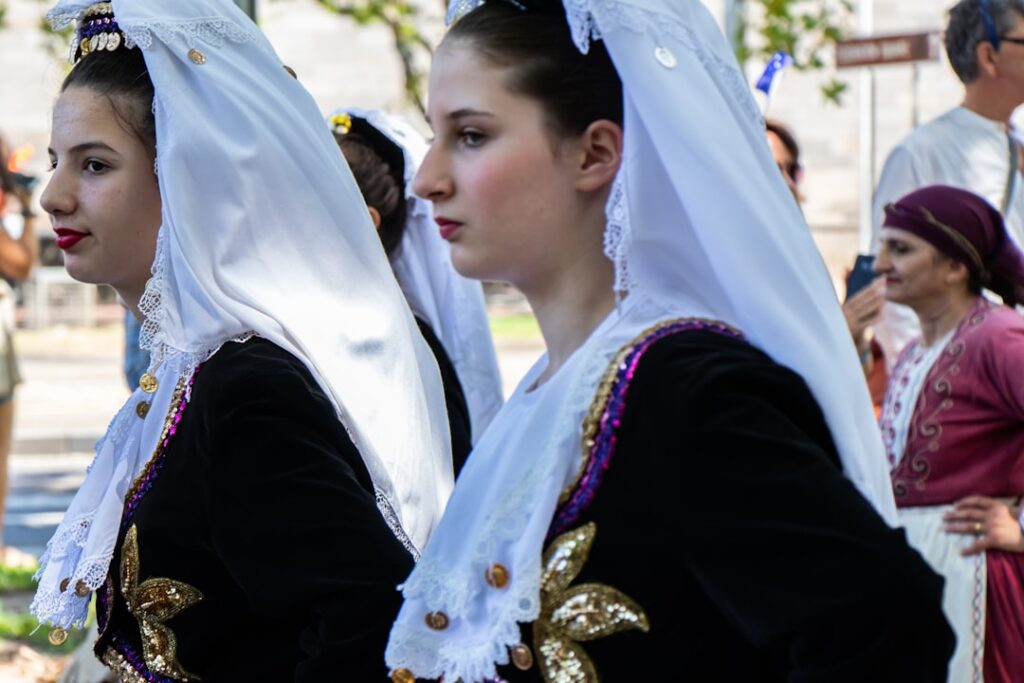
The colors and patterns are not merely decorative: they tell family stories and parish affiliations. Local associations (compagnie di Sant’Efisio, confraternities) take care of restoring and maintaining these costumes year-round. Fabrics may be kept in churches or with skilled artisans, and preparing garments sometimes includes preparatory rites before the procession, reinforcing the sacred dimension of the clothing.
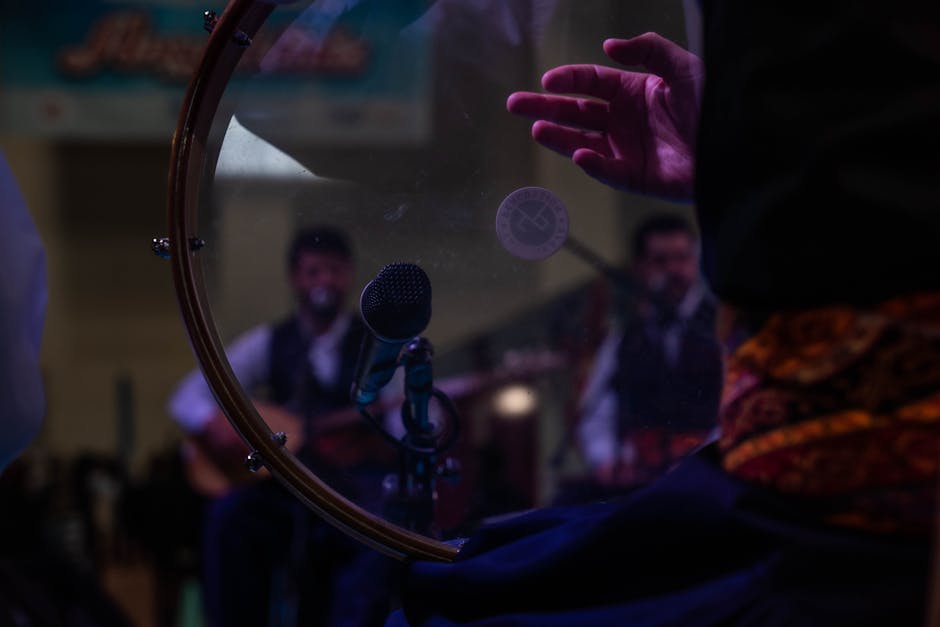
Music is inseparable from the ceremony. Groups playing launeddas (traditional Sardinian wind instruments), drums and brass bands shape the procession’s tempo. Liturgical chants alternate with popular songs, creating a soundscape that accompanies every step. Musicians line up so the music guides and marks each segment of the route. For observers, it’s a rare chance to hear living musical traditions usually presented only in their native context.
Symbols and ritual objects: besides the saint’s statue, several items travel with the procession: embroidered banners, processional crosses, reliquaries and candles. Banners often bear parish or village coats of arms, decorated with religious and local motifs. Offerings left at the sanctuary — ex-votos in silver or parchment — testify to received graces. These objects are preserved in local churches and sometimes accessible to visitors outside the festival period.
Photography tips and ethics: photographing Sant’Efisio can yield striking images — close-ups of embroidery, silhouettes against the Bastione at dusk, details of the reliquary — but it’s crucial to respect participants’ devotion. Always ask permission before photographing people in costume, avoid flash during services and be mindful of areas reserved for worshippers. For the best light, aim for dawn or sunset to capture golden tones on fabrics and architecture.

Practical tips for attending the Sagra: accommodation, food and etiquette
Attending Sant’Efisio requires practical planning: lodging, transport, clothing and respect for rituals. Hotels and B&Bs in Cagliari and in villages along the route fill up quickly; for a comfortable stay, book several months ahead, especially for nights between May 1st and 4th. Recommended addresses in Cagliari:
- Hotel Regina Margherita, Via Sardegna 53, 09124 Cagliari CA — a central 3-star hotel, double rooms from around €70–110 depending on season.
- B&B Largo Carlo Felice, Largo Carlo Felice 1, 09124 Cagliari CA — a small family-run guesthouse, nightly rates around €50–80.
- Agriturismo Sa ‘e Boi Pula (on the outskirts, for a night near Nora), Località Sa ‘e Boi, 09010 Pula CA — rural rooms with breakfast included, rates around €60–100.
Transport: during the Sagra, city authorities sometimes restrict traffic in parts of Cagliari; favor walking or public transport. CTM buses serve the city: single ticket €1.30, and 10-ride booklets are often available to save money. To reach Nora, check ARST lines or seasonal services; private transfers can be arranged via taxis (estimated Cagliari–Nora fare: €40–70). Bring a credit card and some cash, as small stands may accept cash only.
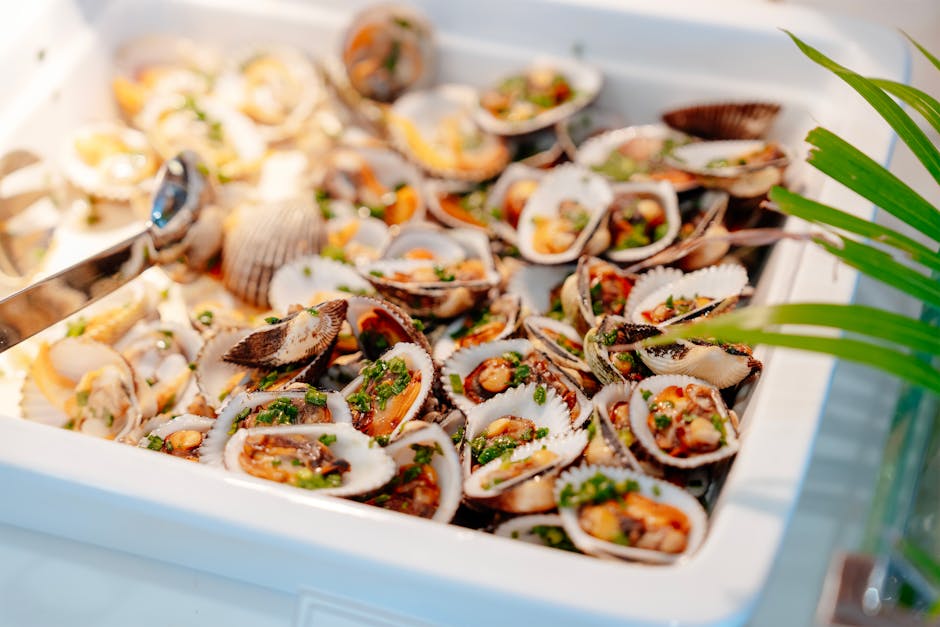
Food and local specialties: Sardinia celebrates its flavors during the Sagra. In Cagliari and along the route you’ll find stalls serving culurgiones (Sardinian stuffed pasta), porceddu (roast suckling pig, more common at private feasts) and fresh seafood dishes near the coast. In Pula and Nora, try fregola con arselle (semolina pasta with clams) in local trattorie. Price guidelines: a main course in a trattoria €10–18, a full restaurant menu €25–40.
Behavior and respect: the procession is first and foremost an act of faith. Respect reserved areas, liturgical pauses and organizers’ requests. If you want to take part actively (for example by carrying the statue), contact local parishes: bearing duties are regulated and often reserved for confraternity members or those who have obtained permission. Dress modestly and wear practical clothing for walking — comfortable shoes, breathable garments — and carry water and sun protection for daytime stages.
Emergencies and services: during the festival the municipality increases medical and emergency services. Italian emergency numbers: 112 (police) and 118 (ambulance). First aid stations and temporary medical posts are often set up at strategic points along the route; locate them as soon as you arrive. Finally, tell someone your plans if you plan to follow the procession over several stages, as mobile networks can become congested.
Conclusion: experiencing Sant’Efisio beyond the spectacle
Attending the Sant’Efisio procession in Cagliari means immersing yourself in a living tradition that goes far beyond a religious event to become a social, cultural and identity-defining act. Over the centuries, this festival has preserved forms of devotion and intangible heritage — costumes, music, rituals — that offer windows into the soul of southern Sardinia. For visitors the experience can be appreciated on many levels: the emotion of the crowd, the visual richness of the costumes, the historical depth of places like the Cattedrale di Santa Maria (Piazza Palazzo, 1, 09124 Cagliari CA), and the unique archaeological context of the Sant’Efisio sanctuary near the Nora Archaeological Park (Strada Provinciale 71, 09010 Pula CA).
Preparing your visit requires pragmatism and respect: book your accommodation early, plan transport (CTM buses, taxis or private transfers), know schedules and key stops, and adopt a curious and respectful attitude toward participants. Indicative costs — museum entries around €6–8, bus tickets €1.30, trattoria meals €10–25 — help budget the trip, as do knowledge of key addresses and seasonal opening hours. To truly appreciate Sant’Efisio, take your time: don’t try to see everything in one day; focus on a few highlights — the departure in the historic Stampace quarter, the passage at the Bastione di Saint Remy for evening light, and the arrival at the sanctuary in Nora by the sea.
Above all, remember that Sant’Efisio is a human encounter: the smiles of locals, the elders’ stories, the generosity of shared food and the intensity of prayers create a mosaic of experiences that lingers long after you leave. By respecting the rites and opening yourself to the community dimension of the festival, you’ll take away not only spectacular images but also a deep understanding of a tradition that continues to define contemporary Sardinia. Sant’Efisio is not just a box to tick on a travel list; it’s an invitation to walk, listen and witness a popular faith that beats at the heart of Cagliari.