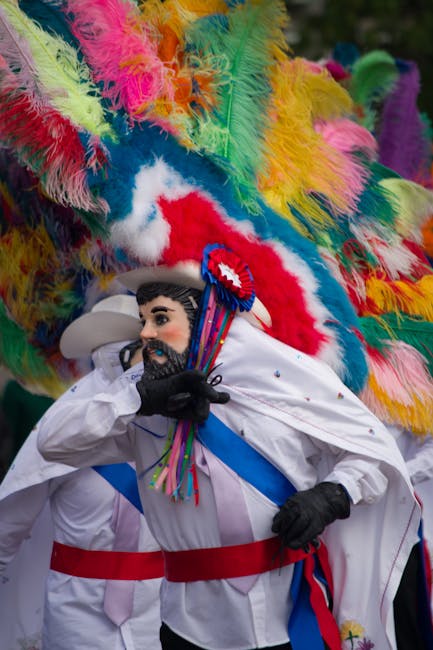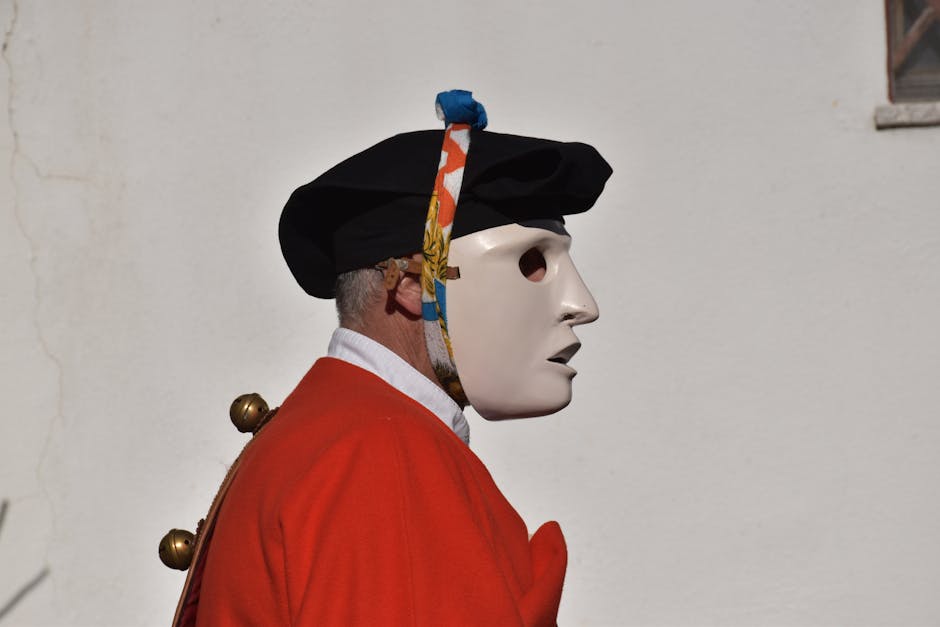






Introduction: A Deep Dive into Sardinian Carnivals
Sardinia, an island of granite and bright light, hides among its wild landscapes one of Europe’s oldest and most powerful carnival traditions. Sardinian carnivals are far more than a series of parades: they’re a communal expression where masks, music, agricultural rites and shared memory mix to create celebrations deeply rooted in land and time. From mountain villages to coastal towns, places like Mamoiada, Oristano, Ottana and Tempio Pausania stage ceremonies where carved costumes, animal skins and booming bells tell stories of survival, fertility and transgression.
In this post I’ll take you on an immersive journey through Sardinia’s carnivals: how Mamoiada masks are carved, the strict rules behind Oristano’s Sartiglia, why Ottana preserves unique dances and processions, and where to watch while respecting local rituals. You’ll find specific addresses — museums, public squares and workshops — typical schedules, admission prices when applicable, plus practical tips to prepare your trip and experience the events as a respectful guest rather than a mere spectator.
Throughout the article I’ll also describe the atmosphere: the crack of whips, the heavy footsteps of the Mamuthones, the electric tension before a mounted lance run, the smell of pane carasau warmed over a fire, and the colors of hand-embroidered costumes. Sardinian carnivals are also feasts of taste: local pancakes, lard bread and robust wines accompany long days of revelry. You’ll get practical recommendations for transport (car versus public transit), lodging (rural inns, family-run B&Bs), and safety (where to stand during parades, how to photograph without getting in the way).
Finally, this article includes useful resources: museums to visit to understand the masks’ origins, workshops where masks are carved and restored, and suggested itineraries to combine carnivals with island discovery. The goal is twofold: prepare you logistically and immerse you culturally in events where the past constantly converses with the present, where every mask tells a legend and every bell marks an age-old calendar.
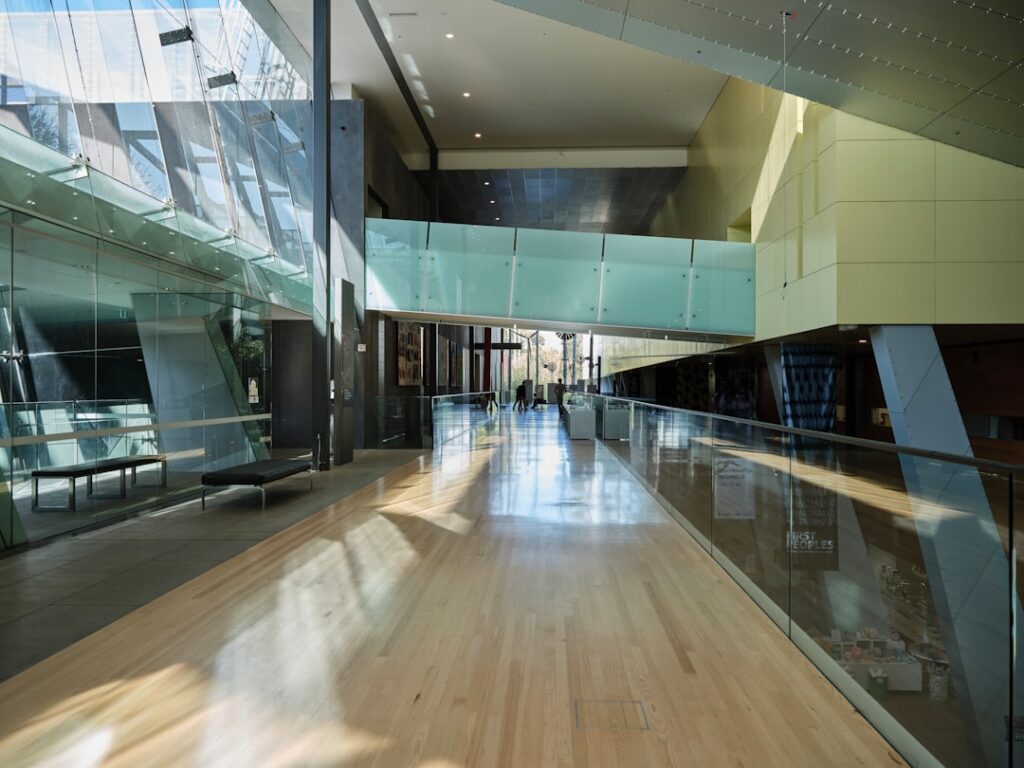
Mamoiada and the Mamuthones: Museums, Workshops and Rituals
In the heart of Barbagia, Mamoiada is the village that embodies the most famous face of Sardinian carnival: the Mamuthones and the Issohadores. The Mamuthones wear dark wooden masks, heavy animal pelts and carry a mass of bells that mark their solemn steps; the Issohadores, dressed in brighter costumes, throw ropes and symbolically catch spectators. To understand this choreography it’s essential to visit the Museo delle Maschere Mediterranee.
Museo delle Maschere Mediterranee
Address: Piazza San Gavino, 08030 Mamoiada (NU), Italy.
Hours: generally open 09:30–13:00 and 15:30–19:00 (times vary in winter, closed some Mondays) — check ahead before your visit.
Price: full ticket typically €6; reduced €3 for students and seniors; free for children under 6. Prices indicative and may change with temporary exhibitions.
Description: This museum displays a collection of Sardinian and Mediterranean masks, explanations of rites, archive videos and educational workshops. Exhibits show hand-carved masks, polishing techniques and explain the animal and agrarian symbolism. It’s an excellent starting point to grasp the origin and evolution of the costumes.
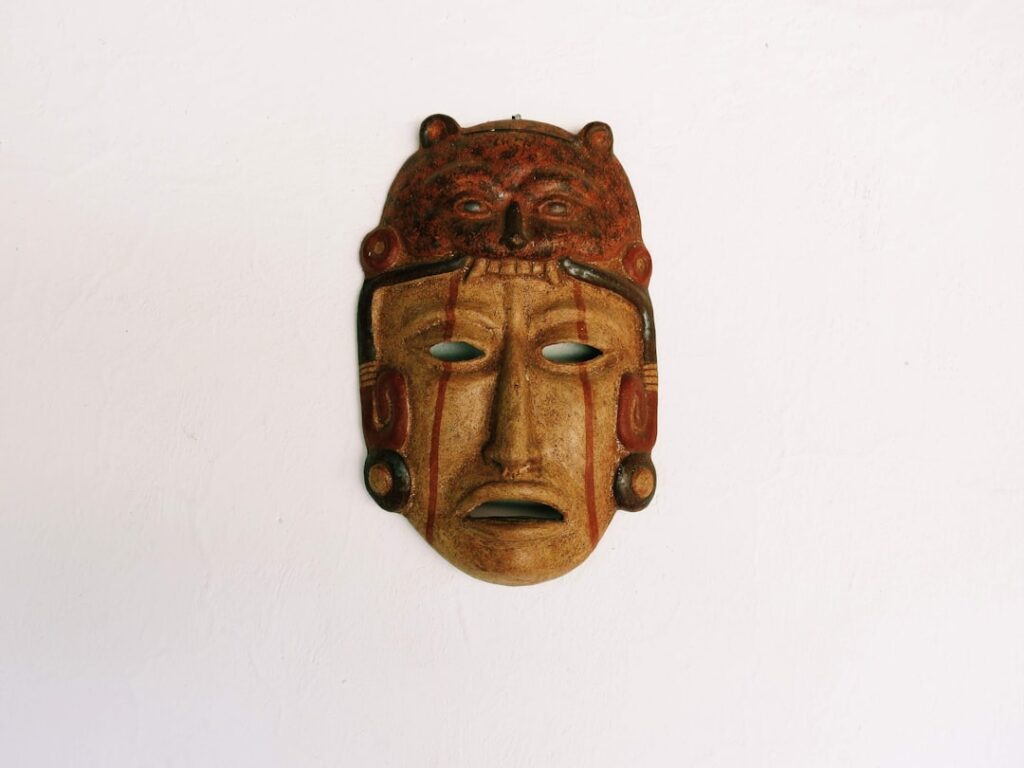
Workshops and meetings: Several local artisans open their workshops for guided visits where masks are carved and restored. One recommended studio is the family-run mask carving workshop (contact Mamoiada’s tourist office at Piazza San Gavino to arrange an appointment). These visits let you observe the choice of wood species (oak, hazel), sanding, natural coloring and wax finishing. Expect roughly €15–30 per person for a private demonstration, depending on length.
Practical tips: If you attend Mamoiada’s carnival (usually in February), arrive early to secure a spot on Via Roma or Piazza Santu Lussurgiu. Main parades are free, but reserved stand areas may require a ticket (around €10–20 depending on location). Dress warmly — February nights in Barbagia are cold — and wear sturdy shoes; cobbled streets can be uneven. Respect the procession: don’t touch or disturb the heavy costumes, especially the Mamuthones, who often carry over 20 kg of bells.
The Sartiglia of Oristano: Horsemanship, Lances and Historic Adrenaline
The Sartiglia of Oristano is one of Italy’s most spectacular equestrian events, blending competition, ritual and theater. It traditionally takes place on the Sundays and Tuesday of Carnival on Piazza Eleonora d’Arborea and in the streets of Oristano’s historic center. The Sartiglia is a lance-joust where masked riders — the “Componidori” and the “Giudicanti” — try to spear a star suspended from a rope while riding at full gallop. The atmosphere is electric: drum rhythms, flying manes and frenzied applause.
Visitor info:
Main venue: Piazza Eleonora d’Arborea, 09170 Oristano (OR), Italy.
Hours: events usually start in the morning around 10:00–11:00 and continue into the afternoon with cavalry rehearsals; exact times change each year according to the Carnival calendar.
Price: street parades are free; official stands on the piazza offer paid seating (approx. €5–25 depending on location). For guided experiences or VIP access (close to the riders) expect €40–80.
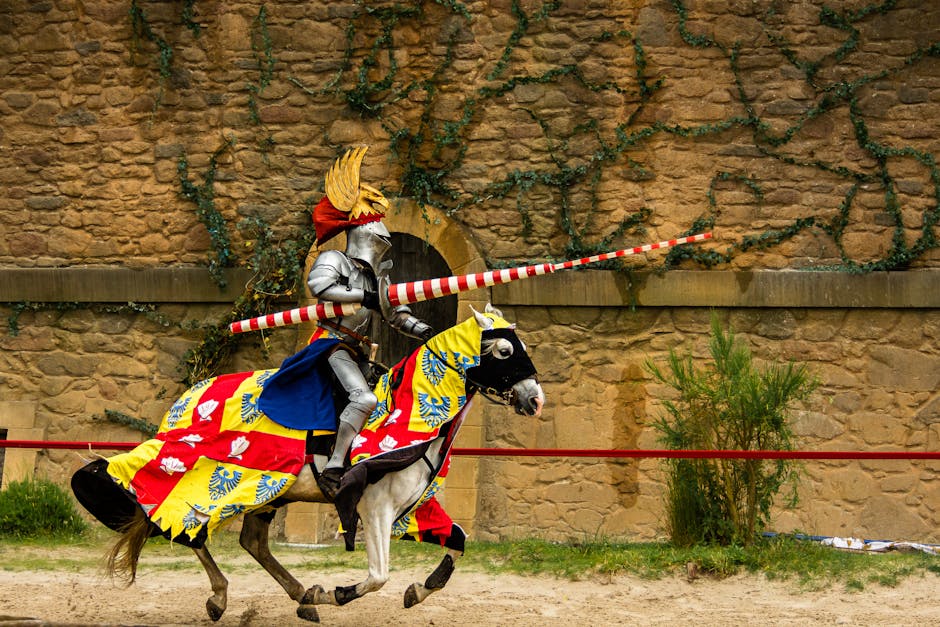
Where to get information: The Comune di Oristano – Ufficio Turismo (Via Duomo 2, 09170 Oristano) publishes the detailed program, schedules and safety advice each year. Hotels in the historic center (for example Hotel Mistral 2, Via Cagliari 5, 09170 Oristano) often offer packages including transfers and reserved seats for the Sartiglia.
Tips: For better photos, position yourself along side streets where riders slow down. Be mindful of the horses: avoid sudden movements and do not use flash. Local families want the riders to perform their ritual gesture without interference: respect barriers and steward instructions. And don’t miss the local food after the runs: carnival stalls serve porceddu (roast pork), seadas (cheese-and-honey pastry) and red wines from the Oristano area.
Ottana, Tempio Pausania and Other Village Carnivals: Distinct Traditions and Diversity
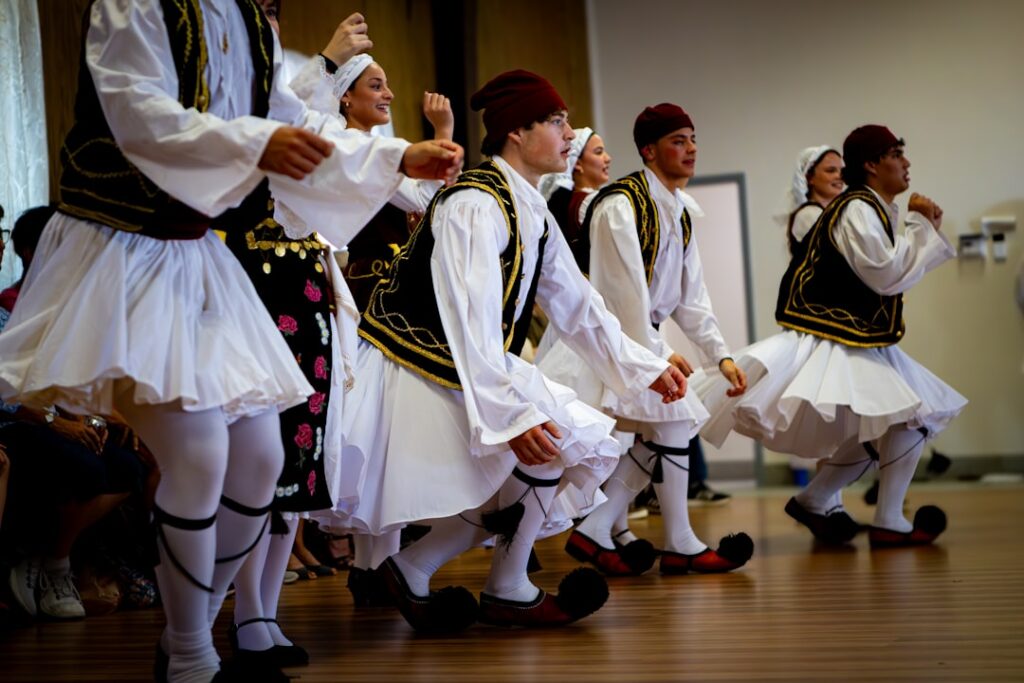
Beyond the two major hubs of Mamoiada and Oristano, Sardinia hosts numerous village carnivals that showcase the richness and diversity of local traditions. Ottana, in the Nuoro province, is famous for its “Boes e Merdules” — bull-like figures representing a ritual dance tied to agricultural cycles. Tempio Pausania, up north, offers a carnival more influenced by maritime exchanges with flamboyantly embroidered costumes. Each village has its own codes, masks and musical scores.
Ottana:
Location: Piazza Santu Lussurgiu, 08020 Ottana (NU), Italy (center for parades and ceremonies).
Hours: main events take place on Carnival Sunday and Shrove Tuesday, usually between 09:00 and 17:00.
Price: spectator participation is free; some workshops and demonstrations may charge a small fee (€5–15).
Tempio Pausania and the island’s north:
Location: Piazza Gallura, 07029 Tempio Pausania (OT), Italy — the focal point of public events.
Hours: parades usually run in the afternoon, with balls and concerts late into the night; check the Comune di Tempio Pausania for the annual schedule.
Price: most parades are free; some private balls or gala evenings may require an entry fee (€15–30).
Other notable carnivals: Gavoi, Mamoiada (beyond the museum, for its various festival days), Samugheo (known for colorful costumes and dances) and Caraffa Logudoro. Each offers local variations: painted or carved masks, bell use, leather accessories and accompaniment by launeddas (traditional reed instruments) or drums. These village celebrations are generally less touristy and allow for a more intimate connection with locals.
Practical tips for visiting village carnivals: favor mobility by car or minibus, as public transport may be infrequent outside major centers. Book accommodation well in advance — B&Bs and agriturismi fill up quickly during carnival. Learn a few words of Sardinian or Italian to greet people: a simple “Buon Carnevale” opens many doors. Above all, respect local customs: don’t force your way into processions, ask before taking close-up portraits of participants and avoid excessive public drinking — local communities value courtesy.
 Click here to discover the La Maddalena archipelago by boat
Practical Advice, Routes and Recommendations for a Conscious Carnival Experience
Planning a trip for a Sardinian carnival takes a bit of organization. Dates change each year (Carnival typically peaks in February), and official programs are usually released by the local comuni a few weeks before the event. Here’s a practical, detailed guide to help you make the most of your trip.
Transport and accommodation
- Arrival: The main airports are Cagliari-Elmas Airport (Aeroporto di Cagliari-Elmas, SS130, 09045 Elmas CA) and Olbia-Costa Smeralda Airport (Aeroporto di Olbia Costa Smeralda, 07026 Olbia OT). Renting a car is often the most convenient solution to reach inland villages.
- Train and bus: Rail and bus lines serve major towns (Cagliari, Nuoro, Sassari, Oristano). For Mamoiada and Ottana, a car or private shuttle is usually better, especially if you plan to attend nighttime festivities.
- Accommodation: Book agriturismi or small hotels in advance. Examples: Agriturismo Su Vrau (Località Su Vrau, 08020 Mamoiada NU) or B&B Domus de Janas (Via Roma 12, 09170 Oristano) — prices typically range €50–120 per night depending on season and comfort.
Click here to book a catamaran excursion from Cagliari
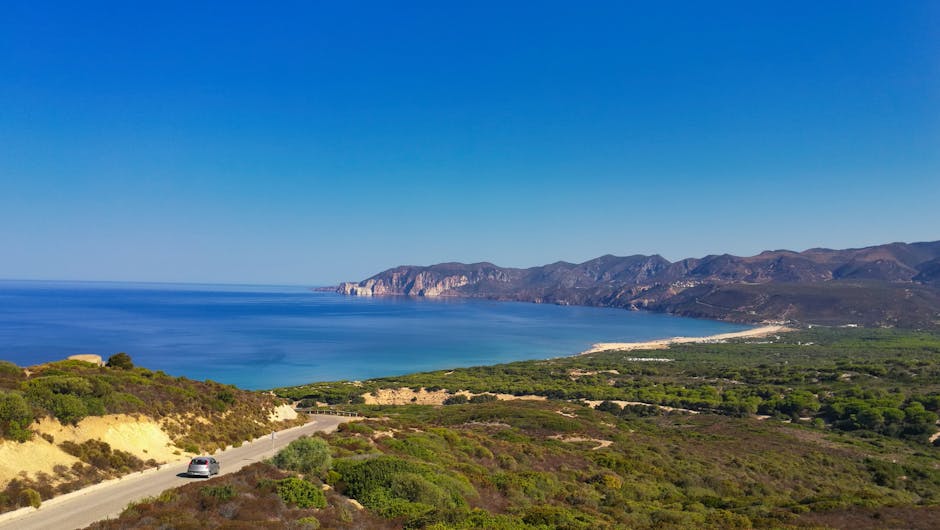
Typical budget and expenses
- Transport (car rental): about €30–80 per day depending on season and vehicle.
- Fuel and tolls: budget €40–80 for a week of active travel.
- Meals: menus in local trattorie €12–25 per person; festive meals and specialties €20–40.
- Museum and workshop fees: generally €3–15.
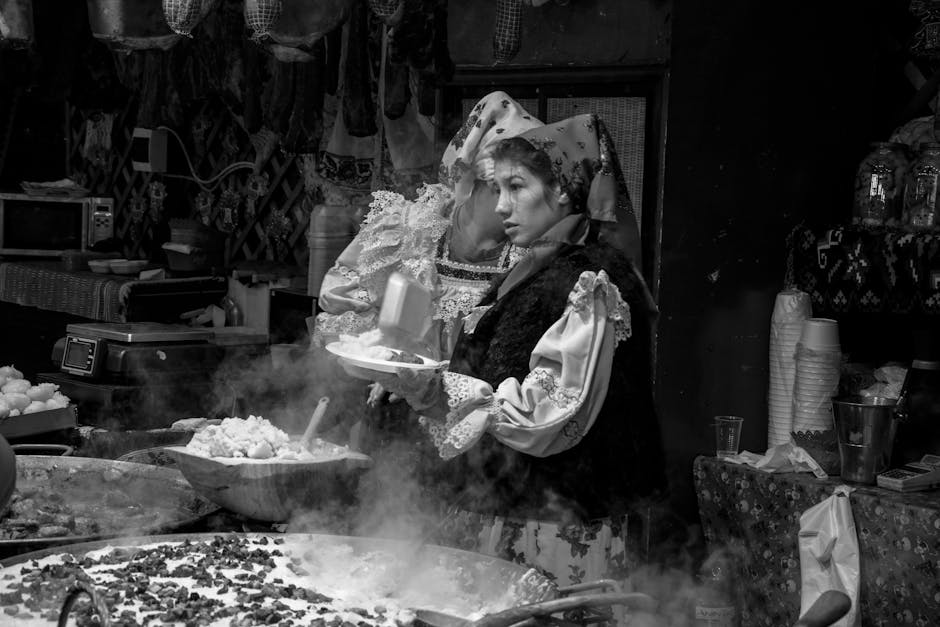
Safety and respect for traditions
During parades keep a respectful distance from dancers and riders. Don’t touch masks or animals without permission. If you’re a professional photographer, request authorization in advance; for amateur use, a friendly smile and a gesture are often enough. Dress for the weather: wear warm layers for daytime and a windproof jacket for breezy evenings.
Suggested 4-day itinerary
- Day 1 — Arrive in Cagliari, quick tour of the historic center (Bastione di Saint Remy, Via Roma) and overnight in Cagliari.
- Day 2 — Drive to Mamoiada (around 2h30), visit the Museo delle Maschere Mediterranee, book a workshop demo (reservation recommended). Overnight in Mamoiada.
- Day 3 — Head to Ottana to join local festivities; afternoon free to visit Nuoro (Museo MAN, Via Antonio Mereu, 08100 Nuoro). Overnight at an agriturismo.
- Day 4 — Travel to Oristano for the Sartiglia, watch the equestrian trials and return to the coast for departure.
Conclusion: Why Sardinian Carnivals Are a Must-Do Experience
Sardinian carnivals are more than a show: they’re living pathways into the island’s history, memory and identity. Every mask, dance step and mounted run carries meaning rooted in pastoral life, rural liturgy and ancient beliefs. Visiting Mamoiada, Oristano, Ottana or Tempio Pausania means stepping into a world where sacred and profane blend, where communities celebrate cycles of renewal and protection.
Practically speaking, a successful carnival trip to Sardinia comes down to preparation: check exact dates, reserve transport and lodging, contact local tourist offices (Comune di Mamoiada, Piazza San Gavino; Comune di Oristano, Via Duomo 2) and respect local customs. Museums like the Museo delle Maschere Mediterranee in Mamoiada and artisan workshops provide essential context to understand what you see in the streets. Combining carnival events with exploration of the island’s landscapes — from the Barbagia mountains to the beaches of the Gulf of Orosei — will make your trip richer and more balanced.
Finally, as a considerate traveler you’ll leave with more than a stack of photos: you’ll take home stories, encounters and a deeper understanding of Sardinian communal rhythms. Whether you’re drawn to the solemn gravity of the Mamuthones, the adrenaline of the Sartiglia or the joyful color of village carnivals, Sardinia offers a unique experience where tradition is lived on every corner and every mask has a voice. Plan your trip, respect local participants, and let yourself be swept away by the colorful revelry that pulses at the island’s heart.
Click here to take a cruise in the Gulf of Orosei