





Introduction: Sassari Cavalcade, an unforgettable horse spectacle
The Sassari Cavalcade, locally called the « Cavalcata Sarda » when it takes on a regional scope, is one of Sardinia’s most dazzling popular events. Each year the city of Sassari (Sassari, Provincia di Sassari, Regione Sardegna) turns into a stage for a parade where horses, riders and traditional costumes compete in elegance, precision and authenticity. This event is more than a march: it’s a deep dive into the history, culture and pride of a people celebrating their age-old bond with the horse and the land.
The atmosphere during the Cavalcade is that of a city waking up. The lanes of the historic center fill with flags, music and the smells of Sardinian cooking; locals put on their finest outfits, and visitors — from Italy and abroad — flock in to witness this living tribute to the island’s pastoral and military traditions. The show mixes tours, equestrian acrobatics and costumed tableaux, and serves as a meeting point between generations: older people recognise inherited steps and gestures, while the young learn and marvel.
Beyond the visual beauty, the Sassari Cavalcade carries a strong message: the preservation of intangible heritage. Costumes — hand-embroidered and rich with local symbols — are living archives. The horse breeds on display, often of Sardinian bloodlines or local crosses, tell of breeding practices and the long-lasting relationship between humans and animals in the Mediterranean. The music, songs and dances accompanying the parade are identity carriers: they bring together entire village groups and reinforce community ties.
This complete guide invites you to discover the Sassari Cavalcade in full detail: when it takes place, where to stand for the best view, how to visit nearby historic sites and museums, typical costs for access and services, and practical tips to experience the event like a local — or almost. You’ll also find precise information on the emblematic sites crossed by the procession, a typical day schedule for the Cavalcade, useful addresses (town hall, train stations, tourist offices), and food recommendations to extend the experience beyond the show itself.
Whether you’re a photographer hunting the perfect shot, an equestrian enthusiast, a fan of popular traditions or a curious traveller, the Sassari Cavalcade promises a memorable day. Get ready to hear hooves clatter on cobblestones, to see embroidered fabrics fluttering in the wind and to feel Sardinia vibrating to the rhythm of a heritage that’s on display and shared. In the sections that follow I outline the history, the route, the protagonists, the organisation and all the practical tips to make the most of this extraordinary equestrian spectacle.
History and origins of the Sassari Cavalcade
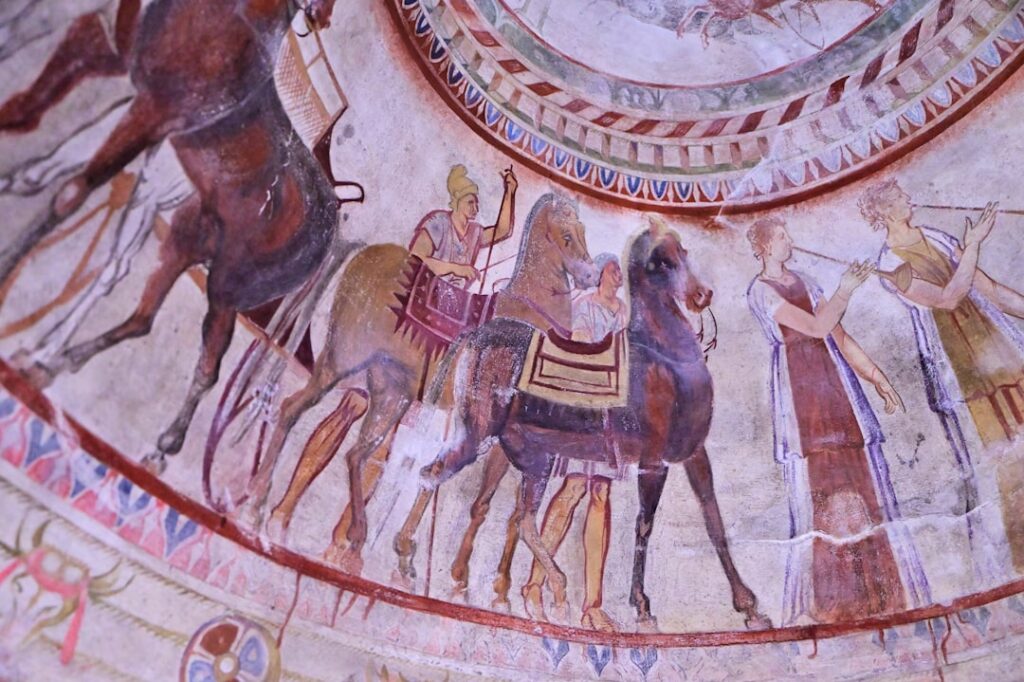
The Sassari Cavalcade has its roots in centuries-old traditions that blend agricultural rituals, military commemorations and religious festivals. Historically, large equestrian parades in Sardinia marked key moments in community life: horse blessings, processions for patron saints, celebrations of the start and end of grazing seasons. In Sassari, these gatherings gradually became institutionalised over the centuries and today attract thousands of people.
Local archives and oral histories show that the earliest equine events in the region had a dual role: practical (checking the condition of mounts) and symbolic (affirming the social status of shepherd and landowning families). In the 19th century, during civic celebrations, riders already paraded in uniforms and costumes inspired by traditional Sardinian dress. Over time these processions became more elaborate: the costumes grew more intricate, the choreography more codified, and the music more orchestrated.
The contemporary formula of the Sassari Cavalcade is the product of this long heritage. It incorporates religious elements (horse blessings, prayers in places such as the Cattedrale di San Nicola), civic events (receptions at the Palazzo Ducale or the Teatro Civico), and festive moments (folk dances on the main squares). The event has also embraced theatrical aspects, including themed tableaux, historical reenactments and equestrian acrobatic demonstrations, while keeping a strong connection to local pastoral traditions.
The regional dimension is important: the Cavalcade draws groups from across Sardinia, each bringing its own costume variant, dances and music. This diversity is one of the event’s riches: to a spectator it offers a living panorama of local identities, linguistic differences (Sardinian dialects), and stylistic variations in embroidery and ornamentation. Participants prepare for months — sewing costumes, readying saddles, training horses — and the city becomes, for a weekend, the scene of a large popular gathering.
Finally, the Cavalcade today has a strong touristic and cultural dimension. Local authorities, the Città di Sassari – Comune di Sassari (Piazza d’Italia, 07100 Sassari SS, Italia), work with equestrian associations and tourist offices to structure the event, secure routes and offer side activities: exhibitions, craft markets, food tastings. It has become a moment where authenticity meets modern organisation, allowing the tradition both to survive and to renew itself.
The route and must-see spots
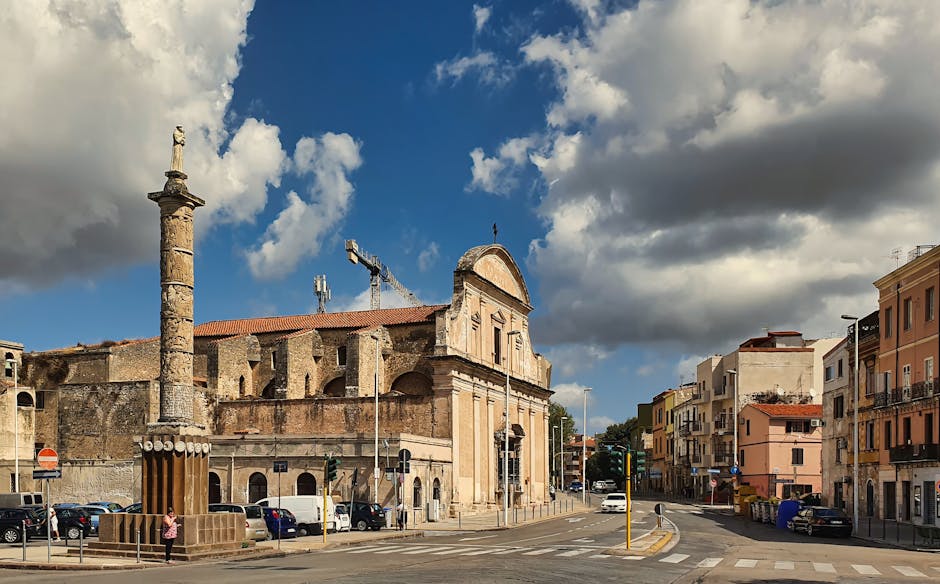
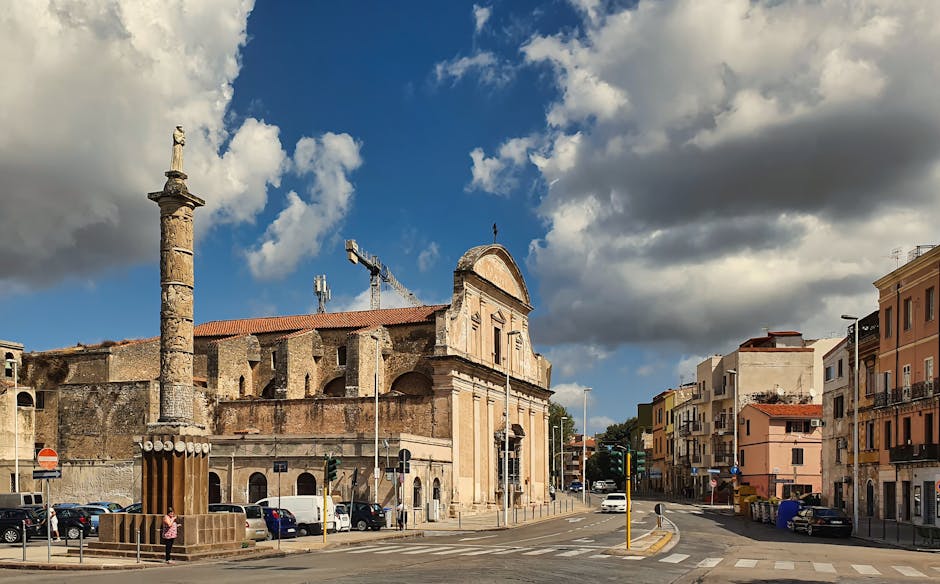
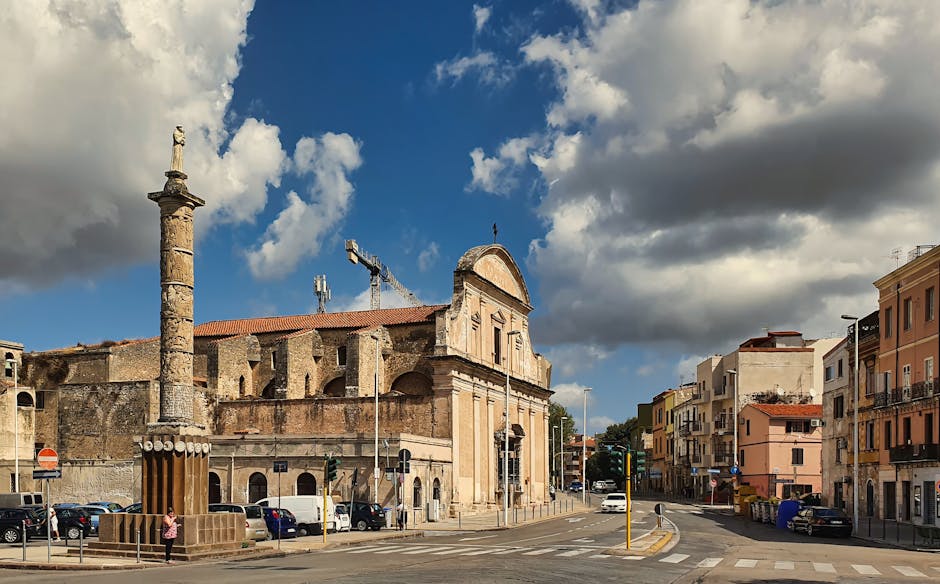
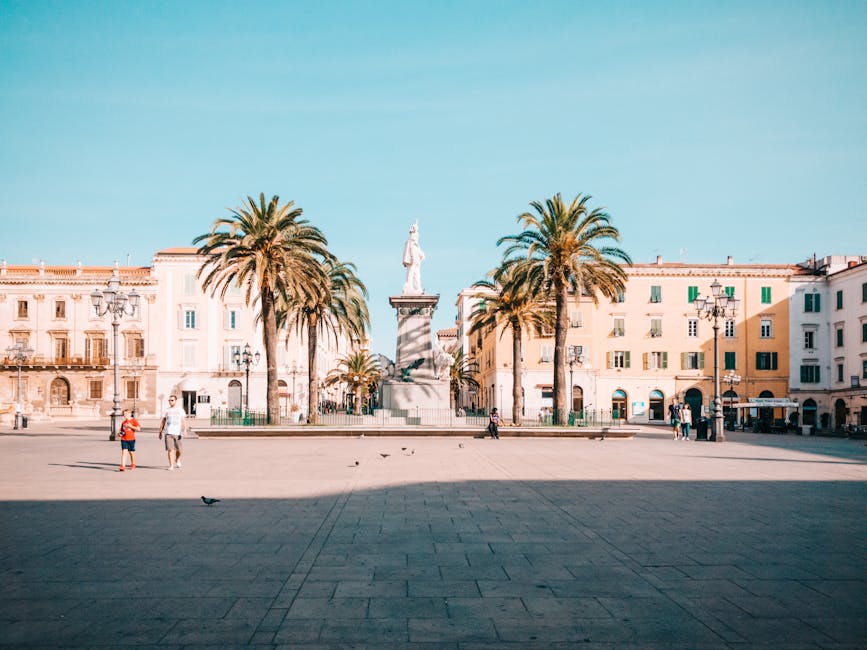
The Sassari Cavalcade follows a carefully chosen route designed to highlight the heart of the historic city while ensuring safety and visibility for the public. The typical route often starts at the liveliest square: Piazza d’Italia (Piazza d’Italia, 07100 Sassari SS, Italy), which serves as the gathering point and starting line. The procession then moves along Via Roma (Via Roma, 07100 Sassari SS, Italy), the main shopping artery, before reaching the splendid Piazza Castello (Piazza Castello, 07100 Sassari SS, Italy) and pausing in front of the majestic Cattedrale di San Nicola (Piazza Duomo, 07100 Sassari SS, Italy) for blessings and musical tableaux.
Each stop is chosen to offer a different backdrop: the Baroque façades of Piazza Duomo provide a solemn setting for ritual scenes, while Via Roma allows onlookers a close view of horses and costumes. Nearby, several monuments and museums add cultural interest:
- Palazzo Ducale (Via Logudoro, 10, 07100 Sassari SS, Italy): a historic building often used for exhibitions during Cavalcade weekend. Typical opening hours: 09:00–13:00 / 15:30–18:30 (check locally). Entrance fees vary by exhibition: usually €5–12.
- Teatro Civico (Via Brigata Sassari, 71, 07100 Sassari SS, Italy): stage for concerts and official shows. Tickets: €10–30 depending on the programme. Box office hours: 10:00–13:00 / 16:00–19:00.
- Museo Nazionale Sanna (Via Santa Maria, 2, 07100 Sassari SS, Italy): an archaeological collection to extend the cultural immersion. Hours: 09:00–19:00 (closed Mondays). Fee: €6–8.
For the best photographic vantage points, two locations stand out: the approach to Piazza d’Italia (ideal for capturing the procession’s entry) and the steps in front of the Cattedrale di San Nicola (perfect for portraits and wide shots). If you want an elevated perspective, the terrace of the Bastione di Saint Remy (Viale Umberto I, 07100 Sassari SS, Italy) offers an overall view — a must for understanding the scale of the parade.
Typical schedule for the day: the Cavalcade usually starts in the morning between 10:00 and 11:00, with participants gathering from 08:30. The procession often continues into early afternoon, with intermediate stops for blessings and musical tableaux. Access is free in most areas, but paid grandstands are sometimes set up along the route: indicative prices between €10 and €30 depending on location and amenities (covered access, reserved seating).
Practical tip: arrive at least an hour before the start to find a good spot, especially if you want to be close to the road on Via Roma or at the front of Piazza d’Italia. Photographers should favour the morning for softer light and gentler shadows. Also, check with the Ufficio Turistico – IAT Sassari (Via Dante, 33, 07100 Sassari SS, Italy) for the official route map and the exact times for the year you attend.
Participants, costumes and horses: a detailed look
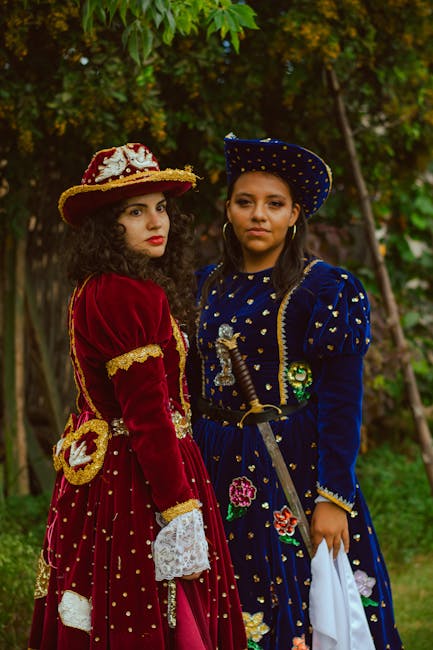
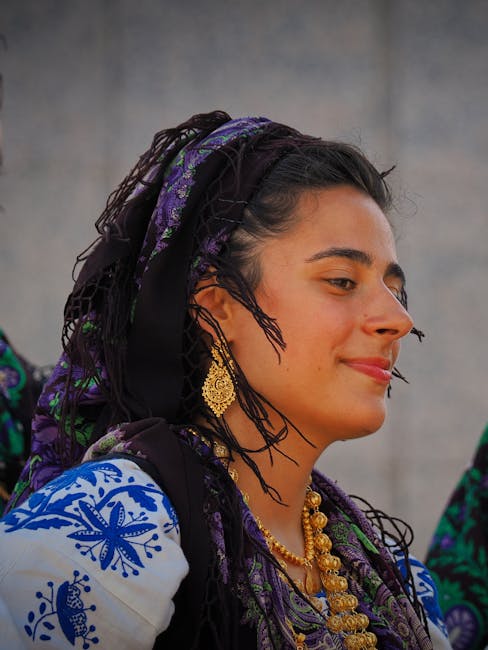
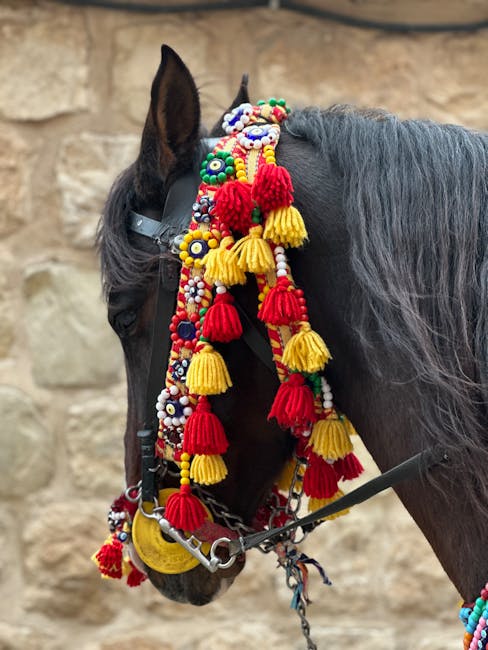
The Cavalcade’s richness lies in the variety and quality of its participants. You’ll find village groups, equestrian associations, folk troupes and families preserving heritage across generations. Each group wears a traditional costume specific to its area: finely worked embroidery, sumptuous fabrics, sculpted headdresses and period jewellery. These garments are often passed down, restored and worn as symbols of belonging.
Men’s costumes can include the giacca (embroidered jacket), a waistcoat, sturdy trousers and leather boots, sometimes complemented by cloaks or richly decorated belts. Women’s outfits are notable for layered skirts, embroidered aprons and decorative headdresses (often with gold or silver filigree for older pieces). Every detail — colour, pattern, type of embroidery — tells a local story: marriage, profession or family status.
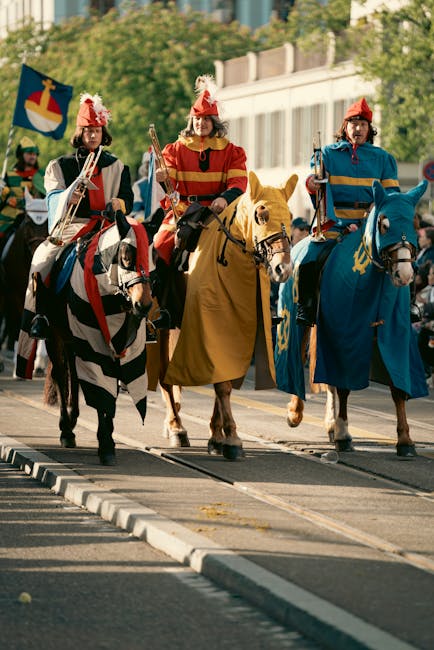
The horses are prepared with care. Saddles and harnesses are often decorated with studs, leather fringes and metal ornaments that glitter in the sun. The breeds on display vary: you’ll see local draught horses, lighter mounts used for riding and sometimes crosses specific to Sardinian breeding. Riders place great emphasis on training and the calmness of the animals to ensure safety and elegance along the sometimes slippery cobbled route.
Equestrian demonstrations sometimes include dressage routines, group formations and scenes reenacting historical or pastoral episodes. A moving moment is often the blessing of the horses in front of the Cattedrale di San Nicola, where a local priest moves among the riders to pray and sprinkle the mounts with holy water. This sequence, both religious and symbolic, resonates deeply with the audience and reinforces the sacred aspect of the human-horse relationship in Sardinia.
For visitors wanting a closer look: several gathering areas (temporary stables and paddocks) are set up near Piazza d’Italia and Via Roma. It’s a great chance to see the horses up close, talk to riders and learn about care techniques: pre-parade feeding, grooming, checking shoes and preparing ornaments. Local associations often provide explanations and offer short guided visits for those keen to learn more.
Practical tips: always respect safety rules around horses — avoid sudden movements, ask permission before petting an animal, and keep your distance if a sign or steward asks you to. Photographers should bring an appropriate zoom (70–200 mm recommended) to capture details without getting too close. If you want a detailed photo of a costume, politely ask the wearer: most participants are proud to share the story of their clothes and are happy to talk about them.
Practical organisation for visitors: tickets, transport, food and tips
Getting to the Cavalcade and enjoying it fully takes a bit of planning. Here’s a practical guide with addresses, hours, indicative prices and local tips to optimise your trip to Sassari.
Transport and access
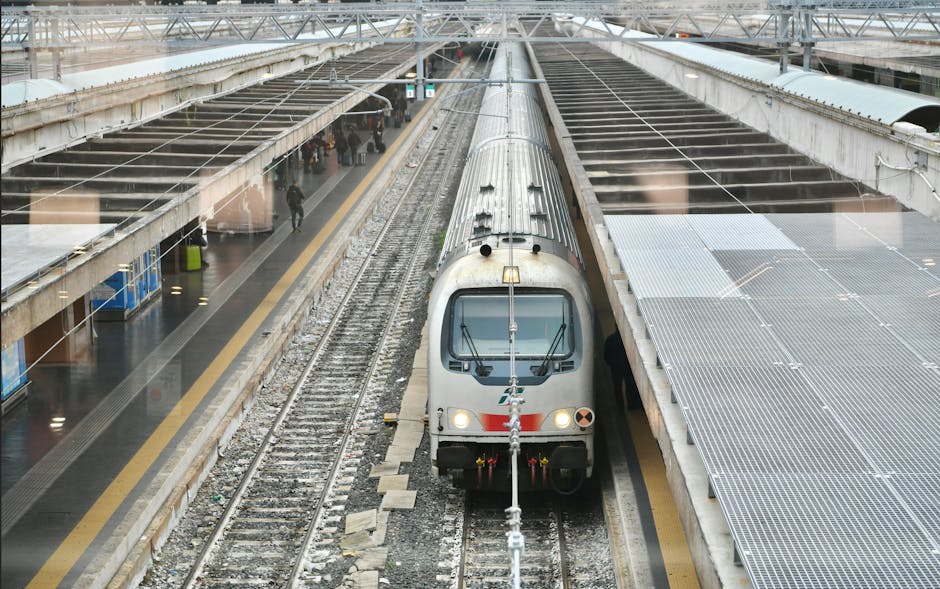
- Sassari Train Station (Stazione di Sassari) – Piazza Martiri della Libertà, 07100 Sassari SS, Italy. The station is well connected to Olbia, Porto Torres and Cagliari. Hours: generally 05:00–23:00 depending on lines. Tickets: variable fares (e.g. Sassari–Olbia from €6–12 depending on schedule).
- Nearest airport: Olbia-Costa Smeralda Airport (Aeroporto Olbia Costa Smeralda, SS125, 07026 Olbia SS, Italy) — about 1 hour by car or 1h20 by combined train/bus to Sassari. Renting a car is recommended for more freedom (daily rates from around €25–40 depending on season).
- City buses: ARST Sassari (main terminus, Piazza Vittorio Emanuele II) — regular lines to the city centre. Urban ticket: about €1.20.
Tickets and prices
Most viewing areas along the route are free. However, for more comfort and an unobstructed view, paid grandstands may be installed. Indicative prices:
- Standard grandstand: €10–15.
- Covered grandstand / reserved seat: €20–30.
- Guided cultural tours (Palazzo Ducale, Museo Nazionale Sanna): typically €6–12 per museum. Some combined circuits (visit + equestrian demo) can cost €15–35.
Book in advance via the Città di Sassari website or through the Ufficio Turistico – IAT Sassari (Via Dante, 33, 07100 Sassari SS, Italy). Tourist office hours: 09:00–13:00 / 15:00–18:00 in high season. Phone: +39 079 229… (check the current local number online).
Food and local specialties
Take advantage of the Cavalcade to taste Sardinian products. A few suggestions and addresses:
- Trattoria da Cesare (Via Carlo Alberto, 12, 07100 Sassari SS, Italy): meat specialties and local pastas. Open 12:00–15:00 and 19:00–23:00. Main courses: €12–18.
- Panetteria Pasticceria Sanna (Corso Vittorio Emanuele II, 45, 07100 Sassari SS, Italy): try the pardule (small cheese pastries) and local bread. Open 07:00–20:00. Pastries: €1–3 each.
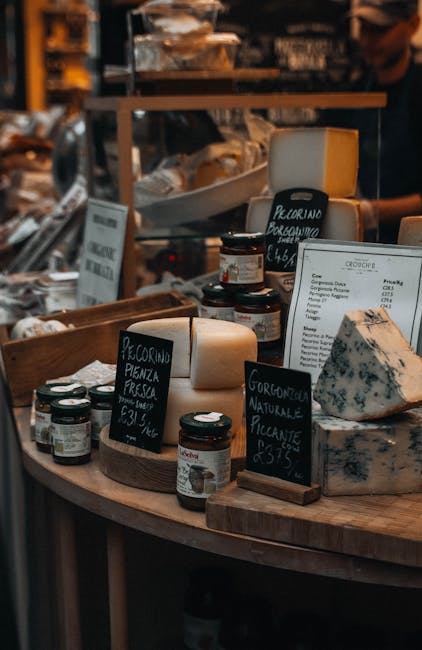
- Local markets on Piazza d’Italia during the festival: stalls with cheeses (pecorino sardo), wines (Vermentino di Sardegna) and cured meats. Tastings often free or €2–5 for a tasting platter.
Practical tips and safety
- Arrive early to avoid crowds and secure a good photo spot (at least 60–90 minutes before the procession starts).
- Wear comfortable shoes: the route is often on old cobbles.
- Bring water and a cap in summer; the sun can be strong and there is little shade along the route.
- Respect safety rules around horses: keep your distance, follow stewards’ and police instructions.
- If driving, allow extra time for parking: public car parks near the centre (Park Sassari Parcheggio, Via Carlo Felice) and drop-off zones near the station.
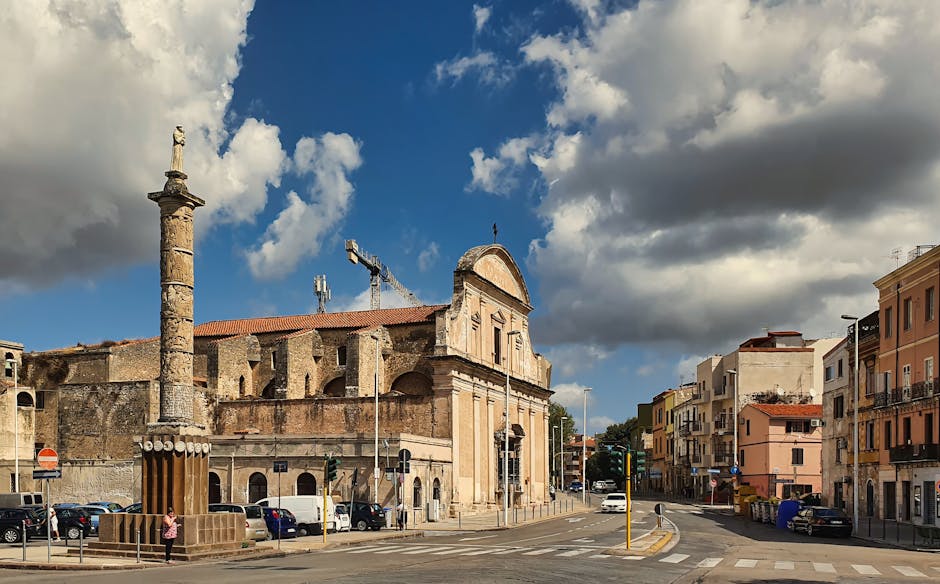
If you want to extend your stay in Sardinia after the Cavalcade, consider a trip to Porto Torres (Porto Torres, Via Roma, 07046 Porto Torres SS, Italy) for its beaches, or to Alghero (Lungomare Valencia, 07041 Alghero SS, Italy) for its Catalan-style old town. Bus and train lines easily connect these destinations to Sassari.
Conclusion: experiencing the Sassari Cavalcade, between tradition and emotion
The Sassari Cavalcade is far more than a parade; it’s an immersive experience where past and present meet, where craftsmanship and music weave a living identity. By attending the Cavalcade you witness a strong cultural transmission: embroidered costumes, carefully prepared horses, choreography and blessings form a collective ritual that brings the community together. Every detail — from fringe on a saddle to beads on a headdress — carries meaning and tells a story.
For visitors, preparation matters as much as discovery. Good planning (scouting viewing points, booking a grandstand if needed, knowing museum and tourist office hours) turns a visit into a successful immersion. Don’t forget to enjoy the local food scene: stalls and restaurants around Piazza d’Italia provide a rich culinary backdrop to end a festive day.
Finally, respect and curiosity are your best companions. The Cavalcade is a moment of sharing: ask questions, exchange stories, listen to participants. Photograph, but also allow yourself to be amazed without filters. Whether you come for the aesthetics, the ethnography or simply the pleasure of a beautiful day out, Sassari will welcome you warmly. The city, its squares — Piazza d’Italia, Piazza Castello, Piazza Duomo — and its monuments — the Cattedrale di San Nicola, the Palazzo Ducale — provide an unforgettable frame for this extraordinary equestrian spectacle.
If you’re planning your trip, keep these contacts in mind: the Ufficio Turistico – IAT Sassari (Via Dante, 33, 07100 Sassari SS, Italy) for maps and ticketing, the Stazione di Sassari (Piazza Martiri della Libertà) for connections, and Olbia Airport for flights. Arrive with some time, a good pair of shoes and a notebook of curiosities: the Sassari Cavalcade will give you images and emotions that last long after you return home.