





Introduction: Sardinia’s bread festivals — where sacred tradition, sharing and craft meet
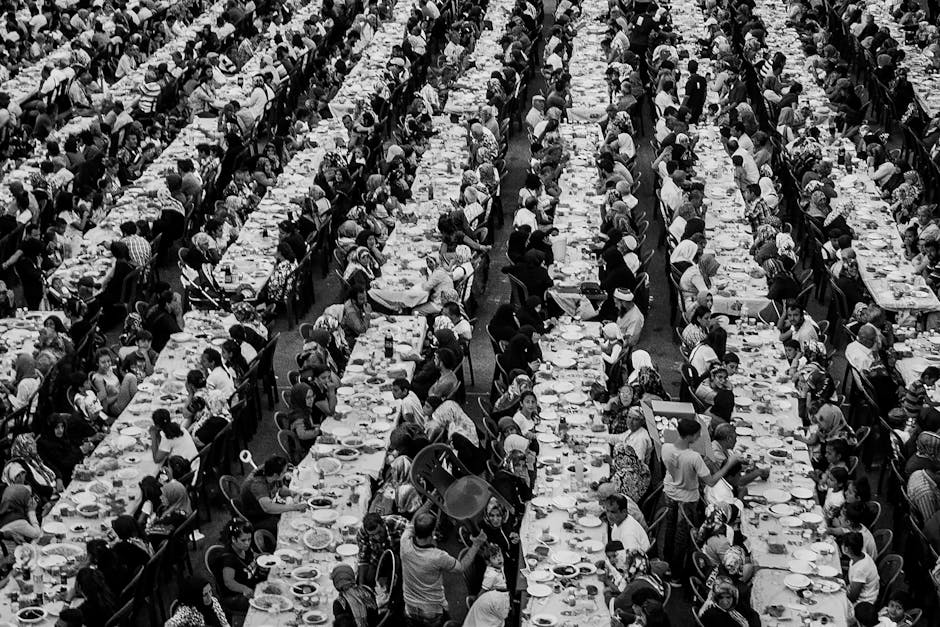
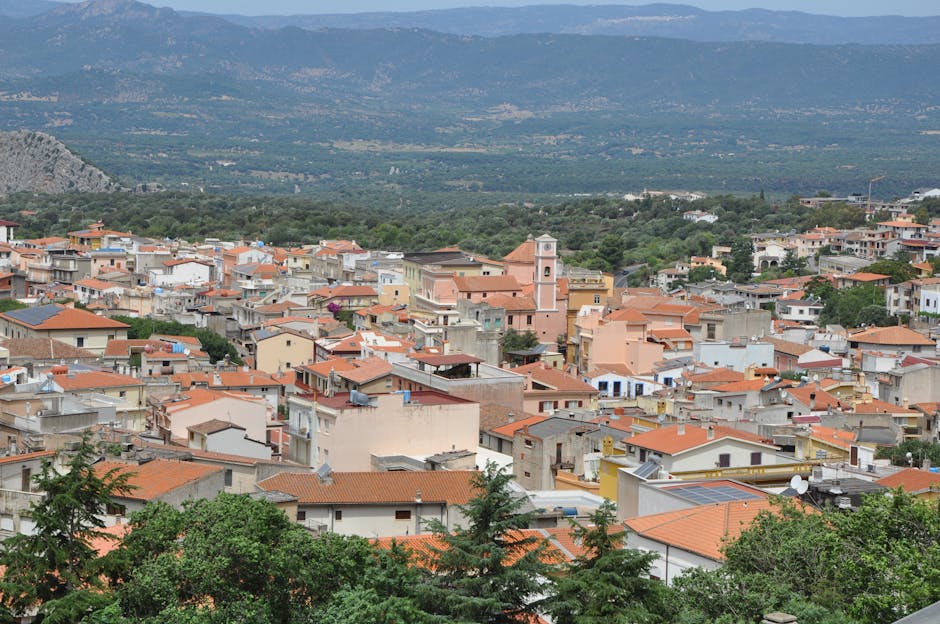
Sardinia is an island of stone, sea and deeply rooted rituals woven into everyday life. Among these rituals, the bread festivals — literally celebrations of bread — hold a place that’s religious, social and culinary all at once. They bring together towns and villages around a universal symbol: bread, not just as a staple food but as a sacred object that carries memory, beliefs and local identity. Through these celebrations you’ll discover ancient recipes and baking methods, ritual gestures, religious processions, offerings to patron saints and communal meals that cement village life.
Across the island, bread takes many forms — pane carasau, civraxiu, pane frattau, pane guttiau, pistoccu — each linked to a region, a traditional oven or a specific festival. Bread festivals usually take place during patron saint days (sagre, feste patronali), religious feasts (like harvest festivals) or seasonal events that mark the agricultural and pastoral calendar. They mix demonstrations of dough preparation, wood-fired communal oven bakes, liturgical blessings and public tastings. For visitors, these events are a unique gateway to Sardinian soul: you can watch ancestral baking techniques and taste breads almost impossible to replicate outside their terroir.
This guide aims to give you a practical overview of Sardinia’s bread festivals: where to go, what to see, what to taste, how the rites are organized, plus precise addresses (churches, markets, museums, communal ovens and bakeries) to plan your trip. Expect immersive descriptions — the smell of flour and burning wood, the crunch of fresh crusts, the heat of communal ovens — alongside practical info: exact addresses, opening hours, prices and local tips to take part respectfully and meaningfully. Whether you’re a curious traveler, a food photographer or a student of Mediterranean culture, this guide will let you follow the trail of sacred bread from the Campidano plains to the mountains of Barbagia.
In the sections that follow we’ll explore in detail the historical and religious context of the festivals, the major regions and must-see events, concrete addresses to watch and taste traditional bread, plus practical advice for participating, buying and bringing home artisan bread, and understanding the cultural and ethical dimensions of these traditions.
1) Historical, religious and social background of Sardinia’s bread festivals
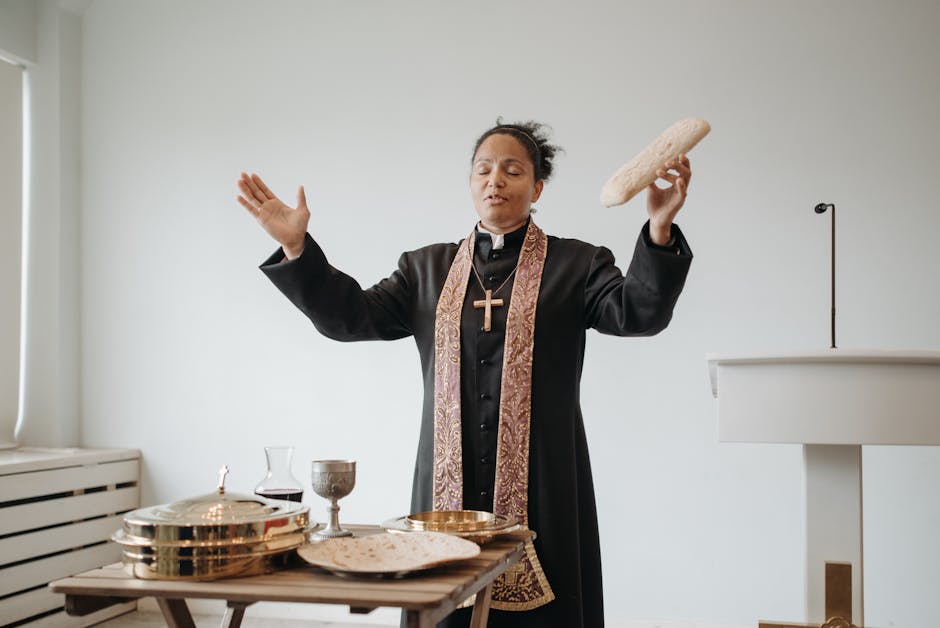
The connection between bread and the sacred in Sardinia goes back centuries. On an island shaped by farming and herding, bread embodies collective subsistence. The rites around bread are a legacy that blends Christian traditions, peasant practices and elements of pre-Christian worship that were reshaped by Christianity. Festeggiamenti (festivals) in honor of patron saints often center on the sacralization of bread: distribution to the faithful, blessings by the priest, and processions of breads offered at churches or placed on altars.
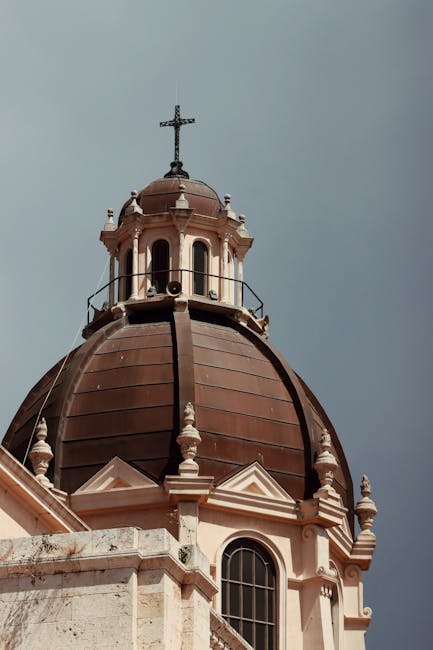
One place where this religious anchoring is very visible is the Basilica di Nostra Signora di Bonaria, Piazza Bonaria 1, 09121 Cagliari. Services follow a precise schedule: the basilica is open to the public Monday to Saturday from 07:00 to 19:00 and Sunday from 07:00 to 20:00. During major feasts, blessed breads are sometimes handed out for free — check with the basilica office (phone usually available at the local desk) for dates and arrangements. In Cagliari, as in other towns, you’ll often see mass, bread blessings and sharing with the less fortunate combined in a single rite.
Another focal point is communal life: in many small villages the communal oven — the forno comunale — is the village’s heart. Residents bring their dough to be baked, and the bake becomes a social exchange. This model still exists in villages like Orotelli (Via Roma, 08020 Orotelli NU) or Orgosolo (Piazza Marconi, 08027 Orgosolo NU), where baking days and festival dates are organized by the parish and municipality. Bread festivals therefore help maintain a network of community ties essential to rural life.
The gastronomic dimension is inseparable from the ritual. Sardinian breads are often multi-purpose: pane carasau (a paper-thin crisp flatbread), pane guttiau (carasau lightly oiled and seasoned) and pane frattau (carasau rehydrated with broth and eggs) are among the variants served at festivals for communal tastings. Shaping demonstrations reveal precise gestures — fine lamination, stretching, rapid baking — and locals will tell you that mastering a wood fire is the key to a good bake. Visitors soon learn that water quality, type of flour (often local durum wheat or blends) and oven temperature play crucial roles.
Local tips: during bread festivals, respect the ritual timing (wait for the blessing before eating sacred breads), ask permission before photographing religious ceremonies, and contribute to donations if you can. Locals also appreciate visitors who pay genuine attention to the gestures and words of the elders, often seen as the guardians of the craft. Finally, donations are usually in euros: contributions for wood or communal cooking commonly range from €2 to €10 per person depending on involvement and duration.
2) Regions and bread festivals not to miss — routes and typical dates
Sardinia is divided into distinct cultural zones where bread takes different shapes and meanings. Here are four essential axes with places and festival examples: Campidano (south), Barbagia (central-east), Gallura (northeast) and the northwest coast around Sassari and Alghero.
– Campidano and Cagliari: The capital and its surroundings host events tied to religious feasts and urban markets. In Cagliari, the Mercato di San Benedetto (Mercato Storico di San Benedetto, Via Francesco Cocco Ortu 30, 09125 Cagliari CA) is an excellent spot to observe local breads and vendors. Market hours: Monday to Saturday 07:00–13:00. Stall prices vary: a large rustic loaf can cost €3.50–5.00, while a package of artisan pane carasau is around €2.50–4.00 for 200–250 g depending on quality.
– Barbagia (Nuoro, Orgosolo, Oliena): The heart of pastoral tradition, Barbagia hosts many bread-centered rites, often during patron saint festivals. The Parrocchia di Nostra Signora della Mercede, Piazza Crispi 1, 08100 Nuoro (NU) is a place where blessings and distributions take place during local feasts. Events tend to run in summer (July–August) and include communal oven bakes. Sample prices at festival stands: portions of traditional dishes using pane frattau or pane carasau typically cost €6–12.
– Gallura (Tempio Pausania, Olbia): Here bread is often paired with seafood at coastal festivities. In Tempio Pausania, Piazza Nivola, 07029 Tempio Pausania (SS), local festivals include demos and markets where you can buy artisan pane carasau (about €3–5 per packet). Olbia’s central areas (via delle Torri 1) feature neighborhoods where bakers prepare special breads for feasts honoring the Virgin or maritime saints.
– Sassari and Alghero: In the northwest, Alghero’s Catalan cultural ties lead to local sharing variations. At Alghero’s Cattedrale di Santa Maria, Piazza Duomo, 07041 Alghero (SS), services and blessings tied to neighborhood festivities are sometimes held. In Sassari, Piazza d’Italia, 07100 Sassari (SS) is a hub for markets and street events, where traditional bread accompanies cheeses and cured meats. Festival kitchens typically offer portions for €5–10 depending on the dish.
Routing tips: check municipal calendars (siti web comunali) as dates change year to year. Summer months (June–September) are best for outdoor festivals; off-season, contact the local chamber of commerce or the municipal tourist office to find scheduled communal bakes. Rent a car to reach remote mountain villages and carry cash — many rural events don’t accept cards.
3) Practical addresses: communal ovens, museums, bakeries and markets to visit
To explore bread festivals and sacred loaves, it’s handy to have a list of addresses: churches where blessings occur, communal ovens open to the public, noteworthy museums and bakeries. Here’s a practical selection with opening hours and prices where available.
- Basilica di Nostra Signora di Bonaria — Piazza Bonaria 1, 09121 Cagliari (CA). Hours: daily 07:00–19:00 (Sunday 07:00–20:00). Free entry. During major feasts, blessed breads may be distributed; participation voluntary (suggested donation €2–10).
- Mercato Storico di San Benedetto — Via Francesco Cocco Ortu 30, 09125 Cagliari (CA). Hours: Mon–Sat 07:00–13:00. Prices: traditional loaves €3.50–5.00, pane carasau €2.50–4.00 per packet.
- Parrocchia di Nostra Signora della Mercede — Piazza Crispi 1, 08100 Nuoro (NU). Contact the parish for dates and local blessings (phone at the municipal desk). Local sagre often offer menus featuring bread: €6–12 per portion.
- Forno Comunale di Orotelli — Via Roma, 08020 Orotelli (NU). Traditional oven active during festivals. Generally open access during communal bakes; contributions for wood and baking: €5–15 per family depending on the batch.
- Cattedrale di Santa Maria (Alghero) — Piazza Duomo, 07041 Alghero (SS). Hours: 09:00–12:00 and 16:00–19:00 (seasonal variations). Free entry. Check the parish calendar for blessings and local festivities.
- Pasticceria / Panificio Pasticceria Deplano — Via Sardegna 12, 09045 Quartu Sant’Elena (CA). Hours: Tue–Sat 07:00–13:00, 16:00–19:30. Prices: artisan loaves €3.00–5.50; local pastries €1.50–3.00 each. Tip: arrive early for morning bakes.
- Museo Etnografico Sardo (food section) — Viale Roma 92, 08100 Nuoro (NU). Hours: Tue–Sun 09:30–18:00. Admission: €4–6 (variable). Exhibits on foodways and breadmaking tools.
Practical note: hours and prices can change with the season and special events. For communal ovens you’ll often need to register with the town hall (Comune) or parish; check with local tourist offices:
- Ufficio Turistico Comunale di Cagliari — Piazza Yenne 1, 09124 Cagliari (CA). Hours: Mon–Fri 09:00–13:00, 15:00–18:00. Lots of information and free brochures.
- Ufficio Turistico Tempio Pausania — Piazza Libertà 1, 07029 Tempio Pausania (SS). Hours: seasonal; call ahead.
Visiting tips: bring paper bags to carry bread (avoid hot plastic bags), always ask about ingredients (durum wheat flour, natural starter, salt) if you have allergies, and taste bread straight out of the oven — it’s often the most memorable sensory experience.
4) Culinary practices and recipes tied to sacred breads — from oven to shared table
Bread festivals aren’t just about baking: they include a range of preparations where bread becomes the central ingredient. Here are the main practices and recipes to know, plus notes on prices and how servings are usually handled at festivals.
Pane carasau: an ultra-crisp thin sheet made by repeated rolling and quick baking on a hot plate. It’s sold in packets (200–250 g) for €2.50–5.00 depending on the workshop and quality. At festivals it’s served plain or rehydrated to make pane frattau.
Pane frattau: a festive preparation using rehydrated pane carasau with broth (often meat or tomato-based), topped with a poached egg and pecorino cheese (civraxiu or pecorino sardo). Festival portions cost about €6–10 depending on ingredients (local eggs and cheese add to the price). This dish is a perfect example of humble ingredients turned into a celebratory meal.
Pane guttiau: an oiled version of carasau, made by brushing the bread with local olive oil (bottle prices around €6–12 per litre for good quality), sprinkling salt and sometimes herbs. This bread is a staple at outdoor communal aperitifs.
Pistoccu and civraxiu: pistoccu (a denser bread often made in the mountain areas) pairs particularly well with local cheeses like civraxiu (a goat/pecorino-style cheese). During tastings expect combined cheese + bread plates priced around €4–8.
Techniques and timing: traditional dough often uses a natural starter and manual kneading. Local bakers highlight three factors: flour quality (often local durum wheat or blends), fermentation time (longer at altitude and in cooler homes) and mastery of the wood-fired oven. Temperatures can reach 300–350 °C to achieve the characteristic overbake and crunch of carasau.
Pairings: at festivals bread is eaten with Sardinian charcuterie (prosciutto sardo, salsiccia), cheeses (pecorino sardo, civraxiu), marinated vegetables and of course local wine (Cannonau, Vermentino). Festival menus typically offer 2–3 antipasti that include bread, followed by pasta or meat dishes. Sagra menu prices: €12–25 per person depending on abundance.
Cooking and takeaway tips: store packaged pane carasau in a dry cupboard — it keeps for weeks. For pistoccu or moist loaves, consume within a few days or freeze slices. If you want to learn the craft, some bakeries and tourist offices run 2–4 hour workshops (masterclasses): prices €25–60 depending on duration and supplied ingredients.
Conclusion: Joining Sardinia’s bread festivals — ethics, immersion and lasting memories
Joining Sardinia’s bread festivals means immersing yourself in a culture where a symbolic food becomes a social bond. These festivals are both markers of collective identity and opportunities for genuine exchange. For respectful visitors, a few rules apply: observe the rites and wait for blessings before eating sacred breads, respect liturgical and communal spaces, support local artisans by buying bread and related products, and favor conversation over simple consumption — take the time to speak with bakers, elders and festival organizers.
Practically, plan your visit by checking local tourist offices (Ufficio Turistico Comunale di Cagliari — Piazza Yenne 1, 09124 Cagliari CA; Ufficio Turistico Tempio Pausania — Piazza Libertà 1, 07029 Tempio Pausania SS) for up-to-date calendars. Bring cash for small contributions, arrive early for morning bakes and pack suitable bags for transporting bread. If you want to learn, ask about bread-making workshops at ethnographic museums or artisan bakeries; they’re often the best way to acquire skills while supporting the local economy.
Ultimately, bread festivals are experiences built on patience, sharing and respect. They tell the story of an island through its flours, ovens and ceremonies. Sardinia’s sacred breads are not just culinary products: they’re taste archives, tools of social cohesion and bridges between generations. By taking part, you’ll bring home more than flavors: you’ll carry stories, gestures and the warmth of a communal oven that still feeds and brings people together today.