





Introduction: Night of Fires in Sardinia — where ancient rites meet glowing coasts
Sardinia is an island where collective memory is written in stone, song and fire. The « Night of Fires » (le più comuni feste dei fuochi in Sardegna) is a patchwork of popular events that weave together pagan and Christian rituals, sea and land, rural communities and coastal ports. These vigils take many forms depending on the town — large votive bonfires, torch processions, fireworks after dusk — and they are far more than tourist spectacles: they are acts of memory, rituals of protection against evil, and moments of social unity where people share bread, wine and polyphonic songs.
For travelers wanting to experience these nights from the inside, the trip calls for preparation, respect and curiosity. Traditions change from village to village: in Cagliari urban processions can mingle with impromptu fires on the quays; in Bosa medieval lanes glow with small embers where locals roast regional specialties; in more mountainous communities like Mamoiada or Orgosolo, the vigil takes on an initiatory feel with masks and ritual dances. Understanding the meaning of each gesture, recognizing the key players (priests, confraternities, « su dragoni » or torch-bearers), and observing local codes — timings, photo bans during sacred moments, where offerings are placed — is essential to fully enjoying the celebration.
This practical guide offers an immersive approach to the Night of Fires along Sardinia’s coasts and in a few emblematic towns. You’ll find precise addresses (squares, quays, parish halls), typical schedules, estimated costs for access to certain sites or services (guided tours, shuttles, festival menus), plus logistical tips (parking, public transport, safety). The information here is meant to help you plan your stay and give you the keys to participate consciously and respectfully. We’ll also point out places to keep the evening going: traditional restaurants, lively bars, hotels close to the festivities, with practical addresses and opening times.
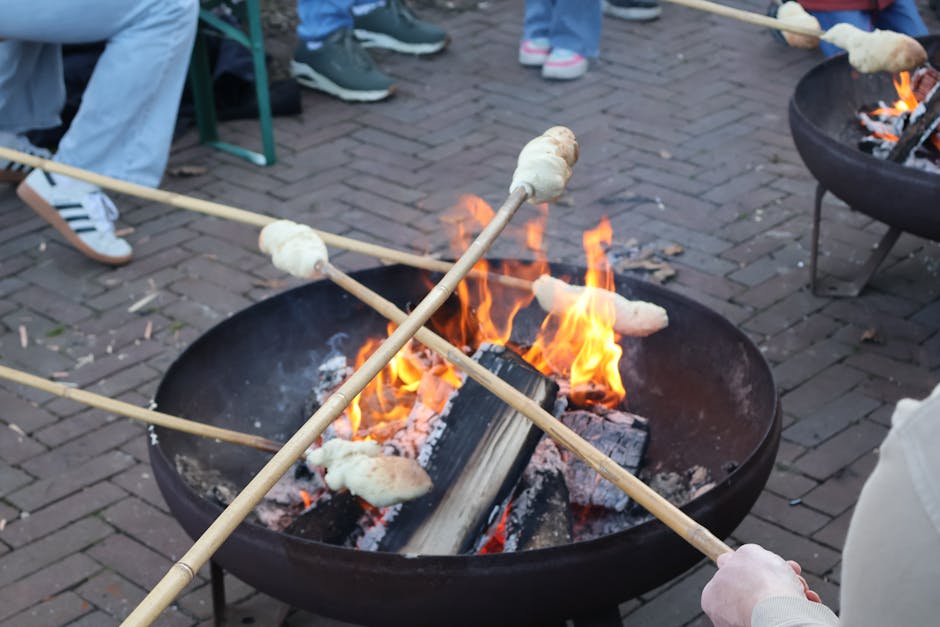
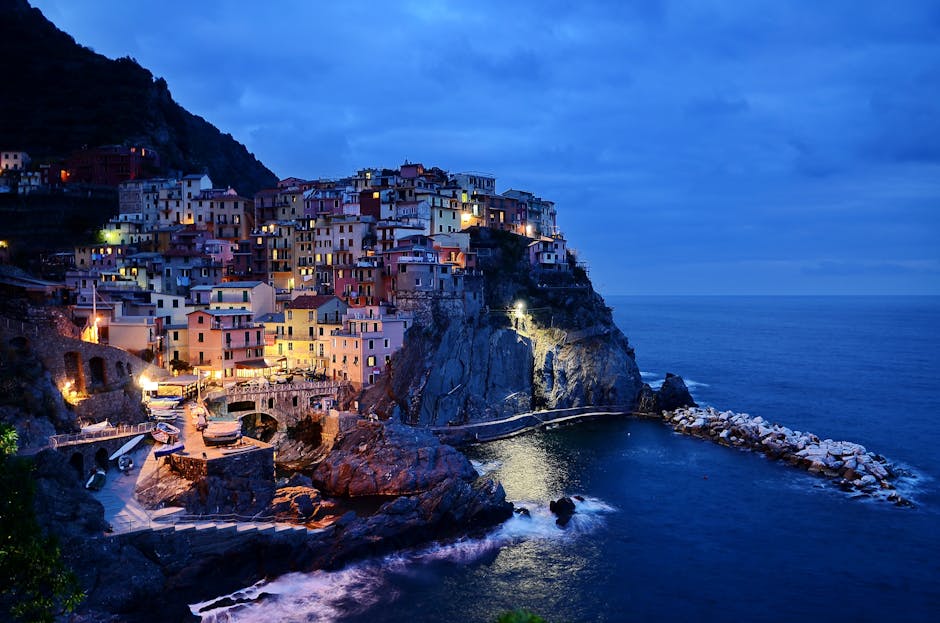
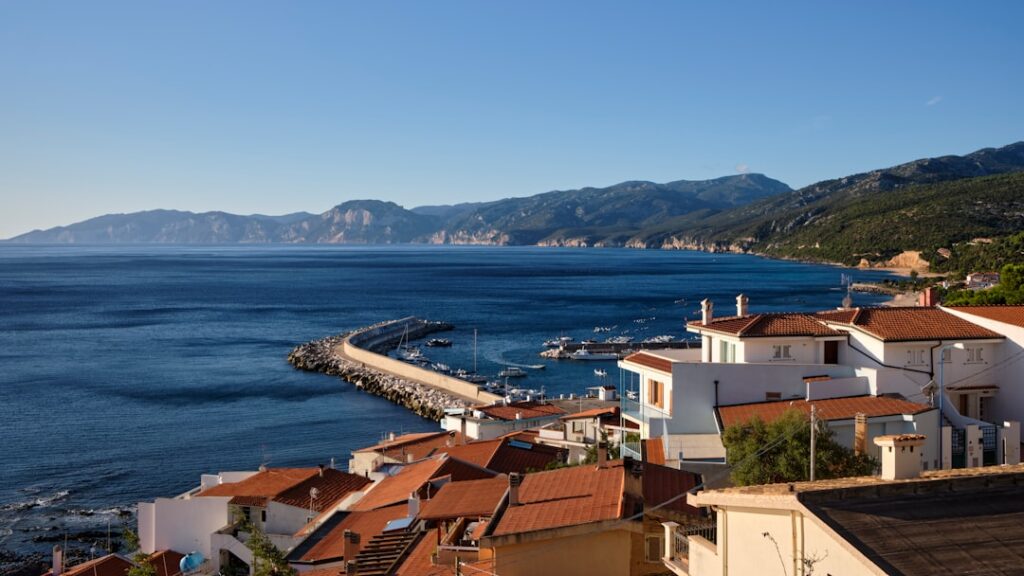
Finally, the Night of Fires isn’t just about the flame itself: it includes the coastal scenery — crenelated cliffs, hushed bays, picturesque harbors — that the fire lights up with dramatic highlights. Expect unforgettable photo moments, but also intimate communal scenes: share a glass of Cannonau, taste grilled pane carasau by the flames, listen to polyphonies under the moon. Respect the environment: don’t approach the fires, follow organizers’ instructions, and avoid leaving litter. With this guide you’ll be ready for a Night of Fires in Sardinia that’s safe, rewarding and authentic.
1) Cagliari and the waterfront: urban processions and quayside bonfires
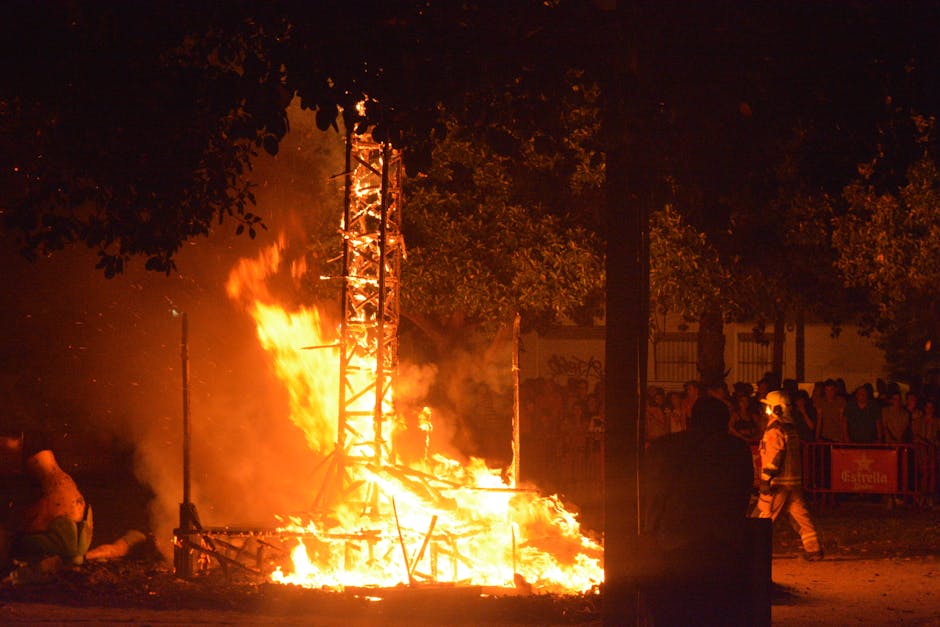
Cagliari, Sardinia’s southern capital, often stages vigils that blend religious tradition with civic participation. Central spots are Piazza Yenne (Piazza Yenne, 09125 Cagliari CA, Italy) and the Bastione di Saint Remy area (Via Roma, 09124 Cagliari CA), as well as the quays of Cagliari’s port (Via Roma, Porto di Cagliari). Night of Fires festivities can kick off as early as 7:30pm with evening Masses or blessings at the Chiesa di San Saturnino (Piazza San Saturnino, 6, 09124 Cagliari CA) — a typical Mass at 6:30pm — followed by confraternity processions carrying torches and votive statues.
Practical address: Piazza Yenne, 09125 Cagliari CA. Typical schedule: gathering at 7:30pm, procession 8:00–9:30pm, bonfires lit between 9:00pm and 10:00pm. Cost: most outdoor events are free; some cultural initiatives or associated concerts may charge admission (from €5 to €20 depending on the artist). For a guided experience (night tour « Cagliari by Night & Bonfires »), expect about €25 per person for a two-hour guided walk (advance booking recommended through local tourist offices).
Getting to Cagliari: the main station is Stazione Centrale di Cagliari (Piazza Matteotti, 09124 Cagliari CA). CTM city buses link the station to Piazza Yenne (lines 5, 7 depending on schedule). Parking: Parking Sa Illetta (Via Is Guadazzonis, 09122) or paid city center lots, average rate around €1.20/hour. Local tip: walk into the historic center to avoid congestion; bring a small headlamp if you plan to stroll the quays. Safety: respect cordoned-off areas and municipal fire brigade lines — Cagliari usually deploys security measures between 9:00pm and 2:00am.
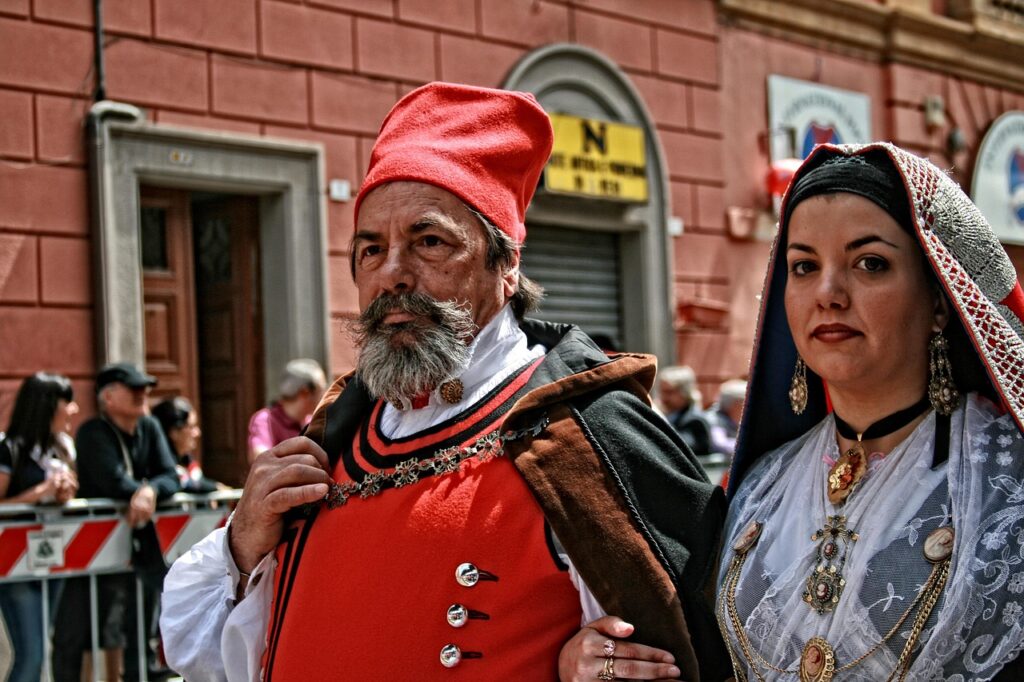
2) Alghero and the coastal spell: fires on the ramparts and Catalan traditions
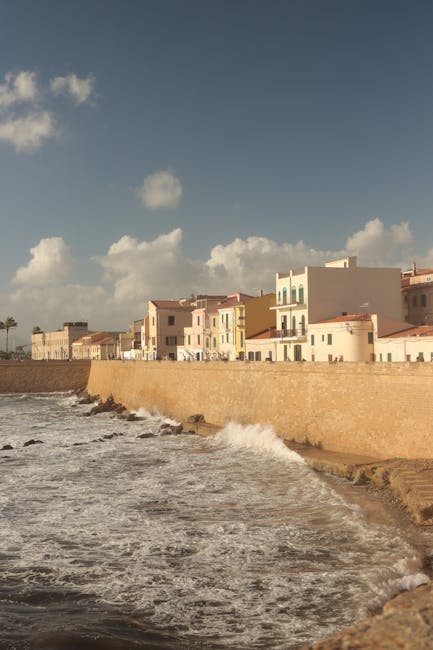
Alghero, on Sardinia’s northwest coast, combines a strong Catalan identity with Sardinian rituals: the « Nit de focs » becomes highly photogenic when flames reflect off medieval ramparts. Gathering points include Via Carlo Alberto (Via Carlo Alberto, 07041 Alghero SS), the Lungomare Valencia (Lungomare Valencia, 07041 Alghero SS) and the old town around Porta a Mare (Piazza Sulis, 07041 Alghero SS).
Typical program: crowds gather from 8:00pm, small bonfires in authorized squares (Piazza Civica, 07041 Alghero SS) around 9:00pm, and a fireworks display over the seafront between 10:30pm and 11:00pm. Cost: public areas are free; VIP spots (balconies, restaurant terraces) offering prime views can cost between €30 and €60, often with a drink included. Services: shuttles from Alghero-Fertilia station (Via Aeroporto, 07041 Alghero SS) run during major events (shuttle fare €3–€5 each way).
Places to keep the evening going: Ristorante Al Tuguri, Via Carlo Alberto, 28, 07041 Alghero SS — festival menu around €35 per person (open 7:00pm–11:30pm); Trattoria Il Pavone, Via Sant’Andrea, 16, 07041 Alghero SS — local dishes, antipasti €8–€12, closes 11:00pm. Accommodation: Hotel Catalunya, Via Catalogna, 35, 07041 Alghero SS — rooms from about €80/night in high season (book ahead). Local tip: favor the old town for its intimate atmosphere and arrive early to secure a terrace table; bring a windproof layer, the sea breeze can get chilly after sunset.
3) Bosa and the charm of narrow lanes: bonfires by the Temo and popular gastronomy
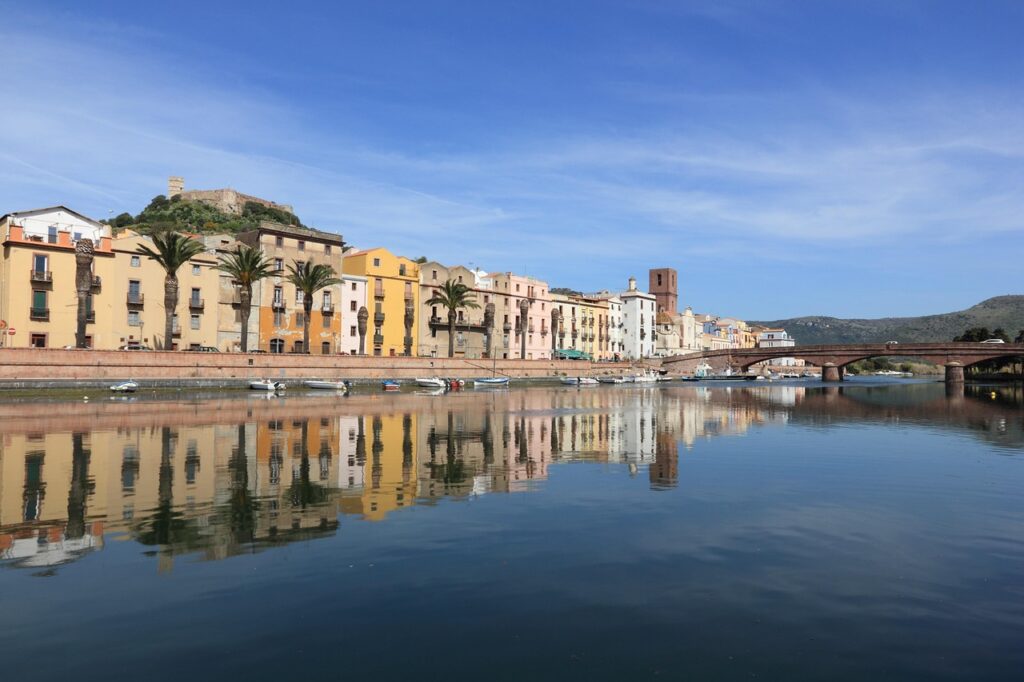
Bosa, a small gem on the west coast, offers a unique setting for the Night of Fires: bonfires lit on the banks of the Temo River (Lungotemo, 08013 Bosa OR, Italy) create postcard-perfect scenes as light shimmers on the water and pastel facades. The focal point is Piazza del Popolo (Piazza del Popolo, 08013 Bosa OR) and the Borgo Marina, with its narrow alleys and steps where residents prepare grills and local specialties.
Schedule: embers prepped from 6:00–7:00pm, official lighting between 8:30pm and 9:00pm, musical entertainment and traditional songs until midnight. Cost: usually free; festive menus in local osterie around €20–€35 per person (main course, side, glass of wine). Recommended spots: Ristorante Sa Pischedda, Via Logudoro, 26, 08013 Bosa OR — special « Night of Fires » menu €28 per person, open 7:00pm–11:00pm; Trattoria di Bosa, Corso Vittorio Emanuele, 53, 08013 Bosa OR — grilled fish specialties, €18–€30.
How to get there: the nearest station is Bosa-Marghine (Via Stazione, 08013 Bosa OR); the town is also reachable via the SS292 road. Parking: Lungomare public parking (Lungotemo, 08013 Bosa OR), free in the evening during low season; otherwise paid lots during the day. Viewing tip: climb up to Malaspina Castle (Castello Malaspina, Salita Castello, 08013 Bosa OR) for an elevated vantage point — the castle is sometimes open for cultural events (entrance fee around €3–€5). Respect organizers’ instructions to preserve the old town and don’t leave any waste near the fires.
4) Sant’Antioco and the southwest: island ports and maritime fire rites
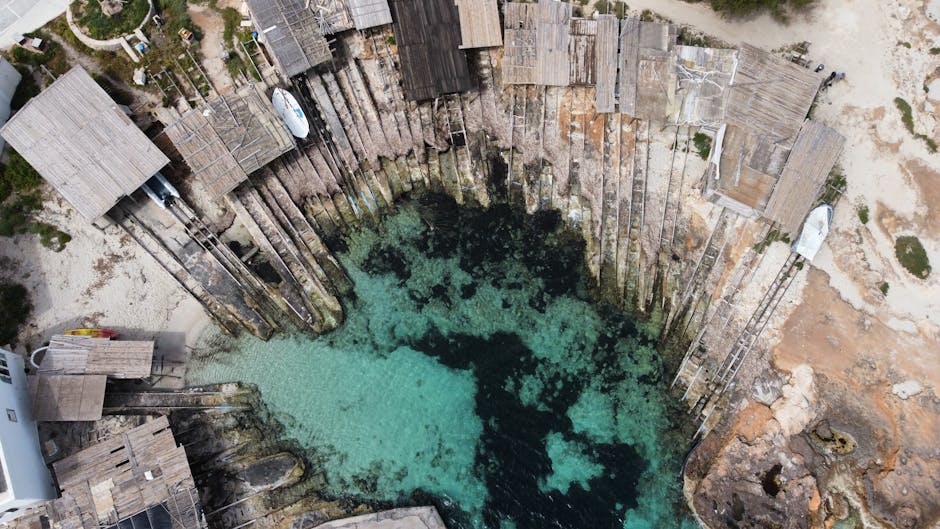
Sant’Antioco, an island linked to Sardinia’s southwest coast, blends religious fervor with maritime customs: the Night of Fires here often ties into the patron saint’s celebrations, with boat blessings and fires lit at sunset along the Lungomare. Meeting points include Piazza Umberto I (Piazza Umberto I, 09017 Sant’Antioco SU, Italy), Lungomare Sergio Atzeni (Lungomare Sergio Atzeni, 09017 Sant’Antioco SU) and the harbor (Porto di Sant’Antioco, 09017 Sant’Antioco SU).
Practical times: Vespers Mass at 7:00pm at the Chiesa di Sant’Antioco Martire (Piazza Indipendenza, 09017 Sant’Antioco SU); a lantern-lit sea procession around 8:30pm; beach bonfires and local concerts from 9:00pm. Cost: most outdoor activities are free. For a more organized experience (themed dinner + viewing from a private terrace), budget around €40–€60 per person. Shuttles: connections from Carbonia (Piazza Roma, 09013 Carbonia SU) to Sant’Antioco run during big festivals — shuttle fares €5–€8 one way.
Nearby dining: Ristorante La Lanterna, Via XX Settembre, 28, 09017 Sant’Antioco SU — fresh fish and festival menus around €30; Trattoria da Maiori, Via XXV Aprile, 12, 09017 Sant’Antioco SU — local specialties and Sardinian desserts, menus €20–€35. Accommodation: B&B Sa Carrela, Via Cagliari, 10, 09017 Sant’Antioco SU — rooms from about €50/night (breakfast included). Local tips: wear sturdy shoes for beach walks, respect nesting areas if you visit late in the season (protect coastal wildlife), and book tables early — locals take these celebrations seriously and restaurants fill up fast.
5) Castelsardo and the northern coast: ramparts, songs and staged flame displays
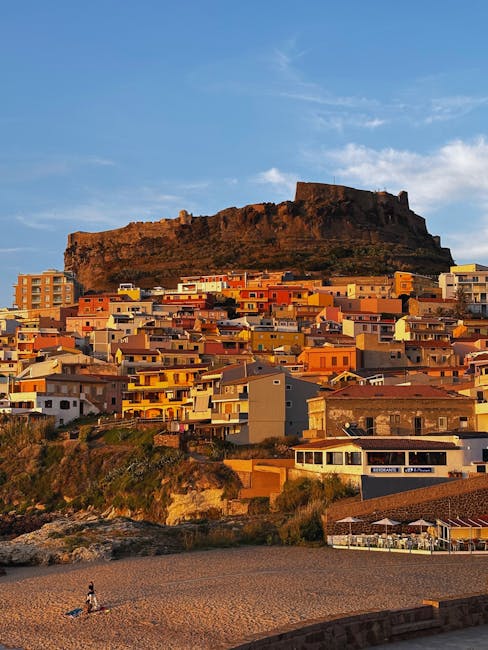
Castelsardo, perched on a hill overlooking the northern sea, hosts evenings where the contrast between fire and medieval stone produces a spectacular atmosphere. Gathering spots are the historic center around the Castello dei Doria (Castello dei Doria, Piazza Castello, 07031 Castelsardo SS) and Lu Bagnu beach (Lu Bagnu Beach, 07031 Castelsardo SS) for maritime pyrotechnic shows.
Typical program: food stalls and folk workshops open from 6:00pm, traditional costume parades in the alleys between 7:30pm and 9:30pm, a dramatic lighting from the ramparts at 10:00pm followed by regional concerts. Cost: general access is free; guided castle visits for the evening often have a reduced fee (around €4–€6). Restaurants and addresses: Ristorante Antico Borgo, Piazza Castello, 07031 Castelsardo SS — tasting menu €30–€45, open 7:00pm–11:00pm; Osteria del Borgo, Via Roma, 12, 07031 Castelsardo SS — local dishes €15–€28.
Getting to Castelsardo: nearest station is Sassari (Stazione FS Sassari, Piazza Stazione, 07100 Sassari SS) then bus service with ARST or a taxi (about 40 minutes). Parking: public parking near the historic center (Parcheggio Via Mazzini, 07031 Castelsardo SS), paid during daytime. Local tips: climb up to the Castellu for a panoramic view of the show; bring a flashlight for the steep alleys; follow safety rules around the fires and heed the directions of civil protection volunteers (Protezione Civile — often present to manage the event).
Conclusion: experiencing the Night of Fires in Sardinia — respect, immersion and safety
The Night of Fires in Sardinia is a deeply sensory experience: the warmth of the flames, the scent of burning wood, the close-knit atmosphere of the vigils and the wild beauty of the island’s coasts. For visitors, it’s a rare opportunity to witness living rituals, savor generous popular cuisine and learn how Sardinian land and culture have woven protection and celebration around fire. This guide outlined practical markers — addresses, schedules, indicative prices — for five emblematic coastal spots: Cagliari, Alghero, Bosa, Sant’Antioco and Castelsardo. Each offers a local take on the same themes: protection, purification and conviviality.
To make the most of these nights, keep a few key recommendations in mind: check with local tourist offices in advance (Ufficio Informazioni Turistiche), arrive early to secure a good spot, respect cordoned areas and organizers’ instructions, never touch a fire and avoid disturbing rituals that are of a religious nature. On the logistics side, book accommodation and restaurants ahead, especially in high season; prefer public transport or event shuttles to avoid parking stress and temporary traffic restrictions.
Finally, approach these celebrations with curiosity and humility: ask questions, talk with locals, try regional specialties like grilled pane carasau, porceddu (if available), and Cannonau served from a pitcher. Those encounters often capture the true spirit of the Night of Fires: moments of sharing that warm the heart as much as the flames warm the night. Whether you seek the spectacle of fires on ramparts, the intimacy of a beach vigil, or the communal fervor of a procession, Sardinia offers a palette of authentic experiences — as long as you arrive prepared, respectful and open to connection.