





Introduction: Coastal trails and peaks — thru-hiking in Sardinia
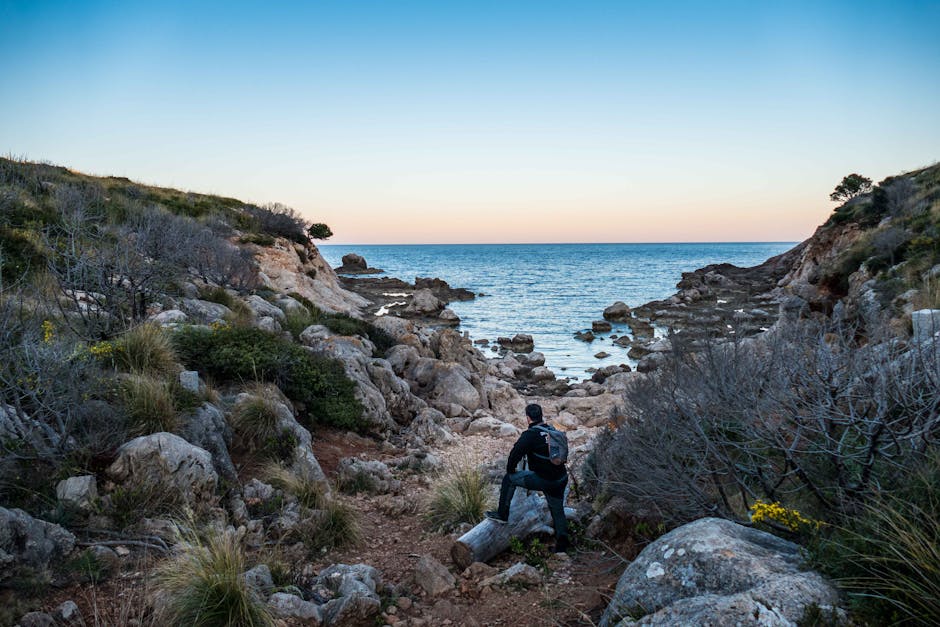
Sardinia, a Mediterranean island of striking contrasts, is a true playground for thru-hikers. From limestone cliffs plunging into turquoise seas, secret beaches reachable only on foot or by boat, mountain plateaus carved by millennia of erosion and cork oak forests, the island packs an extraordinary diversity of landscapes into a relatively small area. Thru-hiking in Sardinia blends long days on the trail, cultural immersion and nights often spent under the stars or in rural lodgings, following routes that link shorelines to summits. This article gives a practical, detailed approach to planning an itinerary, highlights must-see spots and helps you prepare your adventure safely.
Coastal walks like those in the Gulf of Orosei, circuits around Capo Testa, or panoramic paths near Alghero pair perfectly with higher-altitude stages in the Gennargentu range (Bruncu Spina, Punta La Marmora). Sardinia’s terrain does require proper preparation: some big elevation changes, limited water access in places, and exposed sections that can be hammered by the mistral or maestrale winds. On a thru-hike each day can bring a double contrast — dawn above the clouds on a misty ridge, the afternoon spent tracing a wild coastline where white rock makes the sea glow.
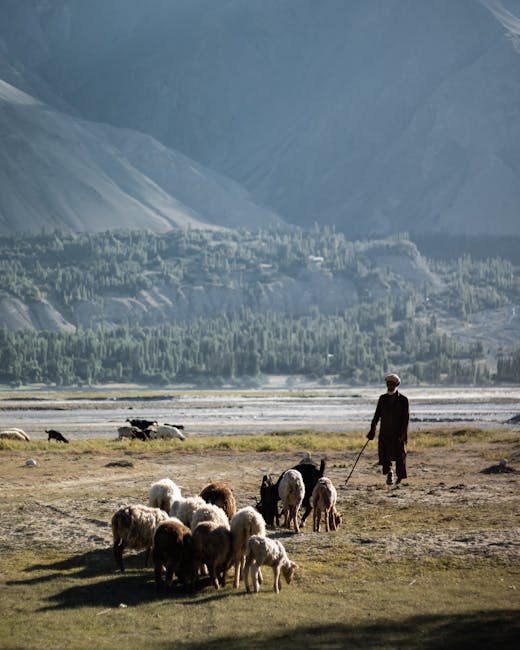
Beyond the scenery, Sardinia is rich in a unique human and archaeological heritage: nuraghi, pastoral villages, countryside chapels and farms producing cheeses and wine. A thru-hike can easily include visits to sites like Nuraghe Su Nuraxi (Barumini), seasonal shepherding still observable in some villages, or tasty stops to sample pecorino sardo and pane carasau. To make the most of Sardinia, you must plan stages with an eye on distances between resupply points, places to sleep and water sources, and be aware of local rules on wild camping and protecting natural reserves.
In this article I offer five main themes to organize a Sardinian thru-hike: preparation and logistics, unmissable coastal routes, mountain traverses and summits, on-the-trail practical tips and suggestions for places to stay and resupply. Each section contains practical details — exact addresses, typical hours, indicative prices, safety tips — along with immersive descriptions to help you picture each part of the journey. Whether you’re planning a short loop around a headland or a more ambitious coast‑to‑coast crossing via the Gennargentu, this guide will help you design a route that fits your level and desires.
Preparation and logistics: planning your thru-hike in Sardinia
The success of a thru-hike in Sardinia comes down to careful preparation. Start by assessing your fitness and the trip length you want (3–10 days is typical for a medium circuit), then draw up a realistic itinerary that factors in resupply points and accommodation options. Some remote coastal areas have no shops, so it’s common to carry food and water for 2–3 days depending on the season. April–May and September–October often offer the best conditions: pleasant temperatures and fewer people on the trails.
Documents and permits: most trails are open and don’t require permits. However, certain protected areas (Parco Nazionale del Golfo di Orosei e del Gennargentu, marine reserves) have conservation rules and wild camping may be restricted. Check with local tourist offices; for example:
- Ufficio Turistico di Dorgali (Cala Gonone) — Via Nazionale 34, 08022 Dorgali (NU). Hours: Mon–Fri 09:00–13:00 and 15:30–18:30 (high season 09:00–19:00). Tel. +39 0784 970071. Information, maps and any permits: free.
- Visitor Centre Parco Nazionale del Gennargentu e del Golfo di Orosei — Località Su Gologone, 08020 Oliena (NU). Hours: 09:00–17:00 (variable). Park access: generally free, but guided activities cost extra (local guides 40–80 € per half-day).
Essential gear: sturdy ankle-support boots with aggressive tread, a 40–60 L pack for thru-hiking, a lightweight stove (check local rules in protected zones), water filter or purification tablets, sun protection (hat, SPF 50 sunscreen), windproof/waterproof jacket — the maestrale can surprise on ridgelines. For nights bring a lightweight tent (1–2 kg) or plan to use rifugi/agriturismi depending on the stage. A first-aid kit, GPS or detailed maps (IGM 1:25 000 maps for Sardinia recommended) and an external battery are musts.
Transport and access: main trailheads along the coast are reachable by road and in some cases by boat. Practical examples:
- Access to Cala Luna: Cala Gonone pier — Porto di Cala Gonone, Via Lungomare 08022 Cala Gonone (Dorgali). Public parking: Piazzale Marina, free in low season, paid €1–3 per day in summer.
- Access to Capo Testa: Faro di Capo Testa, SP90, 07030 Santa Teresa Gallura (OT). Parking: lighthouse car park, paid in summer €2–5 per day.
Booking places to sleep: for nights off the ground, favor agriturismi (farm stays), B&Bs and small hotels. Example contact: Agriturismo Sa Ruda, Località Sa Ruda, 08022 Dorgali (NU), tel. +39 349 000000 (book in season). Prices vary: double room €50–120 depending on comfort and location; half‑board sometimes available (meals €15–30 per person).
Must-do coastal routes (east and north): cliffs, coves and secret inlets
Sardinia is famous for its jagged coast and crystal-clear waters. Here are three coastal itineraries especially suited to thru-hiking; they can be linked depending on how long you stay and your fitness:
1) The Gulf of Orosei coastline — from Cala Gonone to Cala Luna and Cala Sisine
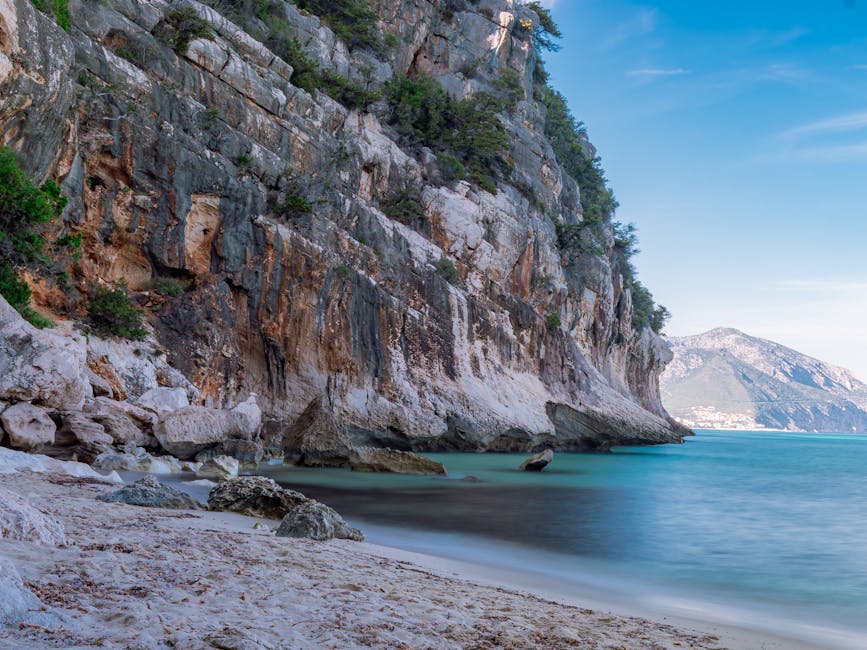
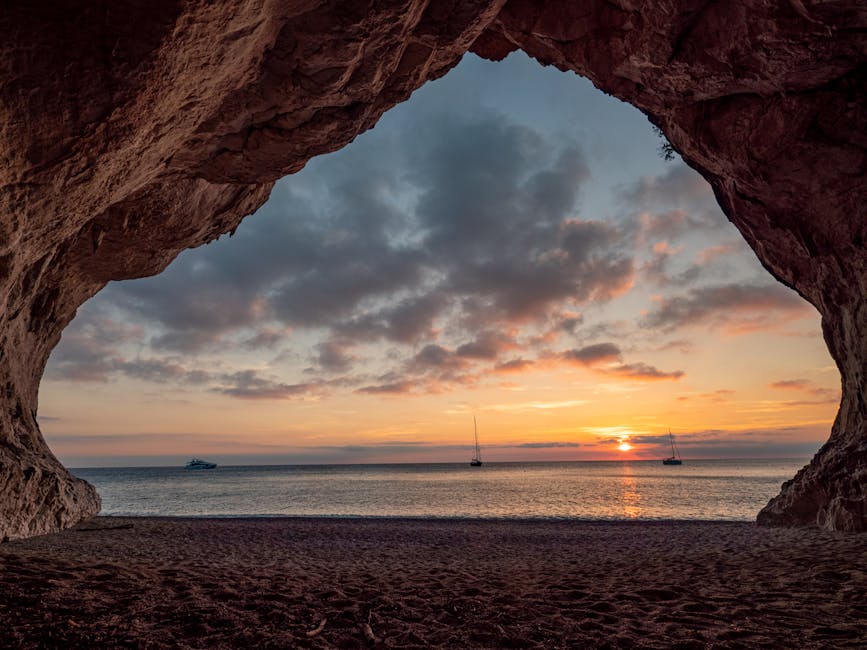
This area is among the most spectacular on the island. Start at Porto di Cala Gonone (Via Lungomare, 08022 Cala Gonone, Dorgali, NU), accessible by car or bus from Nuoro. Crossing the bays of the Gulf of Orosei can be done on foot along coastal paths and by boat to skip headlands or reach beaches inaccessible by road. Trails between Cala Gonone and Cala Luna offer vertiginous views and sea caves; the hike from Cala Gonone to Cala Luna takes about 3–4 hours depending on the route. Boat trips leave the port with fares around €20–35 per person return (seasonal variation). Also visit the Su Gologone spring nearby for a fresh-water break and photos.
2) Capo Testa and Costa Paradiso
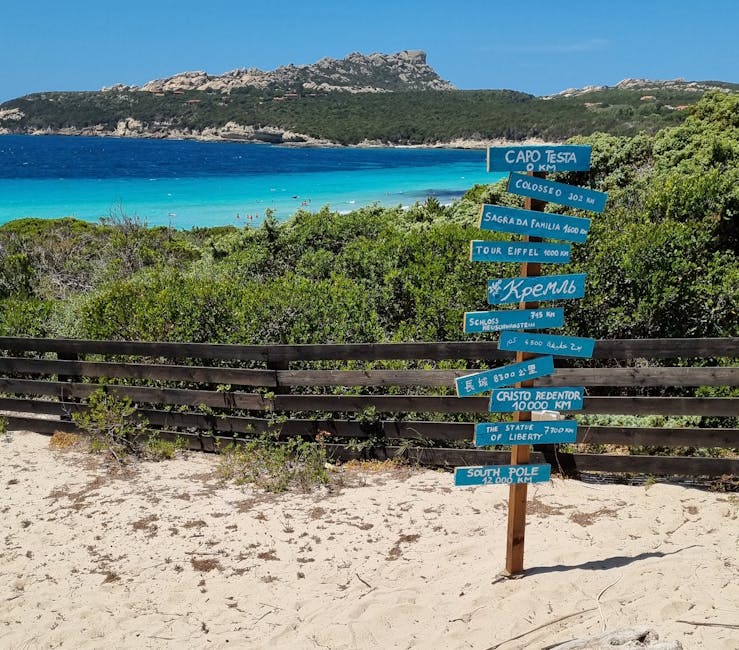
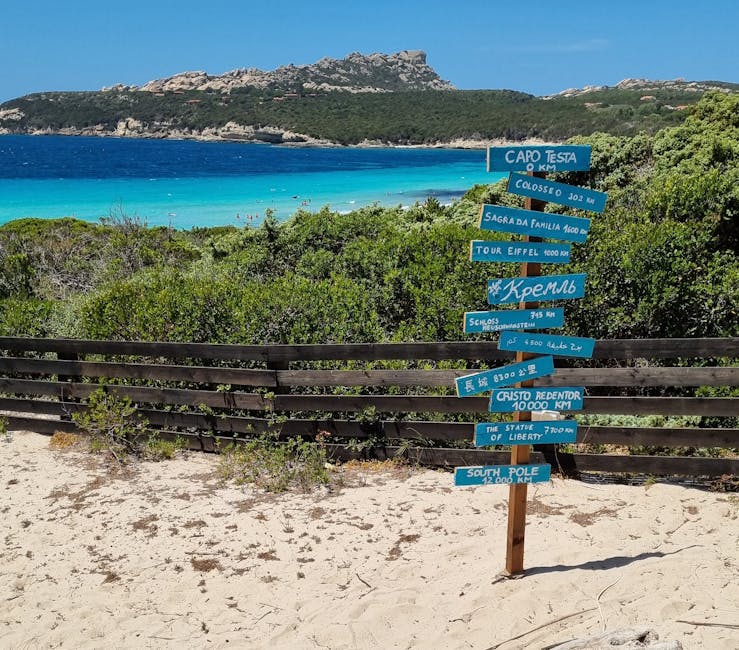
Up north, Capo Testa (Località Capo Testa, 07028 Santa Teresa Gallura OT) offers an easy coastal trail dotted with wind-sculpted granite formations and tiny coves. The Capo Testa lighthouse (Faro di Capo Testa) is a great landmark. The trail can be extended into Costa Paradiso (Località Li Canneddi, 07030 Trinità d’Agultu e Vignola), known for natural rock pools and reddish rocks. Parking and access: Faro di Capo Testa car park, summer fee €2–5. Respect private property signage and avoid entering private land.
3) The Alghero coast to Capo Caccia
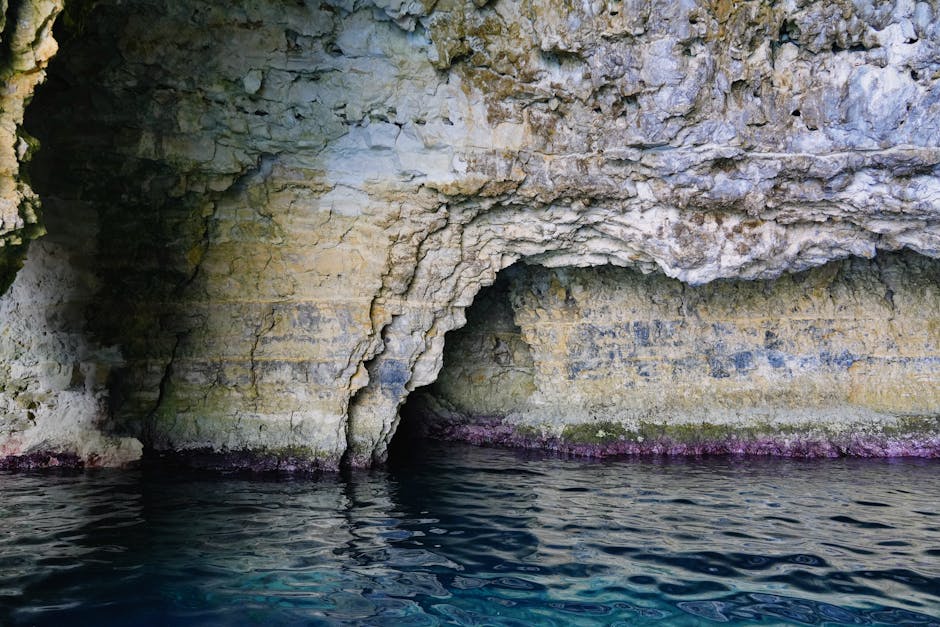
Northwest, Alghero Bay (Porto di Alghero, Via Columbano 3, 07041 Alghero, SS) and the dramatic Capo Caccia headland (Capo Caccia – Isola Foradada Marine Protected Area) offer coastal trails with cliff views and sea caves. The Grotta di Nettuno (Neptune’s Cave) is a must-stop: access by boat from Alghero port (shuttles €15–20 return, about 30 min) or via a 654-step stairway from Punta Giglio (free access). Cave visiting hours: usually 09:00–18:00 in season (May–Sept), guided-entry price around €13–15 per adult (variable). Combine the coastal hike with a stop in Alghero’s old town to sample the Catalan-influenced Sardinian cuisine.
Mountain traverses and summits: Gennargentu, Bruncu Spina and Punta La Marmora
Sardinia’s story isn’t all coast — the mountainous heartland of the Gennargentu massif offers challenging, panoramic crossings. Punta La Marmora (1,834 m) is the island’s high point and the emblematic summit experience. Here’s how to approach these mountains in an itinerant style.
Access and starting bases: two villages often used as logistical bases are Nuoro (Piazza Vittorio Emanuele, 08100 Nuoro, NU) and Desulo (Viale G. Marconi, 08032 Desulo, NU). Roads get you close to trails, but final stretches are walked on pastoral tracks. Nuoro’s tourist office provides maps and advice: Ufficio Turistico di Nuoro, Via Cavour 36, 08100 Nuoro — hours 09:00–13:00, 15:30–18:00, tel. +39 0784 123456.
Typical 3-day itinerary (example): day 1: climb from Fonni (1,200 m) toward the forest refuge or an intermediate bivouac — 6–8 hours; day 2: ascent of Punta La Marmora (1,834 m) along ridges and arêtes, then traverse toward Gennargentu plateaus; day 3: descend to Villagrande Strisaili or return to Fonni. Challenges: rocky sections, sometimes unmarked trails, and changeable weather. The nearest refuge for assistance is Rifugio Bruncu Spina (Località Bruncu Spina, 08023 Fonni, NU) — check local contact in season (often open only in summer and for groups), dorm-style sleeping and limited resupply; refuge prices €15–30 per night depending on services.
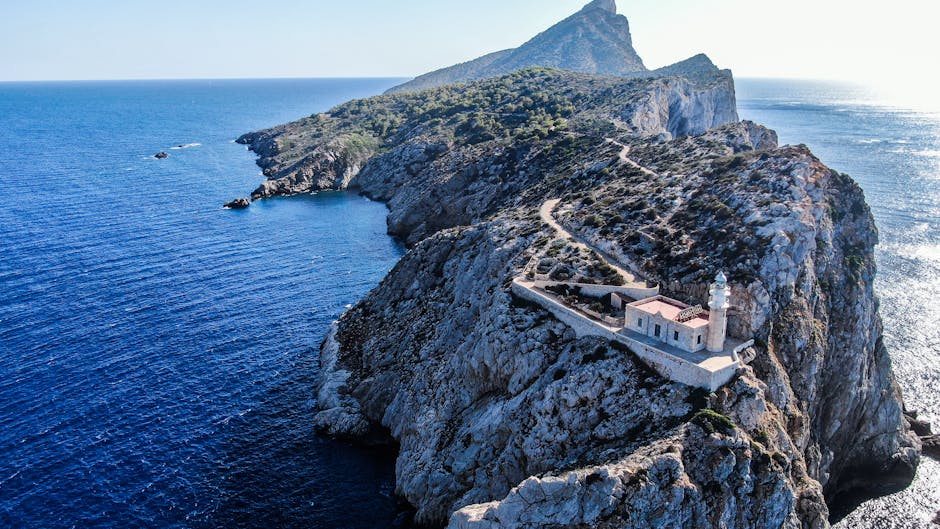
Safety and guides: for a Gennargentu crossing, hiring a local guide is strongly recommended for off-trail sections and navigating karst terrain. Local guide rates (associations and mountain guides): €120–200 per day for a private guide (depending on group size and route complexity). Always notify a local contact (your accommodation or the tourist office) about your route and your expected passage times.
Flora and fauna: the massif hosts endemic species and flocks of grazing sheep. Climbing toward Bruncu Spina you pass beech and pine woodlands, upland pastures and dolines, with sweeping views of the eastern coast on clear days — a panorama that rewards the climb.
On-the-trail practical tips: safety, resupply and respecting the environment
Stay self-sufficient and responsible: on a thru-hike, water and waste management are crucial. Carry at least 2–3 liters of water per person per day depending on heat and elevation gain. Use portable filters or purification tablets if you plan to use spring water. Pack out all trash to a collection point or village; leaving waste in parks and marine reserves is strictly prohibited.
Wild camping and formal campsites: wild camping is tolerated in some remote areas but forbidden in others, particularly near protected beaches and marine reserves. Check rules with local tourist offices or parks: Area Marina Protetta Capo Caccia‑Isola Piana (Alghero) and the Parco Nazionale del Golfo di Orosei e del Gennargentu have specific regulations. If unsure, choose campgrounds or agriturismi; campsite prices €10–25 per person per night in the shoulder season, higher in peak season.
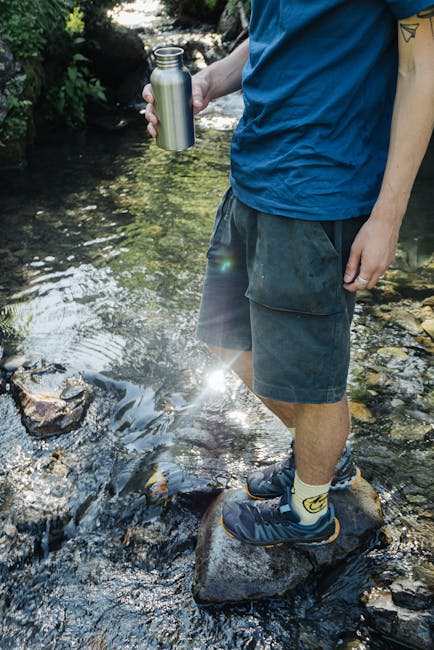
Health and safety: mobile coverage is patchy, especially in mountains and secluded coves. Carry a paper map (IGM 1:25 000) and, if possible, a GPS or personal locator. In case of an accident dial the European emergency number 112. Local pharmacies (e.g. Farmacia Centrale, Via Roma 12, 07041 Alghero, hours 08:30–13:00 / 16:00–20:00) can provide dressings, painkillers and blister treatments. Travel insurance covering search and rescue is strongly recommended for isolated itineraries (annual cost varies by coverage).
Timing and seasons: in high season (July–August) expect high temperatures and crowded beaches; start early to avoid the heat and book accommodation well in advance. In low season (November–March) some lodgings and services close; check opening hours carefully. Typical office hours: local tourist offices often open 09:00–13:00 and 15:30–18:30 on weekdays; caves and tourist attractions (Grotta di Nettuno) run 09:00–18:00 in season, reduced hours off-season.
Accommodation, resupply and local experiences not to miss
Thru-hiking in Sardinia is enriched by human stops: agriturismi, B&Bs, simple refuges and small charming hotels make great resting points. Here are concrete addresses and experiences to enhance your route:
- Agriturismo Su Gologone — Località Su Gologone, 08020 Oliena (NU). Exact address: SU Gologone Resort, Via Su Gologone, 08020 Oliena. Reception hours: 08:00–22:00. Indicative price double room €90–180 depending on season. Experience: traditional Sardinian meals, breakfast with local specialties, ability to organize transfers and guides. Reservation recommended +39 0784 942001.
- Rifugio Bruncu Spina / Foresta di Montarbu (routes) — Mountain location (coordinates variable). Hours: often open in summer, closed in winter; contact Fonni municipality or the Gennargentu office. Refuge price: €15–35 per night depending on comfort. Catering service limited, often by prior arrangement.
- Hotel Catalunya Alghero — Via Sassari 179, 07041 Alghero (SS). Reception 24/7, double room €80–160. Ideal for a stop before or after a coastal hike, close to the port and old town.
- Key resupply points:
- Grocery « Alimentari Piras » — Via Nazionale 12, 08022 Cala Gonone (NU). Hours 08:00–13:00 / 17:00–20:00 (closed mid-afternoon).
- Coop Supermarket Alghero — Via Garibaldi 34, 07041 Alghero. Hours 08:00–20:00, closed Sunday morning depending on season.
Local experiences not to miss: tasting pecorino sardo (sheep’s cheese), visiting a winery to discover Cannonau (local red wine) and wandering a local market (e.g. Mercato Civico di Nuoro, Piazza Vittorio Emanuele). Try Sardinian specialties like pane carasau, malloreddus (small pasta) and porceddu (roast suckling pig) at an agriturismo; food budget: agriturismo meals €18–35 per person, tourist restaurants €20–45 per person depending on the menu.
Final tips to make the most of it
Adopt a slow, contemplative pace: Sardinia is best savored slowly, between swim breaks, photographing coves and meeting shepherds. Respect signage, download offline maps (Komoot, Maps.me) and always tell someone your planned route. Finally, remember the weather can turn a coastal path into a technical route — in strong wind or rain prioritize safety and adapt your plans.
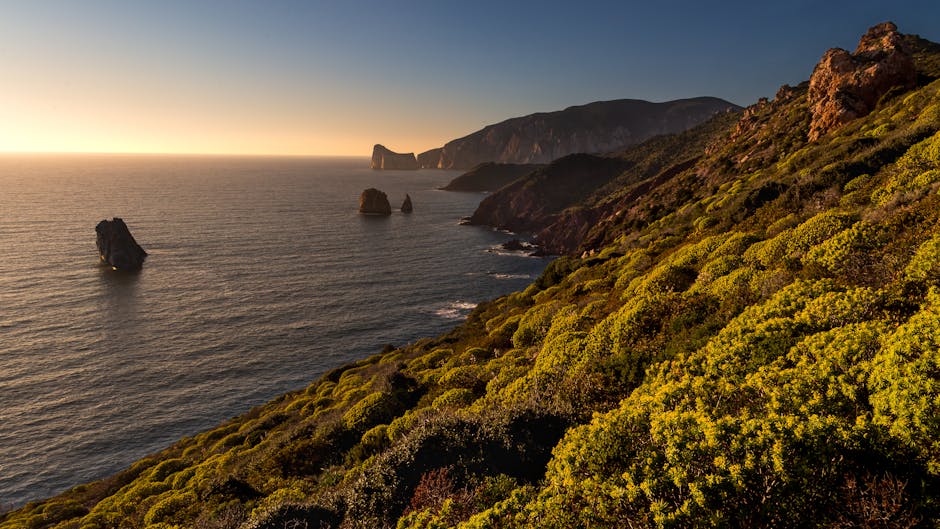
Conclusion: between sea and summits, Sardinia step by step
Thru-hiking in Sardinia is a full-bodied experience that combines raw nature, unique heritage and warm human encounters. From the salty calm of the Gulf of Orosei’s coves to the wind-sculpted summits of the Gennargentu, each stage reveals another side of the island: intimate beaches, carved cliffs, pastoral plateaus and villages where time seems to move with the seasons. Well prepared, this adventure gives you a rare freedom — to walk trails that connect coast and mountain, to sleep under the stars or warm up in a farmhouse inn, to taste local cheeses and wines while waking up to unforgettable views.
To succeed on your thru-hike, base your choices on solid preparation: detailed maps, suitable gear, precise information from the mentioned tourist offices (Ufficio Turistico di Dorgali, Visitor Centre Parco Nazionale del Gennargentu) and, if needed, support from a local guide. Respect rules protecting fragile habitats: don’t light fires in dry areas, carry out your waste and avoid disturbing wildlife. In return, Sardinia will reward you with its colors — the deep blue of the sea, the ochre of the rocks, the green of the forests — and with warm human encounters, from shepherds to agriturismo hosts.
Finally, adapt your route to your level and the season: the best coastal hikes are often most enjoyable in spring and autumn, when the heat is bearable and the island has a peaceful mood ideal for walking. The Gennargentu summits demand respect and caution, but reward you with breathtaking panoramas. Whatever format you choose — coastal loop, coastal-and-mountain crossing, or a gentler thru-hike punctuated by agriturismo stays — Sardinia reveals itself step by step, and every trail becomes an invitation to come back.