





Introduction — The coastal drive from Oristano to Bosa: what to expect and why you’ll want to go
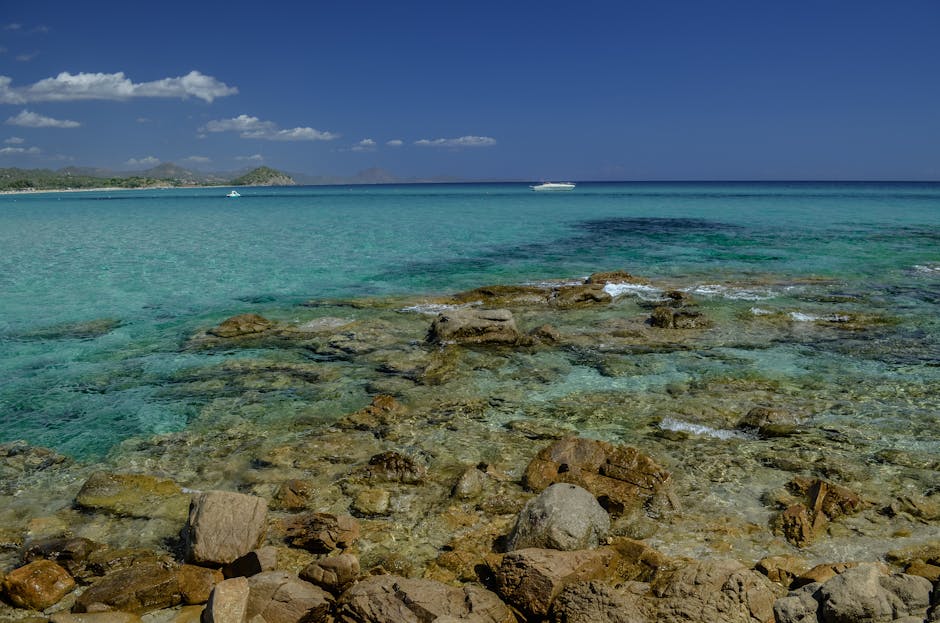
The west coast of Sardinia between Oristano and Bosa is one of the island’s best-kept secrets — rugged, wild and quietly beautiful. This stretch of shoreline strings together pristine beaches, wind-sculpted cliffs, medieval coastal towers and colorful seaside towns. Driving from Oristano to Bosa covers roughly 80 km of changing scenery where turquoise water meets beds of posidonia and groves of strawberry trees. This practical guide walks you through it step by step: exact addresses, typical opening hours, approximate prices, vivid descriptions and local tips so you can make the most of this coastal escape.
Most itineraries start in Oristano, the provincial capital that mixes port life with agriculture. From Torre Grande beach (Lungomare Federico II di Svevia, 09170 Oristano OT, Italy) to Bosa marina (Lungomare Colombo, 08013 Bosa OR, Italy), the SS292 followed by the SP49 and SP49bis trace a coastal ribbon of sandy beaches, wild bays and drive- or walkable headlands. The Mediterranean climate brings hot, dry summers, but the best times to travel are May–June and September–October: pleasant temperatures, softer light and fewer crowds on the sand.
This guide includes practical info: parking (approximate prices in euros), usual opening hours for sites and services, and local tips — for example where to top up a cold bottle of water before a coastal walk or which coves are best for sunset. Prices shown reflect the 2023–2024 season and may shift slightly in high season, on holidays or by local decision. Double-check last-minute updates (seasonal closures, environmental restrictions) on the official websites of the municipalities of Oristano, Cabras, Tresnuraghes and Bosa.
Along the way you’ll visit famous spots and lesser-known gems: the Sinis peninsula, Is Arutas with its quartz sand, the spectacular natural arch at S’Archittu, the Putzu Idu cove and the long sweep of Scivu beach. You’ll also explore Bosa’s compact urban fabric along the Temo river and the Malaspina castle overlooking the old town. Each stop offers a different experience: swimming, snorkeling, photography, coastal walking and food breaks centered on bottarga, porceddu or a seafood platter paired with a Vermentino di Sardegna.
1) Oristano and the Sinis Peninsula: entry points and quartz beaches (about 250–300 words)
Your trip ideally starts in Oristano. Practical address: Comune di Oristano, Piazza Eleonora d’Arborea 1, 09170 Oristano OT, Italy. For a quick beach start head to Torre Grande (Lungomare Federico II di Svevia, 09170 Oristano OT): there’s a large public parking strip along the seafront (paid parking in season, roughly €1.50–2.50/hour depending on the zone) and a lifeguard post in high season (usually around 09:30–18:00 in July–August). Torre Grande offers a wide sweep of golden sand, low dunes and views of the Spanish tower that gives the place its name.
To the west, the Sinis peninsula (Penisola del Sinis, 09072 Cabras OR, Italy) is important both for nature and archaeology. Is Arutas (Località Is Arutas, 09072 Cabras OR) is famous for its tiny white and pink quartz pebbles — the beach stretches out with nearby parking (municipal parking fee around €2–4/day in summer). Access to the area is open 24/7 but services (toilets, kiosks) typically operate 09:00–19:00 in season. The water’s color is hypnotic and walking on the pebbles produces that distinctive crunch; bring sturdy shoes for the rocky paths that lead to neighboring coves.
Local tip: visit the nuragic tower and archaeological site of Tharros (Zona Archeologica Tharros, Località Capo San Marco, 09072 Cabras OR), usually open 09:00–19:00 in summer with an entry fee around €4–6. Pack water and a hat — shady spots are scarce. In the late afternoon the light over the posidonia beds creates dramatic contrasts that are perfect for photography.
2) From Putzu Idu to S’Archittu: cliffs, arches and hidden coves
Continuing north you’ll find a more jagged coastline. Putzu Idu (Località Putzu Idu, 09096 San Vero Milis OR, Italy) is a cluster of small beaches and rocky coves with clear water. Main access is via the SP49: there are several private parking areas and a public lot (about €2–5/day in summer). The coast offers excellent snorkeling spots — posidonia meadows and schools of sea bream in sheltered bays. From April to October seasonal kiosks rent paddles and run boat trips (rough prices €20–40 for 30–60 minutes depending on the season).
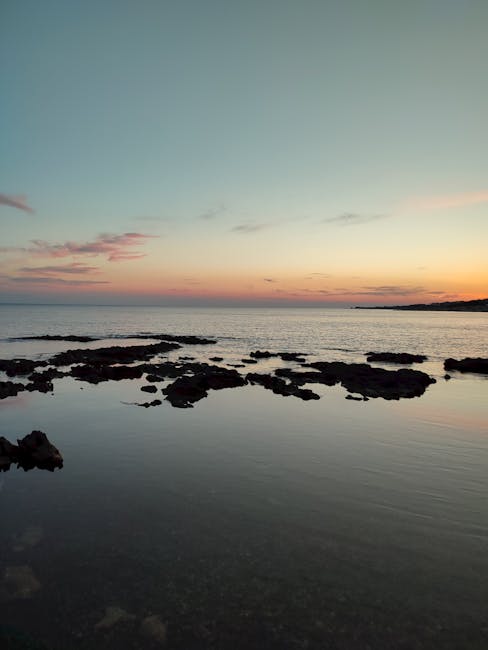
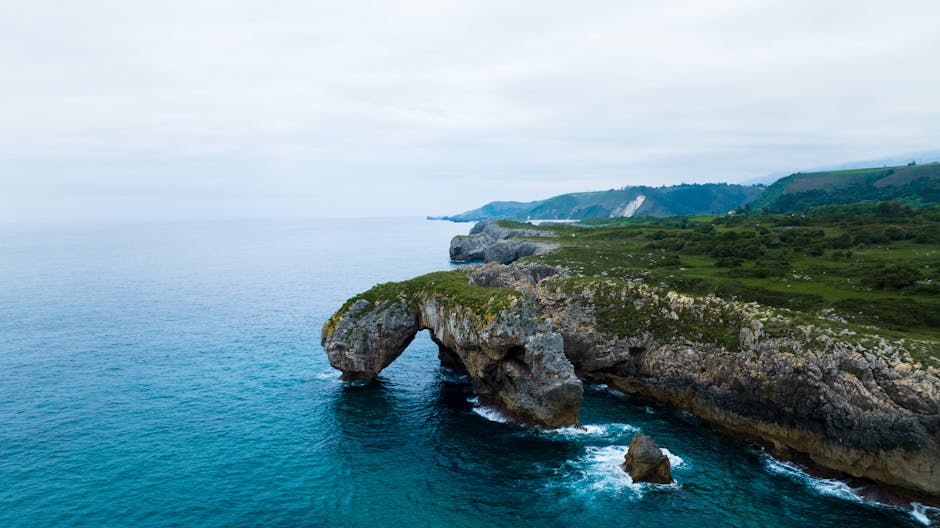
S’Archittu (Piazza della Torre, 09098 S’Archittu OR, Italy) is an iconic stop: a natural arch carved by the sea, visible from the clifftop and reachable by a carved stairway. The small village has limited free parking and a handful of cafés. It’s best photographed at sunset when golden light washes the limestone. Be cautious: swimming directly under the arch is not recommended in rough seas. The site is freely accessible 24/7 and local services (bars, restaurants) generally open from about 08:00–23:00 in high season.
Practical advice: wear closed shoes for trails, bring a headlamp if you’re curious to explore small caves, and strictly respect environmental protection signs. If you’re traveling with kids, note the location of lifeguard posts in advance and avoid peak heat for hikes.
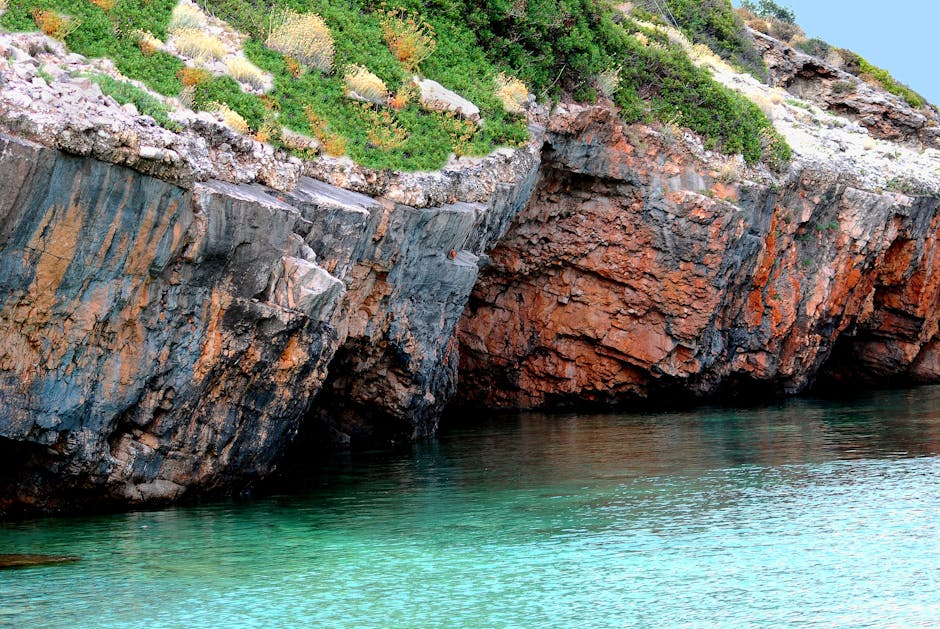
3) Big wild beaches: Scivu, Capo Mannu and stretches that feel almost deserted
Further northwest the coast grows more austere and wild. Spiaggia di Scivu (Località Scivu, 09077 Arbus OR, Italy) is a long, wide, minimally developed beach known for golden dunes and limestone cliffs dropping into the sea. Access is via a secondary road (GPS: Località Scivu, 09077 Arbus OR). There’s unsupervised parking (about €2–5/day in high season) and a 10–20 minute walk from the drop-off points depending where you stop. Shade and services are limited: bring plenty of water (at least 2–3 liters per person for a day), a sun umbrella and sunscreen. Strong winds can make it a top spot for kitesurfing on certain days.
Capo Mannu (Via Capo Mannu, 09078 Putzu Idu OR, Italy) is the go-to place for surfing and dramatic spray-filled vistas. Here the coast rises into cliffs with black rock platforms and powerful waves. Capo Mannu has parking and a seasonal sports center (surf schools offering group lessons roughly €30–45 per 1.5–2 hour session). The lighthouse and cliffs are outstanding viewpoints — aim for early morning or late afternoon for the best light and safer conditions.
For walkers, the continuous coastline offers unmarked coastal trails between coves — a photographer’s dream for finding exclusive angles. Respect zoning restrictions: seabird breeding areas and protected posidonia meadows sometimes mean beaches are off-limits. When in doubt, check local signage or ask the regional forest and environmental wardens (Corpo Forestale e di Vigilanza Ambientale della Sardegna) who are sometimes present at main parking areas.
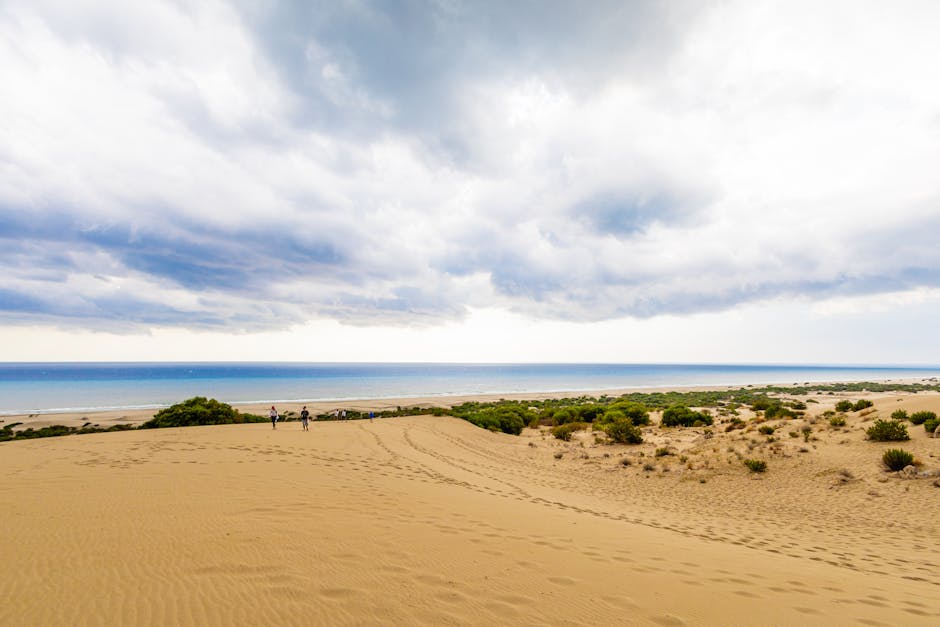
4) Bosa and Bosa Marina: color, heritage and relaxation after the road
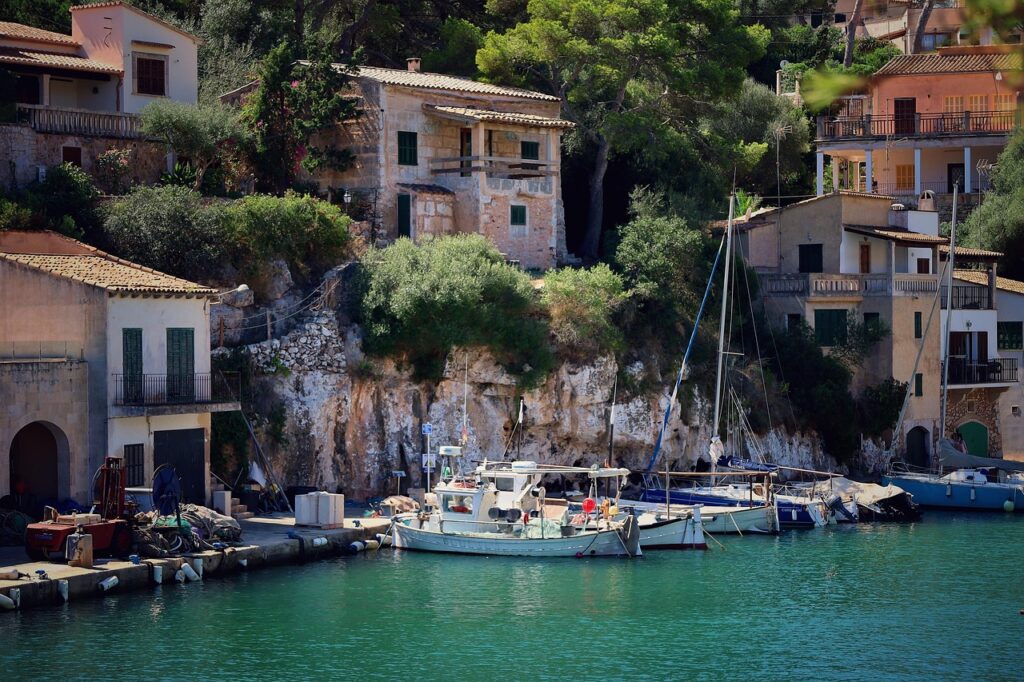
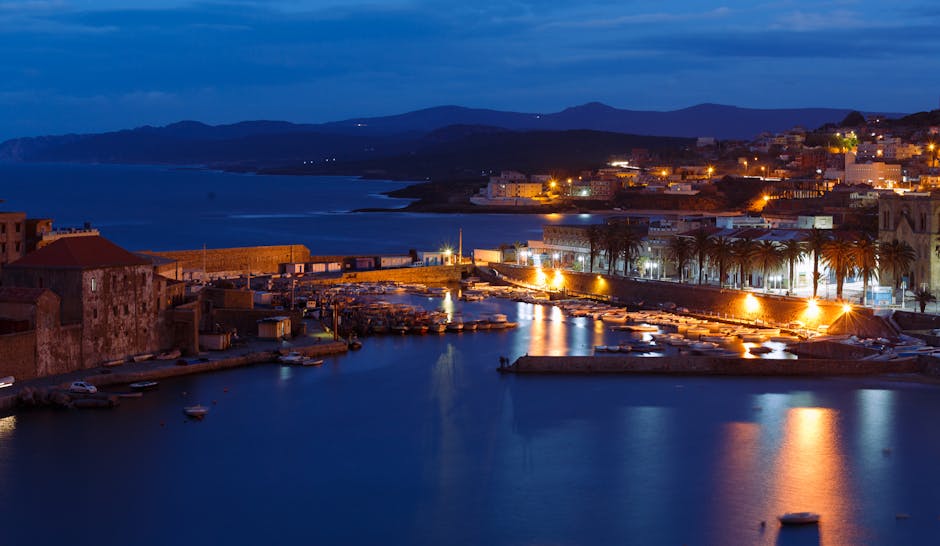
The route ends in Bosa, a charming town built along the banks of the Temo river. Start at Bosa Marina (Lungomare Colombo, 08013 Bosa OR) for a seaside break: long sandy beach, seafood restaurants and parking (paid blue zones about €1–2/hour in summer). Then head into the old town: Corso Vittorio Emanuele (Centro Storico, 08013 Bosa OR) is the main artery lined with colorful houses and small artisan workshops. Don’t miss Castello dei Malaspina (Castello dei Malaspina, Piazza Serrenti, 08013 Bosa OR, Italy) which overlooks the town. Indicative opening hours: April–October 09:30–19:30, entrance around €4–6 (reduced rates for students and seniors).
Stroll along the Temo river; the bridges and quays offer ideal viewpoints to capture Bosa’s pastel façades. For food, recommended spots include Ristorante Sa Pischedda (Via Lamarmora 15, 08013 Bosa OR, Italy) for seafood menus with average prices €20–35/person, and Trattoria S’Imbalconu (Piazza San Pietro, 08013 Bosa OR) for traditional Sardinian specialties. Restaurant hours are typically 12:30–14:30 and 19:30–22:30 (some close mid-day off season).
Local tip: climb to the Castello dei Malaspina viewpoint at sunset for panoramic views over the Temo valley and out to sea. If you want to stay longer, check Bosa’s guesthouses and small riverfront hotels (double rooms approx. €60–120/night depending on season). For an authentic souvenir, look for local crafts: ceramics and products made from Mediterranean myrtle are among the specialties.
Conclusion — Final tips and a recommended itinerary
The Oristano–Bosa coastal drive is an invitation to slow down and take it all in: quartz beaches, carved cliffs, secluded coves and historic villages unfold at a relaxed pace. For a satisfying route allow at least two days: one day for Oristano, the Sinis peninsula and Is Arutas, and a second for Putzu Idu, S’Archittu, Scivu and Bosa. With three days you can add Capo Mannu and boat trips from Cabras or Bosa Marina.
Practical precautions: check the condition of secondary roads (some sections are narrow and winding), respect parking rules, and always carry water, sunscreen and a basic first-aid kit for coastal walks. The prices listed here (parking €1.50–5/hour or per day depending on site; archaeological entries €4–6; equipment rental €20–45) reflect recent observations but may change. For administrative services and more information: Comune di Oristano (Piazza Eleonora d’Arborea 1, 09170 Oristano OT), Comune di Cabras (Via Roma 52, 09072 Cabras OR), Comune di Bosa (Piazza del Popolo 1, 08013 Bosa OR).
Finally, travel responsibly: take your rubbish with you, avoid lighting fires on the shore and respect local flora and fauna. Western Sardinia is fragile and stunning — protecting it helps ensure these views remain for generations to come. Safe travels, and may Sardinian light make every photo and encounter even more memorable!