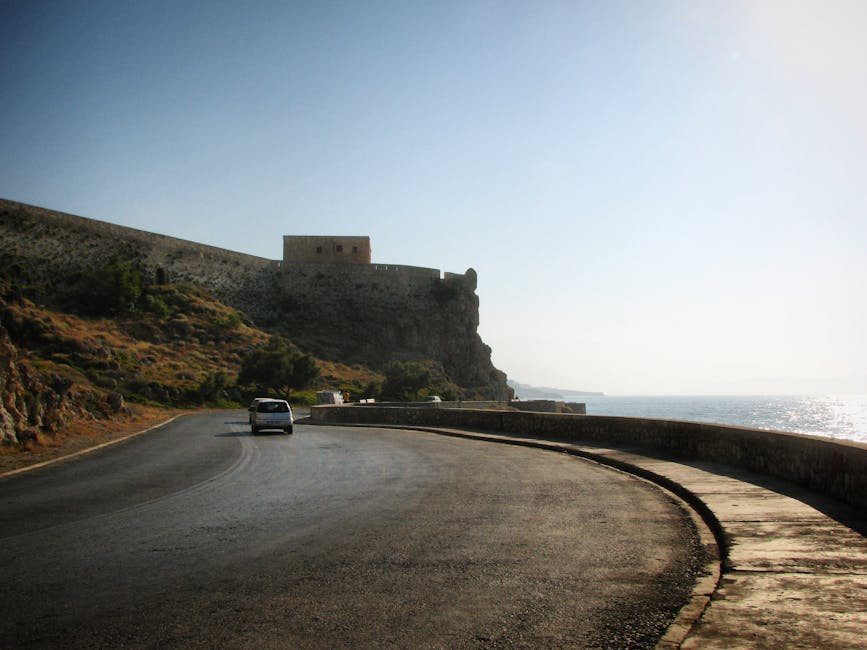






Introduction: Heading South — The Wild Charm of the Costa del Sud by Car
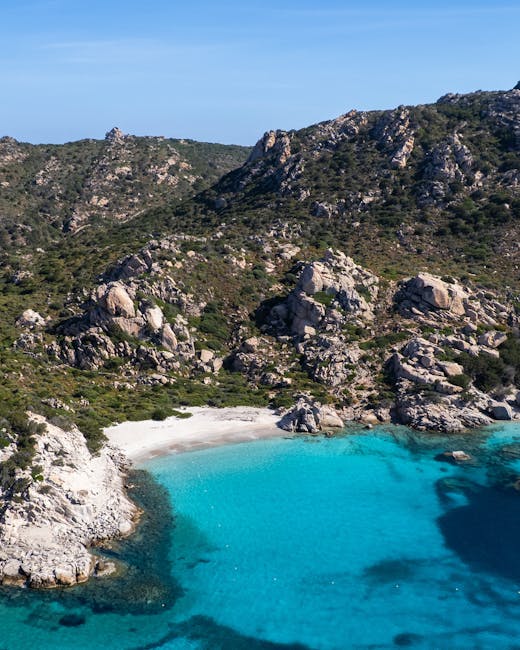
Driving down to southern Sardinia is stepping into a story of contrasting landscapes: sculpted cliffs, white-sand beaches, salty lagoons and villages with timeworn alleys. The Costa del Sud, roughly stretching from Cagliari to Sant’Antioco and Carbonia, offers one of the Mediterranean’s most dramatic coastal routes for a road trip. Here, the kilometers are measured not only by distance but by views — turns that reveal hidden coves, open panoramas to the horizon and lively little harbors where the sea scent fills the air. This guide is built for the curious traveler: precise addresses, indicative prices, opening hours and practical tips so each stop becomes a memorable experience.
Starting in Cagliari, the regional capital, lets you roll straight into a string of highlights: the archaeological site of Nora, Chia’s golden dunes, the Capo Spartivento headland, and the islands and peninsulas of the Sulcis-Iglesiente. The main axis follows state roads SP71, SP17 and SP71bis, interspersed with smaller coastal lanes. Driving is accessible to most, but requires caution: some secondary roads are narrow or winding and parking near coves can be limited in high season. Renting a compact car or a small SUV is often the best option to move around easily and park without hassle.
In the pages that follow I describe the unmissable stops with practical info — full addresses, hours, prices and visiting tips. You’ll also find local recommendations for traditional restaurants, the best beaches for swimming, coastal hiking trails and the prime times for landscape photography. To capture the Costa del Sud’s magic, favor calm mornings and golden late afternoons: low-angle light, crystalline seas and an atmosphere that feels suspended in time. Whether you love ancient history, scuba diving, Sardinian gastronomy or simply driving for the sake of escape, this route packs the highlights of southern Sardinia to be driven slowly and with curiosity.
Before you set off, a few precautions: check opening times (many sites close early outside peak season), carry water and keep a full tank—gas stations are scarcer in some stretches—and book your accommodation in summer. Above all, respect the fragile coastal environment: take your trash with you and use official parking to protect beach access. Follow this guide through carefully chosen stages, with addresses and practical details to make the most of the Costa del Sud by car.
Nora and Pula: Ancient Ruins and Colorful Beaches
The first must-see on the way from Cagliari is the archaeological site of Nora, an exceptional record of Phoenician-Punic and Roman civilizations on the southern coast. Address: Località Nora, 09010 Pula CA, Italy. Opening hours (high season, check off-season): 09:00–19:00 in summer, 09:00–17:00 off-season. Admission: around €8 for adults, reductions for children and groups (indicative rates, verify locally). The site features walks over Roman mosaics, a seaside theater and urban remains smoothed by centuries. Information panels in Italian and English help follow the site’s evolution since antiquity. Allow 1.5–2 hours for a full visit, taking time to enjoy the bay views.
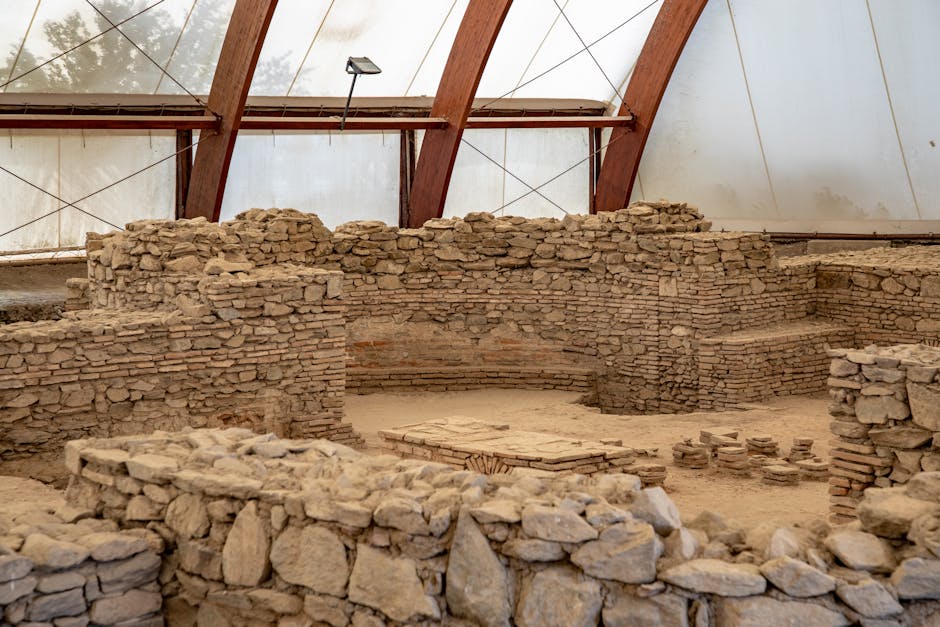
A few kilometers away, the town of Pula (Piazza del Popolo, 09010 Pula CA) offers restaurants, shops and beaches: Spiaggia di Nora (Località Santa Margherita, 09010 Pula CA) is an accessible beach with paid parking in summer (about €2–5 per day depending on the season). For authentic Sardinian cooking, try Trattoria da Gianni (Via Nazionale, 3, 09010 Pula CA) — main dishes typically €10–20; check opening times (often 12:00–15:00 and 19:00–23:00).
Practical tips: arrive early at Nora to avoid crowds and the heat, wear closed shoes for walking over ruins, and bring water and a hat — there’s little shade on the archaeological route. If you travel in July–August, consider booking restaurants in Pula in advance.
Chia and Capo Spartivento: Dunes, Turquoise Waters and a Dramatic Lighthouse
The Chia area is famous for its sweeping beaches and beautifully preserved dunes. The best-known beach is Su Giudeu (Località Chia, 09010 Domus de Maria CA). Main parking address: Località Su Giudeu, 09010 Domus de Maria CA. Access is free but parking may be paid or limited in high season (about €3–10 depending on operators and timing). With clear blue sea and golden sandbanks, swimming is generally safe and lifeguarded in summer (typically 09:00–18:00 at peak season).
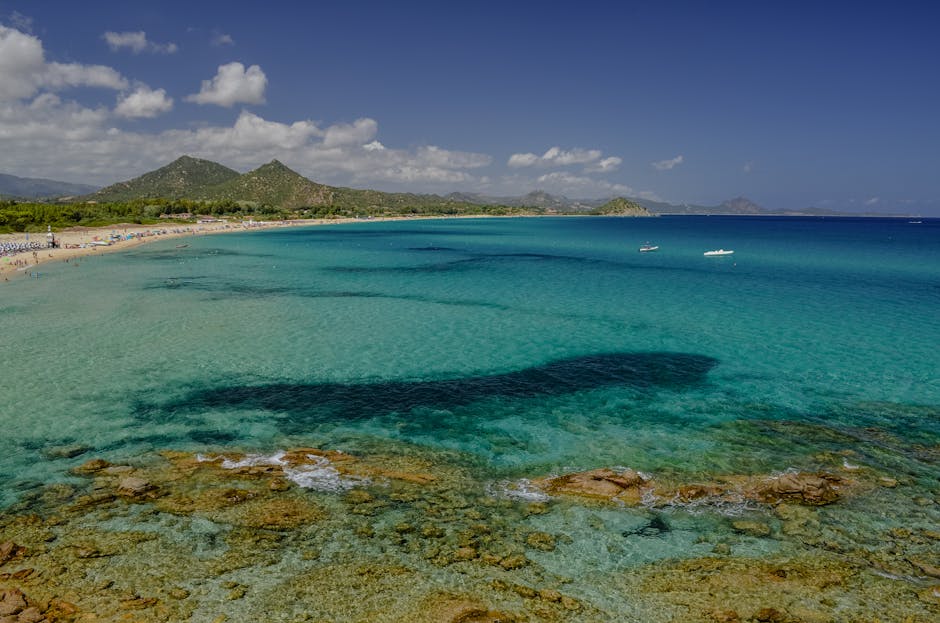
Further south, the Capo Spartivento headland and its lighthouse offer a breathtaking panorama. Lighthouse address: Faro di Capo Spartivento, Località Capo Spartivento, 09010 Domus de Maria CA. The lighthouse isn’t always open to the public, but the coastal road and viewpoints deliver spectacular scenery. The drive is via SP71b from Chia, then smaller side tracks. Sunsets here are legendary — arrive 45 minutes before dusk to secure a great vantage point.
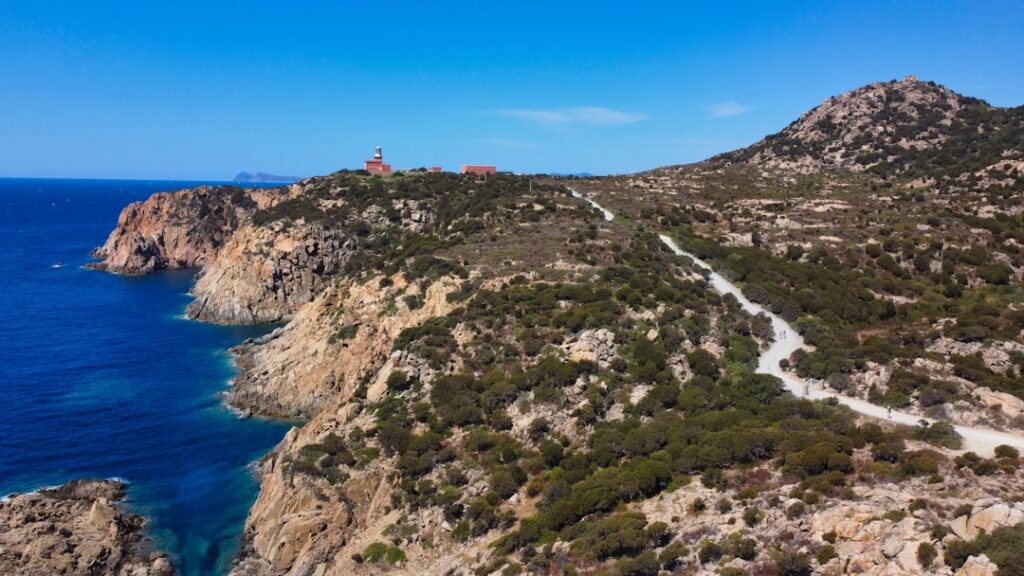
Practical tips: Chia is very busy in summer; favor morning hours for the beach and prebook parking if you can. For Capo Spartivento, bring a small torch if you plan to stay after dusk, as public lighting is limited. Stick to marked trails to avoid damaging the protected vegetation around dunes and cliffs.
Villasimius and the Eastern Coast: Chic Marinas and Hidden Coves
Heading slightly east from the southwest, the resort town of Villasimius provides a pleasant contrast: postcard beaches, lively marinas and a wider hotel offering. Marina address: Porto Turistico di Villasimius, Via Porto Turistico, 09049 Villasimius CA, Italy. Hours: port shops typically open 09:00–22:00 in high season. Boat trips to the Capo Carbonara marine reserve depart from the port with prices varying by trip (roughly €30–60 per person for a half-day tour).
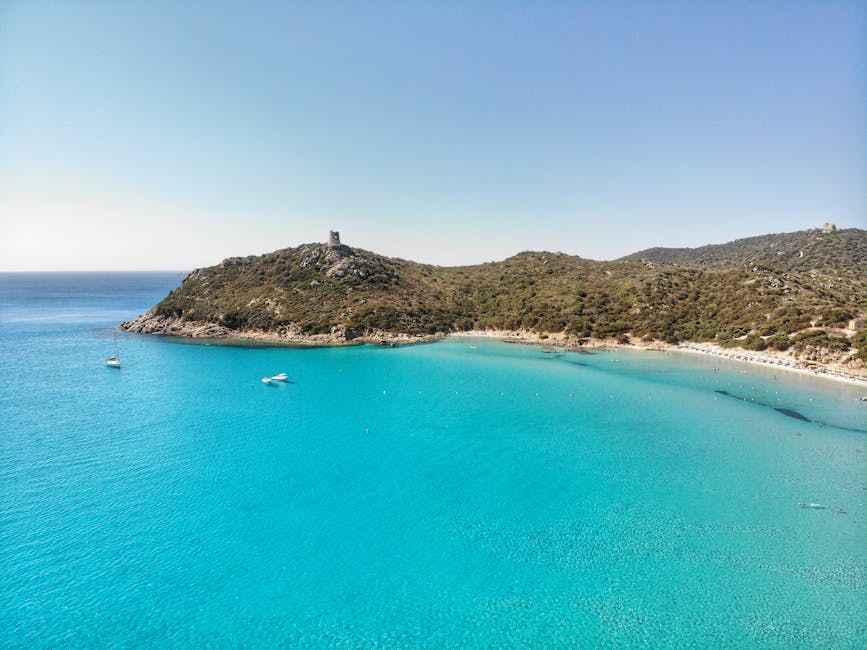
Recommended beaches: Spiaggia del Riso (Via del Faro, 09049 Villasimius CA) is accessible and highly photogenic, while Punta Molentis (Località Punta Molentis, 09049 Villasimius CA) features a small cove with clear waters, perfect for snorkeling. The Capo Carbonara marine park (protected area) preserves local biodiversity; some zones require permits for scuba diving, arranged through local centers (diving prices roughly €40–80 depending on the package).
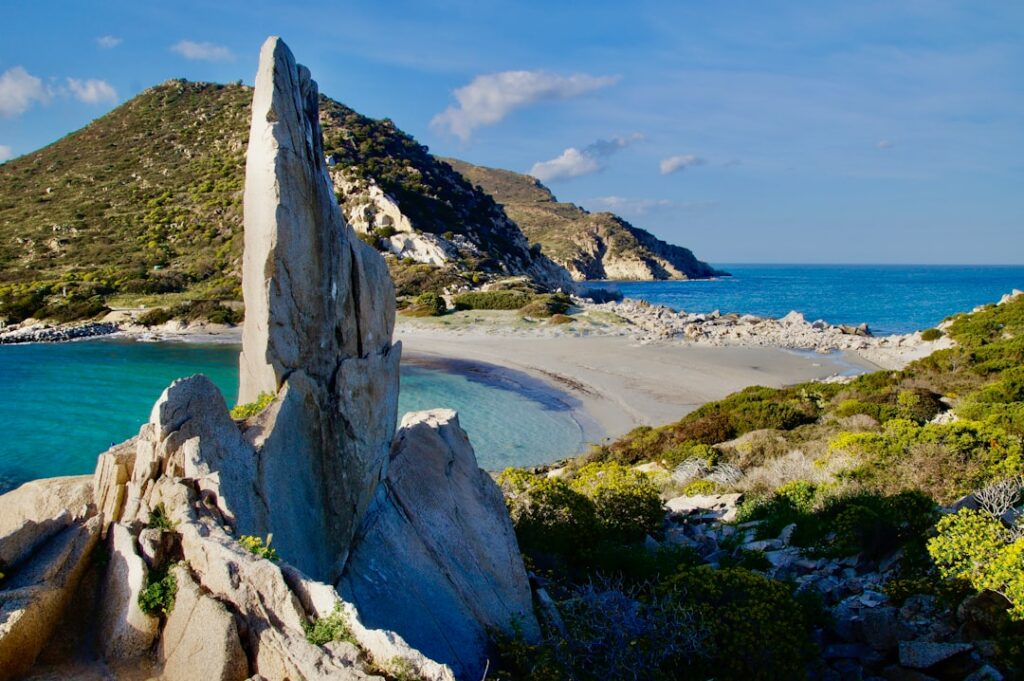
Practical tips: carry cash for small businesses and parking, as some beach operators don’t always accept cards. Book boat trips in advance during high season, especially outings to Serpentara islet and the Capo Carbonara lighthouse. For diving, check certifications and choose official dive centers registered with the relevant Italian federation.
Sant’Antioco and Carbonia: Historic Islands and the Mines of Sulcis
The Sant’Antioco peninsula and island, reached via SP2 from Calasetta, are places where history and the sea meet. Basilica address: Basilica di Sant’Antioco Martire, Piazza Basilisco, 1, 09017 Sant’Antioco SU, Italy. Hours: the basilica is usually open 08:00–12:00 and 16:00–19:00, though times vary with religious services. Sant’Antioco features picturesque harbors, Punic necropolises and local craft workshops (coral jewelry and ceramics).
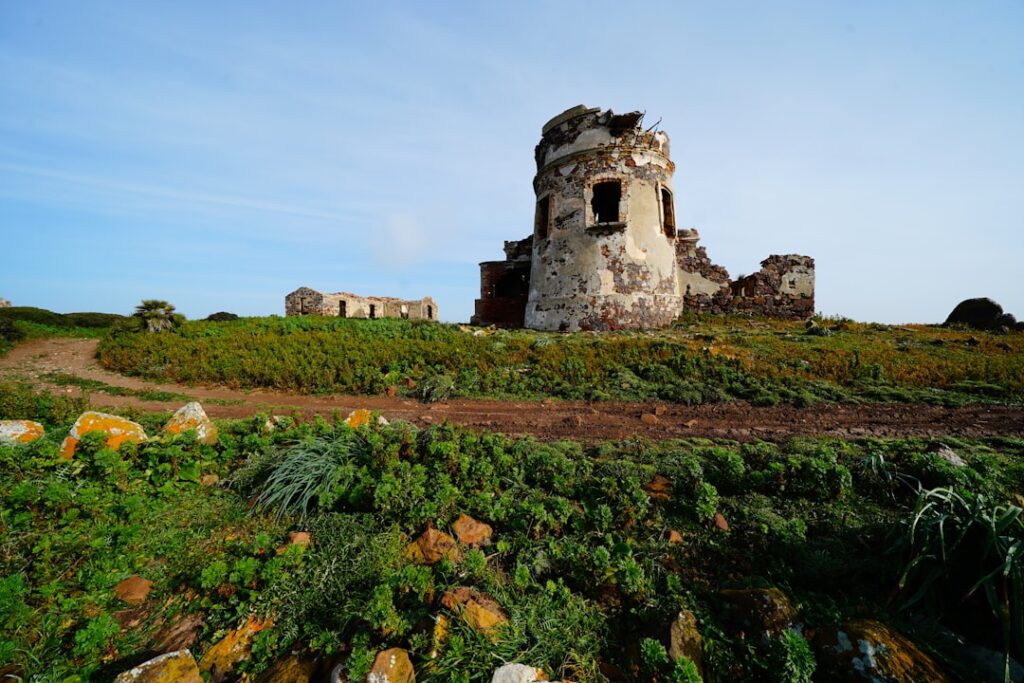
Carbonia, the historical center of Sulcis mining, offers museums and mine site visits. Museum address: Museo del Carbone (Coal Museum), Via Cagliari, 1, 09013 Carbonia SU, Italy. Indicative hours: 09:00–13:00 and 15:00–19:00, entrance about €5–7. Former mining complexes (miniera) can be visited with guides to learn about miners’ lives and the region’s industrial past. A guided tour into an exposed mine is immersive and offers a unique insight into Sardinia’s industrial heritage.
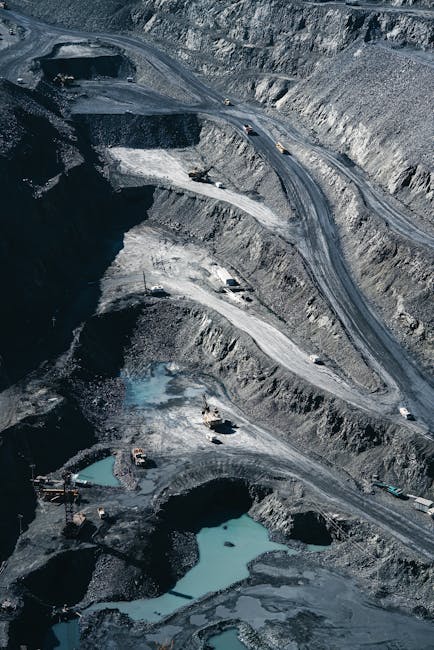
Practical tips: combine Sant’Antioco with a seafood lunch in the harbor (around €15–30 for a main dish at a local trattoria). For Carbonia, check guided-tour schedules in advance and wear appropriate clothing (closed shoes recommended for mine visits). If you buy local crafts, favor official workshops to support the local economy and ensure authenticity.
Practical Tips and a Sample One-Week Itinerary
Suggested 7-day driving itinerary: Day 1: Cagliari (Castello, Bastione di Saint Remy, Roman amphitheatre); Day 2: Pula and Nora; Day 3: Chia and Capo Spartivento; Day 4: Villasimius and Capo Carbonara; Day 5: drive to Sant’Antioco; Day 6: Carbonia and mining sites; Day 7: return to Cagliari exploring intermediate coves. Car rentals: international firms (Avis, Hertz, Europcar) and local companies (Sardinia Rent, Locauto) offer daily rates that vary; expect about €30–70 per day depending on season, model and insurance.
Detailed practical tips: be aware of Cagliari’s ZTL (limited traffic zones) to avoid fines. Carry a paper map or an offline app (maps.me or Google Maps offline); coverage can be patchy along some coastal stretches. Prefer full insurance if you’ll be driving on small secondary roads. Don’t forget a plug adapter for Italian sockets (type L) if you’re traveling from abroad.
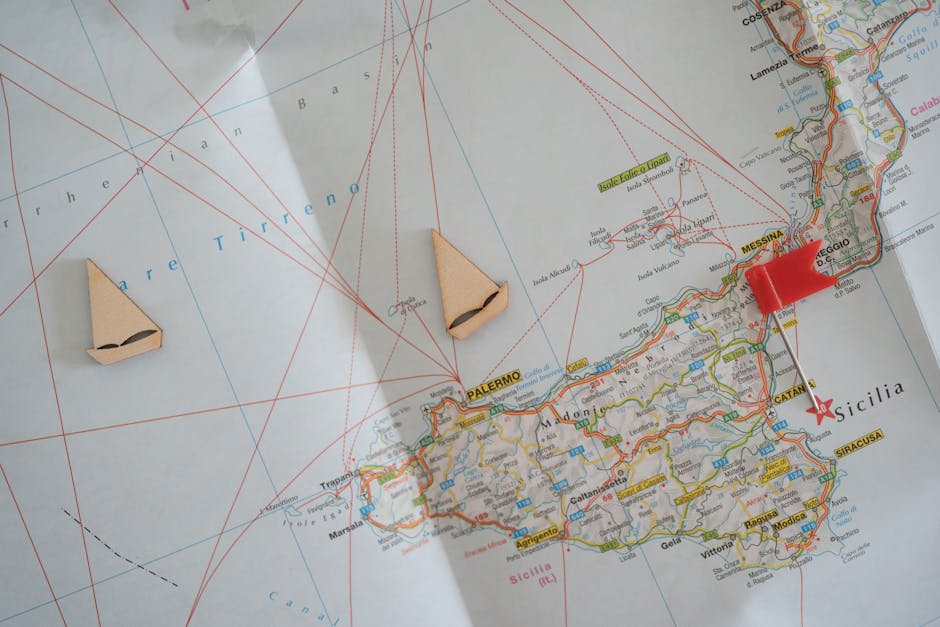
Indicative budget: accommodation (double room) €50–150 per night depending on standards; meals €15–40 per person for a meal at a trattoria; fuel: plan regular refills in season, expect €1.70–2.00/L depending on fluctuations. In low season you’ll find better deals and fewer crowds, but some services may be reduced (fewer ferries, shorter museum hours).
Conclusion: Why the Costa del Sud Is Worth the Detour
The Costa del Sud of Sardinia blends unspoiled nature, historical heritage and marine experiences — all along a road that’s perfect for discovery by car. From Nora’s mosaics to the dramatic promontory of Capo Spartivento, through Chia’s coves and Villasimius’s protected waters, each stop provides a palette of visual and sensory emotions. Driving here means accepting a slower pace to admire panoramas that only reveal themselves when you look out the car window, park at an improvised spot and walk down to a small beach where the sea feels reserved just for you.
Traveling by car along the Costa del Sud also lets you combine varied experiences: snorkeling in translucent coves, visiting millennia-old archaeological sites, tasting Sardinian specialties (porceddu, culurgiones, bottarga) and meeting local artisans. The practical information given — exact addresses, hours and indicative prices — helps you plan your stops efficiently, but the beauty of the trip also lies in the unexpected: a village discovered by chance, a local market, or a lesser-known beach reached by a dirt track that becomes unforgettable.
Finally, the Costa del Sud is an invitation to respect a fragile territory: dunes to protect, marine areas to preserve and villages whose authenticity deserves protection. By following a few simple rules (don’t leave litter, park in authorized areas, obey signs) you help conserve the landscapes that make Sardinia unique. Whether you’re preparing a short stay or a longer crossing, let the road set the pace, stop often and take time to look — often it’s between two bends that the best memories hide.