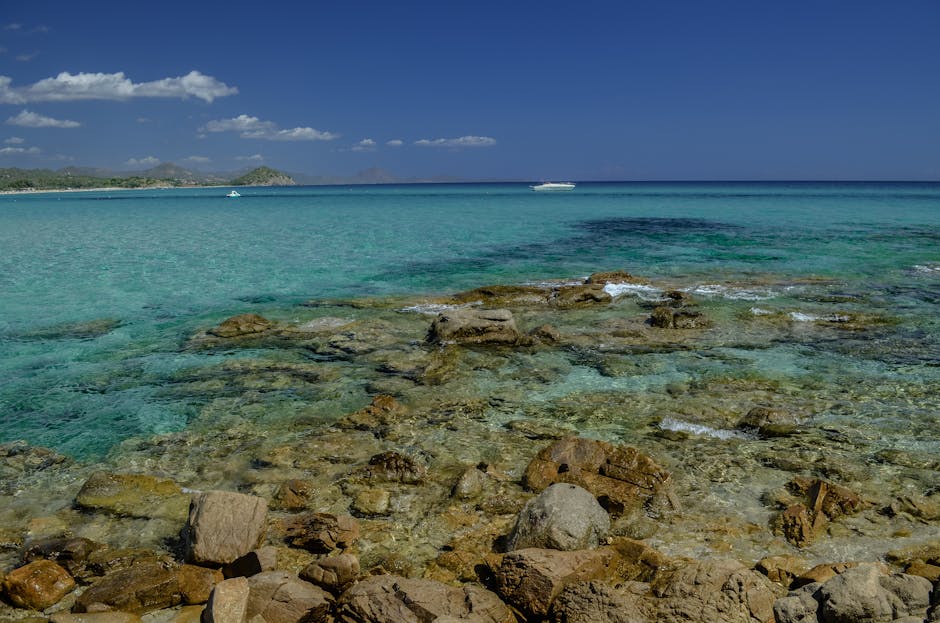






Introduction — Mini explorers in Sardinia: nature at kid height
Sardinia is an island that invites adventure at any age. For families traveling with little curious ones, it’s an ideal natural playground: crystal-clear beaches, hills covered in fragrant maquis, ancient woodlands and dramatic gorges. “Mini Explorers: 5 Family-Friendly Nature Stops in Sardinia” maps out an itinerary designed to spark wonder while keeping things safe and manageable. The goal isn’t performance but discovery: short walks, shallow water for splashing, spots where kids can watch animals and plants, picnic areas with shade, and hands-on activities suited to young learners.
When you travel with children, choosing the right places and pacing makes all the difference. In Sardinia, many trails are well marked and maintained, and local teams often offer family-friendly support — naturalist guides, educational farms and visitor centers geared toward kids. Practically speaking, a successful trip blends a home base (a well-equipped town or village), daily outings of 1–3 hours and regular breaks for play and snacks. We picked five stops that follow these rules: reachable by car, offering short sensory routes, and providing family services (restrooms, water points, shaded areas).
This article gives detailed practical information: exact addresses for visitor centers or parking, indicative prices (entrance fees, guided-visit costs or shuttle fares) and seasonal opening hours. You’ll also find immersive descriptions — textures, colors, sounds — to help children connect with the landscape, plus local tips to improve the experience (best times to spot birds or avoid crowds, clothing to pack, local foods kids tend to like). Finally, we’ve slipped in small playful missions to give your mini explorers (leaf hunts, tracking animal prints, nature sketching) to make each stop memorable.
Before you go, note that Sardinian weather can change quickly: in summer, favor early-morning or late-afternoon outings to avoid the heat; in spring and autumn, bring layers and a windbreaker. Don’t forget sunscreen, plenty of water, a basic first-aid kit and, for the very young, a hiking carrier rather than a stroller on trails. With these precautions and the recommendations below, your mini explorers will return with eyes full of images and heads full of stories.
1. Giara di Gesturi: basalt plateau and wild horses — a sensory adventure
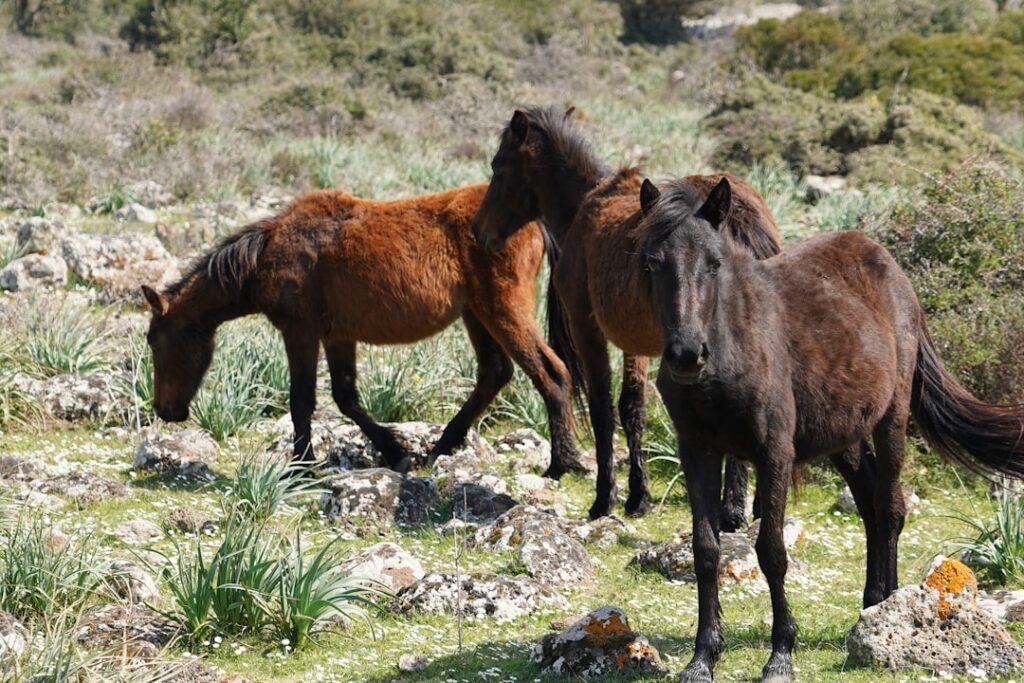
Giara di Gesturi, often called La Giara, is a one-of-a-kind basalt plateau in central-southern Sardinia. It’s a dream site for introducing kids to Mediterranean wildlife and plants. The famous Giara ponies (Cavallini della Giara) live here semi-wild; their sturdy build and curious behaviour usually captivate youngsters. The plateau sits near the village of Gesturi — handy starting point: Centro visite La Giara, Via Roma 2, 09020 Gesturi (SU).
Access and opening hours: the La Giara visitor center is open in the high season (April to October) Tuesday to Sunday, 09:00–18:00. Entry to the park is free, but themed family guided tours are offered from €80 per group (up to 6 people) and last about 2 hours. The main parking lot is at « Sa Oche » (GPS coordinates available at the visitor center). Trails are mostly flat but rocky: closed shoes and a hat are recommended.
Immersive description: walking across the plateau, children will smell the resinous scent of cistus and hear the sharp calls of warblers. Temporary ponds called « paulis » attract amphibians and dragonflies — perfect for magnifier-based observation sessions. The black basalt ground contrasts with juniper clumps and spring wildflowers. The cavallini sometimes approach visitors, curious but cautious — a great moment to teach kids about respecting wild animals (no feeding, keep distance).
Practical tips: pack a backpack with water, snacks, a small blanket to sit on, binoculars and a magnifying glass. Restrooms are at the visitor center. For a successful half-day, combine a short hike (1–3 km) with a nature workshop offered by the center: bird song, footprint ID and making little plant cards. By car, La Giara is about 1h15 from Cagliari (90 km) and roughly 1h10 from Oristano (60 km).
2. Spiaggia di Cala Luna (Dorgali): beach, sea caves and a family-friendly coastal walk
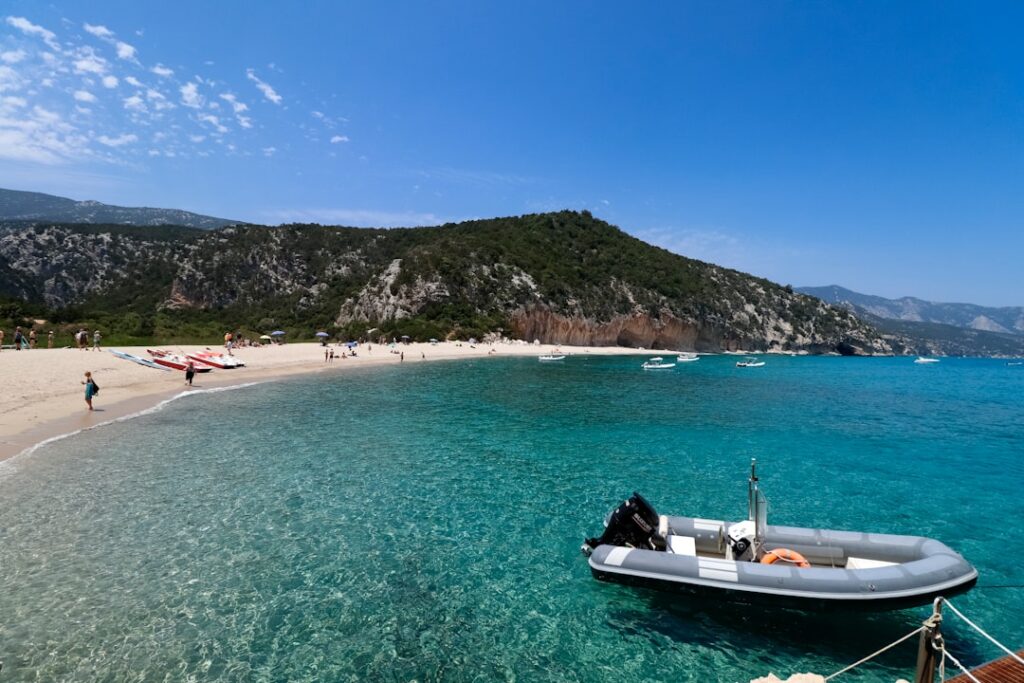
Cala Luna, on the Dorgali coast, is one of Sardinia’s most photogenic beaches: blond sand coves, limestone cliffs peppered with caves and crystal-clear waters perfect for paddling. The main access is from Cala Fuili or by boat from Cala Gonone. For families, the boat trip is the better option: shorter and less tiring for children. Practical meeting point: Port of Cala Gonone (Porto Turistico), Via Cala Gonone 1, 08022 Dorgali (NU). Boat shuttles to Cala Luna are operated by the Marina di Cala Gonone company.
Boat hours and fares: in high season (May–September) departures run frequently from 09:00 to 17:00; round trips from Porto Turistico di Cala Gonone to Cala Luna cost about €10–18 per adult and €5–10 per child depending on the operator and discounts. The boat approach reveals sea caves and cliffs; landings are made directly onto the beach. Walking access from Cala Fuili takes 30–50 minutes on an easy coastal path that can be sun-exposed — avoid the hottest hours.
Immersive description: the beach is dominated by sculpted white cliffs formed by the sea. Kids will love exploring small caves at low tide (watch for unstable areas). The water offers shallow zones perfect for play; bring masks and snorkels to spot small fish and gorgonians. North winds (Tramontana) can make the sea rougher: check local weather.
Local tips: bring a lightweight sun umbrella and water shoes to protect against hot stones. On-site services are limited: pack a picnic, extra water and a trash bag (keeping the area clean is essential). To extend a half-day, consider visiting the Grotta del Bue Marino by boat from Cala Gonone or a short walk to the Cala Luna viewpoint for sunset photos. If you prefer peace and quiet, go early — the beach fills up quickly in July and August.
3. Parco Naturale Regionale di Porto Conte — Capo Caccia and Neptune’s Grotto: marine discovery and cliffs
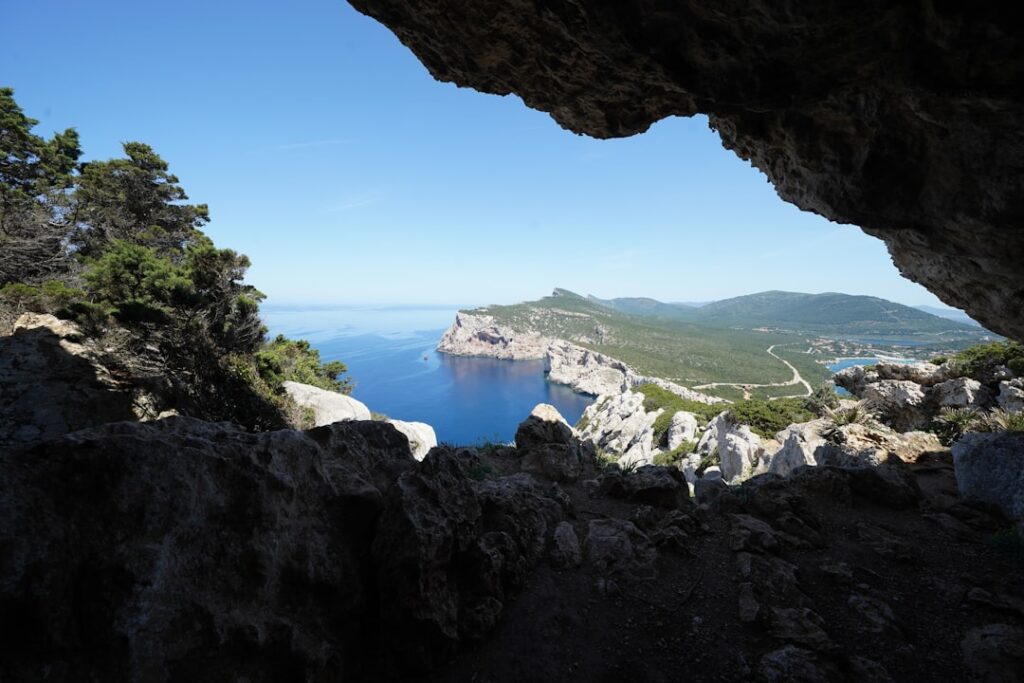
Near Alghero, the Parco Naturale Regionale di Porto Conte covers spectacular coastal scenery: cliffs, bays and karst formations like the famous Grotta di Nettuno (Neptune’s Grotto). It’s an excellent stop to introduce kids to geology and marine biodiversity. Useful address for planning: Centro Visita Porto Conte, Via Lido 1, 07041 Alghero (SS). The Capo Caccia promontory and Neptune’s Grotto offer impressive viewpoints and short, dramatic routes.
Hours and prices: Neptune’s Grotto (reachable by boat from Alghero or via the Escala del Cabirol stairway — 654 steps) is open March to November depending on the season; common hours are 09:00–18:00 in high season. Cave entry is about €15 for adults and €10 for children (rates vary with seasonal management); the boat shuttle from Alghero is roughly €12–20 round trip. The park is free to enter, though some guided activities are paid (family hikes, nature workshops: €6–12 per child).
Immersive description: from the Capo Caccia viewpoints the cliffs plunge into turquoise Mediterranean waters. The buzzing of insects and the flight of falcons create a wild soundtrack. Neptune’s Grotto, with its crystalline stalactites and stalagmites, amazes both kids and adults; guided tours are sometimes adapted for children. The beaches around Porto Conte have shallow waters and protected areas where you can spot starfish and small crustaceans.
Practical tips: avoid the Escala del Cabirol with very young children (the steps are steep and numerous); prefer the boat for a more comfortable approach. Bring a light jacket for the cave (it’s cooler inside). Book boat tickets and cave visits in advance during summer. For a full outing, combine the grotto visit with a stop at Spiaggia di Mugoni (Spiaggia di Mugoni, Via Spiaggia Mugoni, 07041 Alghero) — a well-equipped beach ideal for a family lunch.
4. Gola di Gorropu: a short excursion into Sardinia’s “Grand Canyon” — suitable with precautions
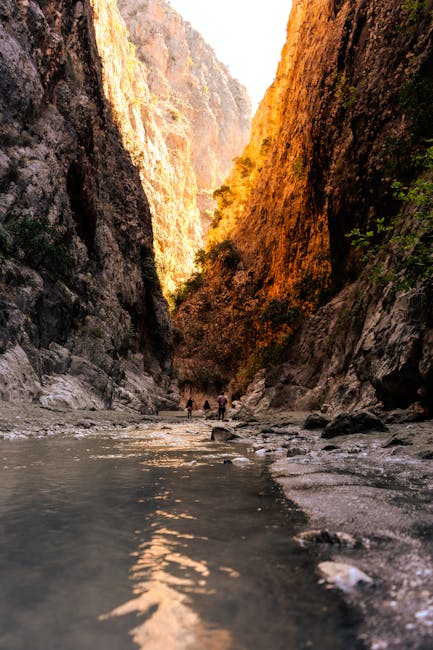
Gola di Gorropu, lying between Orgosolo and Ulassai, is one of Europe’s deepest gorges and a fantastic adventure ground for older children (from about 6–7 years depending on experience). The most convenient entrance starts at the « Su Gologone » parking near Baunei; commonly used starting point: Parking Gorropu, Località Su Donigala, 08040 Baunei (OG). The classic hike to the gorge floor takes 1–2 hours each way depending on the trailhead, over a rocky path.
Hours and fees: access to the gorge is free, but the route is strongly discouraged without proper equipment. Baunei and Orgosolo tourist offices offer local guides — typical family guiding rates: €80–120 for a half-group (up to 6 people), including transport from the village and a picnic break. Guides adapt the pace for children and teach how to read animal tracks or spot edible plants (with caution).
Immersive description: walking between towering walls gives a real sense of adventure. The ground alternates between rock and sand, and the shade of the cliffs provides respite from heat. Kids may spot grasshoppers, lizards and, on the ledges, Sardinian wild goats. The gorge floor narrows and cools, and the silence is profound — perfect for a listening game (guess that sound). The experience is tactile: feeling cool air, touching rough rock and watching light shifts.
Safety and practical advice: don’t attempt the descent without closed hiking shoes, plenty of water, a helmet if recommended by local guides and suitable clothing. Avoid the gorge during storms (risk of flash floods). For families with very young children, opt for a walk along the surrounding ridges or a short guided visit that stops at accessible viewpoints. From Tortolì, plan about a 1h15 drive to the parking area.
5. Nuraghe La Prisgiona and Li Cossi beach (Arzachena/Capo Testa): history and beach for a double discovery
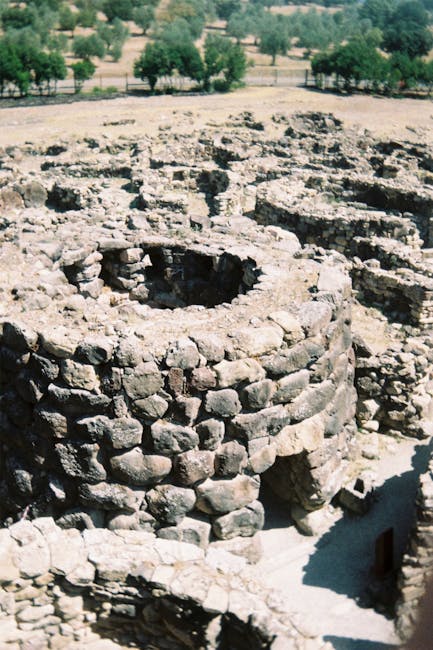
Sardinia blends history and nature: an afternoon can pair a visit to a nuragic site with a dream beach. La Prisgiona is a nuragic complex in the Capo Testa area near Arzachena, followed by a short walk to the small Li Cossi beach — perfect for kids. Archaeological site address: Nuraghe La Prisgiona, Località La Prisgiona, 07021 Arzachena (OT). Li Cossi beach is on the Costa Paradiso, reachable via a small coastal road (suggested parking: Parcheggio Li Cossi, SP90, 07021 Arzachena).
Hours and prices: La Prisgiona is usually open for self-guided visits; the local heritage office sometimes runs family tours at about €6–12 per person (child reductions apply). Li Cossi beach is free; some parking areas may request a small contribution (€2–5). Guided-visit schedules vary by season: April–October, mornings and late afternoons are recommended.
Immersive description: La Prisgiona mixes stone ruins, low walls and circular houses — ideal for spinning tales of small ancient communities to capture kids’ imaginations. The site helps children picture life 3,000 years ago. Then head to Li Cossi: the horseshoe cove framed by pink rocks and a little stream flowing into the sea is perfect for building sandcastles and shell hunting. The water stays shallow for many meters — reassuring for parents.
Practical tips: bring beach toys (bucket, spade), water shoes and sun protection (light umbrella). When visiting the nuraghe, keep children close and discourage climbing on fragile structures. Combine the archaeological visit with beach time for a balanced day (history in the morning, swim in the afternoon). If you’re based in Santa Teresa Gallura or Porto Cervo, this combo fits well into a half-day.
Conclusion — Preparing your mini explorers’ expedition
Planning nature outings in Sardinia for children requires the right balance of discovery, safety and fun. The five stops we suggest — Giara di Gesturi, Cala Luna, Porto Conte and Neptune’s Grotto, Gola di Gorropu and the Nuraghe La Prisgiona & Li Cossi pairing — offer a varied palette: basalt steppe and ponies, beaches and sea caves, cliffs and karst grottos, a spectacular gorge and a mix of history and sea. Together they cover different natural settings, approaches (easy hikes, boat, guided visits) and durations suited to little adventurers.
On the practical side, here’s a quick checklist for each outing: check opening hours and book when needed (especially boats to Cala Luna and Neptune’s Grotto), go out early in summer to avoid heat, bring water and snacks, closed shoes for trails and water shoes for the beach, plus a small first-aid kit. Use local visitor centers (Centro Visita La Giara, Centro Visita Porto Conte) for up-to-date schedules and rates, and consider local guides to turn a simple walk into an educational workshop. Prices mentioned here are indicative and change with the season: expect roughly €5–20 for boat transport, €6–15 for children’s guided activities and €80–120 for a private half-group guide.
Finally, involve children in the preparation: giving each child a small mission (spot five different plants, draw a landscape, count the waves) boosts attention and excitement. Respect nature — pack out your trash, don’t feed wild animals and stick to marked trails. Generous and well-preserved, Sardinia offers mini explorers lasting memories: first encounters with wild nature, the joy of walking, awe in front of ancient caves and swims in clear water. With these stops and tips, your family is ready for safe, memorable and environmentally conscious adventures.