





Introduction: Vermentino vs Cannonau — The Sardinian Grape Duel
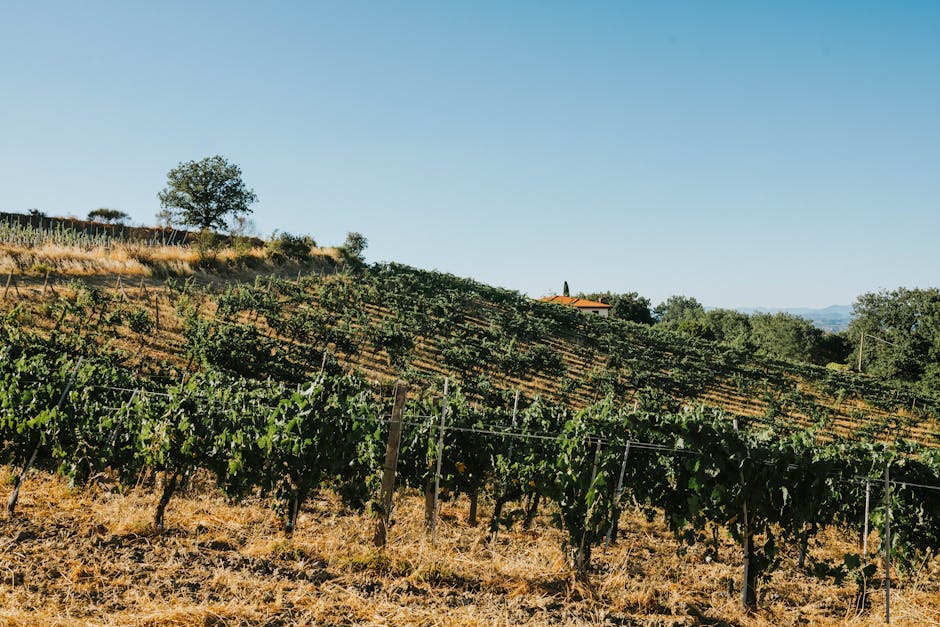
Sardinia is an island of contrasts: turquoise seas, limestone mountains, rugged coastlines and interior plateaus where the slow rhythm of the seasons still feels tangible. Beyond the scenery, what really animates island culture is wine — and especially two emblematic grape varieties that seem to carry the island’s spirit: Vermentino and Cannonau. This oenological duel isn’t a pointless rivalry but an ongoing conversation between terroirs, age-old practices and modernity, between saline whites and Mediterranean reds. Understanding Vermentino and Cannonau is like reading Sardinia through its vineyards, traditions and dining tables.
Vermentino, a fresh aromatic white, was born from maritime influences: it soaks up wind, salt and light, offering citrus, white-flower notes and occasionally a herbaceous bitterness that gives it liveliness. Cannonau, on the other hand, is one of the tougher, proud faces of Sardinian winemaking: deep red, higher alcohol, warm tannins and a palette of spices, ripe red fruit and scrubland scents. Both grapes tell the story of the Mediterranean climate and the island’s varied soils — granite, limestone, alluvium, schist — and reveal traditional farming practices (classic trellising, later harvests, aging in amphorae or barrels) that directly shape the flavor.
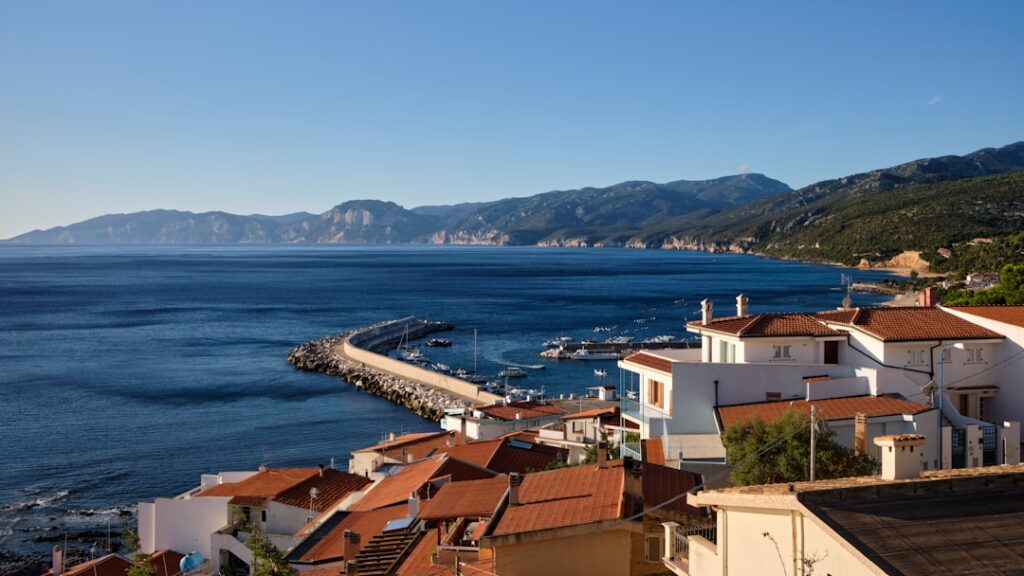
More than just a clash of flavors, this duel is a travel route: it carries visitors from Alghero’s northwest coast to the Barbagia interior, from Gallura’s coastal roads to Sulcis’s rolling hills. Every village, every cantina (cooperative cellar or private estate) offers a different way to vinify and celebrate these grapes. Tasting Vermentino as dusk falls over the sea at Capo Caccia is a different experience to sharing a generous Cannonau after hiking Barumini’s rocky trails. That’s the magic: wine becomes liquid landscape, and the bottle a passport to silent places and stories.
In this article we’ll dive deep into both protagonists: origins, tasting profiles, wineries to visit with addresses and opening hours, tasting prices, local food pairings, recommended routes and practical tips to get the most from these wines in Sardinia. Whether you’re a curious newcomer, a savvy enthusiast or a food-focused traveler, this guide will take you into the heart of the Vermentino vs Cannonau duel, with concrete stops and sensory suggestions to turn every glass into a long-lasting memory.
Vermentino: The Iodine-Kissed Coastal White — Characteristics, Terroirs and Iconic Estates
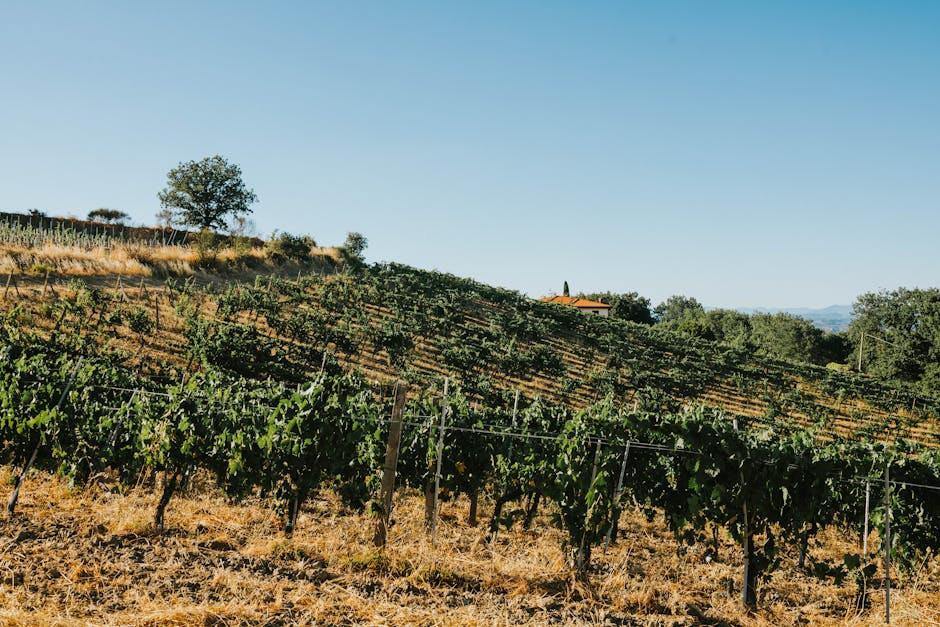
Vermentino (sometimes called Vermentinu in Sardinian) is the most widespread white grape along Sardinia’s coasts, especially in the DOCs Vermentino di Gallura and Vermentino di Sardegna. Likely originating somewhere in the western Mediterranean, it thrives on Gallura’s granite soils and the limestone outcrops near the shore, absorbing the sea breeze that gives it its characteristic salinity and freshness. On the palate you’ll find citrus (lemon, bergamot), white flowers, sometimes peach or pear, with a finishing bitterness that adds length and a lively energy.
Main terroirs for Vermentino include Gallura in the northeast, the hills between Olbia and Tempio Pausania, and some coastal zones near Alghero and the Costa Verde. The DOC Vermentino di Gallura is Sardinia’s only DOCG: it guarantees concentration and finesse, often with moderate alcohol levels (12.5–13.5%). Contemporary techniques (night harvesting to preserve aromatics, gentle pressing, lees aging) coexist with traditional practices — notably manual harvests on steep slopes.
Wineries to visit (addresses, hours, prices):
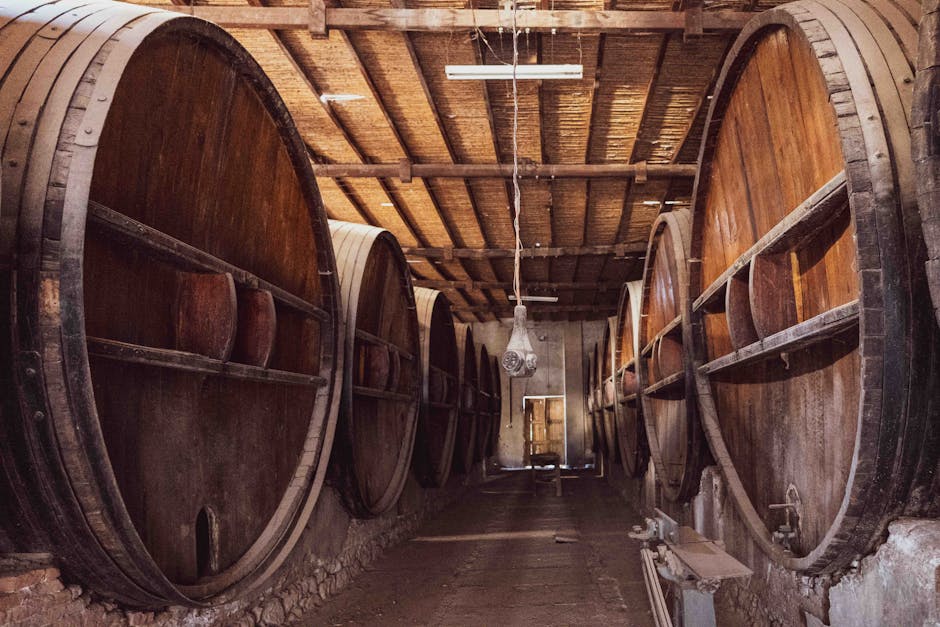
- Sella & Mosca — Via Sella & Mosca, 07041 Alghero SS, Italy. Hours: guided tours Monday–Saturday 09:00–18:00 (last tour 16:30). Price: tour + tasting of 3 wines €18 per person, full tour €30. Description: founded in 1899, Sella & Mosca is one of Sardinia’s largest wine estates, with vineyards near the beaches and a historic tasting room. The visit includes a stroll through the estate, a barrel room and a tasting of Vermentino from coastal plots. Tip: book ahead in summer; ask for the vineyard-and-sea view.
- Cantina di Gallura (Cooperative) — Via Roma, 07029 Tempio Pausania OT, Italy. Hours: 09:00–13:00 and 15:00–18:00, closed Sunday. Price: convivial tasting €12–€20 depending on the number of samples. Description: a local cooperative showcasing Vermentino di Gallura, with explanations about granite soils and terraced viticulture. Tip: buy bottles at producer prices and ask for older tastings if available.
- Cantine Argiolas — Via Mannu, 09040 Serdiana CA, Italy. Hours: visits Monday–Saturday 09:00–17:30 (by appointment). Price: wine tour €25–€40 depending on the package (includes food pairings). Description: Argiolas works with Vermentino and many other Sardinian varieties, focusing on quality and research. Their Vermentino tastings are often paired with local products (pecorino, bottarga). Tip: choose the food-pairing option to better understand wine-and-food interactions.
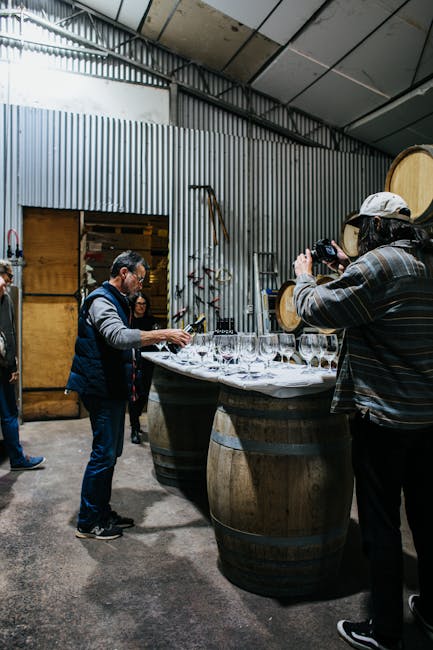
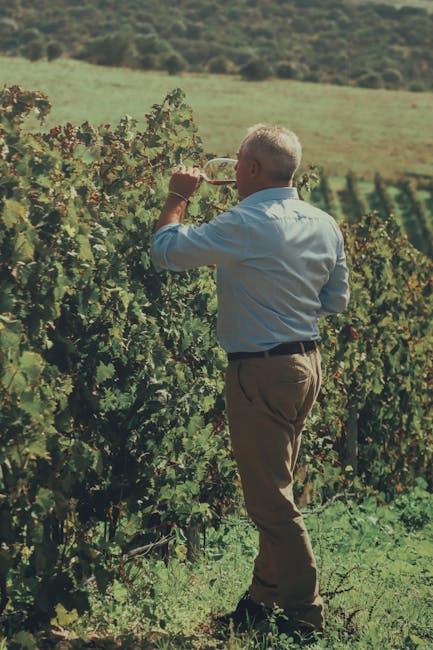
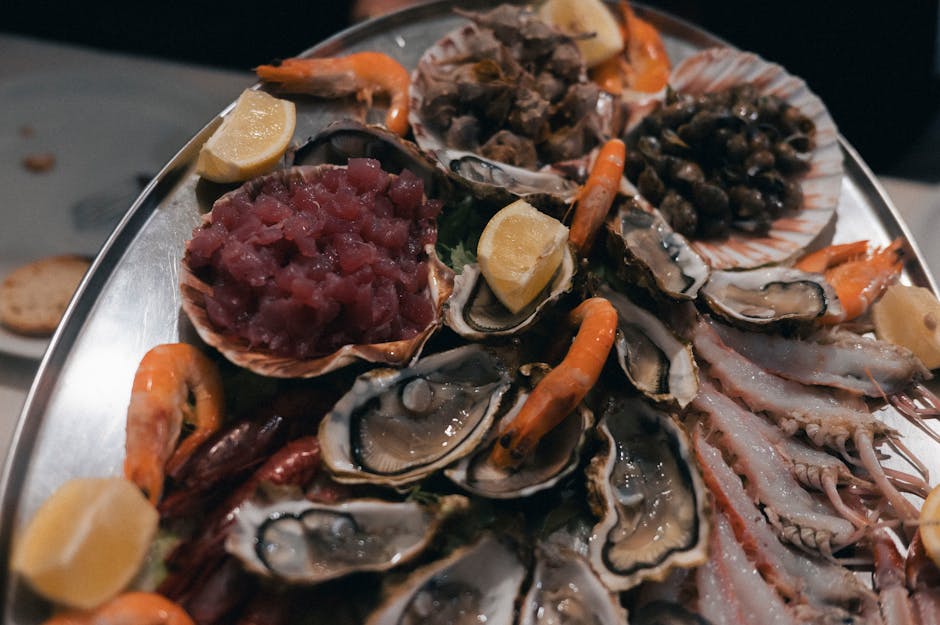
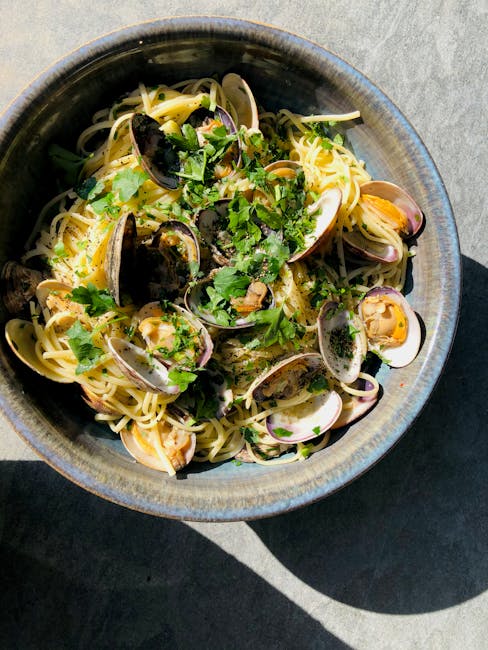
Practical tips for tasting Vermentino: serve it chilled (8–10 °C) in tulip-shaped glasses to concentrate the aromas. Pair it with seafood like crudo di pesce (raw fish), spaghetti alle vongole or lemon-and-herb dishes. Vermentino is also surprisingly good with certain young sheep’s-milk cheeses, and it’s perfect as an aperitif on a seaside terrace.
Cannonau: The Robust Red from the Heart of the Island — Origins, Profiles and Wineries to Discover
Cannonau is often seen as the deepest, most traditional expression of Sardinian wine. Local etymology and genetic studies have linked Cannonau to Grenache, but it has developed a distinct identity on the island. This is a wine that speaks of hot summers, dry soils and the rustic vines adapted to the maquis. Typically, Cannonau gives aromas of ripe red fruits (raspberry, black cherry), spices (pepper, licorice) and sometimes thyme and rosemary. Its structure can be generous: higher alcohol levels (13–15%), present but often rounded tannins, and good aging potential.
Classic production zones include Nuorese, Barbagia, the Ogliastra area and the southwest like Sulcis. Cannonau di Sardegna DOC covers a large area, but certain sub-terroirs deliver distinct expressions — fruitier and more direct in the plains, more mineral and austere at altitude. Winemakers use various methods: extended maceration for powerful wines, barrel aging for smoothness and occasionally amphora aging for aromatic purity.
Recommended cellars and estates (addresses, hours, prices):
- Cantina Santadi — Località Terradei, 09010 Santadi SU, Italy. Hours: visits by appointment Monday–Saturday 09:00–17:00. Price: classic tasting €20 (3 wines), premium tasting pack €45 (6 wines + charcuterie/cheese). Description: located in Sulcis, this winery is known for structured Cannonau and experiments with old barrels and amphorae. The estate is close to archaeological sites like the Pozzo Sacro di Santa Cristina, making it easy to combine culture and oenology. Tip: pair the visit with a trip to Santadi village and ask to taste older vintages.
- Cantina Sociale di Dorgali (Local cooperative) — Via Barbagia, 08022 Dorgali NU, Italy. Hours: 08:30–12:30 and 15:00–19:00, closed Sunday. Price: budget-friendly tasting €10–€18. Description: at the foot of the Gennargentu massif, Dorgali produces a Cannonau marked by altitude and nighttime freshness. Ideal for those seeking a more elegant, lower-alcohol version. Tip: use the opportunity to visit Bue Marino caves nearby if you’re on the coast.
- Tasting Room Cantina Sociale di Nuoro — Via Dante Alighieri, 08100 Nuoro NU, Italy. Hours: 09:00–18:00, closed Sunday afternoon. Price: €15 standard tasting, €35 “heritage” tasting including older vintages. Description: Nuoro, the cultural heart of Barbagia, offers Cannonau with mountain accents. The cooperative cellar highlights the collaborative work of small producers. Tip: combine the tasting with a visit to the Museo Etnografico Sardo (Piazza Mameli, 08100 Nuoro) to better understand the traditions surrounding the wine.
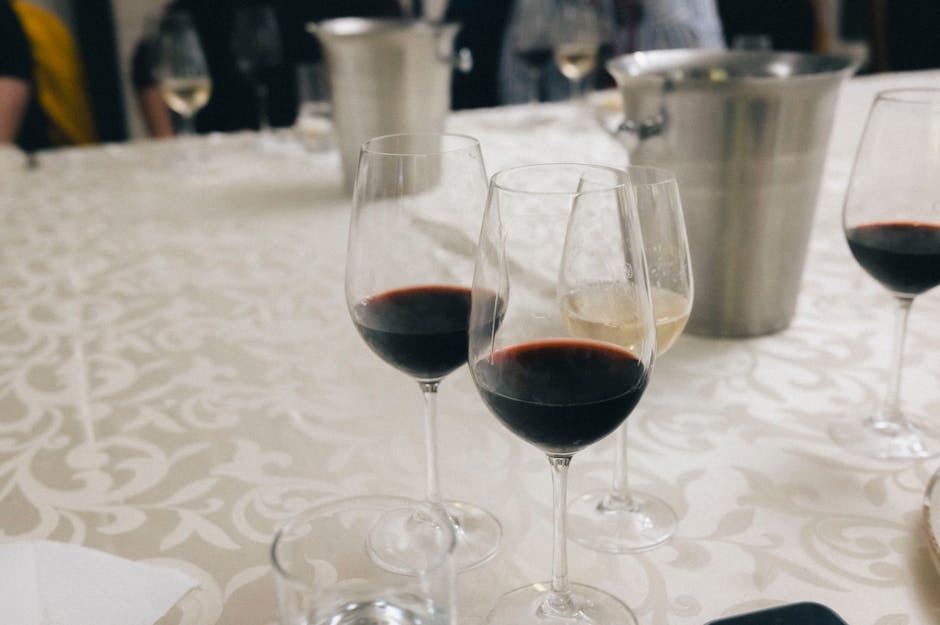
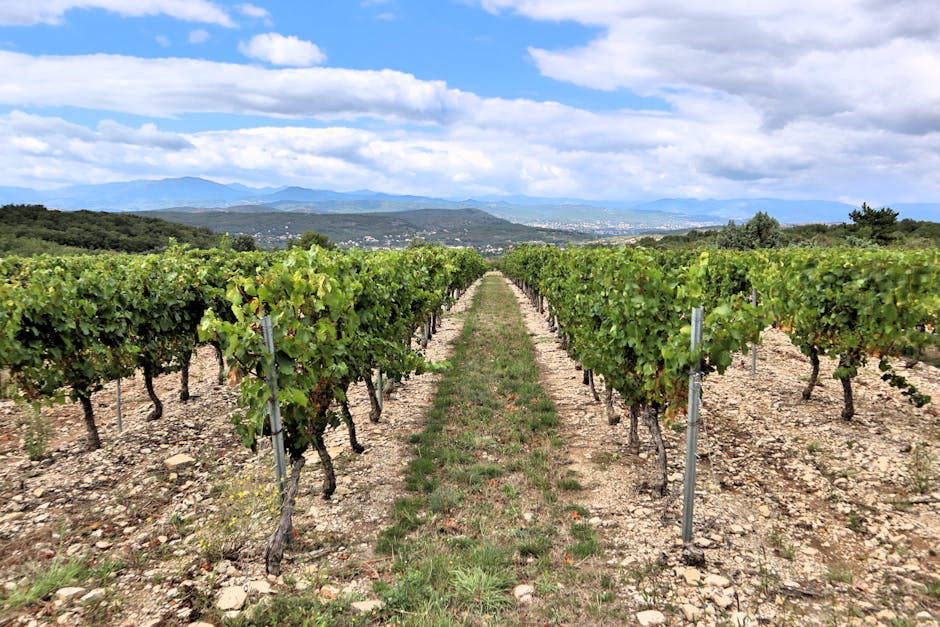
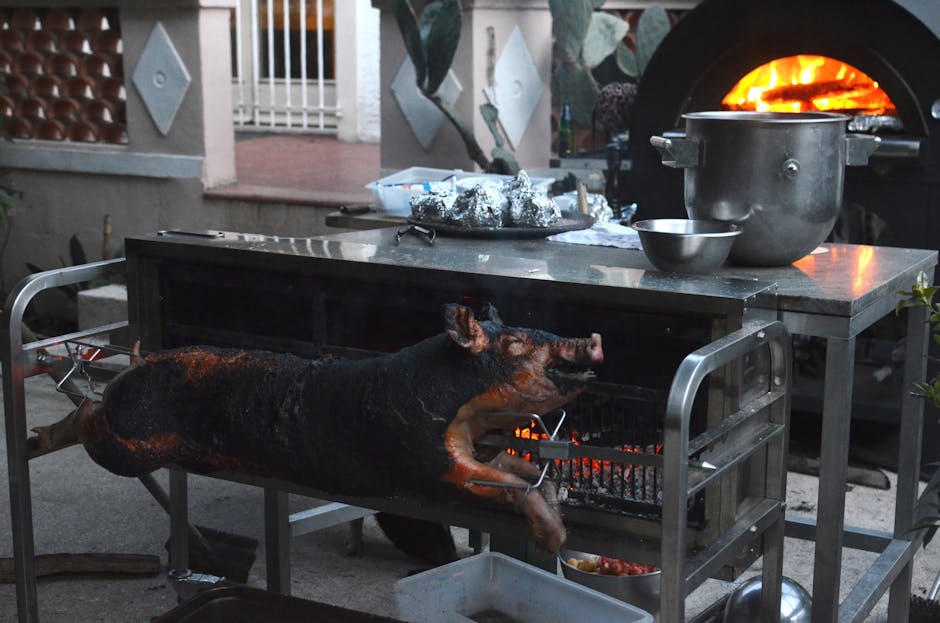
Pairings: Cannonau pairs wonderfully with rustic Sardinian cuisine — roasted pork, porceddu (suckling pig), local sausages, aged pecorino, meat stews and spicy dishes. Serve at 16–18 °C; for lighter styles bring it down to 14–15 °C to preserve freshness.
Sensory Comparison and Food Pairings: How to Choose for the Occasion
The Vermentino vs Cannonau face-off plays out first at the table. There is no absolute “better”: the choice depends on the moment, temperature, dish and mood. Here’s a practical sensory comparison to help you decide.
Aromatic profile and sensations:
- Vermentino: bright nose, citrus and floral notes, saline palate, refreshing acidity, sometimes a slightly bitter finish. Ideal for: aperitifs, seafood, grilled fish, herb-heavy salads, olive-oil-based antipasti. Serving temperature: 8–10 °C.
- Cannonau: red-fruit and spice aromas, maquis notes; round palate, more pronounced alcohol and tannins, warm finish. Ideal for: roasted meats, mountain dishes, spicy cuisines, aged cheeses. Serving temperature: 14–18 °C depending on style.
Typical Sardinian pairing examples (with places to enjoy them):
- Vermentino with « Spaghetti allo scoglio » at Ristorante Al Tuguri — Via Lido 10, 07026 Olbia OT. Hours: 12:30–15:00 and 19:00–23:00. Main course price: €14–€22. Tip: order a glass of Vermentino di Gallura to go with the dish; the wine’s minerality will highlight the shellfish’s freshness.
- Cannonau with « Porceddu » at Ristorante Su Gologone — Località Su Gologone, 08020 Oliena NU. Hours: 12:30–15:00 and 19:30–22:30. Price: porceddu €28–€35, bottle of Cannonau €25–€50 depending on the estate. Tip: share an aged Cannonau to stand up to the fattiness and toasty notes of the suckling pig.
- Vermentino and bottarga at Il Pesce d’Oro — Via Cagliari 2, 09017 Porto Pino SU. Hours: 11:00–22:00. Price: bottarga plate €7–€12. Tip: for a seaside aperitif, try a chilled Vermentino with octopus carpaccio and a twist of lemon.
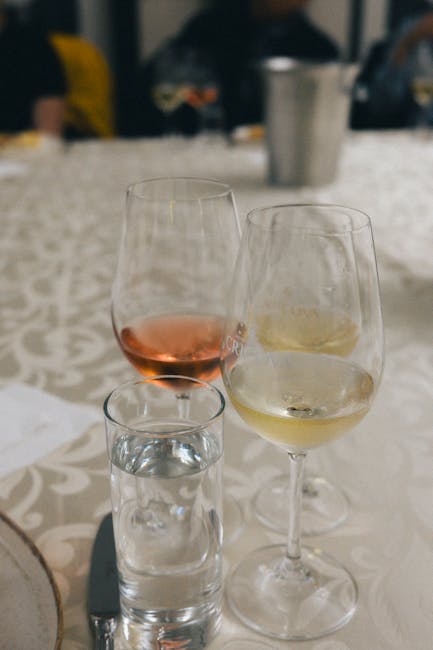
Sensory tasting tips: for a side-by-side tasting, organize a simple vertical: give each guest two glasses, one Vermentino and one light Cannonau (or a relevant rosé if available); observe color, nose, balance and finish. Note how things evolve: Vermentino often shines immediately, while Cannonau tends to linger in memory. Pay attention to serving temperature, glassware and order of service (from lighter to heavier).
Wine Routes, Suggested Itineraries and Practical Tips for Planning Your Sardinian Wine Trip
Sardinia is also best visited via its wine routes. Between beaches and mountains you can build a 3- to 7-day circuit focused on Vermentino and Cannonau. Below are model itineraries, exact places to sleep, dine and visit, plus essential logistical tips.
Suggested itinerary (5 days):
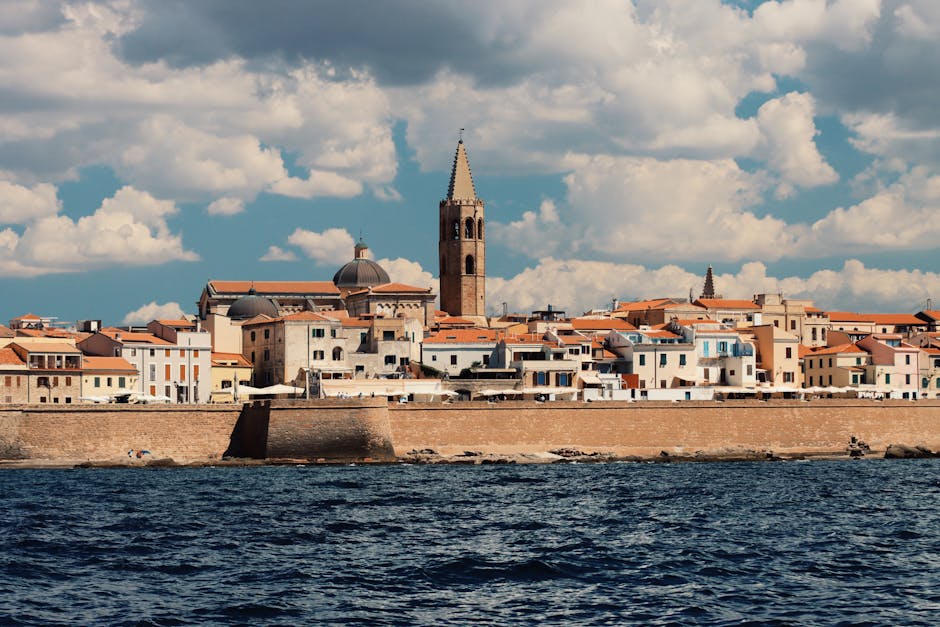
- Day 1 — Alghero: visit Sella & Mosca (Via Sella & Mosca, 07041 Alghero SS). Overnight at Palazzo Havana — Via Sassari 1, 07041 Alghero SS. Hotel front desk hours 07:00–23:00. Double room price: €80–€150 depending on season. Tip: walk the ramparts at sunset and dine on seafood along Via Carlo Alberto.
- Day 2 — Gallura / Tempio Pausania: tastings at Cantina di Gallura (Via Roma, 07029 Tempio Pausania OT). Overnight at Agriturismo La Mendula — Località La Mendula, 07020 Aggius OT. Room price: €70–€120. Tip: explore the porphyry and granite outcrops — perfect for understanding Vermentino di Gallura’s minerality.
- Day 3 — Olbia and the Costa Smeralda: lunch and Vermentino di Gallura tastings, then beach time. Parking note: paid lots in summer (plan €2–€4/hour). Overnight: boutique hotel in Porto Rotondo or Olbia (prices €100–€250).
- Day 4 — Head inland to Nuoro: Cannonau tasting at Cantina Sociale di Nuoro (Via Dante Alighieri, 08100 Nuoro NU). Overnight in Nuoro, visit the Museo Etnografico Sardo (Piazza Mameli, 08100 Nuoro). Museum fees: €6–€10 depending on the exhibit; opening hours 09:00–18:00 (may vary off-season).
- Day 5 — Southwest (Santadi): Cantina Santadi (Località Terradei, 09010 Santadi SU). Return to Cagliari or extend toward the Costa Verde. Tip: roads can be winding; opt for a car or organized cellar tours.
Transport and logistics:
- Car rental: essential to reach rural wineries. Price: €30–€80/day depending on season and model; budget for fuel and minor tolls. Main rental hubs: Olbia Costa Smeralda Airport (Aeroporto Olbia Costa Smeralda, 07026 Olbia OT) and Cagliari-Elmas (Aeroporto di Cagliari-Elmas, 09100 Elmas CA).
- Bookings: wineries often require reservations (especially in high season); prefer email or online forms. Group tastings may be closed during harvest (September–October) or local festivals.
- Average wine budget: standard tasting €10–€25, tour + premium tastings €25–€50, average estate bottle €8–€30, special cuvées €40+.
- Accommodation: from family agriturismos (€60–€120/night) to boutique hotels (€120–€300) depending on location and services. Tip: choose an agriturismo near the estates for waking up among the vines.
Local practical tips:
- Check the weather: bring a light jacket for coastal evenings and hiking shoes for terrace and rocky-soil visits.
- Respect meal times: local restaurants often open around 12:30 and 19:30; cereals and local produce can be scarce early in the morning.
- Language: Italian is common; English is increasingly used in tourist-focused estates; a Sardinian word (thank you = « gratzias ») is always appreciated.
- Alternative transport: to avoid driving after tastings, book a local driver or join wine tours from Cagliari or Olbia (tour prices €60–€120/person depending on duration).
Conclusion: Bringing Vermentino and Cannonau Together — An Invitation to Explore
The Vermentino vs Cannonau showdown is above all a promise: a sensory journey through an island that lives and breathes through its vines. Vermentino embodies the sea breeze, the brightness and freshness of the coasts; it invites light sharing and terrace dinners. Cannonau, powerful and noble, speaks of the interior, summer heat, generous tables and pastoral traditions. Together they form a complementary pair that lets each traveler craft rich, nuanced routes that blend sea and mountain, antiquity and modernity.
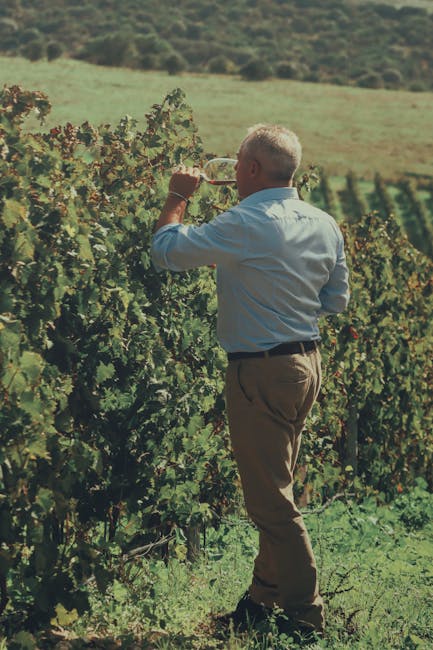
Planning a trip around these grapes means alternating contemplation and tasting: rise early for dawn over Vermentino vineyards, then drive inland for a Cannonau tasting followed by a porceddu meal. It’s also about talking with winemakers, listening to their stories about Gallura’s granite soils or the resilience of Sulcis’s vines, and understanding how terroir shapes every sip. The addresses mentioned — Sella & Mosca in Alghero, Cantina di Gallura in Tempio Pausania, Argiolas in Serdiana, Cantina Santadi in Santadi and the cooperative cellars of Nuoro and Dorgali — are anchors for these explorations. Each offers a different experience: historical tours, technical tastings, food-and-wine pairings and even full oenotourism packages.
Finally, Sardinia is a hospitable land: local produce, family-run inns and panoramic roads make the tasting experience complete. Budget realistically (tastings €10–€50, bottles €8–€50, accommodation €60–€200), book ahead in high season and don’t hesitate to ask cellar staff which wines to bring home. Whether you prefer the saline freshness of a youthful Vermentino or the depth of a barrel-aged Cannonau, Sardinia invites you to raise your glass to its history, landscapes and traditions — a duel that always ends in shared celebration.