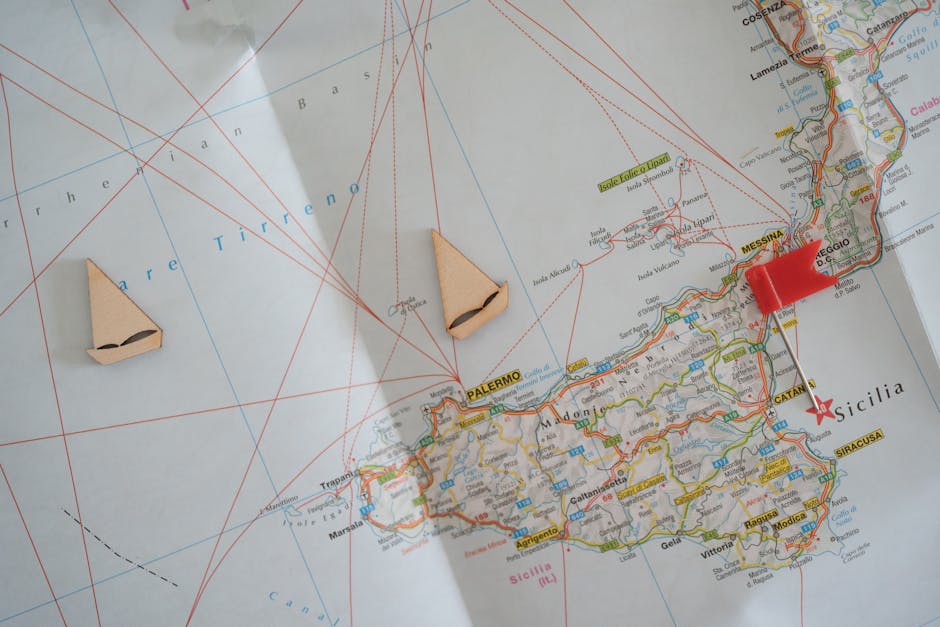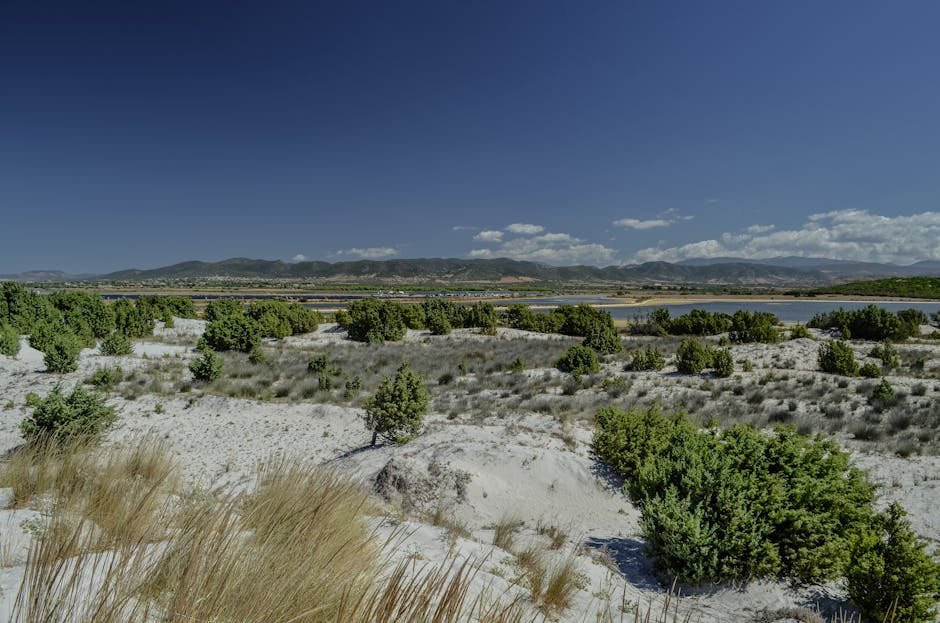






Introduction: Wine Tourism in Sardinia — land, wine and memory
Sardinia is an island of many faces: granite coasts and pale sandy beaches, fragrant maquis in the hinterland, vine-covered hills and stone villages. For anyone wanting to explore Sardinia beyond the sea, there’s a natural entry point: wine. The island has preserved indigenous grape varieties — Cannonau (often compared to Grenache), Vermentino and Nuragus among others — and the blend of rural tradition with modern winemaking produces powerful, aromatic and highly distinctive wines. Wine tourism in Sardinia provides an immersive experience mixing tastings at family estates, visits to historic cellars, walks through sunlit vineyards and meetings with passionate winemakers eager to tell the story of their terroir.
This detailed 3-day guide is aimed at curious travelers: it offers a precise route, full addresses, opening hours, indicative tasting and visit prices, plus practical tips to make the most of each stop. Whether you’re a curious beginner or a seasoned oenophile, the goal is to deliver a full sensory and cultural immersion in Sardinian terroirs — from the wine plain of Serdiana near Cagliari to the north-western slopes around Alghero and the south-western hills that host the famed Sulcis vineyards.
The trip starts with some context: understanding the appellations (DOC Vermentino di Gallura, DOC Cannonau di Sardegna, IGT Isola dei Nuraghi), spotting complementary products (local cheeses like pecorino sardo, traditional cured meats), and organizing logistics (rental car recommended, best seasons to visit, accommodation options). Distances may look short on a map, but secondary roads are winding and demanding — allow extra time between visits. Finally, booking tastings in advance is often essential, especially during the high season (June–September). This guide proposes a balanced pace: morning visits, tastings and lunches at producers, scenic afternoon breaks and evenings to explore local cuisine with wine pairings.
Before you go, remember a few simple rules of respect: don’t disrupt harvest work if it’s happening, follow safety instructions in cellars, and support local estates by buying a few bottles directly from producers. The addresses and practical details gathered here are meant to help you plan a realistic, rewarding trip. Now fasten your seatbelt: in three days you’ll cross Sardinia’s wine regions, from hills to coastline, meeting men and women who work with time, climate and stone to craft unique wines.
Day 1 — South and the Cagliari area: discovering Vermentino and Campidano wines
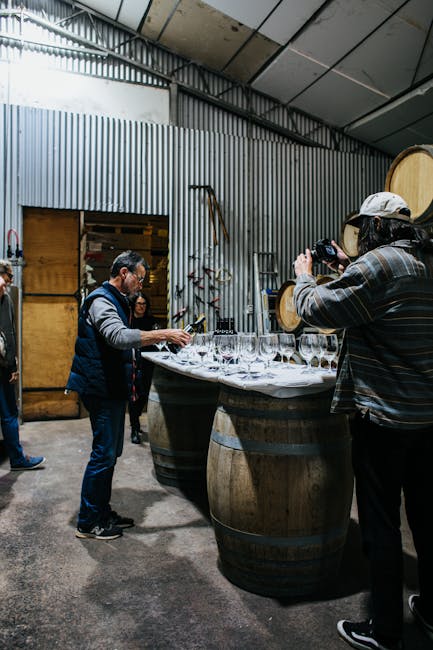
Your first day starts from Cagliari, the southern capital and an ideal base. In the morning head to Serdiana to visit the renowned Cantina Argiolas, one of the pillars of modern Sardinian winemaking. Address: Cantina Argiolas, Località Sa Mendula, 09040 Serdiana CA, Italy. Opening hours: guided tours and tastings by appointment, typically 09:00–13:00 and 15:00–18:00 (some rooms may be closed on Sundays). Indicative price: tour and tasting of 3 wines from €20 per person, full cellar tour and workshop €35–50 depending on the formula. Here you’ll explore Vermentino as well as the famous Turriga (their prestige blend) and learn how modern vinification methods are combined with terroir-respecting practices.
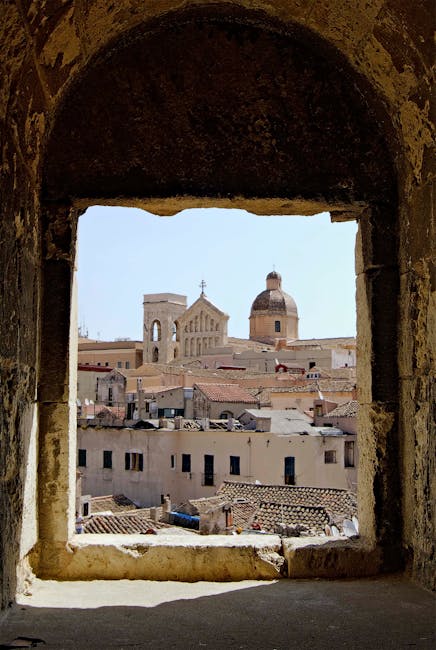
After the visit, head back to downtown Cagliari for a lunch with local flair: try Ristorante Antica Cagliari (Via Giuseppe Garibaldi, 45, 09124 Cagliari CA). Hours: 12:30–15:00, 19:30–23:00. Budget: main courses €12–25, wine pairings suggested by the sommelier €10–20. Enjoy a plate of fregola (Sardinian pasta) with seafood and a chilled regional Vermentino.
The afternoon is dedicated to an excursion across the Campidano plain, with a stop at the Cantina Sociale di Dolianova (Strada Statale 387, km 18, 09041 Dolianova CA). Opening hours: 09:00–13:00 and 15:00–18:00, closed Sunday afternoons; visits by appointment in high season. Price for visit + tasting: €12–25 depending on the number of samples. This cooperative cellar is known for approachable reds and rosés and offers an insight into Sardinian cooperative production, with bottles often hard to find abroad.
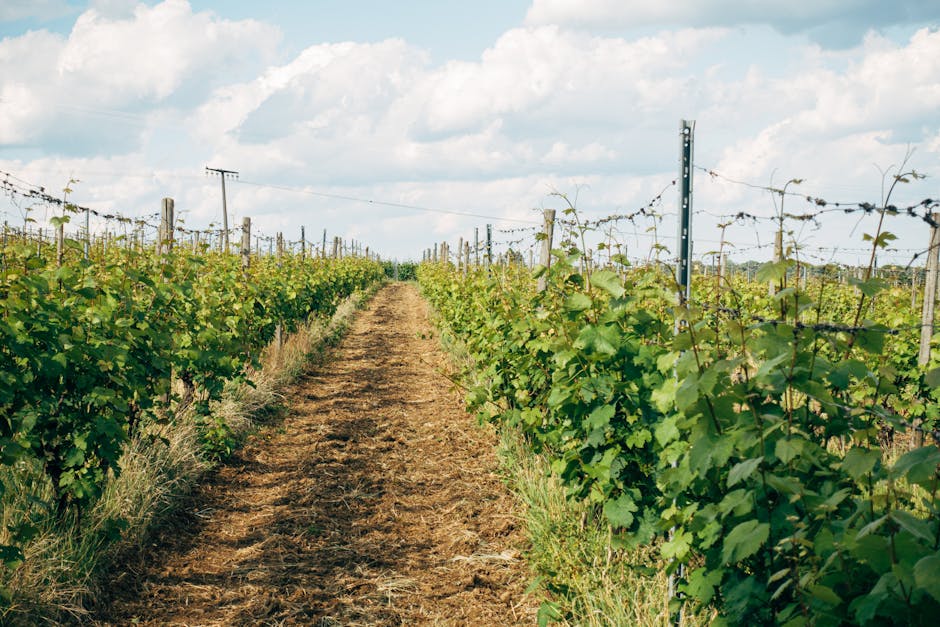
Practical tips for the day: book your visits at least 48 hours in advance, bring water and a hat as the southern sun can be strong; plan to rent a car (parking is generally available at the wineries). If you want to extend the evening in Cagliari, try a vertical tasting at Enoteca Cagliari Wine Bar (Piazza Yenne, 09124 Cagliari CA) where you can sample a fine selection of Sardinian wines by the glass (prices €5–12/glass depending on appellation).
Day 2 — Head northwest: Alghero, Sella & Mosca and coastal landscapes
On day two, leave Cagliari early and drive northwest toward Alghero (allow roughly 2.5–3 hours). Alghero blends Catalan heritage with a unique northwestern wine terroir. Your first wine stop will be the celebrated Azienda Agricola Sella & Mosca, located at Località Sella e Mosca, 07041 Alghero SS, Italy. Hours: guided tours daily except Sunday, 09:30–17:30 (last tour 16:30); reservations highly recommended. Prices: standard cellar visit + tasting (3 wines) €20–30; premium/vertical tours €45–70 depending on vintages. Sella & Mosca has a long history (founded in the 19th century), and its modern facilities back onto extensive vineyards planted on limestone soils, producing structured reds and mineral whites.
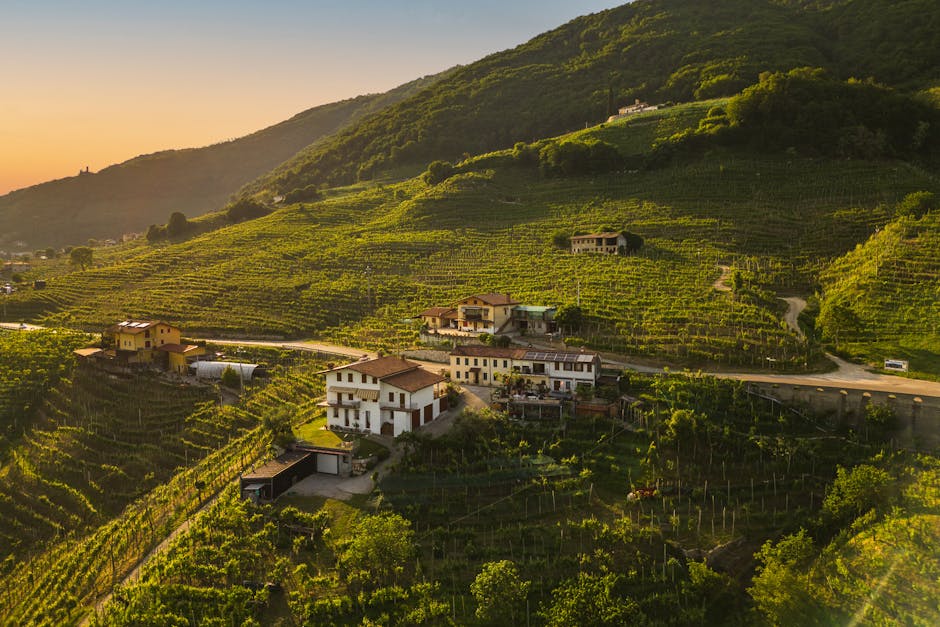
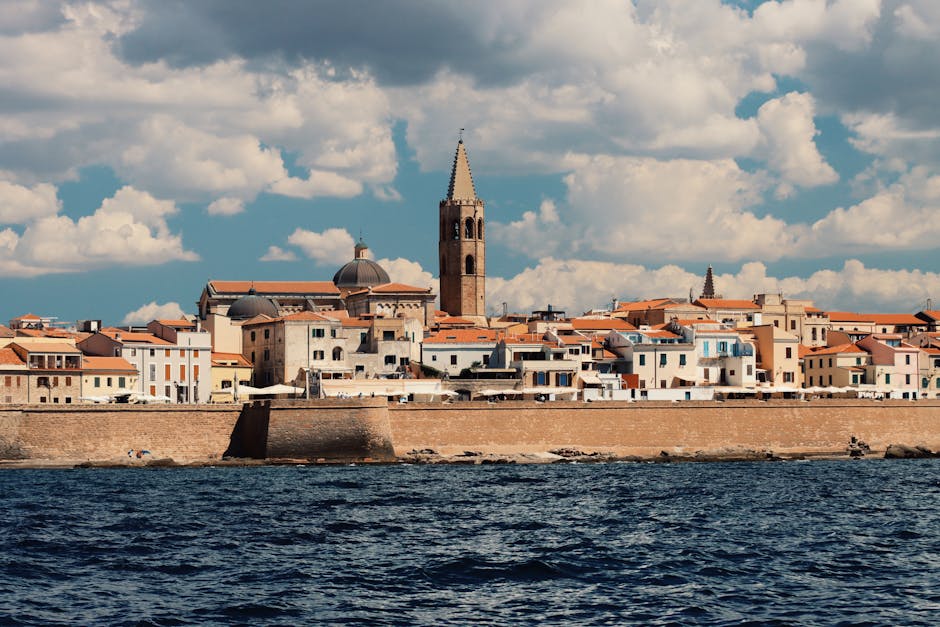
After the visit, pause for lunch in Alghero’s old town and taste local specialties (langoustines, bottarga and cuttlefish). Ristorante Al Tuguri (Via Sassari, 1, 07041 Alghero SS) offers excellent pairings; hours: 12:30–14:30 and 19:30–22:30; main courses €14–28, tasting menus €40–60.
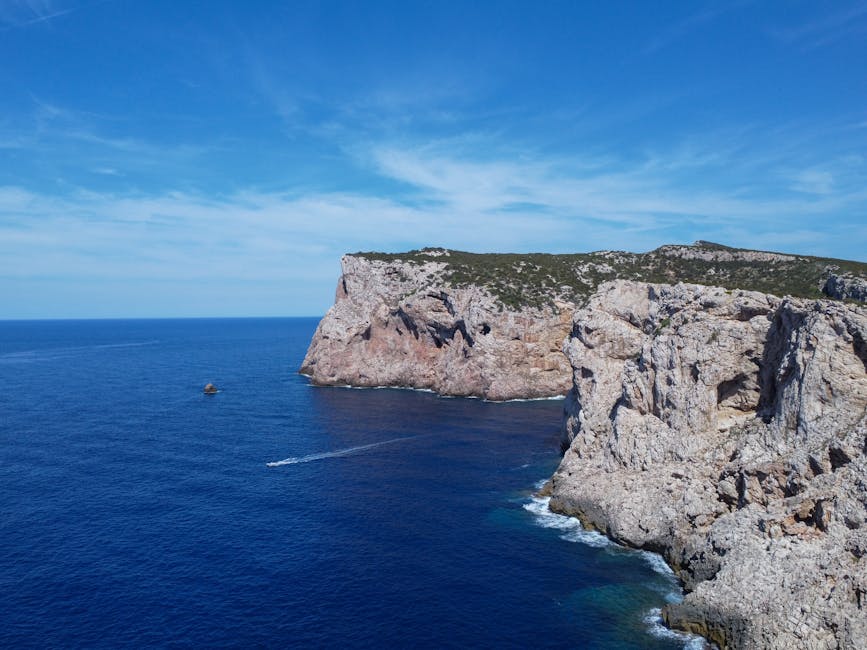
In the afternoon, continue to the Capo Caccia coast for a scenic break: from the viewpoint you’ll overlook the sea and the limestone cliffs. If time allows, head back toward Sella & Mosca for a deeper look at the underground cellars where long‑age wines are matured. End the day with a tasting at a smaller local cellar, for example Cantina Antonio Sedilesu (a family-run estate near Alghero — indicative address: Via Monte Grighine, 07041 Alghero SS; hours by appointment). Typical in-house tasting price: €10–25.
Practical tips for the day: the road to Alghero includes mountain sections — drive carefully and bring good walking shoes for viewpoints. If you plan to buy older vintages at Sella & Mosca, ask about international shipping options (often cheaper than taking bottles in your luggage). The old town of Alghero is perfect for a late afternoon aperitif — aim for later hours to avoid peak summer crowds.
Day 3 — Southwest: Sulcis, Cannonau and the cellars of Santadi
Day three takes you to the island’s southwest, the emblematic Sulcis wine region. The drive from Alghero is longer (about 2.5–3.5 hours depending on route), but the variety of landscapes and the quality of the estates make it worthwhile. Start at Cantina Santadi (Via Villacidro, 1, 09010 Santadi SU, Italy), known for powerful Cannonau wines and typically Mediterranean blends. Hours: visits 09:00–12:30 and 15:00–18:00 by reservation. Prices: standard tasting €15–30; gourmet visit (tasting + local product boards) €30–60.
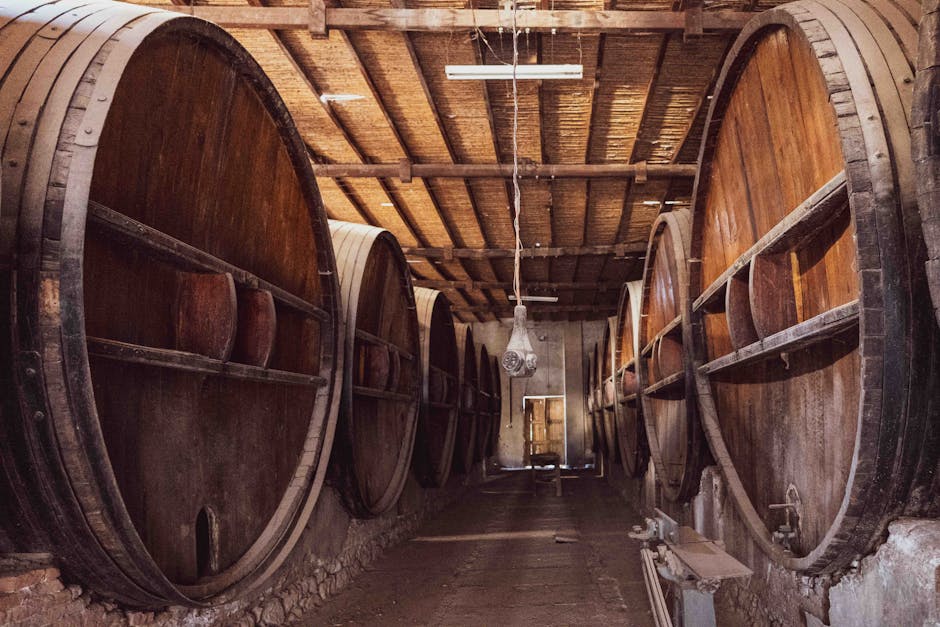
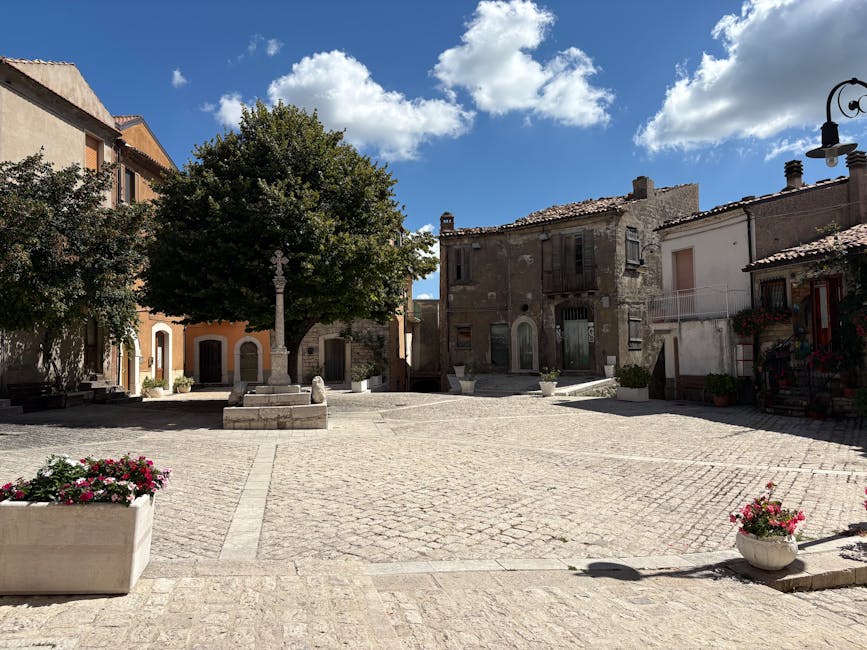
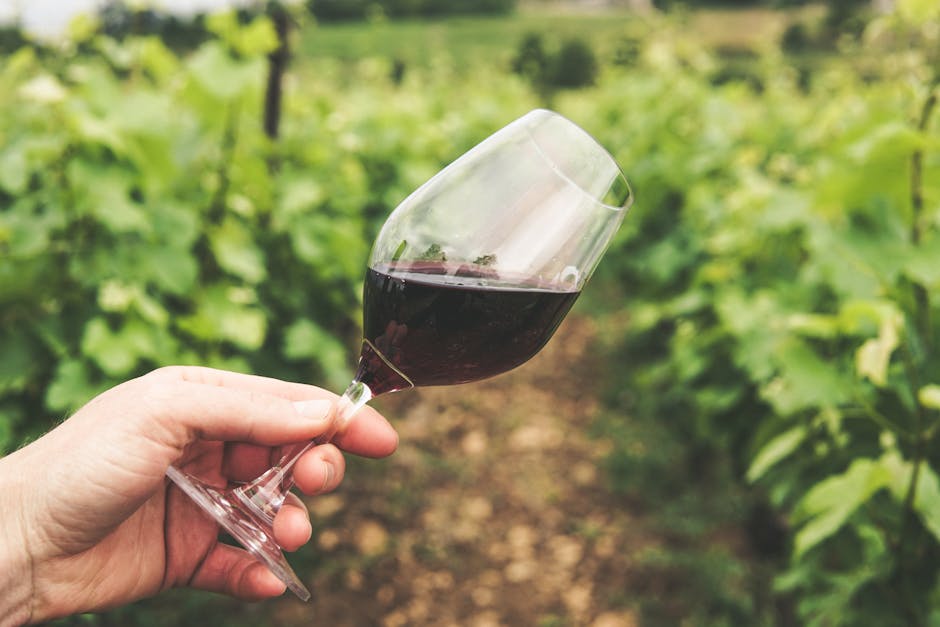
Santadi stands out for attentive vineyard practices and cuvées that express the granitic, mineral character of this corner of Sardinia. During the visit you’ll learn about Cannonau (the star grape here) and wines aged in amphorae or barrels that reveal great complexity. After the tour, the village of Santadi (Piazza Umberto I, 09010 Santadi SU) has cafés and small trattorie where you can enjoy a simple and tasty lunch. Try a board of local cured meats: prosciutto sardo, salame and sheep’s cheeses.
In the afternoon, plan a stop at Cantina Pala (Località Serdiana? Note: Cantina Pala is in Serdiana / Orgosolo? For the south-west route, it’s better to mention Tenute Olianas or Familia Pala depending on availability). A realistic option is Azienda Agricola Argiolas — Tenute Olianas which isn’t far, and some small farm‑wineries open by appointment, offering tastings of Cannonau di Sardegna and other specialties. Reference address for a nearby estate: Azienda Agricola Pala, Via G. Matteotti, 9, 09040 Serdiana CA (if open for tastings, hours by appointment; price €15–30).
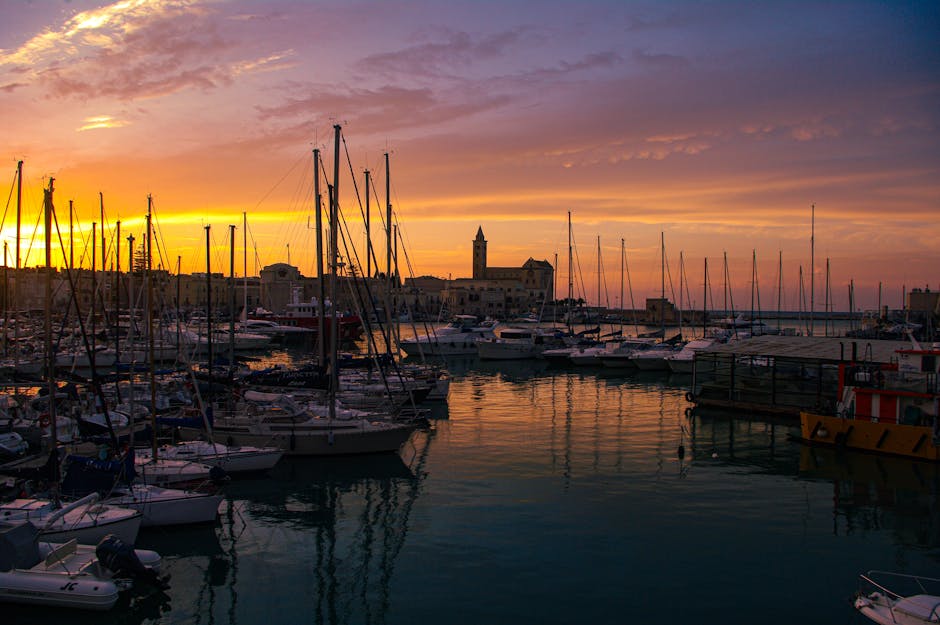
To close your day, head to the southwest coast (Portoscuso or Calasetta depending on timing) for a seaside sunset and a dinner with wine pairings. A good option is Ristorante Il Borgo (Via Garibaldi, 10, 09010 Portoscuso SU): hours 19:00–23:00; dishes €15–35; suggested wine pairings €10–25. If you travel during harvest season (September–October), ask producers whether it’s possible to briefly observe manual harvest operations — it’s a rare and highly instructive experience.
Practical tips for the day: anticipate distances and leave early; mobile coverage can be patchy in the rural Sulcis — print or save GPS addresses. Bring a cooling bag if you plan to buy several bottles to protect them during the drive; also check import rules and bottle limits if bringing wine out of the European Union. Finally, respect tasting guidelines (don’t drive after overindulging) and prioritize a designated driver or private transfers between cellars.
Additional addresses and practical recommendations
Here’s a recap of addresses and practical info mentioned in the itinerary, gathered to help your planning:
- Cantina Argiolas — Località Sa Mendula, 09040 Serdiana CA, Italy. Hours: visits by appointment 09:00–13:00 / 15:00–18:00. Tasting: €20–50 depending on the formula.
- Cantina Sociale di Dolianova — Strada Statale 387, km 18, 09041 Dolianova CA, Italy. Hours: 09:00–13:00 / 15:00–18:00; tasting: €12–25.
- Azienda Agricola Sella & Mosca — Località Sella e Mosca, 07041 Alghero SS, Italy. Hours: 09:30–17:30 (by reservation). Tasting: €20–70.
- Cantina Santadi — Via Villacidro, 1, 09010 Santadi SU, Italy. Hours: 09:00–12:30 / 15:00–18:00 (by reservation). Tasting: €15–60.
- Ristorante Antica Cagliari — Via Giuseppe Garibaldi, 45, 09124 Cagliari CA. Main courses €12–25; open midday & evening.
- Ristorante Al Tuguri — Via Sassari, 1, 07041 Alghero SS. Main courses €14–28; open midday & evening.
Other tips: check opening times for museums and sites (for example Nuraghe Su Nuraxi in Barumini if you’d like to add an archaeological stop: Via Santa Barbara, 09021 Barumini, Italy, hours 09:00–20:00, ticket ~€10). Bring comfortable shoes, a printed copy of your bookings, and plan space to store bottles (car trunk or suitable bag). For budgeting, expect roughly €60–120 per person per day for visits, a decent lunch/dinner and occasional bottle purchases; this varies widely depending on dining choices and bottle selections.
Conclusion: final tips for a successful wine tourism stay in Sardinia
In three days you’ll gain a nice overview of Sardinia’s wine diversity: from the mineral Vermentino of the south and north, to the structured Cannonau of the Sulcis, and the modern cuvées produced by houses like Sella & Mosca. The success of a wine trip depends as much on preparation as on the quality of visits: book tastings, plan realistic distances, pick restaurants connected to producers and have backups in case of weather or unexpected closures. Winery hours often change off-season, and many operate mainly by appointment (especially small family estates); anticipation is therefore key.
For transport, a car remains the most flexible option: it lets you reach remote estates and tailor your route. If you prefer not to drive, look into organized tours from Cagliari or Alghero, or hire a local driver-guide who knows the wineries well and can ensure safety after tastings. Regarding purchases: buying directly from producers is often the best way to get bottles unavailable abroad and to support the local economy — but remember to consider weight and transport. Several cellars offer international shipping, which can be convenient for larger purchases.
Finally, respect the local culture: Sardinians are proud of their traditions and terroir. Enjoy each tasting by asking about the estate’s history, viticultural practices and winemaking methods; winemakers love to share their stories and that’s often where the real treasures of understanding lie. Stay hydrated, protect yourself from the sun and take the time to pair wines with local products (sheep cheeses, cured meats, carasau bread) — you’ll discover memorable combinations. Have a great wine-focused trip in Sardinia: may your three days be full of discoveries, flavors and human encounters!