





Introduction: A Sardinian Winemaker’s Secrets — a Window into the Island’s Wine Soul
Sardinia isn’t just an island of turquoise beaches and ancient ruins — it’s also a diverse wine region where passionate winemakers have been tending native varieties for generations. Step through the door of a family-run winery and you enter a microcosm of traditions, craft and landscapes — ochre hills, granite outcrops and fragrant maquis that all shape the distinctive personality of Sardinian wines.
This piece invites you to follow a Sardinian winemaker through a typical workday, from the vineyard to the cellar and on to a friendly tasting around a rustic table. You’ll be guided through specific names and places: cellars, nearby monuments, practical addresses and opening hours — everything you need to plan your visit. We’ll explain how terroir influences varieties like Cannonau (Sardinian Grenache), Vermentino di Sardegna, Monica and lesser-known local grapes. More than a wine tour, this is a sensory immersion: the smell of earth after rain, the clatter of destemmers in the cellar, the golden sheen of a Vermentino at sunset.
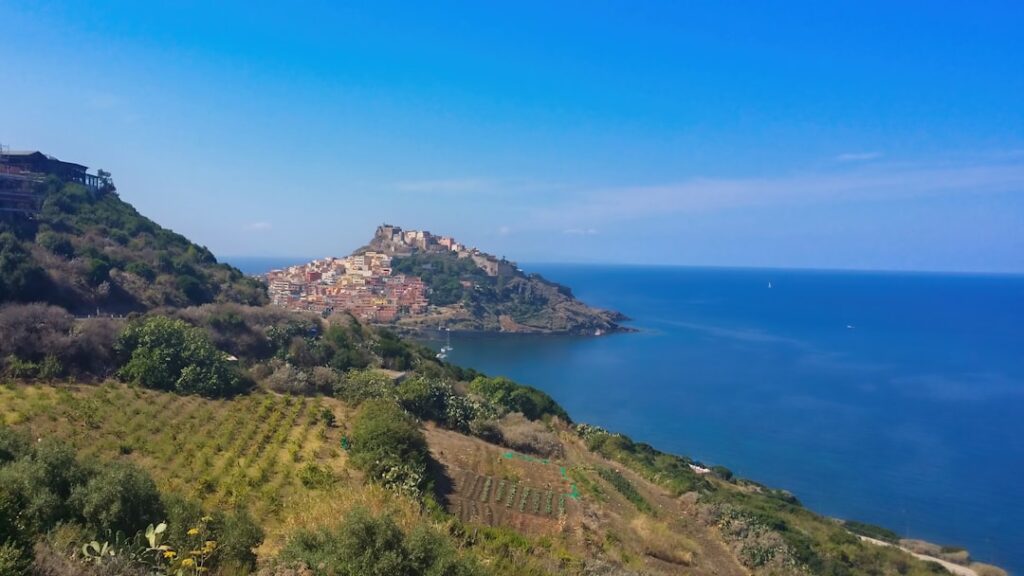
The winemaker we follow isn’t an isolated legend — they represent a wave of artisans who blend centuries-old traditions with environmentally respectful innovations. Many of these estates sit close to remarkable sites — like the Nuraghe Su Nuraxi in Barumini or the medieval lanes of Castelsardo — offering a dual cultural and culinary experience. You’ll find full contact details here (street, number, town), prices (entry and tasting fees in euros) and opening times so you can plan your visit without surprises.
Beyond the practical info, we’ll share local tips: how to read a Sardinian wine label, what dish pairs best with a mountain Cannonau, the best times of day to visit to avoid summer heat, and how to support small producers by buying bottles direct. Expect to feel the winemaker’s earthy hands showing you shoots, to bring a glass to your lips still slightly warm and to let Sardinia tell you its best-kept secrets, sip by sip.
Meeting the Winemaker and Family Traditions
Visits usually begin in front of a large stone house or a small whitewashed building, surrounded by cypress and olive trees. One concrete example: Azienda Vinicola Nuraghe S’Ortu, Località S’Ortu, 09010 Serdiana (CA). This family estate welcomes visitors by appointment Monday to Saturday from 09:00 to 13:00 and 15:00 to 18:00; closed Sunday. A standard guided tour costs €25 per person and includes a tasting of three wines, while the in-depth visit with a local lunch is €45 per person. On arrival, the winemaker — often the third or fourth generation — will greet you with coffee or lemon water and tell the story of the estate, sometimes passed down orally since the late 19th century.
The Sardinian winemaker is, above all, a keeper of memories: you’ll be shown old harvest ledgers, parcels numbered on hand-drawn maps and traditional tools like the falce (sickle) or the trappola. At the Cantina Sociale di Alghero, Via Catalogna 4, 07041 Alghero (SS), it’s not unusual to see restored stone presses alongside modern equipment. Guided tours there typically cost €20 (tasting included) and the cellar is open Tuesday to Saturday, 10:00–13:00 and 15:00–18:00.
What you learn in these encounters goes beyond technique: you’ll sense a philosophy. Respect for the vine, the choice of green harvesting, or the decision to pick late for greater aromatic concentration — these are decisions made at the family table. The winemaker will share anecdotes — harvesting by full moon, neighbors helping during the busiest hours, and how the San Salvatore patronal festival marks the end of pruning work. These stories humanize the wine and create a bond: buying a bottle at the end of the visit becomes more than a purchase, it’s a way to support a local story.
Practical tips: book ahead (especially in high season). Prepare questions about organic or biodynamic farming if that interests you; many small cellars are moving toward sustainable practices and are happy to talk about it. Bring closed-toe shoes for walking the vineyards and a light jacket for the cellar, which is often cool even in summer.
Strolling the Vineyards: Terroir, Grapes and Scenery
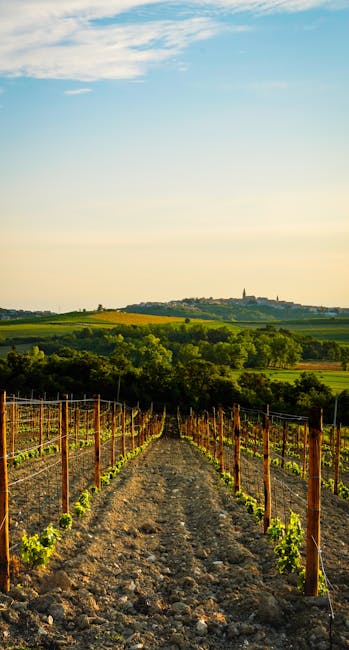
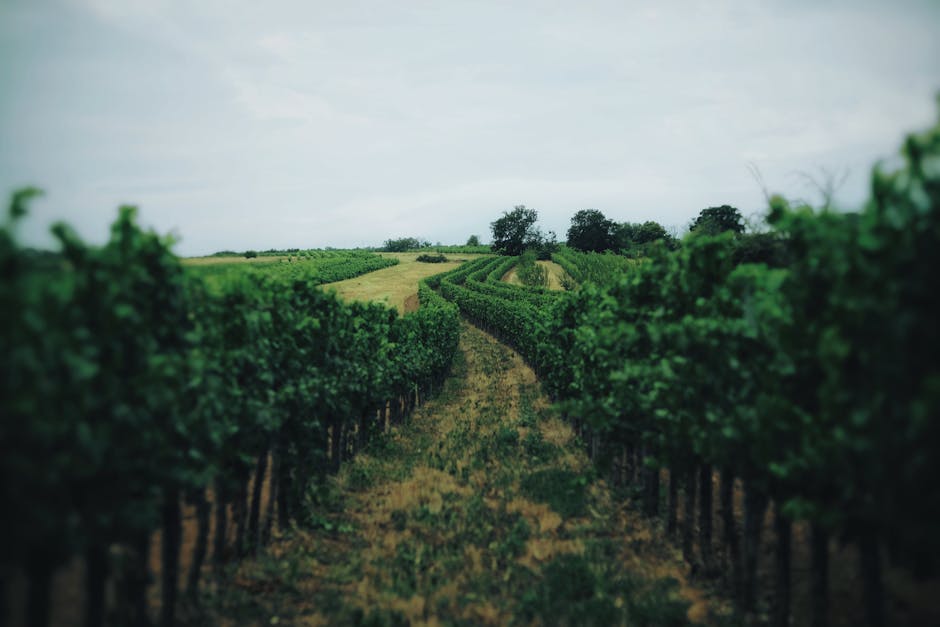
Sardinia offers an incredible concentration of varied terroirs on one island: rocky coasts, interior plains, volcanic hills and granite soils. A walk through the plots at Azienda Agricola Cantina Sarda, Via Roma 12, 07026 Olbia (OT), is a great illustration. This estate runs vineyard tours Monday to Saturday from 09:00 to 17:00 and charges €30 per person for a 90-minute guided walk that includes a tasting. They mainly grow Vermentino di Sardegna exposed to sea breezes, producing floral, mineral wines, and Cannonau plots planted higher up, yielding more concentrated, tannic wines.
During the walk the winemaker will point out differences in vine stock, row spacing and explain why some plots are reserved for table grapes while others are destined for long-lived wines. On the slopes around Monte Arci, volcanic soils lend smoky notes and pronounced minerality: Cantina di Monte Arci, Via Monte Arci 3, 09090 Marrubiu (OR), offers terroir discovery tours Wednesday to Sunday, 10:00–16:00, for €28 per person.
The route often passes by notable landmarks: nuragic ruins, dry stone walls (muri a secco) and olive groves. A typical visit might end with a stop at a viewpoint overlooking the sea or an archaeological site like the Nuraghe Su Nuraxi (Piazza Europa, 09021 Barumini, VS), open daily from 08:30 to 19:30 (entry €15, reduced rates for students and seniors). The contrast between harsh rock and gentle vineyards is striking and shows through in the wines: structure and finesse, coastal salinity or inland power.
Practical tips for the walk: aim for shoulder season (May–June or September–October) for pleasant temperatures and beautiful light. Bring a hat and water; hydration is essential in exposed, windy plots. If you’re an amateur photographer, tell the winemaker in advance: most are fine with photos but avoid disturbing workers during the harvest.
The Cellar: Techniques, Barrels and Winemaking Secrets
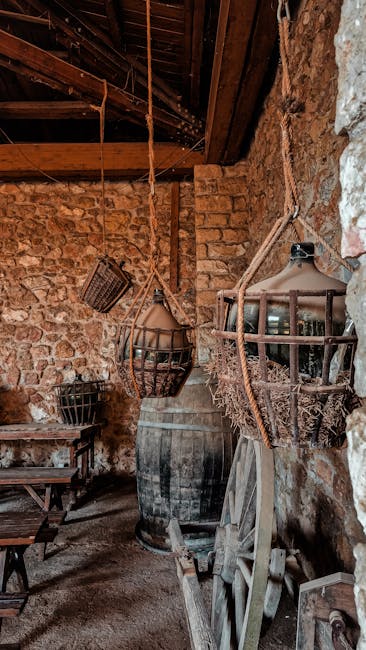
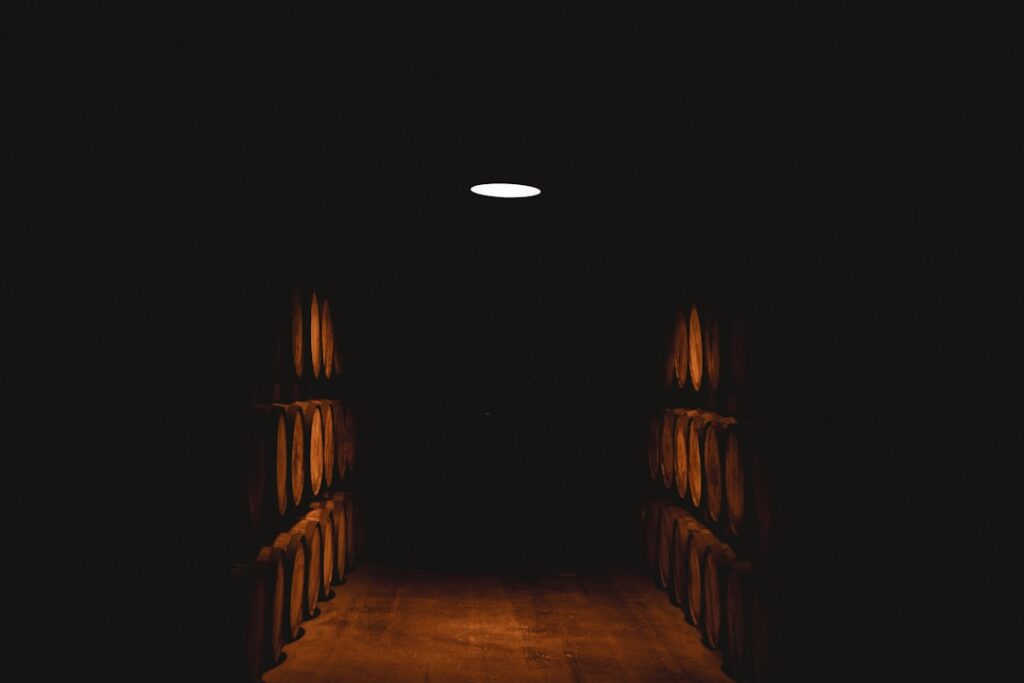
A Sardinian cellar is a blend of the ancient and the modern. Inside the Cantina Sociale di Alghero you can see stainless steel vats next to restored terracotta amphorae and French oak barrels. Amphora winemaking, reclaimed by some Sardinian producers, is often used to preserve fruit purity without oaky extraction; it delivers rounder textures and a pure aromatic expression. Modern methods include temperature control, selected yeasts and tailor-made macerations for each grape variety.
At Azienda Vinicola Nuraghe S’Ortu, the cellar tour is hands-on: the winemaker explains the difference between carbonic maceration, manual pigeage and mechanical pump-overs and why they choose to limit sulfites. The cellar is open for guided tours every day except Sunday, 09:00–13:00 and 15:00–18:00; a full visit with barrel tasting costs €40 per person. You’ll be shown samples of must at the start of fermentation and barrels that raise the crucial question: when to rack?
One often-shared secret is the importance of cellar temperature and humidity: a dark, cool cellar (12–16 °C) with 70–80% humidity allows slow maturation that preserves aromatic freshness. Some winemakers keep limited amphora cuvées buried to reduce oxygen exposure and conserve an older typicity. Labeling rules in Italy are strict; on a bottle you’ll see « Denominazione di Origine Protetta (DOP) » or « Indicazione Geografica Tipica (IGT) » depending on the level of control and the origin area, which helps visitors understand the classification.
Prices and workshops: many cellars offer specialized workshops — blending sessions (€30–50), Cannonau and Vermentino blending introductions (€40–60), and wine-and-local-food dinners (€70–120 depending on the menu). Always check whether the tasting includes the cellar tour (some charge the tour separately). Opening hours may change during the harvest season (August–October), when tours are often reduced or limited for health and work reasons.
Tasting and Food Pairings: Sardinian Cuisine Alongside the Wine
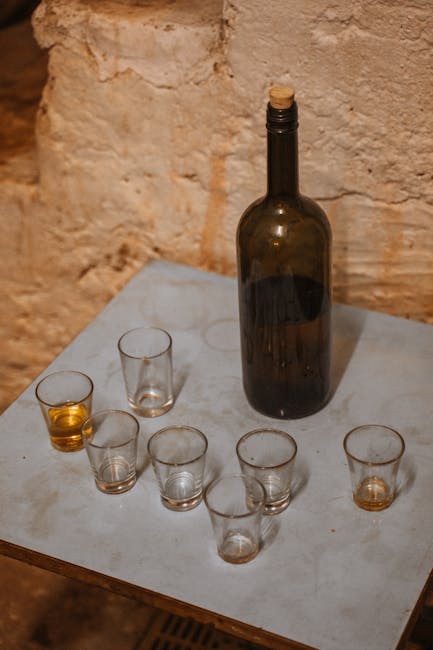
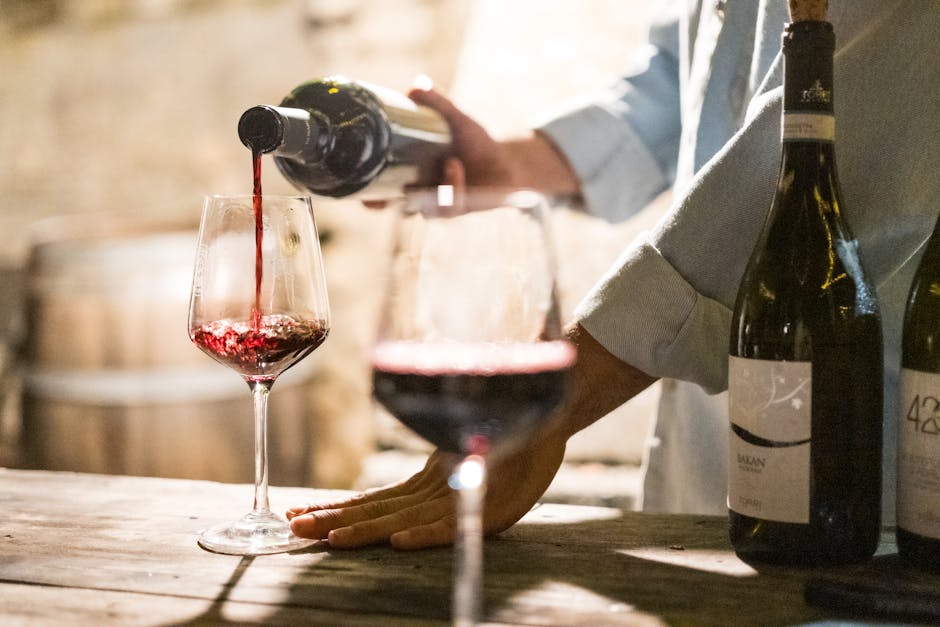
Tasting in Sardinia is a convivial moment rooted in peasant tradition. Tasting tables are often set in a cellar reception room or under a shaded pergola surrounded by laurels. At the Cantina di Monte Arci, for example, a five-wine tasting paired with local products (pecorino cheeses, bottarga, pane carasau, culurgiones) costs €35 per person; the cellar is open to the public Wednesday to Sunday 10:00–16:00. The winemaker will guide you to pair a zesty Vermentino with seafood (for example, grilled sea bass or burrida) and a structured Cannonau with a meat dish like agnello arrosto (roast lamb).
A classic successful pairing: a Vermentino di Sardegna (€10–14 per bottle at the winery) served chilled (10–12 °C) with lemony mussels and a fennel salad. For Cannonau (€15–25 at the cellar depending on age and cuvée), serve at 16–18 °C with braised meat or aged sheep’s cheese. Amphora-aged or jar-aged wines work well with simpler, salty dishes like marinated anchovies and olive oil–drizzled pane carasau. Winemakers often recommend starting with whites and moving to more powerful reds to preserve the palate.
Practical: if you buy wine at the cellar, ask whether the producer offers packing and shipping — many will ship crates across Europe for €20–50 depending on destination. During the tasting, ask about a bottle’s aging potential: some hillside Cannonau can age 8–12 years, while Vermentino is usually best drunk young to keep its freshness and liveliness. Taste with notes: dominant aromas, acidity, tannins, finish — this will help you recreate successful pairings at home.
Complementary Visits and Nearby Points of Interest
During your stay, pair a winery visit with cultural sites to enrich the experience. Here are some practical, specific suggestions:
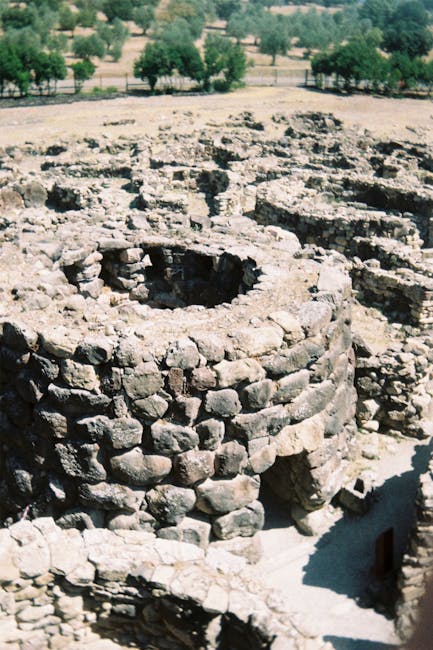
- Nuraghe Su Nuraxi — Piazza Europa, 09021 Barumini (VS). Opening hours: 08:30–19:30 (daily). Price: €15 (full price). Why go: an UNESCO-listed nuragic site, 20–30 minutes from several wineries in the southwest. Combine a morning of archaeology with an afternoon of tastings.
- Cattedrale di Santa Maria — Piazza Duomo, 07041 Alghero (SS). Opening hours: 09:00–12:30 and 16:00–19:00 (seasonal variation). Free or donation. Why: stroll the historic center after a nearby tasting.
- Piazza Yenne — Piazza Yenne, 09124 Cagliari (CA). In the evening, wine bars around the square pour local labels so you can compare urban and rural styles. Great spot to taste wines you’ve purchased or order by the glass.
- Castello di Serravalle / Castello di Monreale — small castles and viewpoints in northern Sardinia, often close to micro-appellations. Hours and prices vary by site; check before you go.
Tips for combining visits: plan a radius of 30–40 km around a main winery to cut travel time. If you plan to taste, arrange a driver or book a wine-tour (indicative price: €80–150 per person for a full day including transport, lunches and visits). Always call the day before to confirm availability, especially in low season when some cellars close for several consecutive days.
Conclusion: Take a Piece of Sardinia Home
A visit to a Sardinian winemaker is more than a wine stop — it’s a sensory and cultural education. Walking the vineyards, listening to family stories, touring the cellar and tasting local pairings gives you a deeper understanding of the link between terroir and wine. The addresses we’ve listed — like Azienda Vinicola Nuraghe S’Ortu (Località S’Ortu, 09010 Serdiana, CA), Cantina Agricola Cantina Sarda (Via Roma 12, 07026 Olbia, OT) or Cantina di Monte Arci (Via Monte Arci 3, 09090 Marrubiu, OR) — are concrete starting points for planning your route. Keep in mind opening times (usually 09:00–13:00 and 15:00–18:00 for visits) and tasting fees (often €20–45 depending on the package), and don’t forget to book.
Directly supporting small producers is one of the best ways to preserve Sardinia’s viticultural diversity. Buying one or several bottles at the winery, joining a blending workshop, or sharing a country lunch are tangible gestures. These purchases not only bring home a tasty souvenir but also help sustain a fragile rural economy.
Finally, let Sardinia surprise you: beyond the wine, it’s the people, the landscapes and the food that turn a simple visit into a memorable experience. Respect local practices (punctuality for appointments, suitable clothing for cellar and vineyard) and allow time for conversation: a Sardinian winemaker will gladly share a story, sign a bottle and maybe invite you back. Take home not just bottles, but the image of a living terroir — of stone, wind and people working so every sip tells the story of Sardinia.