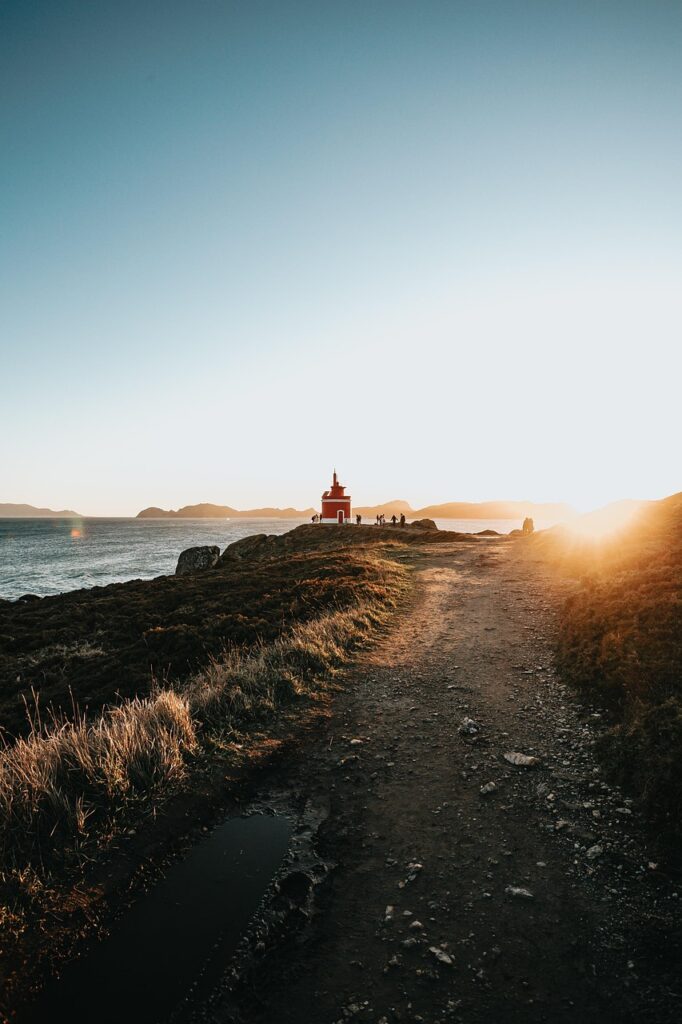
Introduction — Shepherds’ Tracks: Historic Trails of the Supramonte
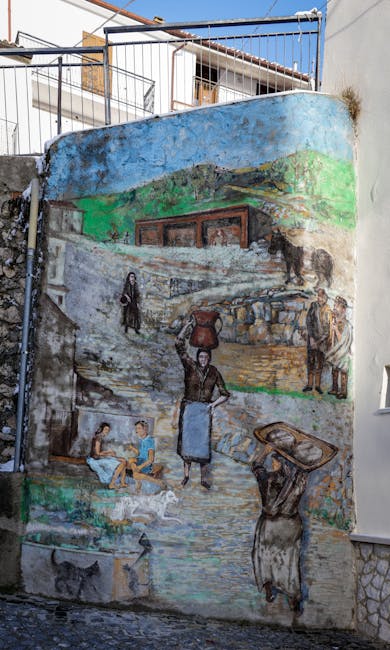
The Supramonte, a rugged limestone massif in central-eastern Sardinia, is a landscape of crags, oak forests and deep ravines where shepherds’ footsteps have carved out miles of age-old trails. These routes—used for centuries for seasonal moves, supplies and social links between villages like Orgosolo, Dorgali and Baunei—are living traces of a unique cultural and scenic heritage. Walking the « shepherds’ tracks » means following more than just a map: you encounter stone huts, grazing terraces, hidden springs and the murals of Orgosolo that tell the story of pastoral life and local resistance.
This practical guide offers a detailed immersion into the main historic routes of the Supramonte. It’s aimed at hikers interested in pastoral culture and visitors who want to understand the inland beyond Sardinia’s beach attractions. You’ll find place descriptions, exact addresses to help you navigate, practical info (opening hours, prices in euros), local tips for safety and environmental respect, and suggestions for food or cultural stops. Supramonte trails require preparation and care: take into account altitude, rapidly changing weather, sometimes inconsistent waymarking and the need to carry water and proper gear.
The region is crossed by several traditional shepherd routes that once linked high pastures and villages. Highlights include the Gola di Gorropu (the shepherds’ stone gorge where flocks once sheltered), the Su Golgo plateau and its pasture terraces, and the ancient tracks descending to Cala Luna and Cala Goloritzé. Shepherds— »pastori » in Sardinian—left architectural markers: stone « cunventu » huts, « pinnetu » dry-stone enclosures, sheepfolds and small shepherd cottages dotting the landscape. Exploring these paths also reveals contemporary pastoral practices: seasonal transhumance, pecorino cheese-making and historic mule tracks maintained by the local community.
Before you set out, note that parts of the area are managed by local associations and professional guides. Regulations can impose temporary restrictions (grazing seasons, wildlife protection): check with tourist offices or mountain refuges. In this guide I outline four main exploration zones with precise addresses, indicative prices and typical opening hours so you can plan. At the end you’ll find practical tips for navigation, typical lodging and the pastoral cuisine to enjoy after a day on the Supramonte’s historic paths.
Orgosolo and Its Pastoral Trails: The Cultural Heart of the Supramonte
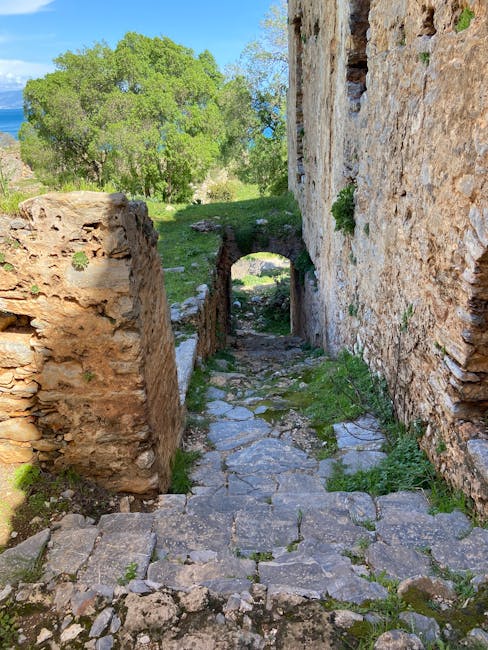
Orgosolo is one of the emblematic villages of the Supramonte, famous for its murals but above all rooted in pastoral life. To begin your immersion, head to the Museo Etnografico di Orgosolo at Piazza Don Minzoni, 08027 Orgosolo NU, Italy. The museum is typically open Tuesday to Sunday from 10:00–13:00 and 15:30–18:30 (closed Mondays); admission: €3.00 for adults, €1.50 reduced (students, seniors). Exhibits include shepherding tools, traditional costumes and maps of old transhumance routes.
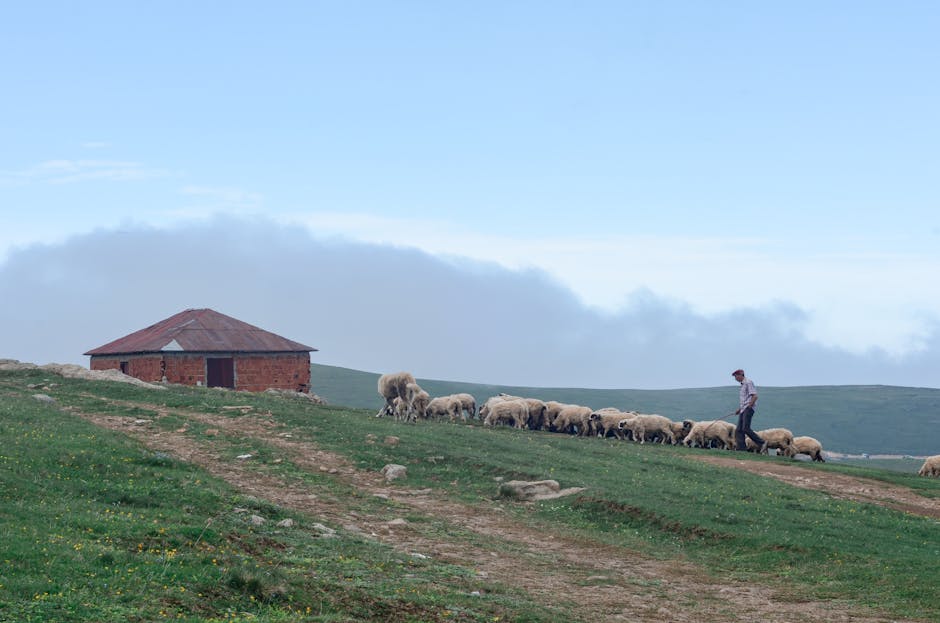
From Piazza Don Minzoni, numerous trails lead to fallow pastures and grazing terraces. The « Sentiero per il Monte Novo San Giovanni » (path to Monte Novo San Giovanni) is an example of an old route shepherds used to move their herds. This hike is not continuously waymarked and requires a good map or a guide. Local shepherds still follow these tracks in spring and autumn: encountering flocks of sheep with their working dogs is common. Practical tips: bring trekking poles, 2–3 liters of water per person, and sturdy ankle-support boots. Respect private property and enclosures; if you meet a shepherd, greet them and politely ask if you may pass.
In Orgosolo you can taste pastoral specialties in authentic settings: Agriturismo Su Bentu, Via Sa Tiacca 11, 08027 Orgosolo NU — open daily 12:30–15:00 and 19:30–22:30; tasting menus of cheeses and shepherd dishes run about €25–35 per person. Booking is recommended in the high season (June–September). To dive deeper into pastoral history, join guided tours offered by Pro Loco Orgosolo (Ufficio Pro Loco, Via Roma 2, 08027 Orgosolo NU): village tours plus a half-day pastoral route, roughly €30–45 per person, by reservation.
Gola di Gorropu and Gorge Trails: The Shepherds’ Canyon
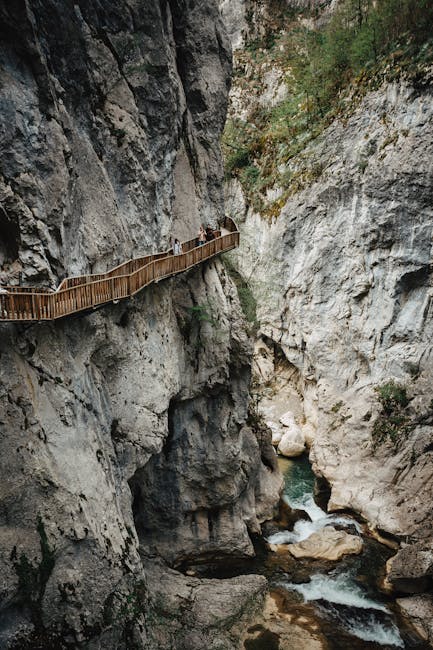
Gola di Gorropu, often called Sardinia’s « Grand Canyon, » is a spectacular gorge where shepherds once drove their flocks to find fresh pasture and natural shelter. The main access point to the gorge is from Località Pedra Longa, 08022 Dorgali NU, Italy (entry near the hamlets of Tiscali/Flumineddu depending on the route chosen). To reach the recommended parking, take the Strada Statale 125 Orientale Sarda and follow signs for « Gorropu »; the official parking is commonly called « Parcheggio Gorropu » (approximate coordinates along SS125, free entry but spaces can fill up in high season).
The classic route to the gorge floor is demanding: allow 3–4 hours round-trip depending on your starting point and fitness. The descent can be on unstable ground and requires caution; the gorge has narrow sections where deep shade contrasts with sun-warmed rock faces. There’s no official ticket booth charging an entrance fee, but hiring a local guide is strongly recommended for inexperienced hikers. Guides from Dorgali, listed with the « Centro Guide Cala Gonone » (Via Roma 81, 08022 Cala Gonone, Dorgali NU), offer guided outings from €40–70 per person (half-day), depending on group size and route.
Timings and safety: the gorge is accessible year-round, but avoid rainy periods (risk of storms and flash floods). Start early (before 08:00) to beat the summer heat and to increase your chances of spotting wildlife. Carry water, energy snacks, a paper map and a charged phone; signal can be intermittent. For a complementary experience, combine a Gorropu visit with a boat trip from Cala Gonone (Porto di Cala Gonone, Via Cala Fuili 08022 Cala Gonone, Dorgali NU) to see the contrast between inland gorges and coastal coves. Boat trips cost approximately €25–40 per person, often departing at 09:30 and 15:00 in high season.
Su Golgo Plateau and Stone Huts: High Pastures and Dramatic Views
The Su Golgo plateau (Loc. Golgo, 08040 Baunei NU) is an expansive high-altitude pasture with sea views and cliffs dropping toward the east coast. It was a central stop on pastoral routes: shepherds and flocks grazed these rich summer meadows. The plateau is reached from the village of Baunei (Via Roma 1, 08040 Baunei NU); to get to Su Golgo follow the municipal road to the hamlet of Golgo and continue on pastoral trails and forest tracks. Several « pinnettos » (dry-stone enclosures) and shepherd « casette » scatter across the plateau—remnants of pastoralism that still persists today.
To learn about shepherding life, visit Agriturismo Su Golgo (Loc. Golgo, 08040 Baunei NU), which offers lodging and meals based on local products (cheeses, cured meats, homemade bread). Restaurant hours: 12:30–15:00 and 19:30–22:00; typical menu €20–30 per person. Agriturismo accommodation ranges from €40–80 per night depending on season and comfort. Local shepherds sometimes sell cheese on-site: pecorino sardo or casu marzu (a very particular specialty to approach with caution) — prices vary, typically €10–20 per kilo depending on quality.
Recommended hikes: the path crossing Su Golgo toward Cala Sisine (starting from Loc. Su Golgo) mixes pastoral tracks and rocky trail descending to the coast. Expect 4–6 hours depending on route. Local maps and information from the Baunei tourist office (Ufficio Turistico, Via Lamar 5, 08040 Baunei NU) are helpful: open 09:00–13:00 Monday to Saturday, information is free though some detailed maps may cost €5–10. Local advice: respect marked grazing areas, take all rubbish with you, and if you picnic keep food sealed and away from animals and insects to avoid disturbing the ecosystem.
Practical Tips, Gear and Respecting Heritage
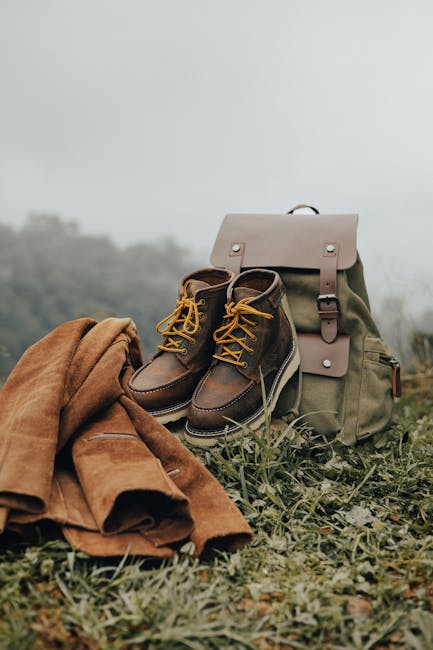
Exploring the Supramonte’s historic trails requires physical preparation and logistical planning. Here are detailed recommendations: gear, safety, and how to respect shepherds and the environment. Recommended equipment: sturdy hiking boots with ankle support, trekking poles, hat, sunglasses, sunscreen, first aid kit, windproof jacket, GPS or smartphone with offline maps, and a paper map of the Parco Nazionale del Gennargentu (available at tourist offices). Hydration is critical: carry at least 2–3 liters per person for a half-day, more for long summer crossings.
Trail conditions and navigation: some paths are unmarked; hiring a local guide (typical prices €40–80 for a half-day or €80–150 for a full day) is advisable for complex gorges or crossings. Respecting shepherds: if you encounter a flock, slow down, avoid sudden movements and intrusive photos, and ask permission before approaching animals. Herding dogs can be protective—keep your distance, step off the path and wait for the shepherd’s instructions on how to pass. When camping or sleeping outdoors, choose authorized spots away from grazing areas; wild camping may be regulated by the municipality.
Transport and lodging: the villages of Cala Gonone (Porto di Cala Gonone, Via Cala Fuili 08022 Cala Gonone, Dorgali NU), Dorgali (Piazza Repubblica 1, 08022 Dorgali NU) and Baunei (Via Roma 1, 08040 Baunei NU) offer hotels, B&Bs and agriturismi. Rates vary: B&Bs €40–70/night, hotels €60–120/night, agriturismi €50–90/night. A car is the most practical way to get around; watch for narrow roads. Local buses (ARST) serve some points but timetables are limited: check ARST Sardegna schedules or ask at tourist offices.
Conclusion — Between Pastoral Memory and Modern Adventure
The shepherds’ tracks of the Supramonte are far more than trails: they are lifelines connecting landscape, know-how and collective memory. Walking through Orgosolo, Gola di Gorropu, the Su Golgo plateau and the routes down to the sea, visitors discover a land where stone and light recount centuries of pastoral presence. These routes require preparation and respect, but they reward you with spectacular panoramas, genuine human encounters and a chance to see pastoral techniques still in use today. Intangible heritage—songs, transhumance rituals, cheese recipes—complements the physical experience of the trails.
Plan your visit around the opening hours of the tourist offices (Orgosolo, Dorgali, Baunei) and local structures (museums, agriturismi, guides). Prefer local guides for difficult gorge terrain and check grazing dates to avoid concentrated herds. Respect the environment: do not pick plants, take all rubbish with you and be discreet when meeting shepherds and livestock. Finally, take time to taste Supramonte products: sheep cheeses, traditional bread and rustic dishes that tell the story of the shepherd’s table.
The Supramonte invites you to slow down, walk mindfully and listen to the traces left by those who shaped these landscapes. Whether you’re an experienced hiker, a culture lover or a curious traveler, these historic trails offer a full experience of inland Sardinia—between rock, grass and sea. Happy hiking, and always follow local rules to help preserve this living heritage for future generations.