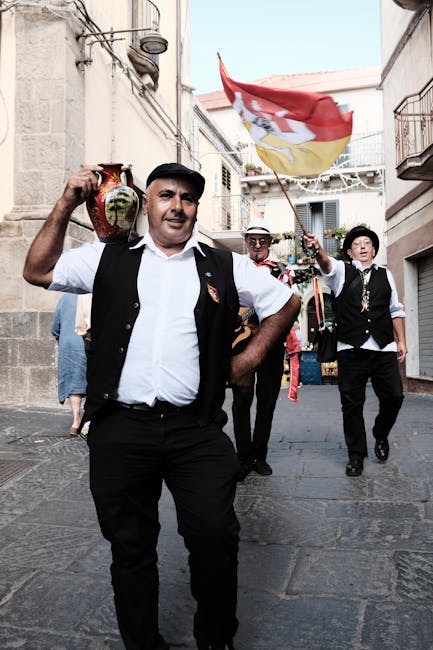






Introduction: The Magic of Launeddas and Ancient Songs in Sardinia
Sardinia is an island where sound memory is woven into the cultural landscape. Among its most emblematic musical expressions are the launeddas — a traditional triple-pipe wind instrument — and the island’s ancient songs, often polyphonic or monophonic, that tell stories of pastoral life, religious festivals and the agricultural seasons. These performances are more than mere concerts; they are living rituals, carriers of local identity and bridges between generations. For the curious traveler, attending a launeddas festival or hearing ancient songs in a village church, on a piazza or at an outdoor event is an immersive experience where musical technique blends with scenery, costumes and gastronomy.
This practical overview aims to give you a complete, handy guide to planning a trip focused on these traditions in Sardinia. You’ll find detailed descriptions of events and venues, exact addresses, typical schedules, price ranges in euros, and local tips to make the most of your visits. Festivals and happenings vary by season: from springtime events to summer sagre and winter religious observances, each time of year brings different opportunities to hear launeddas and ancient songs.
The launeddas, traditionally made of three pipes (one melodic pipe and two drone pipes, or « borduni »), demand mastery of circular breathing and complex rhythmic ornamentation. The best players, known as « maestri, » are often from specific villages and pass their knowledge on through competitions, masterclasses and local celebrations. The ancient songs appear in forms such as canti polifònici (pastoral polyphony) or canti a tenore (the tenore style is especially typical of Ogliastra and Barbagia), each with distinct dialects and repertoires.
This guide doesn’t only cover the big events: it also highlights intimate venues (rural churches, museums, cultural centers) where authenticity is preserved. You’ll learn where to take workshops, attend international contests, visit instrument museums, and how to get there (transport, parking, dress advice). Practical details — entry fees, typical timetables, booking tips — are included so your musical stay in Sardinia is rich and stress-free.
Finally, alongside the descriptions you’ll find local advice on etiquette and how to better understand what you’re hearing: the role of the audience, the best moments to listen (religious processions, vigils, weddings), and how to approach artisans who make launeddas. Get ready for an immersion into a sound world where stone, wind and voice answer one another, in settings that range from shaded squares to ancient sanctuaries.
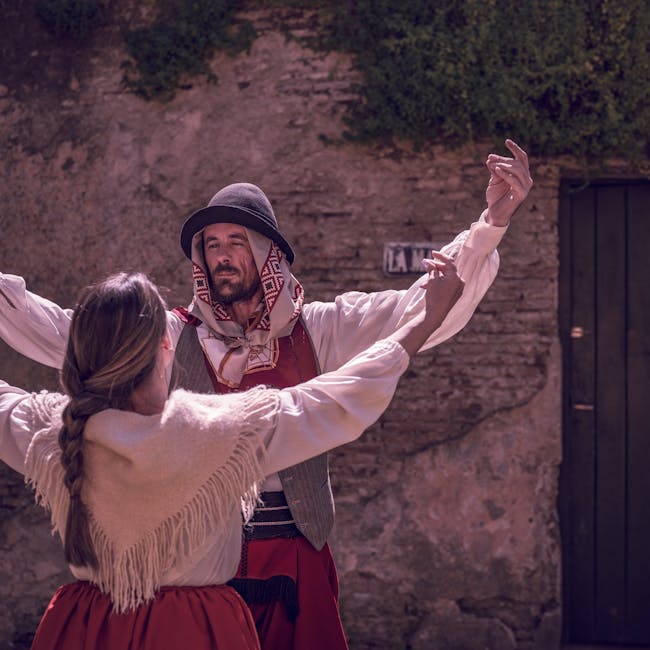
International Festival and Competition: Concorso Internazionale di Launeddas — Samugheo and Related Events
The Concorso Internazionale di Launeddas is one of the flagship showcases for this instrument. While editions can vary in timing, the main event regularly takes place in Samugheo, a town known for its crafts and musical tradition. Typical meeting place: Centro Culturale di Samugheo, Piazza Europa 1, 09086 Samugheo (OR). Ceremonies are held in the main piazza or in the Centro Sociale auditorium depending on the weather.
Schedule and format: competition days usually start around 10:00 with listening sessions and preliminary rounds, followed by educational workshops (masterclasses) between 14:00 and 17:00, and a final or gala concert in the evening from about 20:30. Workshops are led by local and international maestri, covering breathing technique, launeddas ornamentation, and instrument making. Sunday is often reserved for prize-giving and gala performances.
Prices (estimates based on recent editions):
- Single day competition entry: €10–20 (full price €20, reduced €10 for students and over-65s)
- Weekend pass (competition + workshops + concert): €35–60 depending on included events
- Specialized masterclass: €25–80 depending on duration (2–6 hours)
- Opening concert / final evening: €15–40
These rates can change; it’s recommended to check the official Samugheo municipal website or the event’s Facebook page for the current edition.
Practical tips: arrive early to secure a shady spot if the competition is outdoors. The main recommended parking is Parcheggio Comunale, Via Solferino, 09086 Samugheo (OR) — often free during the festival but sometimes paid on non-event days. Book masterclasses through the contacts listed in the program (usually an online form or a local number); spots are limited and concert tickets can sell out, especially for evenings featuring notable guests.
Atmosphere: competitions mix technical rigor with village conviviality. Between performances you’ll overhear conversations about luthiers, regional variations of pieces, and tales of past victories. Local food stalls (pecorino, pane carasau, and Sardinian wines like Cannonau) enhance the experience, turning the festival into a full-on sensory celebration.
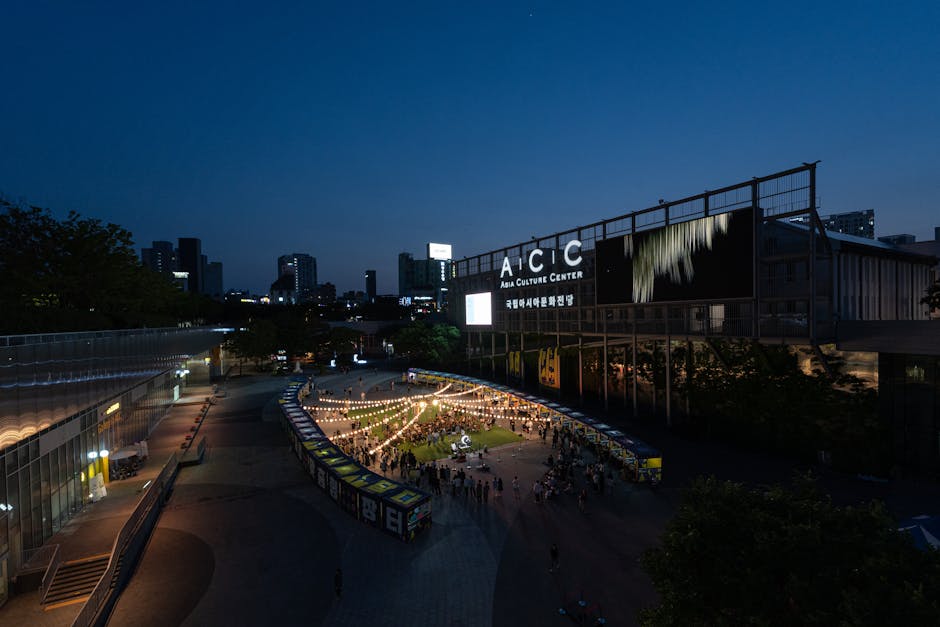
Local Festivals and Processions: Sagra della Launeddas, Sant’Efisio and Village Feasts
Beyond international competitions, many sagre (local festivals) incorporate launeddas and ancient songs into their programs. The Sagra della Launeddas is a typical example that happens in various towns, sometimes as a dedicated day within larger village events. These sagre often include religious processions, historical reenactments and evening performances.
Examples of events and places:
- Sagra della Launeddas — Villanovafranca (example of a local edition): Piazza San Sebastiano, 09020 Villanovafranca (CA). Events typically take place in June or July. Typical schedule: 18:00 procession, 21:00 concerts and musical vigils. Entry: most outdoor performances are free; some concerts may charge €10–25.
- Festa di Sant’Efisio — Cagliari: although centered on the cult of Sant’Efisio, the procession held every May 1st in Cagliari (itinerary from Piazza Sant’Efisio, 09127 Cagliari) includes elements of traditional music. Launeddas can appear at stages of the procession. The celebration lasts several days; participation is free, though seated tribune areas may be ticketed (€5–15).
- Feste Patronali — Nuoro and Orgosolo: in the Barbagia area, ancient songs (including tenore) often accompany patron saint festivities. Example address: Piazza Vittorio Emanuele II, 08100 Nuoro (NU). Evening programs typically start around 21:00 and are often free.
Times and prices: most village festivals offer free programs (processions, open-air singing) and paid evening shows. For a sagra, expect €0–25 per event; full sagra meals (local specialty menus) generally cost €15–35 per person. Food stalls open around 19:00 and usually close around midnight or 01:00 depending on the season.
Local advice: dress respectfully for processions (avoid overly casual outfits in a religious setting). Bring cash for stalls — many don’t accept cards. Ask permission before photographing religious ceremonies — discretion is required during liturgical singing. The best listening spots are often near churches or village porticos where natural reverberation enhances voices and launeddas.
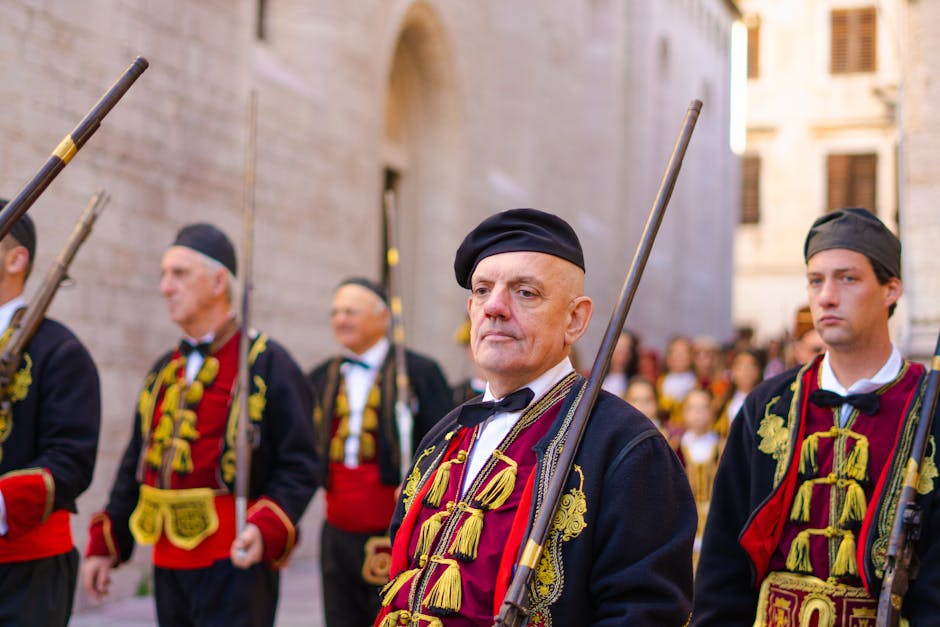
Cultural Centers, Museums and Workshops: Where to Learn and See Launeddas
If you want to go beyond listening and truly understand technique and craftsmanship, Sardinia offers several centers and museums that document and teach these skills. These venues provide instrument exhibits, demonstrations and sometimes beginner workshops.
Recommended places:
- Museo delle Launeddas — Samugheo (Centro Museale): Piazza Europa 1, 09086 Samugheo (OR). Typical hours: 09:00–13:00 and 15:00–18:00 (closed Monday). Fees: €3–6 (adult €6, reduced €3 for students and seniors). The museum displays a collection of historical instruments, educational videos and information on local luthiers.
- Centro Culturale Jonas — Cagliari: Via Roma 145, 09124 Cagliari (CA). Hours: 10:00–19:00, closed Sunday morning depending on the season. Hosts workshops and artist residencies; workshop fees €20–60 depending on duration and materials provided.
- Associazione Launeddas di Sant’Andrea — Villaputzu (example of a local association): Via Sant’Andrea 12, 09040 Villaputzu (SU). Contact the association for private workshops (prices €30–100 depending on format).
Hands-on workshops: most beginner workshops cover circular breathing, basic sequences and instrument maintenance. Duration: 2–4 hour intro sessions (€25–60), intensive courses of 3 days to a week for progression (€150–450). Workshops often provide instruments, but it’s recommended to bring a small recorder and ear protection if you expect long rehearsals.
Guided visits and bookings: museums and cultural centers may offer guided tours in Italian and sometimes in English. Bookings are advised for groups and in high season. Contact details are usually available on municipal websites or the cultural page of the Regione Autonoma della Sardegna.
Practical tips: if you plan to buy a launeddas, favor local luthiers who offer adjustments and guarantees. Ask about the wood used (commonly strawberry tree or boxwood), assembly and tuning. Price ranges: simple handcrafted instruments €150–400, concert instruments €600–1500. Negotiate politely and ask for a short care tutorial when you buy.
Complementary Events: Concerts, Vigils and Intimate Listening Venues
Beyond festivals and museums, launeddas and ancient songs are heard in more intimate contexts: evenings at agriturismi, concerts in small chapels, and impromptu sessions in bars and cafés in historic centers. These moments often offer the greatest authenticity because they bring musicians and listeners into direct contact.
Examples and addresses:
- Agriturismo Su Nuraxi Concerts — Barumini: Strada Comunale Su Nuraxi, 09021 Barumini (SU). Agriturismi regularly organize themed evenings with traditional music and Sardinian menus (meals €25–40). Concerts start around 20:30 and are usually by reservation (phone recommended: +39 070 XXX XXXX on site).
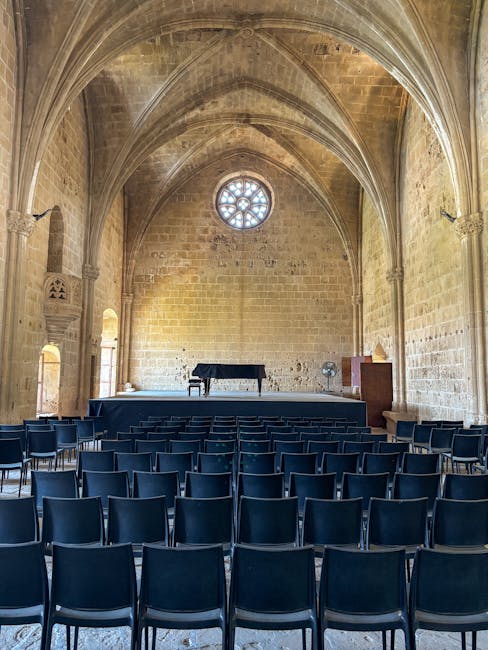
- Chiesa di Santa Croce — Orgosolo (Nuoro): Piazza Santa Croce, 08027 Orgosolo (NU). Small chapels offer exceptional acoustics; concerts of ancient songs take place in the evenings or during local festivals. Entry is often free, but donations are appreciated.
- Teatro Civico — Alghero: Via Carlo Alberto, 07041 Alghero (SS). Cultural programming includes traditional music concerts. Tickets €10–30 depending on the show; the box office opens two hours before the event and online sales are usually available.
Timing: intimate concerts and vigils typically happen in the evening, between 20:00 and 23:30. Agriturismo sessions usually include dinner, with participants leaving around midnight. Chapels and small venues may also schedule afternoon concerts during festivals.
Listening tips: to enjoy the best experience, sit in the center of the room or under a resonant porch. Turn off your phone or set it to silent; many musicians treat these occasions as sacred. If you’re a musician yourself, most artists welcome exchanges and demonstrations after the concert — bring a business card or ask the organizer to arrange a meeting.
Practical tips for planning your musical trip to Sardinia
- Best time: April to October for festivals and sagre; some important religious events take place in May or September.
- Transport: renting a car is highly recommended to reach villages. Rental desks: Aeroporto di Cagliari-Elmas, Via Roma, 09170 Elmas (CA). Approximate daily rental rates: €25–70 depending on vehicle and season.
- Accommodation: book local lodgings in advance (B&B, agriturismo). Examples: B&B Sa Manna, Via Roma 12, 09086 Samugheo (OR) — prices €50–90 per night.
- Language: Italian is the common language; learning a few Sardinian greetings is appreciated and helps with warm welcomes.
- Respect for traditions: during religious events follow local customs, dress modestly and avoid excessive alcohol consumption.
Conclusion: Experience Sardinia through its sounds — final recommendations
The launeddas and ancient songs of Sardinia offer an extraordinary window into the island’s soul. From international competitions and village sagre to hands-on workshops and intimate vigils, there are countless ways to hear these traditions and meet the people who keep them alive. This guide has outlined a range of places and experiences — from the Concorso Internazionale di Launeddas in Samugheo to the small chapels of Orgosolo and the agriturismi of Barumini — with addresses, typical schedules and price ranges to help you plan a rewarding, concrete trip.
Key points to get the most from your visit: plan and book ahead (especially for concerts and masterclasses), arrive early for outdoor events, respect local codes during processions and vigils, and invest time in conversations — a short chat with a maestro or luthier can turn a listening moment into deep learning. If you want to bring home an instrument, buy from a local craftsperson and request a care demonstration; if you’re a musician, consider an intensive course: the experience often pays off far beyond technical skills, opening the door to oral traditions.
Finally, let yourself be carried by the sensory dimension of these events: the resonance of launeddas in a cobbled street, the texture of voices in the space of a church, the scents of bread and cheese between pieces. Sardinia often reveals itself through these sound moments where history, community and landscape meet. Whether you’re a music lover, curious traveler or musician, plan your trip around one or two festivals, combine them with visits to cultural centers and agriturismo vigils, and always leave time for spontaneous encounters — they will become the memories of your stay.
Have a wonderful sonic journey in Sardinia: listen, exchange, respect — and let the launeddas and ancient songs tell you the story of the island.